

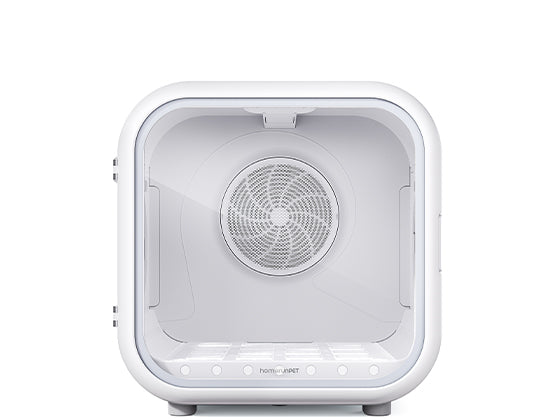
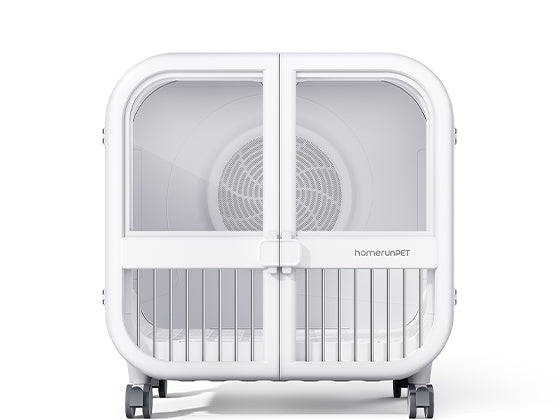
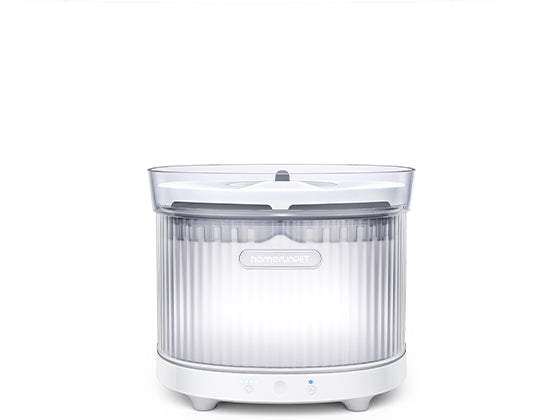
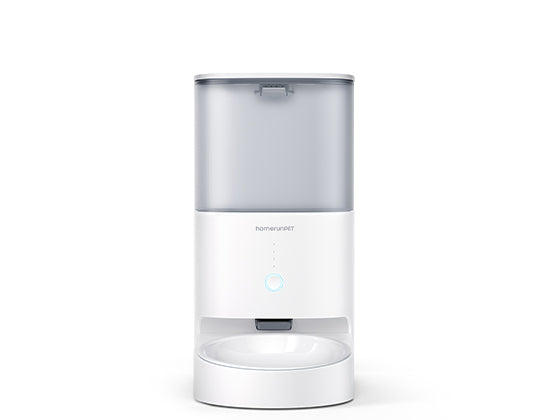
Self-cleaning litter boxes are not hype, but they are not a universal solution either. They deliver measurable time savings and improved odor control for specific household profiles, particularly multi-cat homes, busy professionals, and owners managing large breeds. The technology has matured significantly, with brands like homerunPET engineering units that handle cats up to 25 lbs and extend maintenance-free intervals to roughly 20 days for single-cat households. Whether the investment pays off depends on your cat count, lifestyle, and tolerance for periodic upkeep.
How Automatic Litter Boxes Actually Function
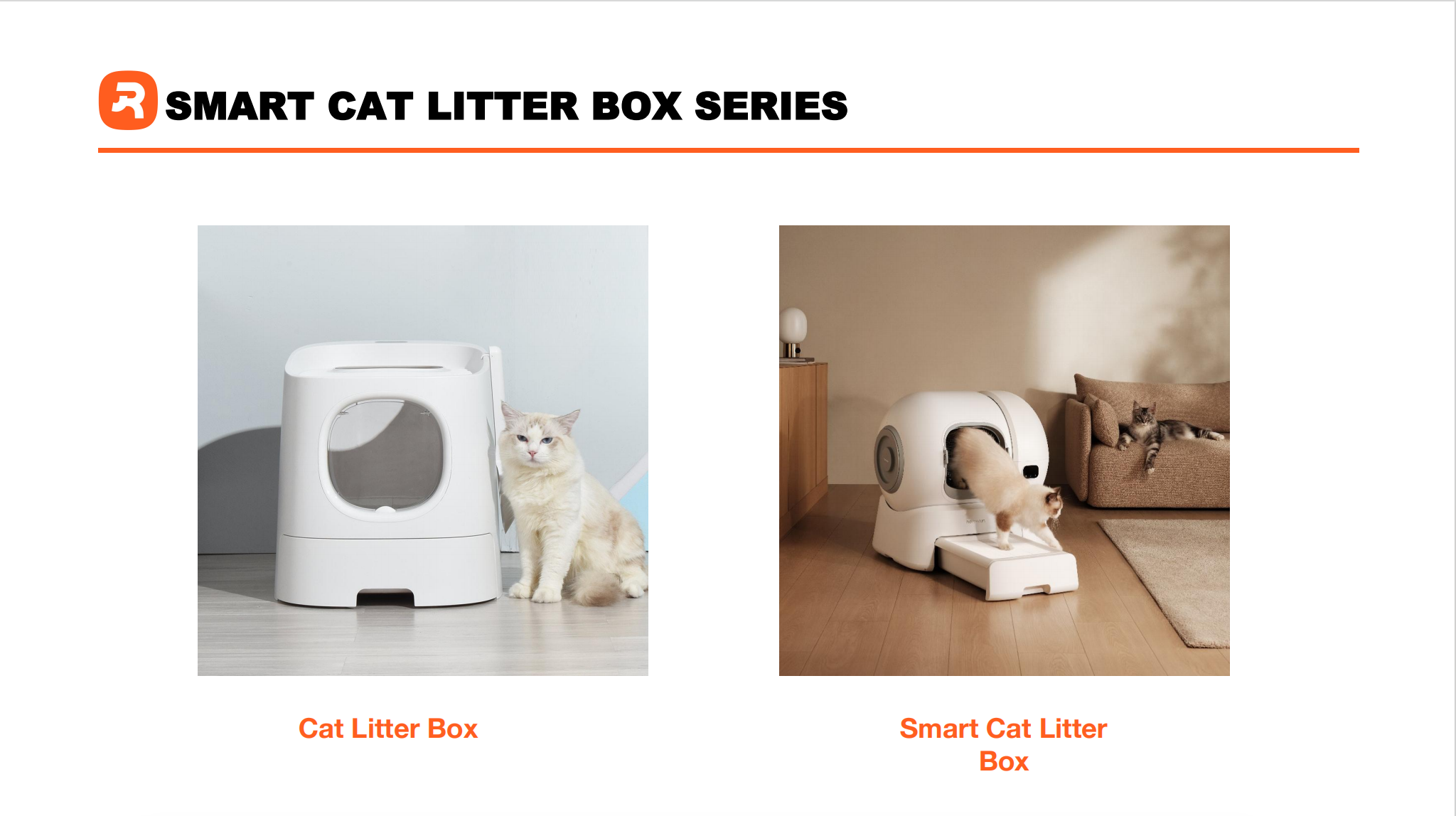
These systems detect cat presence through sensors, then mechanically separate waste from clean litter after each use. The cleaned litter remains in the tray while soiled clumps move into a sealed waste compartment. Some models add automatic litter replenishment from a built-in sand bin, reducing the frequency of manual top-ups.
The term "self-cleaning" requires clarification. No unit eliminates maintenance entirely. You still empty the waste container, replenish litter supply, and perform periodic deep cleans. What changes is the frequency and intensity of daily involvement. Instead of scooping once or twice daily, you check the system every few days to several weeks depending on household size.
Modern units incorporate multiple safety layers. The homerunPET CS106, for example, uses dual-bump protection, radar sensors, and weight sensors to prevent operation when a cat is inside the chamber. These physical safeguards address one of the earliest criticisms of automated boxes: the risk of mechanical harm during cycling.
Performance Reality: What Works and What Does Not
Proven Benefits
Time savings are the clearest advantage. A well-functioning automatic box reduces daily scooping to a periodic drawer-emptying task. For a single-cat household using the homerunPET CS106 with its 12L waste compartment, that interval can stretch to approximately 20 days. Multi-cat homes with three cats still gain roughly 7 days between manual interventions.
Odor control improves because waste is separated and sealed shortly after each use rather than sitting exposed in an open tray. Systems using deodorizing components (such as odor-absorbing gels) add another containment layer.
Consistency matters too. Automated cycling means waste never accumulates to the point where a cat refuses to use the box, a common behavioral issue with manually maintained trays.
Common Limitations
Not every unit handles all litter types. Most automatic systems require clumping litter of a specific granule size for mechanical separation to work correctly. Non-clumping, crystal, or ultra-fine litters can jam mechanisms or pass through sifting components.
Noise remains a factor. While newer models operate at lower decibel levels, the mechanical cycling sound can startle noise-sensitive cats during their initial adjustment period.
Reliability Over Time
Short-term performance is generally strong. Long-term reliability depends on build quality, sensor calibration, and maintenance diligence. Units with simpler mechanical designs and fewer moving parts tend to sustain performance longer. Dust accumulation on sensors is the most common degradation factor, typically resolved through routine cleaning.
Who Actually Benefits from Automatic Systems
- Multi-cat households where manual scooping frequency scales linearly with cat count
- Busy professionals and frequent travelers who need extended maintenance-free windows
- Owners of large-breed cats (Maine Coons, Ragdolls) who require spacious interiors like the 106L capacity found in the homerunPET CS106
- Small apartments where odor containment directly affects living comfort
- Seniors or individuals with mobility limitations who find daily bending and scooping physically taxing
Who Should Consider Traditional Boxes
- Budget-constrained owners for whom the upfront cost creates financial strain
- Cats with severe anxiety or noise phobia that cannot adapt to mechanical sounds
- Owners who prefer direct health monitoring through visual inspection of waste
Total Cost of Ownership: Automatic vs. Traditional
| Factor | Automatic Self-Cleaning Box | Traditional Manual Box |
|---|---|---|
| Upfront cost | $500-$700 typical for full-featured units | $15-$60 |
| Daily time investment | Near zero (periodic checks) | 5-10 minutes per scooping session |
| Litter consumption | Moderate (automated dispensing reduces waste) | Variable (often higher due to full-tray dumps) |
| Replacement parts | Filters, deodorizers, occasional components | Scoops, liners |
| Maintenance-free interval | 7-20 days depending on cat count | 1-2 days maximum |
| Odor control effectiveness | High (sealed compartments, immediate cycling) | Depends entirely on owner diligence |
| Lifespan | 3-5+ years with proper maintenance | 1-2 years before plastic absorbs odor |
The global automatic self-cleaning litter box market reached approximately USD 576-600 million in 2025, growing at a 7-8% compound annual rate. This growth trajectory reflects genuine consumer satisfaction rather than mere novelty, as repeat purchases and word-of-mouth drive adoption beyond early adopters into early-majority households.
What to Look for When Buying
Safety sensor reliability ranks first. Multiple redundant sensors (radar, weight, infrared) prevent operation during cat presence. Units relying on a single sensor type carry higher risk.
Interior capacity determines usability. Cats need space to turn, dig, and position comfortably. The 106L chamber in the homerunPET CS106 accommodates cats up to 25 lbs, addressing a gap that smaller units leave for large-breed owners.
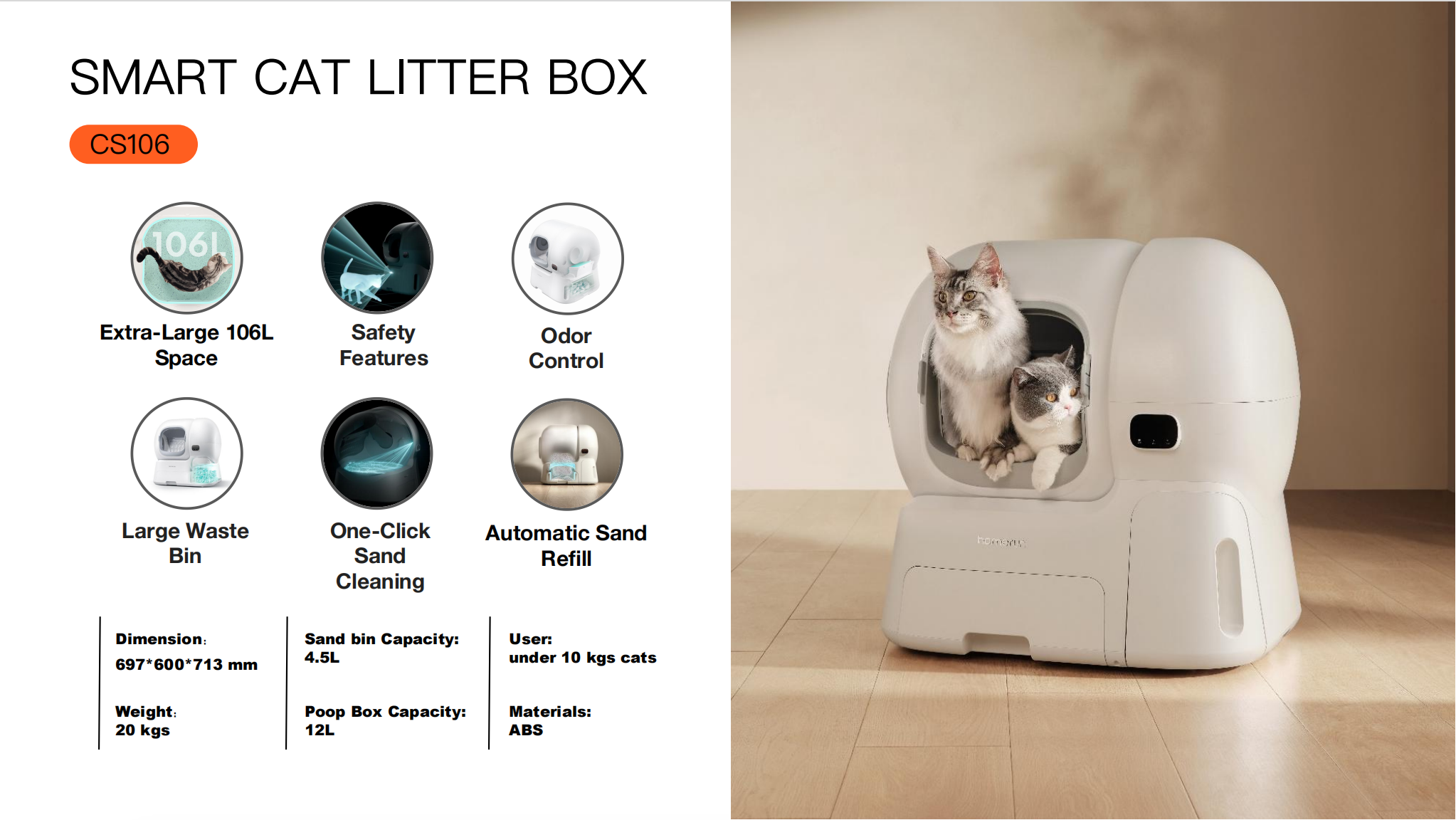
Waste compartment size dictates maintenance frequency. A 12L waste box supports genuinely extended intervals between emptying.
Noise levels and cycle timing affect cat acceptance. Units that delay cycling until the cat has fully exited and operate at low decibel levels achieve higher adoption rates among hesitant cats.
Trial periods and warranty coverage reduce purchase risk. A 90-day in-home trial, such as the one offered with the CS106, allows real-world testing with your specific cats before committing.
The Honest Bottom Line
Self-cleaning litter boxes deliver on their core promise for the right households. They are not maintenance-free appliances, but they reduce daily labor to periodic oversight. The technology works best when matched to appropriate use cases: multiple cats, large breeds, busy schedules, or space-constrained living situations.
The investment makes financial sense when measured against time value and quality-of-life improvements rather than pure litter cost savings. For a household spending 10-15 minutes daily on litter maintenance across multiple boxes, the annual time recovery exceeds 60 hours.
Approach the purchase as you would any durable home appliance: research sensor safety, verify capacity for your cats, confirm warranty terms, and use trial periods to validate compatibility before full commitment.
FAQ
Q1: Do self-cleaning litter boxes actually work for multiple cats?
A1: Yes, with appropriately sized units. The homerunPET CS106 supports multi-cat households with its 106L interior and 12L waste compartment, providing roughly 7 days of maintenance-free operation for three cats. The key is selecting a unit with sufficient capacity rather than expecting a single-cat-sized box to scale.
Q2: What happens if my cat refuses to use an automatic litter box?
A2: Most cats adapt within 1-2 weeks when the unit runs quietly and offers adequate space. homerunPET designs their systems with low-noise operation and open entry to minimize resistance. Using a 90-day trial period lets you test real-world acceptance without financial risk.
Q3: Are self-cleaning litter boxes worth the cost compared to manual scooping?
A3: For multi-cat homes or busy owners, the time savings alone (60+ hours annually) justify the investment. homerunPET units priced at $699 with a 12-month warranty represent durable appliance purchases rather than disposable accessories, spreading the cost across years of daily use.
Q4: How reliable are automatic litter boxes over the long term?
A4: Reliability correlates directly with build quality and maintenance diligence. Units with multiple safety sensors and physical anti-pinch mechanisms, like those from homerunPET with 170+ patents backing their engineering, maintain performance when sensors are kept clean and waste compartments emptied on schedule.
For a deeper look at how automated litter systems fit your specific household, explore the CS106 and its specifications at homerunpet.com. The 90-day in-home trial removes guesswork, letting your cats decide on their own terms.