

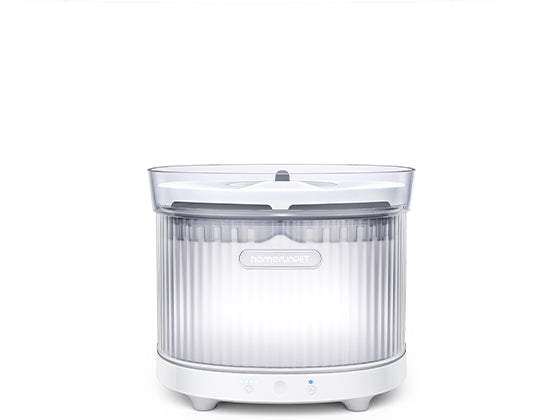
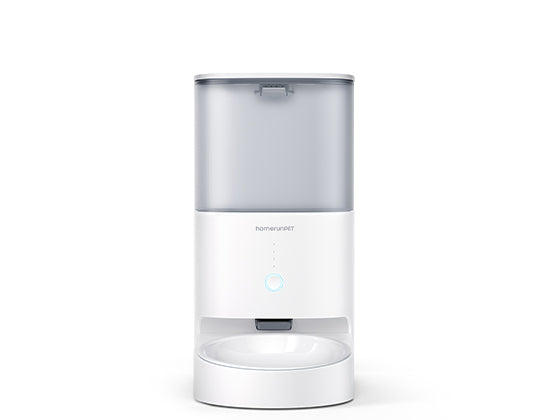
A self-cleaning litter box designed for first-time owners should require minimal assembly, operate with simple one-button controls, and include robust safety sensors that protect your cat without constant monitoring. The homerunPET CS106 exemplifies this approach with a pre-assembled design, auto-refill sand system, and dual-sensor protection that stops the cleaning cycle the moment a cat is detected. For new cat parents, the goal is straightforward: a unit that works reliably out of the box while keeping your cat safe and your home odor-free.
What First-Time Owners Need in a Self-Cleaning Litter Box
The core criteria are setup simplicity, safety redundancy, and low daily involvement. Research consistently shows that new cat owners struggle most with maintaining a consistent cleaning routine. The ASPCA estimates that at least 10 percent of all cats develop elimination problems at some point, with incorrect box maintenance being a primary contributor.
Assembly time matters more than you think. A unit that arrives pre-assembled eliminates the frustration of connecting motors, aligning sensors, or troubleshooting wiring on day one. First-time owners benefit from products that require nothing more than plugging in, adding litter, and pressing start.
Safety features are non-negotiable. Dual-sensor systems combining radar detection and weight measurement provide the highest margin of protection against accidental operation while a cat is inside. Physical anti-pinch mechanisms add an additional layer that does not depend on software functioning correctly.
Maintenance frequency defines your real experience. A box that can run up to 20 days between manual interventions for a single-cat household represents genuinely low maintenance, while units requiring daily or every-other-day drawer changes barely reduce your workload compared to traditional scooping.
Top Features That Make Setup Easy
Fully pre-assembled construction means removing the unit from its packaging, placing it in your chosen location, and connecting power. No tools, no alignment steps, no calibration.
One-button operation allows the box to run its cleaning cycle without navigating through app menus or configuring settings. While app connectivity adds optional monitoring capability, a well-designed unit should function independently of your phone.
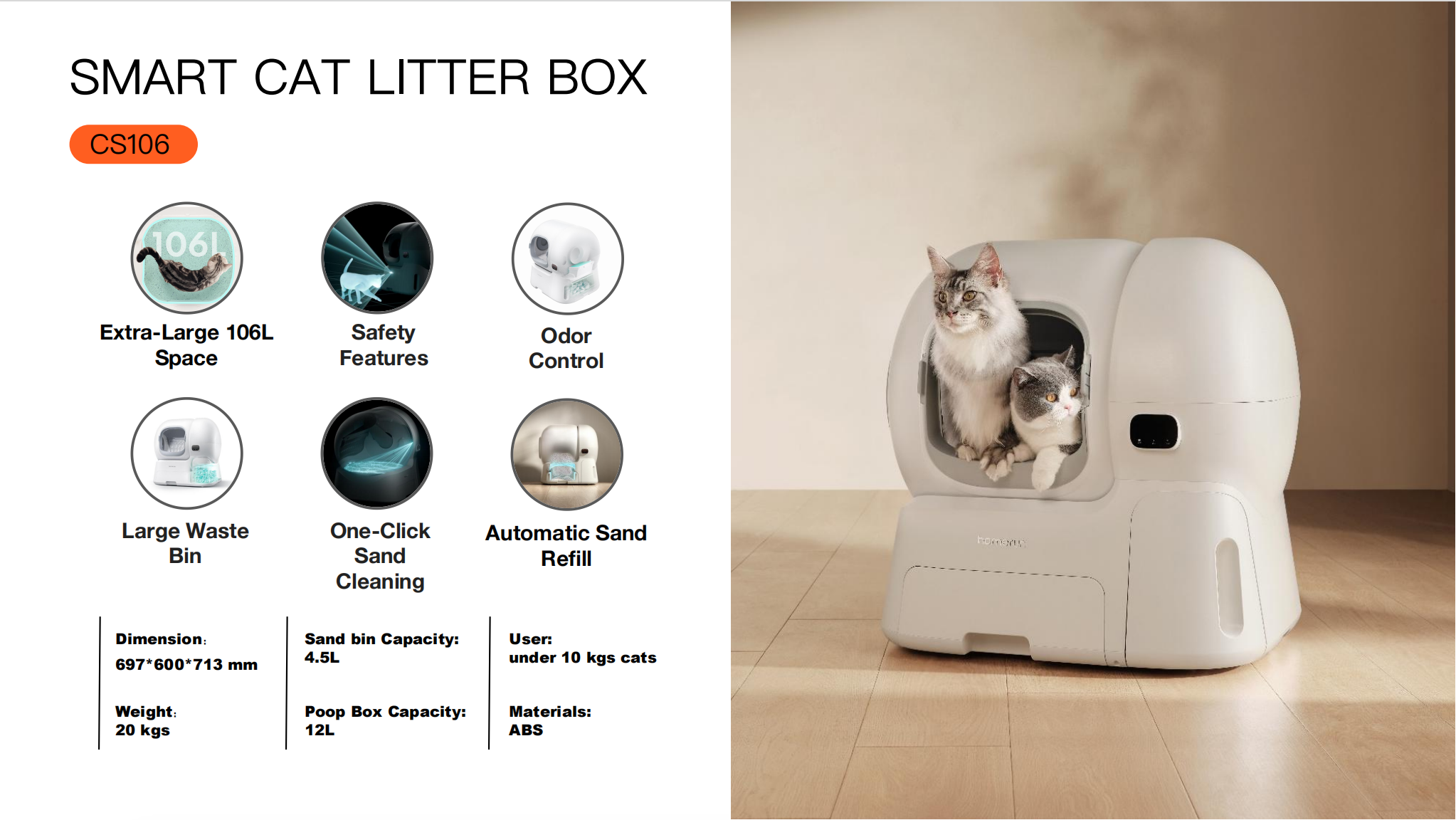
Auto-refill sand systems reduce the frequency with which you need to add fresh litter. The homerunPET CS106 includes a 4.5L sand bin that automatically replenishes the litter bed after each cycle, removing another daily task from your routine.
Clear visual indicators on the unit itself (not just in an app) tell you when the waste drawer is full, when litter is running low, or when the system needs attention. These physical signals prevent the boxes-full surprises that drive cats to find alternatives.
Safety Systems Every Beginner Should Know
Modern self-cleaning litter boxes use layered safety approaches to prevent injury during the mechanical cleaning cycle. Understanding these systems helps you evaluate whether a product genuinely protects your cat or merely claims to.
Radar sensors detect motion near and inside the unit, pausing or preventing cycle initiation when a cat approaches. Weight sensors inside the litter bed confirm whether a cat is present, even if the cat is stationary and not triggering motion detection. Together, these two systems cover both active and resting cats.
Physical anti-pinch protection prevents mechanical components from fully closing on a cat or limb, regardless of what the electronic sensors report. The homerunPET CS106 incorporates dual-bump protection alongside its radar and weight sensors, creating three independent safety layers that do not rely on a single point of failure.
Cycle interruption behavior is critical: when a cat enters during an active cycle, the mechanism should halt immediately and reverse, not merely pause and resume once the cat leaves. This distinction matters for kittens or curious cats that may investigate the moving parts.
Open-Top vs. Enclosed: Which Design for Nervous Cats?
Cats that are anxious, new to a home, or have never used an automatic box generally accept open or semi-open designs more readily than fully enclosed chambers. Veterinary behavior guidance notes that some cats reject enclosed boxes due to feeling trapped, reduced visibility, or amplified mechanical noise inside the enclosure.
| Design Type | Cat Acceptance | Odor Control Method | Space Feel | Noise Perception |
|---|---|---|---|---|
| Fully enclosed dome | Lower for nervous cats | Sealed chamber + carbon filter | Confined | Amplified inside |
| Semi-open (partial cover) | Higher for most cats | Deodorizing gel or filter | Spacious, visible exit | Normal room-level |
| Fully open tray | Highest initial acceptance | Minimal passive control | Completely open | Quietest perception |
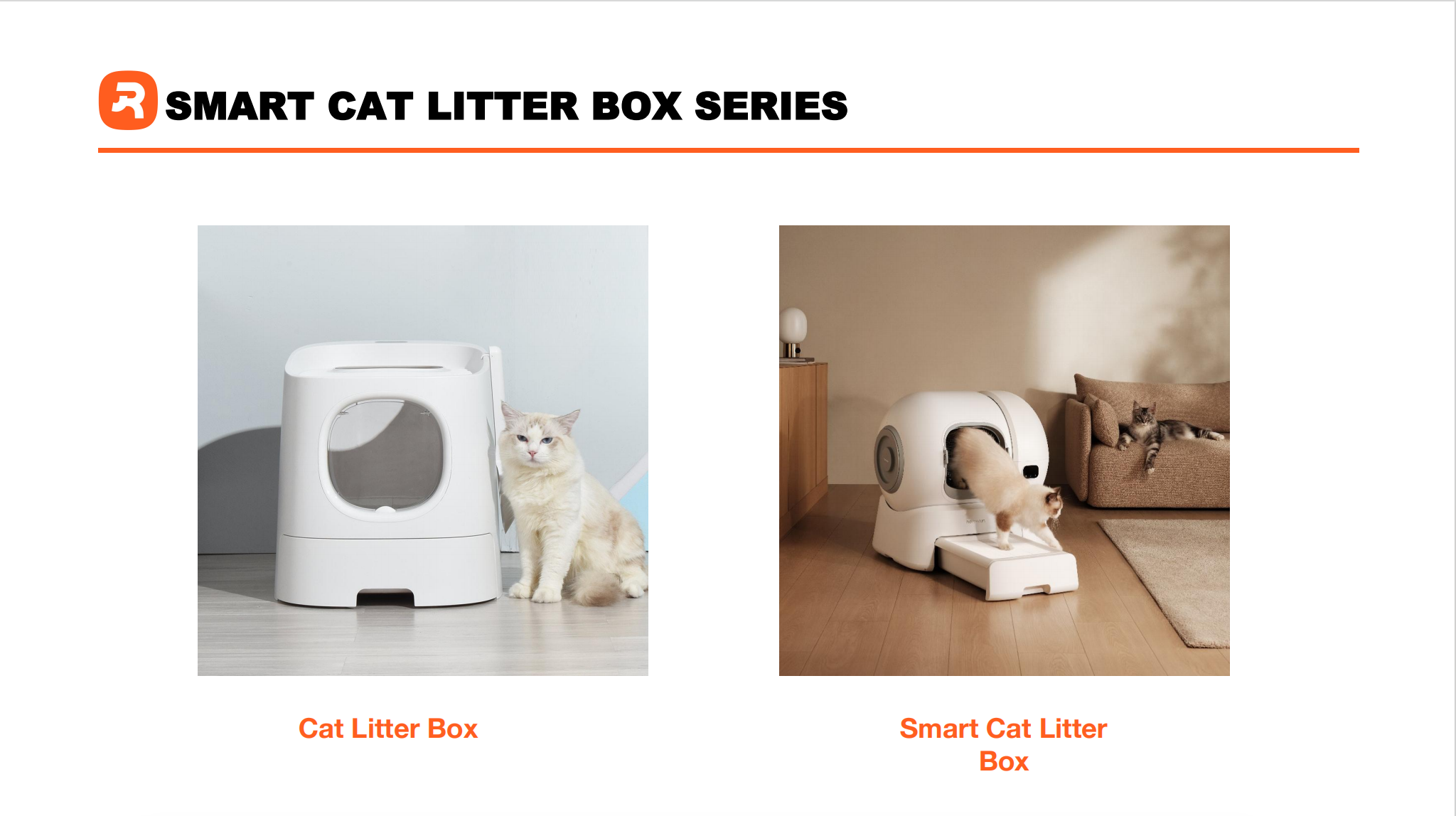
The CS106 from homerunPET uses a semi-open design rather than a fully enclosed dome structure. This gives cats a visible entry and exit path while still providing enough enclosure for the mechanical cleaning system to operate effectively. For first-time owners with nervous or newly adopted cats, this middle-ground design reduces the likelihood of outright rejection.
Realistic Maintenance Expectations
For a single-cat household, a well-designed self-cleaning box requires roughly one intervention per week to three weeks, depending on waste drawer capacity and auto-refill capability.
Weekly tasks: Check waste drawer level, verify litter depth visually. With the CS106's 12L waste drawer and auto-refill system, single-cat homes can expect up to approximately 20 days between manual emptying. Multi-cat households with three cats should plan for approximately 7-day intervals.
Monthly tasks: Wipe down sensors with a dry cloth, inspect the litter bed for clumping buildup along edges, replace deodorizing gel if used.
Quarterly tasks: Full disassembly clean of removable components (waste drawer, litter tray), inspection of mechanical parts for wear.
Ongoing costs include litter refills (standard clumping litter works in most modern units), deodorizing gel replacements, and occasional waste liner bags. Avoid units that lock you into proprietary litter formulations, as these add recurring expense without proportional benefit.
Setup and Transition Guide for Beginners
Step 1 (Day 1-2): Place the new unit next to your existing litter box, unpowered. Let your cat investigate the shape and smell.
Step 2 (Day 3-4): Add your cat's preferred litter to the new unit. Sprinkle a small amount of used litter from the old box on top. Keep the unit powered off.
Step 3 (Day 5-7): Once your cat has used the new box at least twice, power it on and allow one cleaning cycle while your cat observes from a distance. Keep the old box available.
Step 4 (Week 2): If your cat is comfortably using the automatic box, remove the old box. Monitor for any avoidance behavior.
Common mistake: Removing the old box on day one. Cats are territorial about elimination sites. Forcing an immediate switch increases rejection risk substantially.
Placement strategy: Choose a low-traffic area with clear sightlines so your cat can see approaches while using the box. Avoid laundry rooms where sudden washer or dryer noise could startle a cat mid-use.
Troubleshooting Common First-Time Owner Concerns
Cat refuses to enter: Return to the transition protocol. Add familiar-scented litter and keep the unit powered off for several more days. Most cats accept a new box within 10 to 14 days with patient introduction.
Noise sensitivity in apartments: Units operating below 45 dB are comparable to a refrigerator hum. Schedule cleaning cycles for times when you are home and awake, so nighttime operation does not disturb sleep for you or the cat.
Space constraints: Measure your intended location before purchasing. The CS106 footprint is 697 by 600 mm. Confirm adequate clearance on all sides for airflow and cat access.
Making Your Final Decision
Base your choice on three factors: your cat's temperament, your living space dimensions, and your tolerance for daily involvement. A single cat in a studio apartment benefits from a compact-footprint, low-noise unit with extended waste capacity. A multi-cat household in a larger home may prioritize litter bed volume and faster cycle times.
For first-time owners who want to minimize the learning curve entirely, look for fully pre-assembled options with auto-refill capabilities, physical safety mechanisms, and support infrastructure including trial periods. The homerunPET CS106 offers a 90-day in-home trial alongside a 12-month warranty, which provides a meaningful evaluation window for both you and your cat to determine compatibility.
Q1: What makes a self-cleaning litter box beginner-friendly?
A1: A beginner-friendly unit arrives pre-assembled, operates with one-button controls independent of an app, and includes redundant safety sensors. The homerunPET CS106 meets these criteria with its plug-and-play design, auto-refill system, and triple-layer safety protection including radar, weight sensors, and physical anti-pinch mechanisms.
Q2: How often do you empty a self-cleaning litter box with one cat?
A2: With a 12L waste drawer and auto-refill litter system like the homerunPET CS106, single-cat households typically empty the waste drawer every 20 days. Multi-cat homes should plan for weekly emptying depending on the number of cats.
Q3: Are self-cleaning litter boxes safe for cats?
A3: Units with dual-sensor systems (radar plus weight detection) and physical anti-pinch protection prevent injury during cleaning cycles. The homerunPET CS106 uses all three safety layers and halts operation immediately upon detecting a cat near or inside the unit.
Q4: Do cats actually use automatic litter boxes?
A4: Most cats accept self-cleaning boxes within one to two weeks when introduced gradually alongside their existing box. Semi-open designs with spacious interiors (such as the 106L capacity in the homerunPET CS106) tend to have higher acceptance rates than fully enclosed alternatives.
To explore setup details, specifications, and trial options for the CS106, visit homerunpet.com for complete product documentation and direct support from the homerunPET team.