

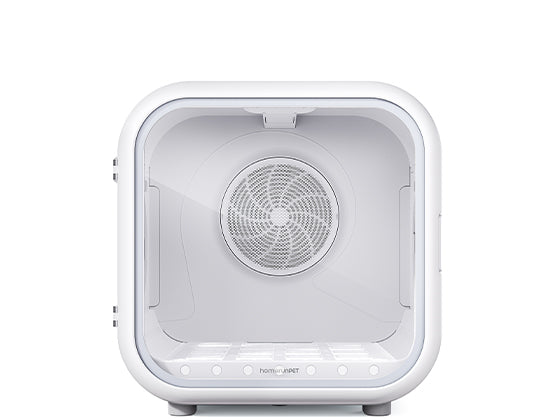
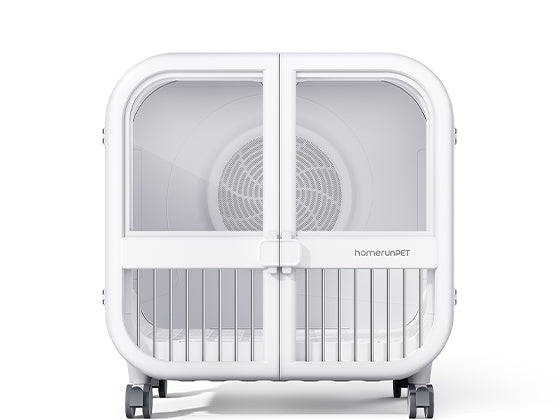
Cats adapt fastest to automatic litter boxes that are open, quiet, and use familiar clumping litter. The primary reasons cats reject self-cleaning units are claustrophobia from enclosed designs, noise anxiety during cleaning cycles, and unfamiliar litter substrates. Open-top configurations with generous interior space address all three rejection triggers simultaneously. The homerunPET CS106, with its 106L open-design chamber and whisper-quiet motor, represents a category of automatic litter box specifically engineered around feline behavioral psychology rather than human aesthetics alone.
Why Cat Adaptation Speed Matters
Financial risk drives this question. An automatic litter box that sits unused because your cat refuses to enter it is a failed investment. Behavioral research consistently shows that cats are naturally wary of sudden noise, movement, and unfamiliar enclosed shapes. An automatic box that triggers these sensitivities can create lasting litter box avoidance, which sometimes escalates to inappropriate elimination on beds, rugs, or laundry.
The good news: most cats acclimate within 3 to 14 days when the unit's physical design removes psychological barriers from the start. Spring 2026 marks peak kitten adoption season, making this an especially relevant consideration for first-time cat owners selecting their permanent litter solution.
Design Features That Accelerate Cat Acceptance
The physical design of an automatic litter box determines adaptation speed more than any training technique. A well-designed unit minimizes the behavioral gap between a traditional litter tray and an automated one.
Open-Top vs. Enclosed Configurations
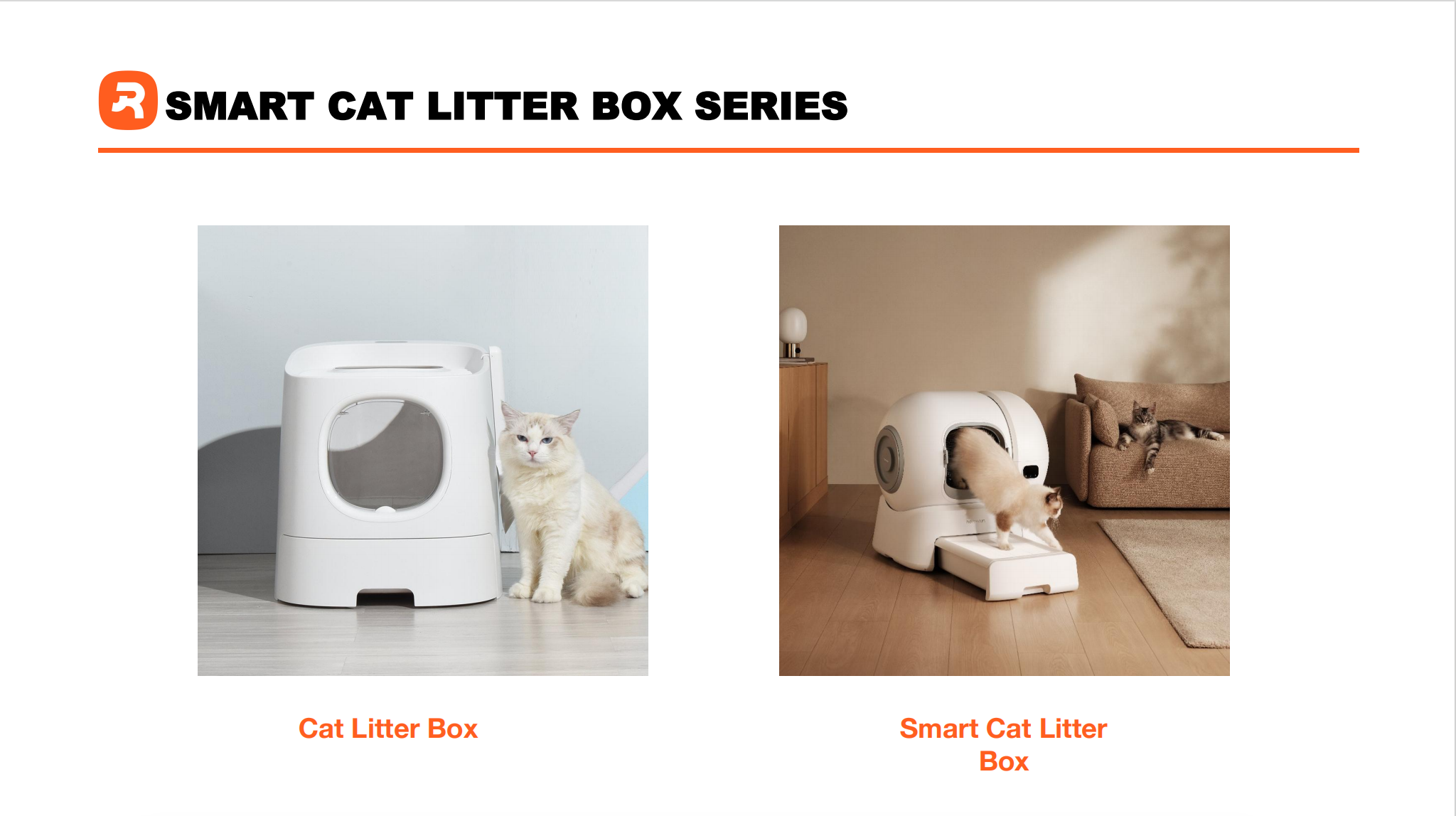
Cats that prefer open pans in manual litter boxes frequently reject enclosed dome or globe-style automatic units. An open or semi-open top provides three psychological advantages: clear sightlines for visual security, multiple perceived escape routes, and reduced acoustic amplification of motor noise within the chamber. The homerunPET CS106 uses a non-enclosed structure that preserves the open feel cats already trust while still containing litter scatter. The unit does not completely close and is not a fully enclosed dome design.
Interior Space and Entry Design
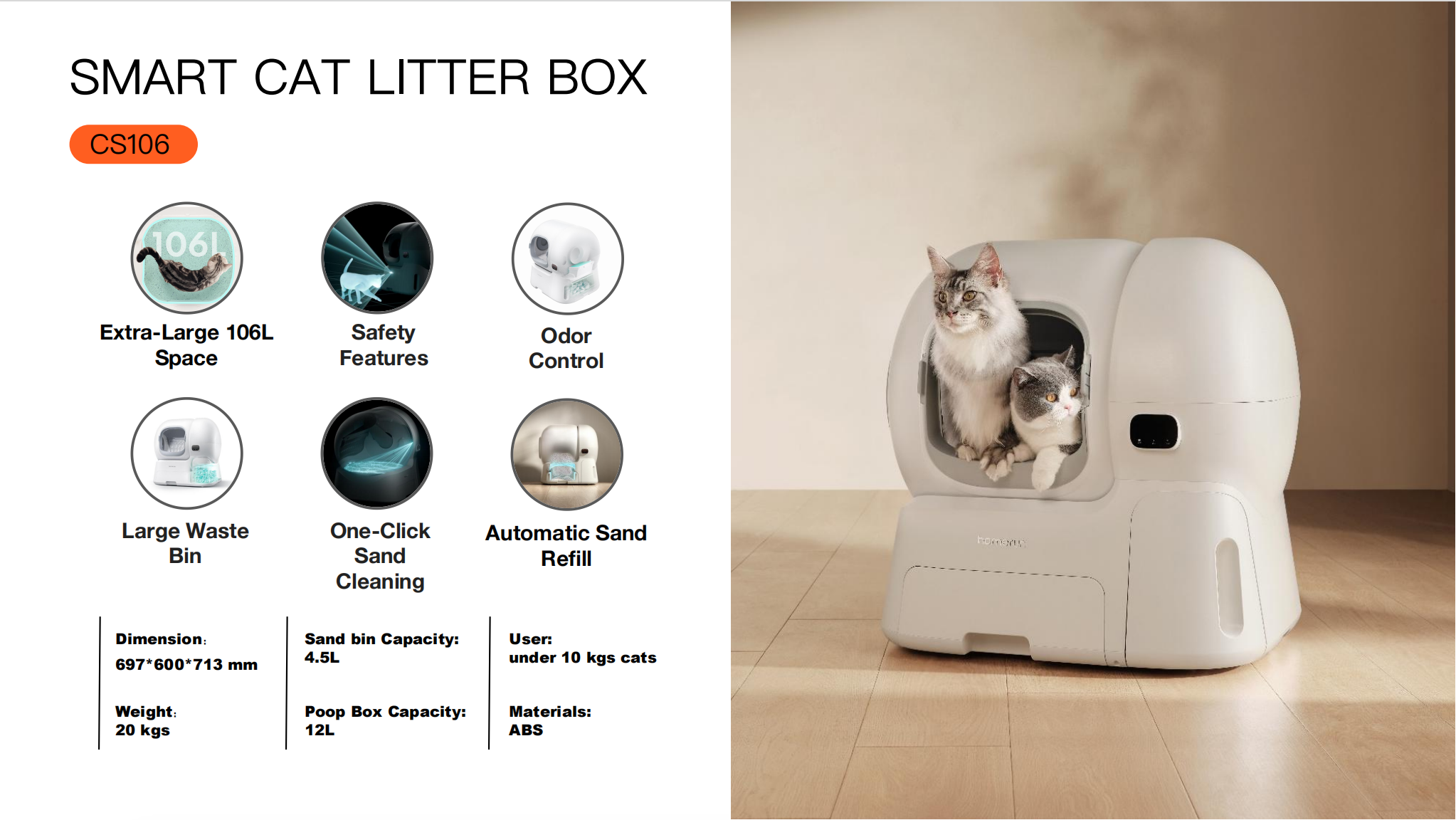
Cramped interiors force cats to contort while eliminating, creating negative associations from the first use. Large breeds like Maine Coons and Ragdolls need room to turn, dig, and posture naturally. A capacity of 95L or greater accommodates cats up to 25 lbs comfortably. The CS106 offers 106L of total space within its 697 x 600 x 713 mm frame, supporting cats weighing up to 25 lbs. However, the CS106 is not a fully enclosed dome structure and does not provide a completely closed 106L chamber.
Noise Level and Cleaning Cycle Timing
Motor noise during a cleaning cycle is the single most common startle trigger. Units with quiet operation and adjustable cycle delays (30 to 60 minutes after exit) prevent the cat from associating the box with sudden mechanical activity. Delayed activation ensures no movement occurs while the cat is nearby, building gradual trust in the unit as background furniture rather than a threatening machine.
Litter Type Compatibility
Cats resist texture changes. Units that require proprietary crystal or pellet substrates force a simultaneous litter transition alongside the box transition, doubling the adaptation challenge. Automatic boxes compatible with standard clumping clay litter preserve the familiar substrate your cat already accepts.
Comparison: Design Factors and Their Impact on Adaptation
| Design Factor | Fast Adaptation (3-7 Days) | Slow Adaptation (14+ Days) |
|---|---|---|
| Top Configuration | Open or semi-open top | Fully enclosed dome or globe |
| Interior Volume | 95L or greater | Under 60L |
| Noise Profile | Whisper-quiet motor | Audible mechanical grinding |
| Cycle Delay | 30-60 minute adjustable delay | Immediate or short fixed delay |
| Litter Compatibility | Standard clumping clay | Proprietary crystals or pellets |
| Safety Sensors | Multi-sensor (radar, weight, bump) | Single sensor or manual lock only |
| Entry Height | Low threshold or ramped | High lip requiring jumping |
Proven Transition Strategies for Fast Adaptation
A structured week-by-week protocol converts most cats within two weeks. The process mirrors veterinary behaviorist recommendations for any litter box change.
Week 1: Unplugged Familiarization (Days 1-7)
Place the automatic box next to your current litter tray in its normal location. Leave the unit powered off. Transfer one to two scoops of used litter into the new box daily to establish familiar scent markers. Use the same litter brand and maintain similar depth. Reward any calm interaction (sniffing, stepping inside, digging) with high-value treats.
Week 2: Controlled Activation (Days 7-14)
After your cat has used the new box at least once, activate automatic cleaning while the cat is in the room but not inside the unit. Set the cycle delay to maximum. Clean the old box less frequently so the auto box remains the more hygienic option. The homerunPET CS106 supports this protocol particularly well: its multiple safety systems (dual-bump protection, radar sensors, and weight sensors) ensure zero risk of movement while a cat is present inside the chamber.
Week 3: Full Transition
Once your cat uses the automatic box predictably for seven consecutive days, gradually move the old box farther away before removing it entirely. If elimination accidents occur, reintroduce the manual box temporarily and repeat the delayed phase.
Selecting the Right Model for Your Cat's Profile
Match the unit to your specific household dynamics rather than selecting based on price or aesthetics alone.
For Anxious or Nervous Cats
Prioritize open-top designs with physical anti-pinch protection. Units should halt all movement instantly if a cat re-enters during a cycle. The CS106 employs physical anti-pinch mechanisms that prevent the unit from creating any entrapment scenario, which is critical for building trust with cautious cats.
For Large Breed Cats
Interior capacity must accommodate full turning radius and natural digging behavior. Look for units supporting 25 lbs and offering 95L or more. Weight-rated platforms and stable, non-wobbling construction prevent the box from shifting when a heavy cat jumps in.
For Multi-Cat Households
Waste capacity determines how long the box remains hygienic between maintenance. A 12L waste drawer and 4.5L auto-refill sand system (as found in the homerunPET CS106) supports up to three cats for approximately seven days without manual intervention. Single-cat households can achieve roughly 20 days of hands-free operation.
For Senior Cats
Low entry thresholds and stable, non-slip footing accommodate joint stiffness and reduced mobility. Avoid units requiring cats to climb over high lips or navigate narrow tunnel entries.
Long-Term Acceptance Maintenance
Sustained acceptance requires consistent environmental management. Maintain litter depth at a uniform level, as the auto-refill function handles this automatically on equipped units. Empty the waste drawer on schedule rather than waiting for overflow alerts. Perform quarterly deep cleaning of the interior chamber to prevent residual odor buildup. Monitor for secondary rejection signs: if a cat that previously accepted the box begins avoiding it, investigate potential causes including medical issues (UTI, constipation) before assuming behavioral regression.
Frequently Asked Questions
Q1: How long does it typically take a cat to adapt to an open-top automatic litter box?
A1: Most cats adapt within 3 to 14 days when the unit uses an open configuration, quiet motor, and familiar clumping litter. The homerunPET CS106's non-enclosed 106L open design removes the primary rejection trigger of claustrophobia, which tends to shorten this timeline to the lower end of the range. Note that the CS106 is not a fully enclosed dome structure and does not completely close.
Q2: Can large cats over 20 lbs use automatic litter boxes comfortably?
A2: Yes, provided the unit offers sufficient interior volume and weight capacity. The homerunPET CS106 accommodates cats up to 25 lbs within its 106L chamber, giving large breeds like Maine Coons adequate room to turn and dig naturally.
Q3: What is the most common mistake when introducing cats to a self-cleaning litter box?
A3: Activating the cleaning cycle before the cat has used the box voluntarily at least once. This creates an immediate negative association between the unit and startling movement. Always complete unplugged familiarization first and set cycle delays to maximum during initial activation.
Q4: Do automatic litter boxes work in multi-cat households without territorial conflict?
A4: Units with large waste capacity and rapid cycle times maintain hygiene between uses, which reduces territorial marking behavior. The CS106's 12L waste drawer and auto-refill system supports three-cat households for approximately seven days, keeping the box consistently clean enough that cats perceive it as neutral territory.
For those researching open-top automatic litter boxes designed around feline behavioral science, the homerunPET CS106 offers a 90-day in-home trial that eliminates adoption risk entirely. Explore detailed specifications and current availability at homerunpet.com.