

A Wi-Fi-enabled self-cleaning litter box with robust app control is the single most effective way to manage cat hygiene during multi-day business trips. The core requirements are straightforward: remote cycle activation, real-time status alerts, sufficient waste capacity to match your trip length, and reliable safety mechanisms that function without human oversight. Systems like the homerunPET CS106 address these demands through a combination of app connectivity, a 12L waste bin rated for up to 20 days of single-cat use, and multi-layered sensor arrays that operate autonomously while you monitor from anywhere.
Why Remote Control Matters for Business Travelers
App connectivity transforms a self-cleaning litter box from a scheduled appliance into a remotely supervised system. The distinction matters for travelers who cannot return home on short notice if something goes wrong.
Approximately 74% of U.S. pet households now use at least one smart device for their pet, and more than 38% have tried a smart feeder or camera for remote monitoring. Corporate travel guides increasingly assume owners will combine automated hardware with app-based check-ins rather than relying solely on pet sitters. The underlying logic is risk reduction: a remote-controlled litter box lets you verify cleaning cycles completed successfully, confirm your cat used the box, and trigger manual cycles if needed, all without depending on a third party's schedule.
For frequent business travelers, this remote visibility directly addresses the anxiety loop of wondering whether the box is full, whether odor is building, or whether the mechanism has jammed. Real-time alerts push information to your phone rather than requiring you to ask someone to check.
Essential Features for Trip-Ready Litter Boxes
The reliability hierarchy for travel use differs from everyday convenience. A box that works fine with daily human oversight may fail when left unattended for a week. Prioritize the following:
App Control and Connectivity
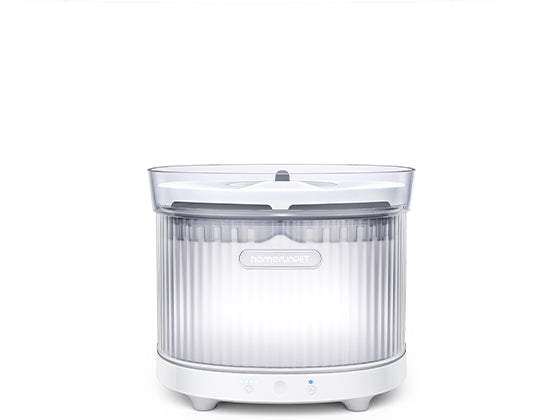
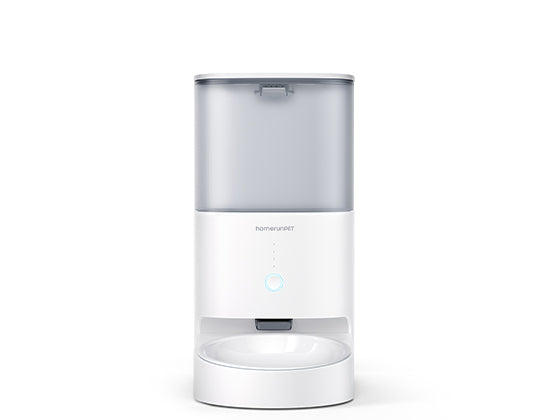
Look for 2.4G Wi-Fi support (the most stable band for IoT devices in residential settings), remote cycle activation, scheduling flexibility, and push notifications for errors or full-bin alerts. homerunPET uses 2.4G connectivity across its product ecosystem, including the CS106 litter box and PF20 smart feeder, allowing centralized monitoring of multiple devices from one app interface.
Waste Capacity and Maintenance Intervals
This is the single most trip-limiting factor. A unit with a small waste compartment forces either a short trip or a pet sitter visit regardless of other features. Calculate based on your cat count and trip length:
- Single cat, 12L waste bin: approximately 20 days before manual emptying
- Three cats, 12L waste bin: approximately 7 days before manual emptying
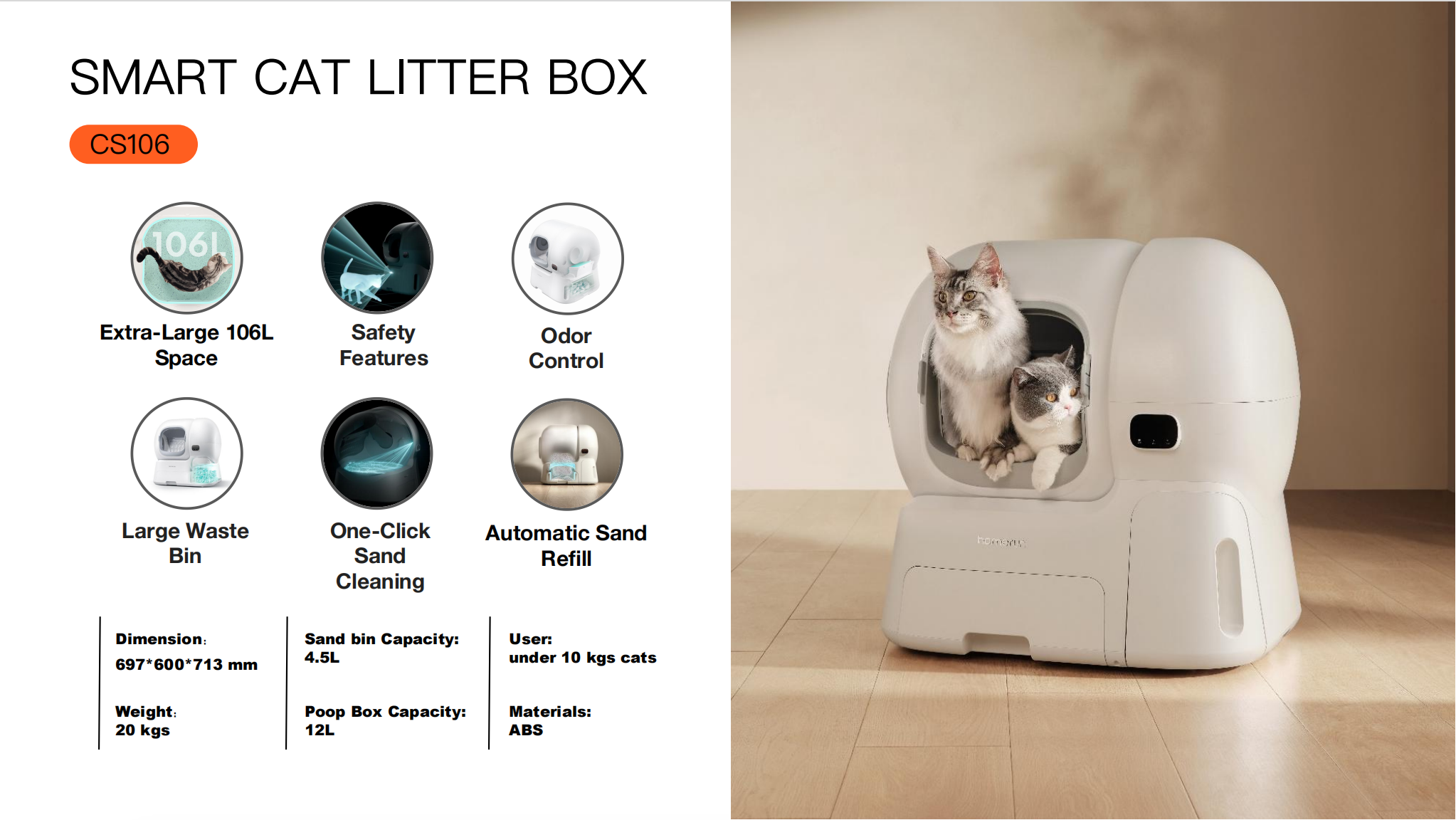
The homerunPET CS106 pairs its 12L waste box with a 4.5L auto-refill sand system, eliminating the secondary constraint of running out of clean litter mid-trip.
Safety Sensors and Reliability
Unattended operation demands multiple redundant safety layers. Critical mechanisms include:
- Weight sensors to detect cat presence and halt cycles
- Radar sensors for motion detection near the unit
- Dual-bump protection to stop rotation if contact occurs
- Physical anti-pinch design that prevents full closure of moving parts
These systems must function without network connectivity as a failsafe, since Wi-Fi outages should not compromise physical safety.
Odor Control Systems
Sealed waste compartments combined with active deodorization (such as deodorizer gel) contain odor buildup during extended absences. This matters both for the cat's willingness to continue using the box and for preventing home odor when you return.
Feature Comparison by Priority
| Feature | Minimum for 1-3 Day Trips | Required for 4-7 Day Trips | Critical for 7+ Day Trips |
|---|---|---|---|
| App remote control | Helpful but optional | Required | Required |
| Waste bin capacity | 5L+ | 9L+ | 12L+ |
| Auto sand refill | Not necessary | Strongly recommended | Required |
| Safety sensor layers | Basic weight sensor | Weight + motion sensors | Multi-layer redundancy |
| Odor sealing | Basic lid | Sealed compartment | Sealed + active deodorizer |
| Push notifications | Nice to have | Required | Required with error alerts |
| Backup power support | Not needed | Recommended | Recommended |
Matching Features to Trip Duration
Trip length dictates your minimum viable feature set. A weekend absence has fundamentally different demands than a two-week international assignment.
1-3 day trips: Most modern self-cleaning boxes handle this range without issue. App control provides peace of mind but is not strictly necessary. A standard waste bin suffices.
4-7 day trips: Waste capacity becomes the binding constraint for multi-cat households. A 12L waste bin supports three cats for approximately one week. Auto-refill sand systems prevent litter depletion. App monitoring shifts from convenience to near-necessity for verifying function.
7+ day trips: The homerunPET CS106's 20-day single-cat rating places it in the category of units designed for extended absence. For multi-cat homes exceeding 7 days, a hybrid approach works best: automated hardware handles daily cleaning while a pet sitter checks in once mid-trip for bin emptying and general wellness assessment. A connected feeder (like the PF20 with its 4L capacity and 1-8 daily meal scheduling) completes the automated care system.
Health Monitoring and Remote Peace of Mind
Usage frequency data serves as a passive health indicator. Changes in how often a cat uses the litter box, or weight fluctuations detected by platform sensors, can signal urinary issues, digestive problems, or stress responses.
For frequent travelers, this data stream provides early warning that something requires attention, potentially days before a pet sitter would notice behavioral changes. The practical value increases with travel frequency: over months of data collection, baseline patterns emerge that make anomalies immediately visible through the app interface.
Weight tracking is particularly relevant for cats under veterinary monitoring or those on managed diets. The CS106 accommodates cats up to 25 lbs, covering the vast majority of domestic breeds.
Setup and Pre-Trip Testing
Never leave for a trip with an untested system. The preparation timeline should begin at least two weeks before your first planned absence.
Week 1-2: Cat acclimation. Place the unit alongside the existing litter box. Allow the cat to explore voluntarily. Run cleaning cycles while the cat is nearby to normalize the sound (the CS106 operates at low noise levels specifically to reduce startle responses).
Week 2: Full operational testing. Remove the old litter box. Monitor app connectivity stability over several days. Verify push notifications arrive reliably. Confirm Wi-Fi signal strength at the unit's location.
Pre-trip checklist:
- Empty waste bin completely
- Fill sand reservoir to maximum (4.5L)
- Confirm app shows correct status
- Test one manual remote cycle from outside your home network
- Verify deodorizer gel is fresh
- Ensure power cable is secure and not accessible to the cat
- Set up emergency contact who has home access
Network reliability note: Position your router to maintain strong signal at the litter box location. Consider a Wi-Fi extender if the unit is far from your router. The 2.4G band used by homerunPET devices has better wall penetration than 5G bands, which helps in larger homes.
FAQ
Q1: How many days can a smart litter box realistically run unattended for a single cat?
A1: The homerunPET CS106, with its 12L waste bin and 4.5L auto-refill sand system, supports approximately 20 days of unattended operation for a single cat. This accounts for both waste accumulation and litter supply depletion.
Q2: What happens if Wi-Fi disconnects during a trip?
A2: A properly designed self-cleaning litter box continues its automated cleaning schedule locally even without network connectivity. You lose remote monitoring and manual trigger capability, but safety sensors and scheduled cycles operate independently. The homerunPET CS106 uses onboard sensors (radar, weight, dual-bump) that function regardless of connection status.
Q3: Can a remote-controlled litter box replace a pet sitter entirely?
A3: For trips under 7 days with a single cat, a connected litter box paired with a smart feeder like the homerunPET PF20 can handle basic hygiene and nutrition without human intervention. For longer absences or multi-cat households, a periodic sitter visit for bin emptying and wellness checks remains advisable.
Q4: What waste capacity should I look for if I have multiple cats?
A4: Divide the rated single-cat duration by your cat count as a starting estimate. A 12L waste bin supports roughly 7 days with three cats. For multi-cat homes taking week-long trips, the homerunPET CS106 provides the capacity baseline, though a mid-trip bin change by a helper extends coverage further.
For a detailed look at the CS106 specifications, auto-refill system, and companion smart feeder options, visit homerunpet.com to evaluate whether the capacity and connectivity features match your travel schedule.