

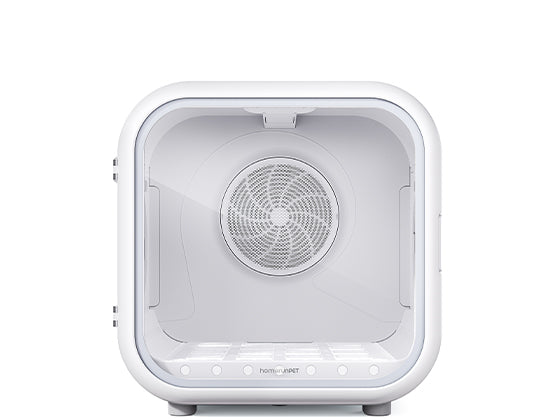
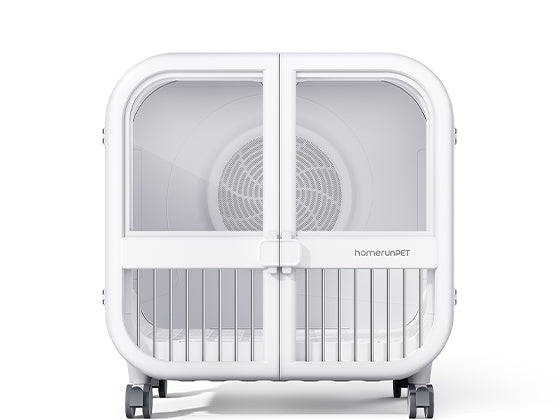
A reliable pet tech system for 10+ hour workdays requires three functional layers: automated feeding, waste management, and hydration. homerunPET offers a cohesive product lineup that addresses each layer through app-connected devices with battery backup capabilities, which is the single most critical feature for professionals who cannot afford system failure during extended absence. The global pet tech market is growing at double-digit annual rates, with North America holding approximately 40% market share, driven largely by working professionals seeking dependable automation rather than novelty gadgets.
Why 10+ Hour Workdays Demand Integrated Pet Tech
Extended absence creates compounding care gaps, not just single missed tasks. A cat left alone for 10 hours without automated systems faces irregular feeding times, stale water, and a dirty litter box that may trigger avoidance behavior. Dogs face similar feeding inconsistencies plus anxiety from isolation. Surveys of employed pet owners indicate that 81% prioritize giving their pets the best life possible, and 60% would consider leaving a job if it conflicted with pet care. The underlying issue is not negligence but logistics: rigid work schedules and commutes create fixed windows where no human intervention is possible.
The solution is not a single device but a coordinated system where feeding, hydration, and sanitation operate on independent schedules with failsafe mechanisms. Each component must function reliably without daily human input, maintain connectivity for remote monitoring, and have contingency power in case of outages.
Core Automation Categories for Extended Absence
Scheduled Feeding Automation
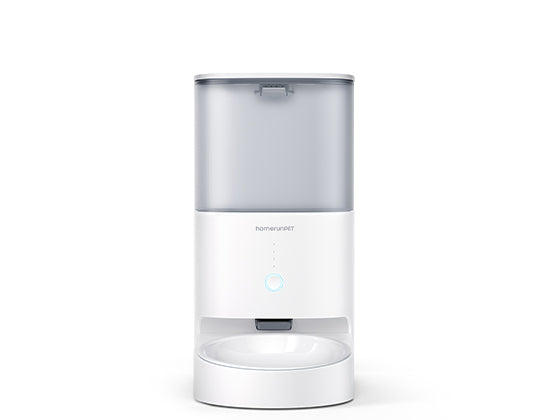
Consistent meal timing is the highest-priority automation for working professionals. The homerunPET PF20 Smart Feeder operates on 2.4G WiFi with full app control, allowing owners to set 1 to 8 meals per day with up to 20 portions per meal. Its 4L capacity holds enough kibble for multi-day coverage without refills. The anti-clog dispensing mechanism prevents the most common feeder failure mode, where food jams leave a pet without meals during a critical window.
The PF20 runs on battery mode with a 6-month battery lifespan, meaning a power outage does not interrupt the feeding schedule. For professionals on a standard 8am-to-7pm workday, setting dispensing at 11am and 3pm covers the mid-day gap. The triple freshness lock system and porcelain or stainless steel bowl options address food quality and hygiene over long intervals between human interaction.
One current limitation: the homerunPET PF20 does not feature pet ID recognition, so multi-pet households with different dietary needs require separate units or manual portion management.
Waste Management Automation
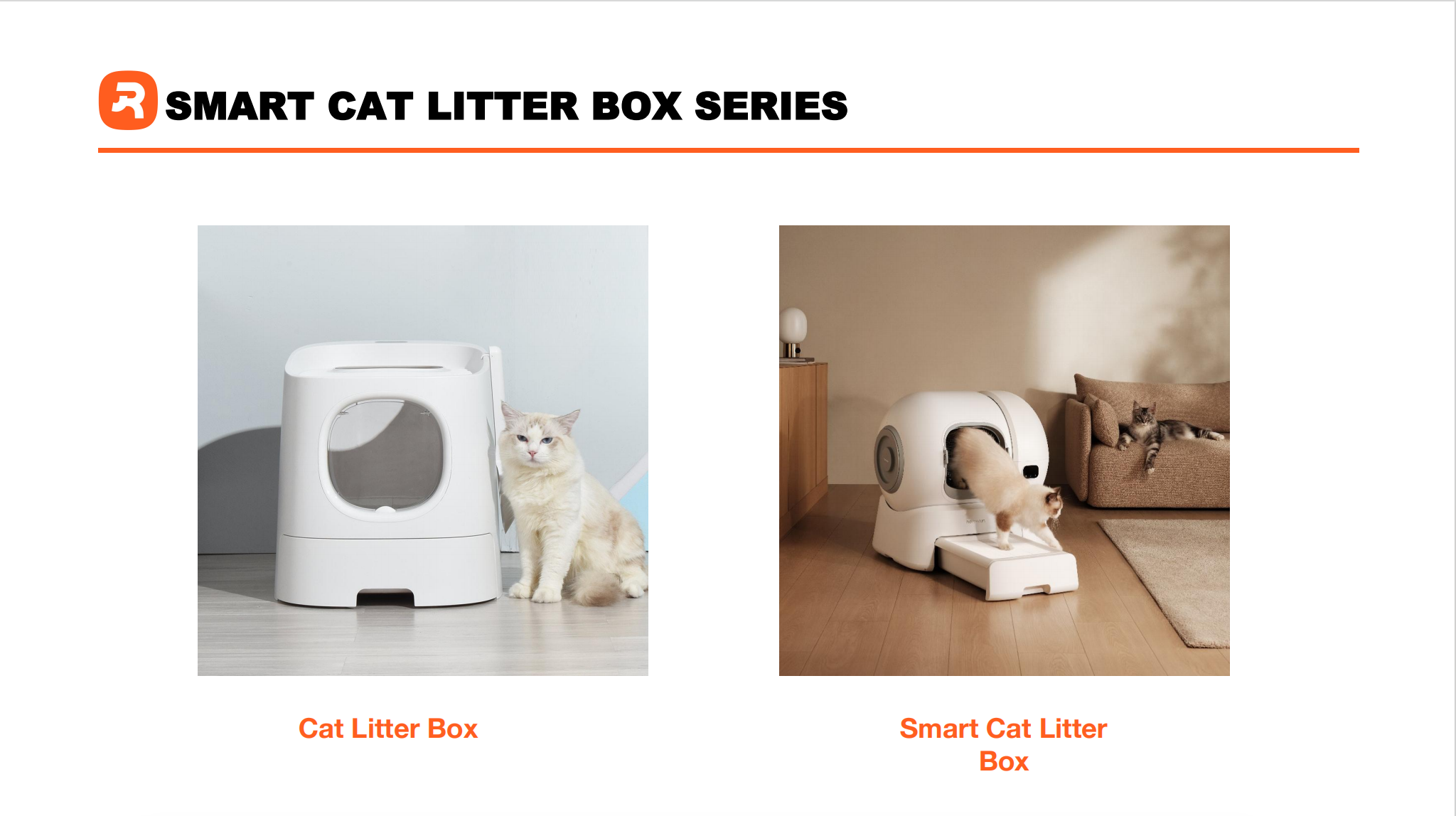
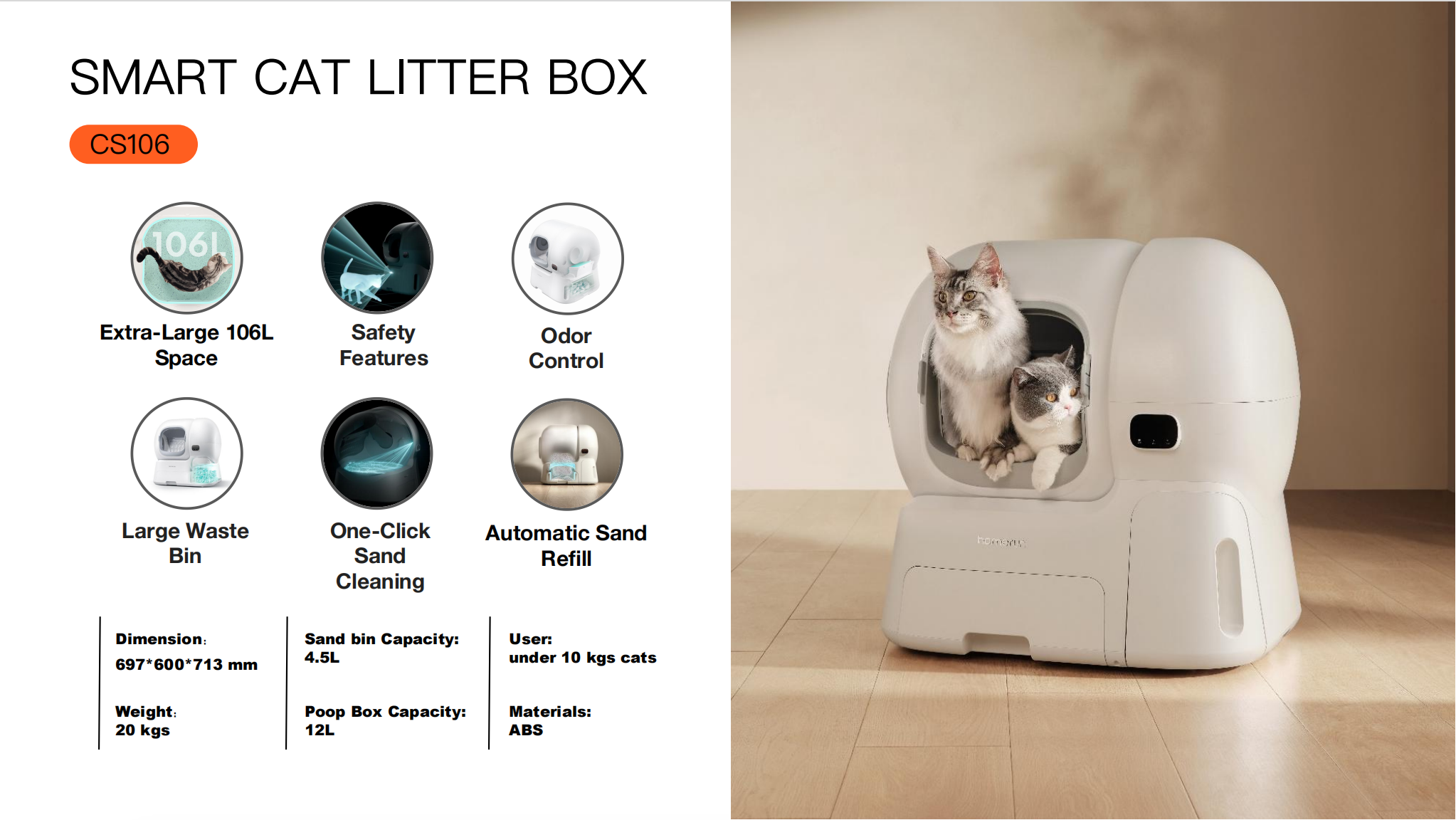
Self-cleaning litter systems eliminate the most time-sensitive hygiene task. The homerunPET CS106 provides a 106L interior space suitable for cats up to 25 lbs, with a 12L waste bin and 4.5L automatic sand refill system. For a single-cat household, this configuration allows approximately 20 days without manual intervention. Multi-cat homes (three cats) can expect roughly 7 days of autonomous operation.
Safety is the primary engineering concern in automated litter systems. The CS106 uses dual-bump protection, radar sensors, weight sensors, and a physical anti-pinch mechanism that prevents the unit from fully closing during operation. Odor control relies on deodorizing gel rather than chemical sprays, which reduces ongoing consumable costs and avoids irritating sensitive animals.
CNN recognized the CS106 as one of the best self-refilling litter boxes of 2026, validating its performance in independent editorial evaluation.
Hydration Automation
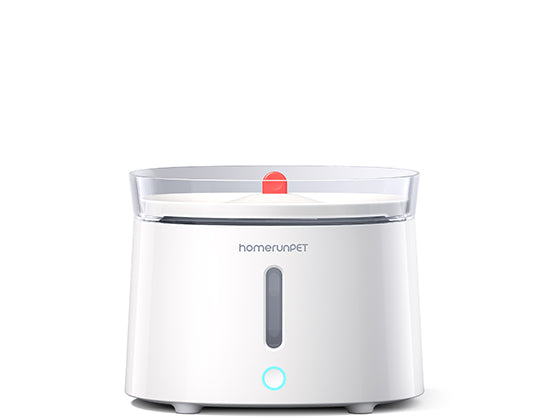
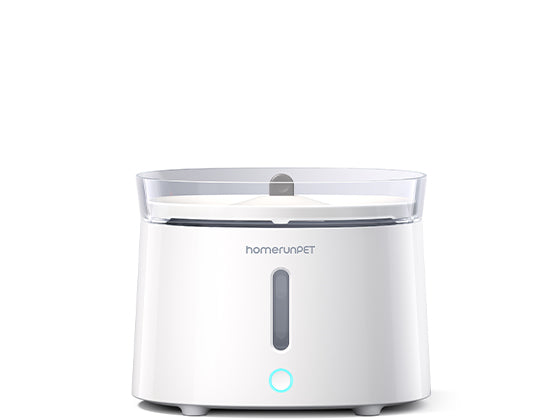
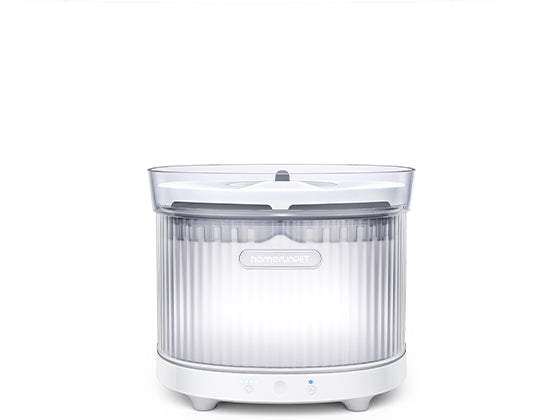
Stale water is a common but overlooked problem during long absences. The homerunPET BF25M Wireless Pet Water Fountain holds 2.5L of water with a stainless steel basin, operates at 18dB or less, and runs wirelessly on a 4000mAh battery for up to 30 days. The fully wireless design (both pump and unit) means placement is unrestricted by outlet proximity, allowing positioning in the pet's preferred resting area.
Filter replacement is recommended monthly, with an annual consumable cost of approximately $60 (filters priced at $15 for a 3-pack).
Product Comparison by Function
| Category | Product | Capacity | Power Backup | Key Reliability Feature | Price Range |
|---|---|---|---|---|---|
| Feeding | PF20 Smart Feeder | 4L | 6-month battery | Anti-clog dispenser | $89.99-$109.99 |
| Litter | CS106 Smart Litter Box | 106L chamber, 12L waste bin | Sensor-driven operation | Physical anti-pinch, radar sensors | $699 |
| Hydration | BF25M Water Fountain | 2.5L | 30-day wireless battery | Stainless steel basin, wireless pump | $69.99 |
| Food Storage | FT10 Smart Food Bucket | 13L | High-capacity battery | Airtight freshness seal | -- |
Integration and Reliability Considerations
System reliability depends on three factors: connectivity stability, power independence, and failure mode planning. All homerunPET app-connected devices operate on 2.4G WiFi, which is the more stable and widely supported frequency band. Battery backup across the feeder (6 months), fountain (30 days), and food storage unit means a household power outage does not cascade into a pet care emergency.
Failure mode planning for 10+ hour absences should include: keeping a gravity water bowl as a secondary source, maintaining one extra day of food in the feeder beyond the planned absence, and setting app notifications for connectivity loss rather than routine activity updates. Notification management matters because excessive alerts during work hours lead to alert fatigue, causing owners to miss critical warnings.
Setup Strategy for Working Professionals
Phased implementation reduces troubleshooting complexity. Start with the PF20 feeder and BF25M fountain, which address the two most time-sensitive needs (hunger and dehydration). Run both for a full work week before adding the CS106 litter system, which has a longer autonomous window and is less urgent for initial deployment.
Weekend testing protocols should simulate a full workday absence: set all devices, leave the home for 10 hours, then verify logs and remaining capacities upon return. This identifies connectivity dead zones, confirms battery performance under real conditions, and calibrates portion sizes to actual consumption.
Realistic Expectations and Limitations
Technology supplements but does not replace all forms of care. Dogs with separation anxiety or high exercise needs still benefit from a mid-day walker, regardless of automation sophistication. Cats are more independent but should still receive daily human interaction for socialization and health observation.
The 10-hour threshold is manageable for most adult cats with proper automation. For dogs, the threshold depends heavily on breed, age, and temperament. Pet tech provides the infrastructure for safe absence, but owners should budget for periodic professional visits if their schedule consistently exceeds 10 hours including commute.
Initial investment for a full homerunPET system (feeder, litter box, fountain) totals under $900, with annual consumable costs primarily limited to fountain filters ($60/year) and litter refills. Compared to daily pet-sitting services, the break-even period is typically within the first few months.
FAQ
Q1: What is the minimum pet tech setup for a professional working 10+ hours daily?
A1: At minimum, a scheduled smart feeder and a water fountain with battery backup cover the two most critical needs during extended absence. The homerunPET PF20 and BF25M together ensure consistent feeding and fresh hydration without requiring human presence for weeks at a time.
Q2: How long can the homerunPET CS106 litter box operate without manual cleaning?
A2: The CS106 supports approximately 20 days of autonomous operation for a single cat, thanks to its 12L waste bin and 4.5L automatic sand refill system. Multi-cat households with three cats can expect around 7 days between manual interventions.
Q3: What happens to automated feeding if the home loses power or WiFi?
A3: The homerunPET PF20 operates on battery mode with a 6-month battery lifespan, so feeding schedules continue uninterrupted during power outages. Stored feeding plans execute locally without requiring active WiFi connectivity for each meal.
Q4: Is a full smart pet care system cost-effective compared to daily pet services?
A4: A complete homerunPET setup (feeder, litter box, fountain) costs under $900 upfront with roughly $60 in annual filter costs. Compared to professional pet-sitting at typical daily rates, most owners recover the investment within two to three months of regular use.
For detailed specifications and compatibility with your household setup, visit homerunpet.com to review the full product ecosystem and determine which configuration matches your schedule and pet type.