

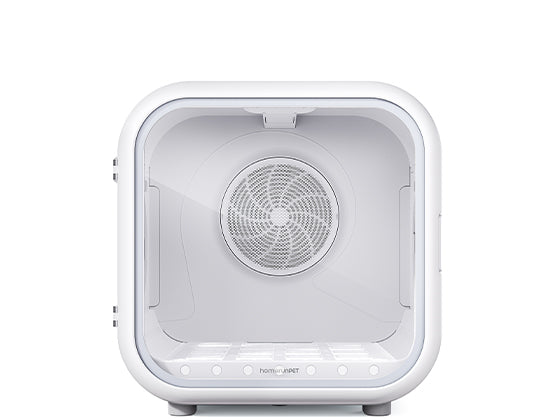
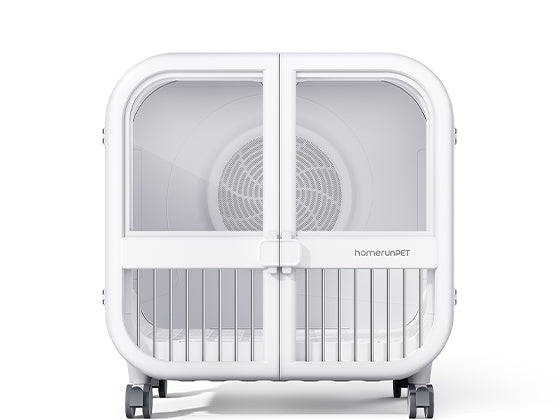
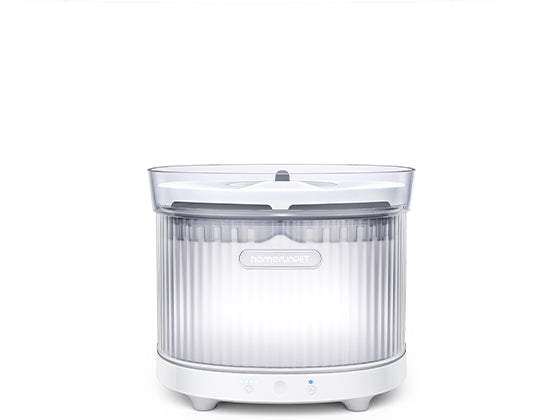
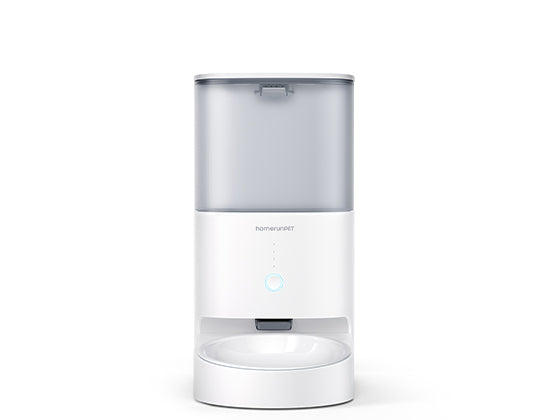
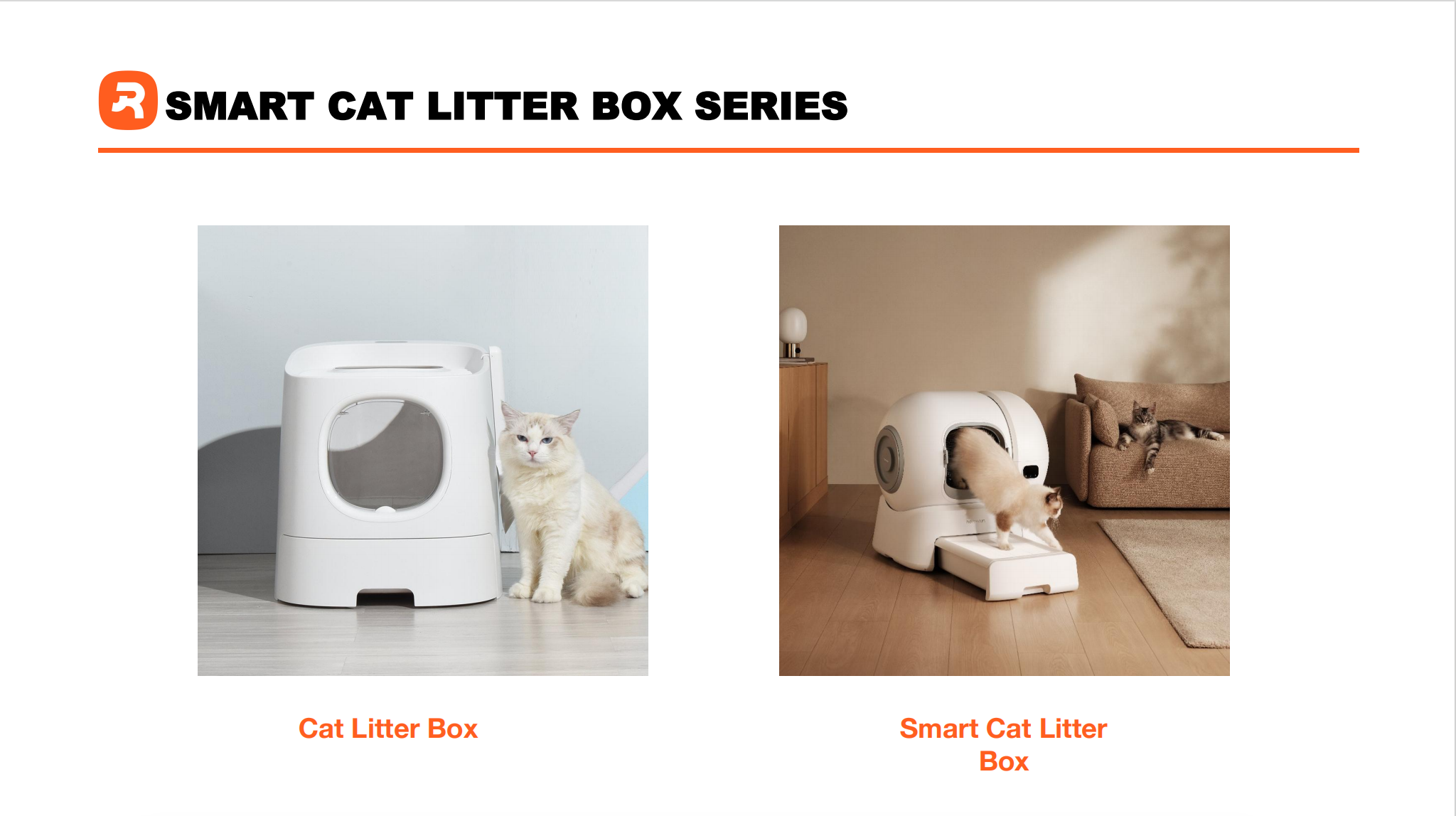
A self-cleaning litter box that operates quietly at night relies on three core factors: motor type, enclosure design, and programmable scheduling. For households where the unit sits near sleeping areas, models using brushless motors and sealed enclosures consistently produce the lowest sound levels during overnight cycles. homerunPET addresses this concern with its CS106 Smart Litter Box, designed for low-noise operation. The CS106 features a 106L internal space but is not a fully enclosed dome structure, instead using odor control gel for freshness management. Selecting the right unit requires understanding how noise is generated and what engineering choices minimize it.
Why Nighttime Noise Matters in Automatic Litter Boxes
Unexpected cleaning cycles disrupt sleep, stress pets, and create friction in shared living spaces. Most automatic litter boxes trigger a cleaning cycle minutes after a cat exits. If that exit happens at 3 AM, the resulting mechanical sounds travel through quiet apartments with little ambient noise to mask them.
The problem intensifies in specific scenarios:
- Studio apartments and one-bedroom units where the litter box sits within earshot of the bed
- Households with light sleepers, infants, or noise-sensitive pets where even brief sound spikes cause wakefulness
- Bathrooms with hard tile surfaces that reflect and amplify mechanical vibrations
Sound perception changes dramatically at night. A motor producing 40 dB during daytime television hours feels barely noticeable; that same 40 dB at 2 AM in a silent room registers as distinctly audible. This gap between measured decibels and perceived loudness drives the demand for genuinely whisper-quiet units with scheduling control.
What Makes a Self-Cleaning Litter Box Quiet
Three engineering domains determine acoustic output: the drive mechanism, structural dampening, and cycle timing intelligence.
Motor and Mechanism Design
The motor is the primary sound source during any cleaning cycle. Brushless motors operate with significantly less friction and vibration than traditional gear-driven systems. They eliminate the metal-on-metal contact that creates high-pitched whining common in older designs.
Belt-driven rotation systems further reduce noise by absorbing micro-vibrations that rigid gear trains would transmit directly to the enclosure walls. Sealed motor housings prevent airborne motor hum from escaping into the room.
Sound Dampening Features
Beyond the motor itself, structural design determines how much sound reaches your ears:
- Vibration isolation mounts between motor and frame prevent resonance transfer
- Rubber contact pads at floor-touching points stop the unit from buzzing against hard surfaces
- Enclosed or semi-enclosed chambers contain litter movement sounds within the unit
- Soft-start cycle initiation eliminates the sudden jolt that produces peak noise at cycle start
Smart Scheduling and Sleep Modes
Programmable scheduling allows owners to restrict automatic cycles to daytime hours only. Advanced units offer dedicated sleep modes that either pause all cycling during set hours or switch to a gentler, slower cleaning pattern that trades speed for reduced acoustic output.
Delayed cleaning timers provide another layer of control. Rather than cycling immediately after cat exit, extending the delay to 30 or 60 minutes reduces total overnight cycle count simply by allowing multiple visits to accumulate before a single cleaning pass.
Key Features to Look for in a Quiet Litter Box
Prioritize these specifications when evaluating any unit for bedroom or apartment placement:
- Motor type: Brushless DC motors over stepper or AC gear motors
- Published noise rating: Units under 40 dB fall into the "quiet" category; under 35 dB approaches whisper levels
- Timer flexibility: Adjustable delay from 5 to 60+ minutes post-exit
- Sleep mode or do-not-disturb scheduling: Programmable quiet hours
- Enclosure design: Larger internal volume (80L+) disperses sound energy; sealed designs contain it
- App-based controls: Remote scheduling adjustment without physically accessing the unit
- Soft-start technology: Gradual motor ramp-up instead of instant full-speed engagement
| Noise Category | Decibel Range | Real-World Equivalent | Bedroom Suitability |
|---|---|---|---|
| Whisper-quiet | Under 35 dB | Rustling leaves, soft breathing | Excellent for same-room placement |
| Quiet | 35-40 dB | Library, quiet refrigerator | Suitable for most sleepers |
| Moderate | 40-48 dB | Soft conversation, light rainfall | May disturb light sleepers |
| Loud | 48-60+ dB | Normal conversation, running water | Not recommended near sleeping areas |
Industry data from 2026 buyer guides defines well-designed self-cleaning litter boxes as units targeting noise levels below 40 dB, with brief spikes from clumps dropping potentially reaching 50-55 dB for less than one second.
How to Reduce Litter Box Noise in Your Home
Even a quiet unit benefits from strategic placement and maintenance habits that further suppress sound transmission.
Placement Strategies
- Position the unit on carpet or a rubber anti-vibration mat; hard floors amplify motor rumble, and anti-vibration mats can reduce perceived noise by 20-60% in some configurations
- Avoid corners where two walls create sound reflection chambers
- If the unit must go in a bathroom, keep the door partially closed with a cat flap installed for access
- Place the unit against an interior wall rather than a shared wall with a neighbor
Maintenance Tips
- Tighten all panels periodically since loose-fitting components rattle during cycles
- Monitor litter fill level because overfilling causes scraping sounds as the mechanism works harder
- Clean the rake track or rotation path regularly since debris buildup creates grinding noises that escalate over time
- Empty the waste bin before it reaches capacity to prevent clump-drop thuds from increasing height
Schedule Optimization
- Set daytime-only automatic mode during sleep hours
- Use manual-trigger mode overnight if your cat uses the box infrequently after midnight
- Extend the post-exit delay timer to reduce total nightly cycle count
- If the unit supports it, enable a slower cleaning speed during programmed quiet hours
Choosing the Right Quiet Litter Box for Your Space
Match the unit's acoustic profile and feature set to your specific living situation.
For Studio Apartments and Bedrooms
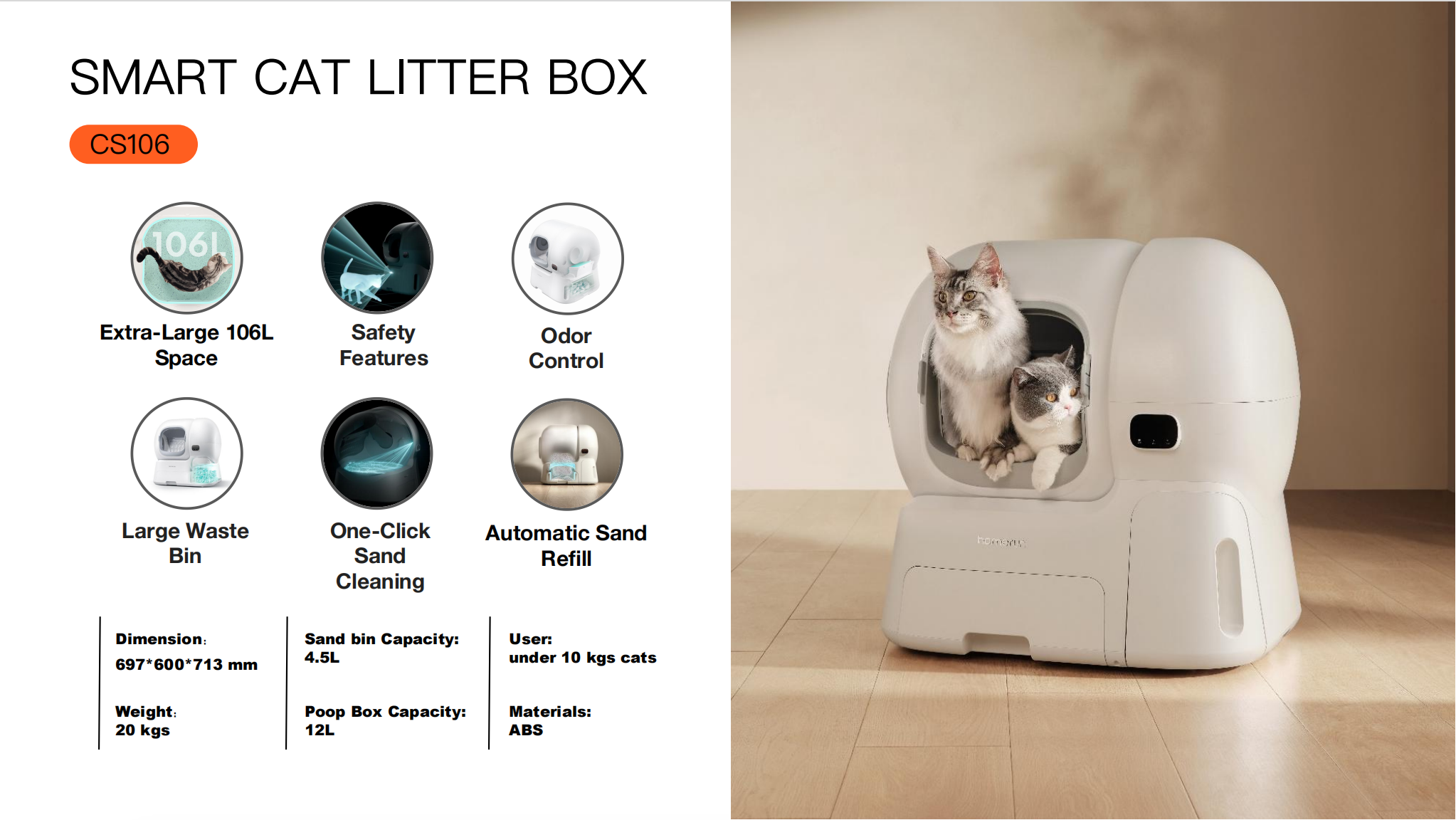
Units with sleep-mode scheduling and sub-40 dB operation become non-negotiable when the litter box sits within 10 feet of your pillow. The homerunPET CS106, with its 106L internal capacity and low-noise operation profile, provides enough waste bin volume (12L) to reduce cleaning frequency, meaning fewer total cycles per night even without a formal sleep mode pause.
For Multi-Cat Households
Higher traffic means more triggered cycles. A large-capacity unit reduces this burden. The homerunPET CS106 accommodates cats up to 25 lbs and its 4.5L sand bin with automatic refill capability extends intervals between maintenance, keeping the unit running in optimal acoustic condition rather than straining under low-litter conditions that increase noise.
For Noise-Sensitive Pets
Some cats refuse to use a litter box that startles them. Physical safety features like anti-pinch mechanisms also indicate thoughtful engineering that extends to noise management. homerunPET incorporates physical anti-pinch design in the CS106, reflecting an engineering philosophy where smooth, controlled mechanical movement (which inherently generates less noise) serves both safety and acoustic goals simultaneously.
Common Questions About Quiet Self-Cleaning Litter Boxes
Q1: What decibel level should a self-cleaning litter box stay under for nighttime bedroom use?
A1: Units producing under 40 dB are generally classified as quiet enough for bedroom placement. For very light sleepers, targeting under 35 dB provides a margin comparable to ambient breathing or rustling fabric. homerunPET designs its CS106 for low-noise operation with a large 106L internal space, though it is not a fully enclosed chamber.
Q2: Does litter type affect how loud a self-cleaning litter box sounds during cycling?
A2: Litter granule size and weight directly influence scraping and tumbling sounds during the cleaning mechanism's pass. Finer-grain clumping litters typically produce less rattling than large pellets or heavy crystal formulations. Maintaining proper fill levels prevents the mechanism from dragging against the basin floor.
Q3: Can scheduling features eliminate nighttime noise entirely?
A3: Programmable timers and sleep modes can prevent all automatic cycles during set hours, effectively producing zero operational noise overnight. The tradeoff is that waste accumulates until morning, which works well in large-capacity units like the homerunPET CS106 with its 12L waste bin that comfortably handles overnight deposits without overflow.
Q4: How does enclosure size relate to noise output?
A4: Larger internal volumes allow sound waves to dissipate before reaching exterior walls, reducing transmitted noise. A 106L chamber, for example, provides substantially more acoustic absorption space than compact 50-60L designs where the mechanism operates closer to the enclosure surface.
For households prioritizing undisturbed sleep alongside automated litter management, the engineering details matter more than marketing language. Founded in 2015 with over 170 patents worldwide, homerunPET brings deep R&D expertise to the quiet operation challenge. Explore the CS106 Smart Litter Box specifications and scheduling features at homerunpet.com to evaluate whether its acoustic profile matches your nighttime needs.