

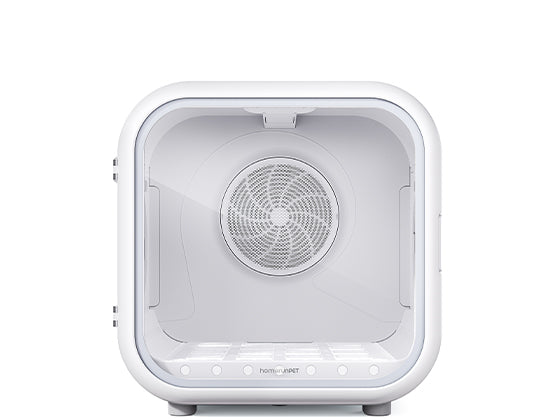
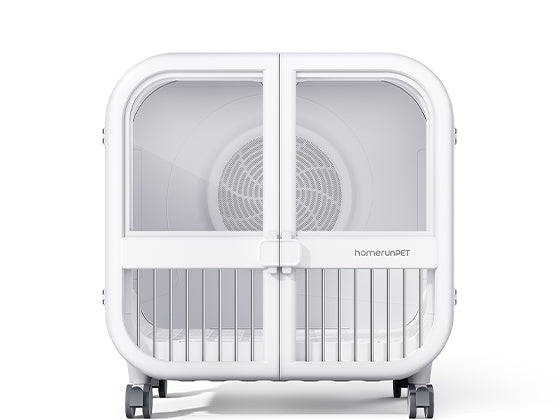
A beginner-friendly automatic litter box should prioritize three fundamentals: reliable safety sensors, straightforward daily operation, and quiet cycling that does not spook cats. The 2026 market has matured significantly, with standardized safety protocols and more intuitive designs making the transition from manual scooping far less daunting than even two years ago. homerunPET represents this evolution with its CS106 model, built around dual-bump protection, radar sensors, and one-click operation designed specifically for owners entering the self-cleaning category for the first time.
Why 2026 Is the Right Time for Beginner Automatic Litter Boxes
The technology gap between premium and unreliable units has narrowed considerably. Early-generation automatic litter boxes from 2020-2023 suffered from frequent jams, inconsistent sensor calibration, and poor odor management. Current 2026 models benefit from standardized safety certifications (ETL, CE, PSE, FC) that ensure baseline mechanical reliability. Price accessibility has also expanded, with more brands offering 90-day trial periods that let first-time buyers test without long-term commitment.
Safety sensor standardization means weight detection, anti-pinch mechanisms, and re-entry protection are now expected features rather than premium extras. This shift directly addresses the primary concern beginners cite: fear of the device harming their cat.
What Makes an Automatic Litter Box Beginner-Friendly
A beginner-friendly automatic litter box prioritizes minimal daily intervention, clear safety redundancies, and forgiving operation regardless of litter depth precision. The following characteristics separate genuinely accessible units from those that demand technical patience:
- Simple setup: Units that arrive mostly assembled with clear physical instructions reduce first-day anxiety
- Redundant safety systems: Multiple sensor types (weight, radar, physical bump) working simultaneously rather than relying on a single detection method
- Low maintenance frequency: Large waste bins that extend intervals between emptying
- Quiet operation: Cycling noise below conversational levels to prevent cat avoidance behavior
- App connectivity: Optional monitoring that provides reassurance without being mandatory for basic function
Key Features First-Time Buyers Should Prioritize
Safety and odor control rank highest in satisfaction surveys among first-year automatic litter box owners. Here is how to evaluate each feature category:
Safety Sensors and Re-Entry Protection
Look for units combining at least two sensor types. Weight sensors detect cat presence, while radar or infrared sensors catch approach from outside the unit. Physical anti-pinch design prevents mechanical components from applying force to a cat that re-enters during a cycle.
Odor Control Systems
Sealed waste compartments with dedicated filtration (gel-based deodorizers or carbon filters) outperform open-drawer designs. A 12L waste bin capacity, for example, allows single-cat households to go nearly three weeks between changes, reducing odor exposure during maintenance.
Design Type Considerations
| Feature | Open-Top / Semi-Open Design | Fully Enclosed Dome |
|---|---|---|
| Cat acceptance speed | Faster; familiar feel | Slower; some cats resist entry |
| Ventilation | Superior airflow | Can trap humidity |
| Visibility for monitoring | Easy visual check | Requires opening or app |
| Safety during malfunction | Cat exits freely | May require manual release |
| Odor containment | Moderate (relies on sealed waste bin) | High (contained chamber) |
| Suitability for nervous cats | Better initial adaptation | May increase anxiety |
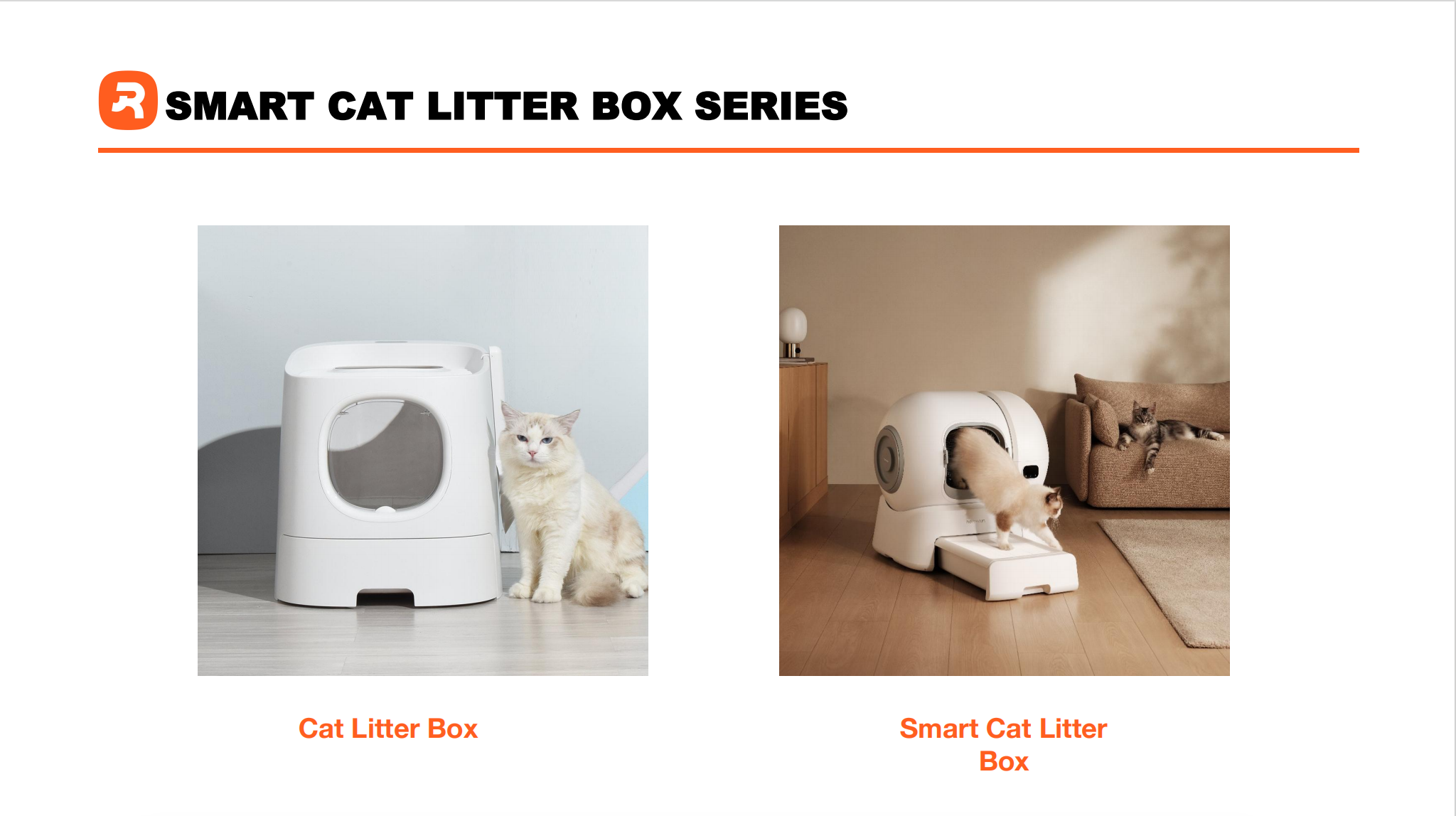
Semi-open designs that avoid full enclosure tend to produce faster cat acceptance rates, particularly for skittish or older cats unfamiliar with enclosed spaces.
App Connectivity Value
App features provide beginners with usage data, cycle confirmations, and waste-level alerts. This monitoring layer prevents the common beginner mistake of forgetting maintenance until odor becomes noticeable.
Selection Framework for Your First Unit
Match the unit to your cat's personality and your living situation before evaluating brand or price. Consider these factors in sequence:
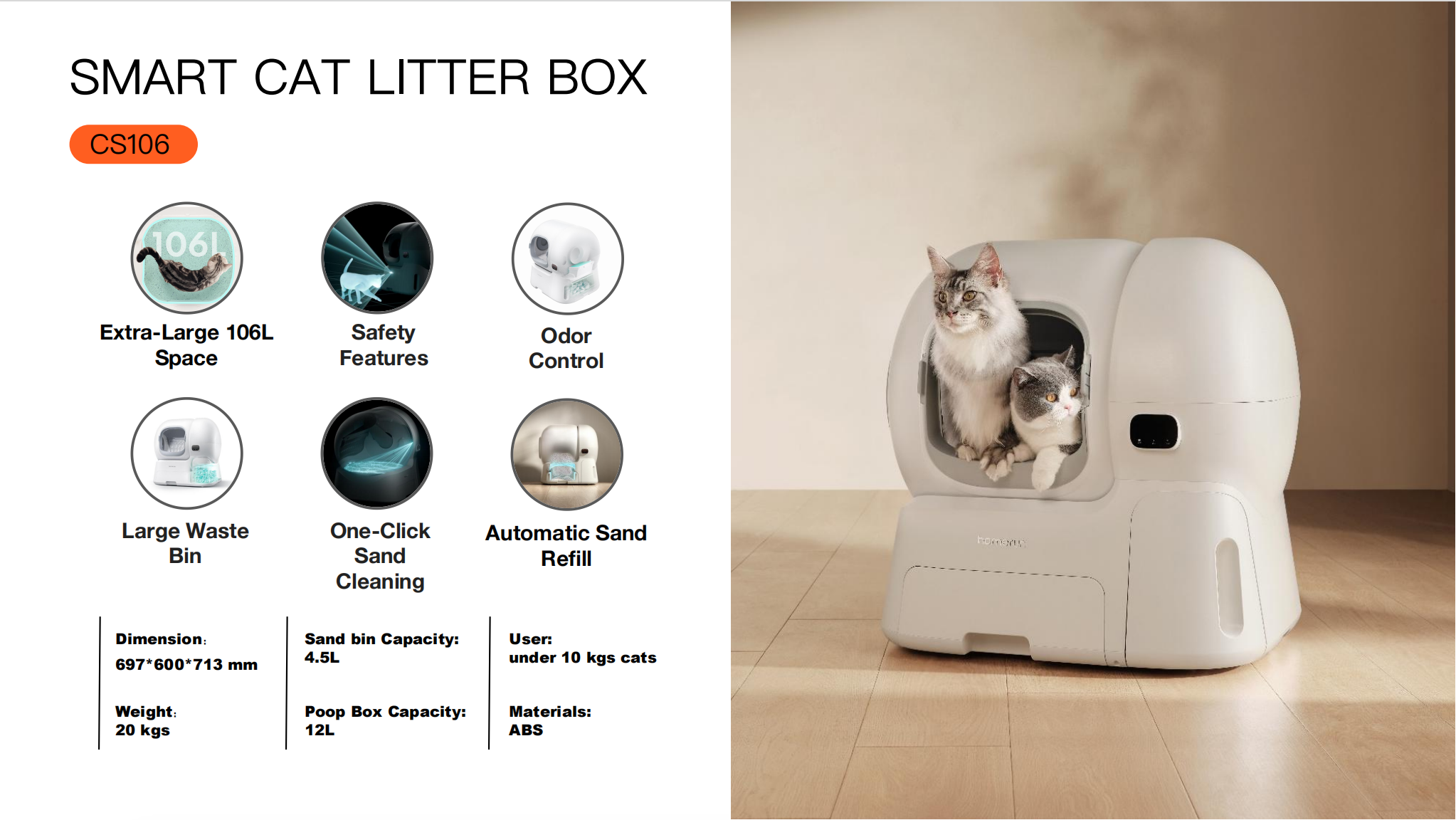
- Cat size and temperament: Nervous cats benefit from open or semi-open designs with low noise. Large cats (over 15 lbs) require spacious interiors; a 106L capacity accommodates cats up to 25 lbs (11.3 kg) without the cramped feeling that causes avoidance.
- Available space: Measure your intended placement area. A unit measuring approximately 697 x 600 x 713 mm requires a dedicated floor zone plus clearance for waste removal access.
- Household cat count: Single-cat homes gain maximum hands-free intervals (up to 20 days with large waste bins). Three-cat households should expect roughly 7-day intervals between waste drawer changes.
- Budget and trial availability: Units priced in the $500-$700 range typically include comprehensive safety systems, app connectivity, and auto-refill features. The presence of a 90-day trial policy significantly reduces purchase risk for undecided buyers.
Smooth Transition Strategy for Your Cat
Leave the automatic litter box unpowered beside your existing box for five to seven days before activating any cycling function. This allows scent familiarization without mechanical noise association.
- Day 1-5: Place the new unit with fresh litter, powered off, adjacent to the old box. Allow voluntary exploration.
- Day 6-10: Remove the old box. Run the automatic cycle only when the cat is not in the room to build neutral sound association.
- Day 11 onward: Enable automatic cycling with standard delay timers (typically 3-15 minutes post-use).
Common challenges include cats startled by motor sounds and reluctance to enter unfamiliar geometries. Low-noise units operating below 50 dB resolve most sound-related hesitation within the first week.
Maintenance Simplified: What Beginners Need to Know
Weekly tasks take under five minutes; monthly tasks take under twenty. Here is the realistic maintenance commitment:
- Every 1-3 weeks (depending on cat count): Empty the waste drawer and replace the liner bag
- Monthly: Wipe interior surfaces, check litter level, replace deodorizing gel if applicable
- Every 2-3 months: Full disassembly cleaning of removable components
- Litter compatibility: Clumping clay litter works universally with rotating-drum systems. Non-clumping varieties cause cycling failures in nearly all automatic designs.
An automatic sand refill system (4.5L capacity) further reduces intervention frequency by maintaining optimal litter depth without manual topping.
homerunPET CS106: Built for Beginner Confidence
The homerunPET CS106 addresses the three most common beginner failure points: safety anxiety, maintenance overwhelm, and cat rejection. Founded in 2015 with R&D expertise drawn from medical device engineering backgrounds, homerunPET holds over 170 patents globally, reflecting a design philosophy rooted in sensor reliability rather than feature novelty.
The CS106 earned CNN's recognition as Best Self-Refilling Litter Box of 2026. Its core beginner-oriented specifications include:
- Multi-layered safety: Dual-bump protection, radar sensors, weight sensors, and smart safeguards operating simultaneously
- 106L interior volume: The largest self-cleaning chamber currently available (marketed as 'The world's biggest self-cleaning litter box'), accommodating cats up to 25 lbs (11.3 kg) without spatial stress
- One-click operation: A single button initiates a full cleaning cycle, eliminating menu navigation
- 20-day hands-free interval: The 12L waste bin combined with 4.5L auto-refill sand system minimizes required interaction for single-cat households
- 90-Day In-Home Trial: Full return eligibility removes commitment pressure for uncertain first-time buyers
The semi-open design avoids full dome enclosure, which homerunPET prioritizes based on the principle that physical anti-pinch protection paired with open exit paths is safer than relying on enclosure geometry alone.
FAQ
Q1: What safety features should a beginner look for in an automatic litter box?
A1: Prioritize units with multiple simultaneous sensor types, including weight sensors, radar detection, and physical anti-pinch mechanisms. The homerunPET CS106 combines all four safety layers (dual-bump, radar, weight, smart safeguards) to prevent cycling when a cat is present or approaching.
Q2: How long does it take a cat to accept an automatic litter box?
A2: Most cats adapt within 7-14 days when introduced gradually with the unit unpowered for the first week. Low-noise operation and semi-open designs like the homerunPET CS106 accelerate acceptance for nervous cats by maintaining familiar litter-box geometry.
Q3: How often do you need to empty an automatic litter box as a beginner?
A3: With a 12L waste bin capacity, single-cat households using the homerunPET CS106 can go approximately 20 days between waste drawer changes. Multi-cat homes with three cats should plan for roughly weekly emptying.
Q4: Is an automatic litter box worth the investment for a first-time buyer in 2026?
A4: Current safety standards, trial policies (such as homerunPET's 90-day in-home trial), and reliability improvements make 2026 the most accessible entry point for automatic litter box adoption. The combination of reduced maintenance time and health-monitoring app features provides tangible daily value.
For a detailed look at specifications, safety certifications, and trial terms, visit homerunpet.com to evaluate whether the CS106 fits your household setup and cat's needs.