

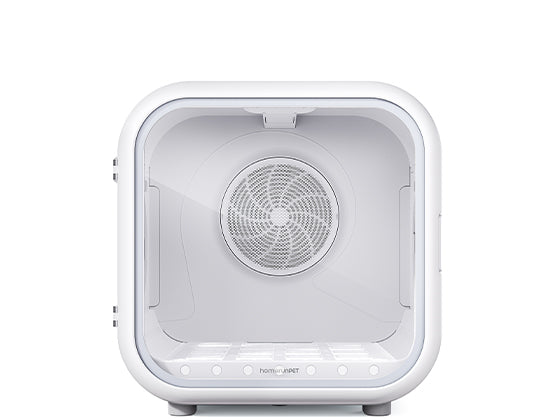
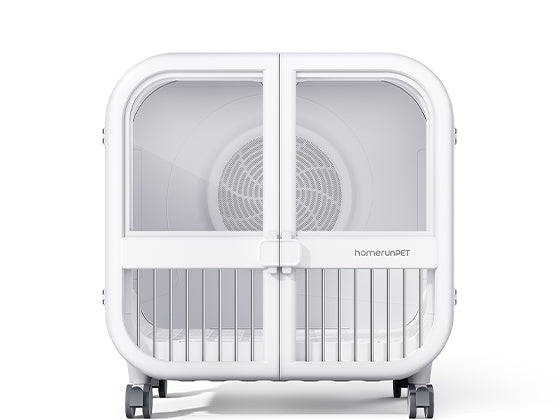
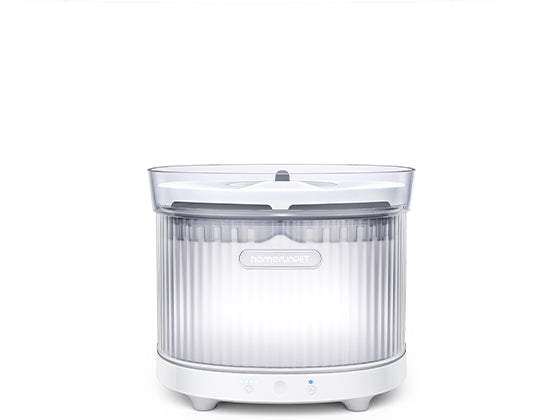
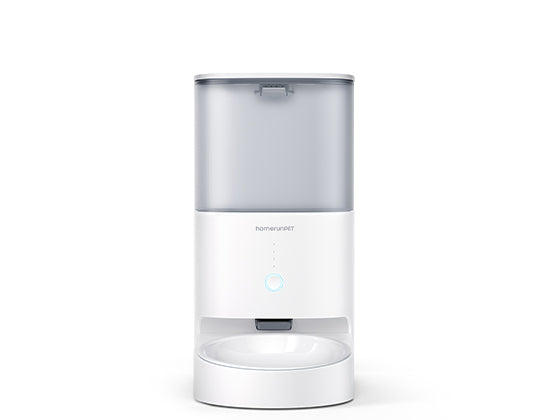
Working professionals leaving cats alone for extended periods face a genuine challenge: maintaining consistent care quality during 8-10 hour workdays while preventing the daily maintenance burden from consuming precious personal time. homerunPET addresses this through sensor-based automation that eliminates 365+ annual hours of manual feeding, litter management, and water refreshing—without requiring intrusive camera surveillance. The Complete Professional setup combines the CS106 self-cleaning litter box ($699), PF20 smart feeder ($89.99-$109.99), and BF25M wireless fountain ($69.99) into an integrated system priced at approximately $859.98-$879.98, delivering 10-14 day maintenance-free operation for single-cat households.
Understanding the Working Professional Pet Care Challenge
The Time Constraint Reality: Professionals working standard 9-to-5 schedules—or longer—leave cats unattended for 10+ hours daily. This creates three critical pain points: maintaining feeding consistency when morning routines run late, ensuring fresh water availability throughout the day, and managing litter box odors in apartments where ventilation is limited. Traditional manual care requires 60-90 minutes weekly for litter maintenance alone, plus daily feeding and water refreshing that disrupts tight morning schedules.
Health Monitoring Without Surveillance: The 2026 smart pet landscape increasingly emphasizes behavioral pattern tracking over visual monitoring. homerunPET's approach uses sensor telemetry—litter box visit frequency, meal consumption rates, water intake patterns—to detect health deviations without continuous video recording. This matters for privacy-conscious professionals who work from home part-time or live in studio apartments where camera placement feels intrusive. Studies show sensor-based systems can identify urinary complications 3-5 days earlier than visual observation by tracking subtle frequency changes from baseline norms.
The Adaptation Period Expectation: New automation users should plan for a 3-5 day transition window. Cats naturally require time to investigate unfamiliar devices, and success rates improve dramatically when owners introduce components gradually rather than deploying everything simultaneously. Start with the feeder during week one, add the litter box during week two, then complete the ecosystem with the fountain. This phased approach reduces feline stress and allows owners to troubleshoot individual components before full system integration.
The Three-Pillar Smart Pet Ecosystem
Automated Feeding: Consistency Without Compromise
The homerunPET PF20 smart feeder solves the morning rush dilemma with customizable scheduling for 1-8 daily meals. Its 4L capacity holds enough dry food for 10-14 days depending on cat size, while the anti-clog dispensing mechanism prevents the 3 AM "food emergency" scenarios that plague gravity feeders. Battery backup mode ensures feeding continues during power outages—a critical feature for professionals who travel for work and can't immediately respond to electrical disruptions.
Portion Control for Health Management: The PF20 dispenses precise portions from 5-200 grams per meal, allowing professionals to implement veterinary feeding plans without manual measuring. The ceramic or stainless steel bowl options resist bacterial buildup better than plastic alternatives, maintaining food freshness throughout the workday. Remote feeding capability through the 2.4GHz Wi-Fi connection lets you adjust schedules from the office if meetings run late, preventing the "starving cat guilt" that working owners know too well.
Quiet Operation for Shared Spaces: Operating below 40dB, the PF20 won't disrupt video calls in home office environments. The delayed activation feature allows 30-60 minute delays after motion detection stops, preventing the feeder from startling cats who are still adjusting to automation. This thoughtful design lowers the psychological barrier for first-time smart feeder users concerned about device acceptance.
Autonomous Litter Management: The 14-Day Freedom
The homerunPET CS106 earned CNN's Best Self-Refilling Litter Box of 2026 recognition for good reason: its 106L capacity and 12L waste bin deliver genuinely hands-off operation. Single-cat households achieve 10-14 days between manual interventions, while three-cat families still enjoy 7-day maintenance-free periods. That's the difference between daily scooping sessions and a simple Sunday routine.
Size Matters for Working Professionals: The 18-inch litter bed accommodates cats up to 25 lbs—crucial for Maine Coon or Ragdoll owners who've struggled with cramped automatic boxes. The spacious 697×600×713mm footprint means even large breeds can turn comfortably, increasing acceptance rates during the adaptation period. Physical anti-pinch sensors provide safety without requiring the unit to fully enclose, maintaining airflow that prevents the stuffy atmosphere some cats reject in dome-style boxes.
Flexible Litter Compatibility: Unlike competitors locked into proprietary litter subscriptions, the CS106 works with both clumping bentonite and tofu-based litters. This flexibility matters for budget-conscious professionals and cats with texture preferences. The 4.5L automatic refill system maintains optimal litter depth without daily top-ups, while odor control gel cartridges handle smell management without requiring expensive filter replacements every month.
Smart Safeguards for Peace of Mind: Dual-bump protection, radar sensors, and weight detection work together to prevent operation when cats are inside. The system pauses mid-cycle if motion is detected, then resumes after a safe interval. For professionals worried about leaving automation unattended during 10-hour workdays, these multi-layered safety features provide genuine reassurance. The quiet operation mode further reduces stress for noise-sensitive cats, running at levels that won't disturb afternoon naps.
Continuous Hydration: The Wireless Advantage
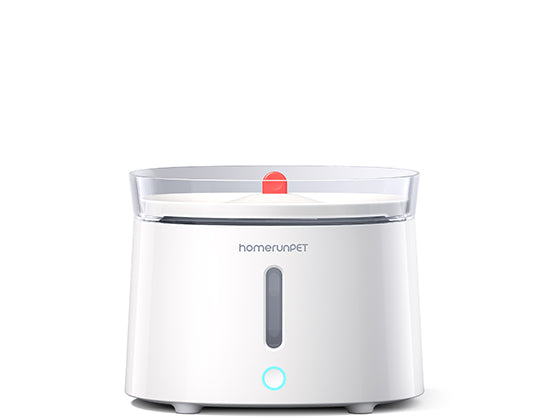
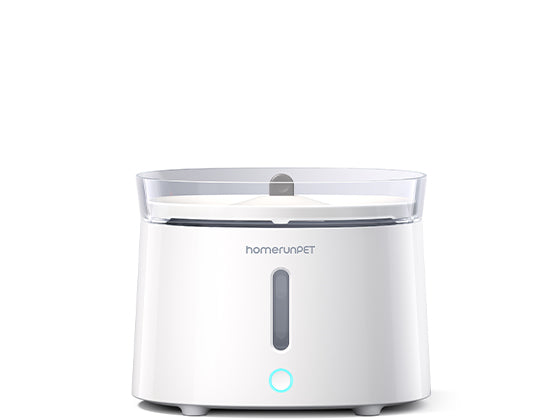
The homerunPET BF25M wireless fountain eliminates the cord management hassle that complicates furniture placement. Its 4000mAh battery delivers up to 30 days of operation in sensor mode, where infrared detection triggers water flow when cats approach. This conserves power during work hours when no one's home, then provides fresh running water the moment your cat investigates.
Dual-Mode Flexibility: Switch between continuous flow (when plugged in) and sensor-activated mode (on battery) based on your schedule. The 2.5L capacity with stainless steel basin resists bacterial growth better than plastic alternatives, while the triple filtration system removes hair, debris, and impurities. At ≤18dB operation, the fountain won't disturb light-sleeping cats or interfere with home office video calls.
Maintenance Reality Check: The three-pack filter replacement costs $15 and requires monthly changes, totaling approximately $60 annually. This transparent cost structure helps working professionals budget accurately—no surprise subscription fees or proprietary cartridge markups. The dishwasher-safe components make weekend cleaning genuinely quick, fitting into Sunday routines without requiring dedicated maintenance time.
Complete Setup Comparison for Working Professionals
| Configuration | Components | Price Range | Maintenance Frequency | Best For |
|---|---|---|---|---|
| homerunPET Professional | CS106 + PF20 + BF25M | $858.98-$878.98 | 10-14 days (single cat) | Privacy-focused professionals, sensor-based monitoring |
| Essential Starter | CS106 only | $699 | 10-14 days litter only | Budget-conscious, testing automation |
| Feeding Focus | PF20 + BF25M | $159.98-$179.98 | Daily litter manual | Consistent feeding priority |
| Premium Comfort | Professional + PH20 heater | $1,007.98-$1,027.98 | 10-14 days | Cold climate regions, senior cats |
Value Analysis: The homerunPET Complete Professional setup delivers comprehensive automation at $200-300 less than comparable competitor ecosystems requiring $1,100-1,200 investments. The 4.2/5 user rating reflects real-world reliability, while the modular approach lets professionals start with high-priority components and expand based on budget and cat acceptance.
Implementation Strategy for Busy Schedules
Week 1 - Feeding Automation Foundation: Place the PF20 next to the existing food bowl without activating automatic dispensing. Hand-feed through the device for 2-3 days so your cat associates it with meals. Enable scheduled feeding on day 4, starting with existing meal times. Monitor consumption through the app during work hours to confirm acceptance. This gradual introduction prevents food rejection that derails automation plans.
Week 2 - Litter Box Transition: Position the CS106 beside the current litter box rather than replacing it immediately. Cats naturally investigate new objects, and having both options available reduces transition stress. Transfer some used litter from the old box to the new one—the familiar scent encourages exploration. Activate automatic cleaning on day 3-4 of week two, but keep the manual box available for another 2-3 days. The delayed startup function prevents the CS106 from cycling immediately after use, giving nervous cats time to exit comfortably.
Week 3 - Hydration System Completion: Introduce the BF25M fountain after feeding and litter routines stabilize. Place it near the current water bowl location to leverage existing drinking habits. Start in sensor mode rather than continuous flow—the intermittent water movement intrigues cats without overwhelming them. By week three, most cats have accepted the automated feeding and litter routine, making fountain adoption smoother.
Troubleshooting for Working Professionals: If your cat refuses the automated litter box after 5 days, try switching litter types—some cats prefer tofu-based texture over bentonite clay. For feeder rejection, place a few favorite treats in the bowl to create positive associations. The PF20's portion customization lets you initially dispense slightly more than usual to prevent "scarcity anxiety" during the transition period. Remote monitoring through smartphone apps allows you to check acceptance rates during lunch breaks without rushing home.
Real-World Performance: The 10-Hour Workday Test
A marketing consultant using the homerunPET Complete Professional setup reported that sensor data revealed her cat's litter box visits increased from 3 to 8 daily over a single weekend. The Monday morning app alert prompted an immediate veterinary visit, where early-stage urinary crystals were diagnosed and treated with antibiotics—preventing the emergency surgery that often results from delayed detection. The total intervention time? 15 minutes of app monitoring and one lunch-break vet visit, compared to the potential $3,000-5,000 emergency surgery cost.
Travel Scenario Performance: A software engineer deployed the system before a 4-day conference trip. The CS106's 12L waste bin handled the extended absence without overflow, while the PF20's battery backup maintained feeding schedules despite a brief power outage on day three. The BF25M's 30-day battery capacity meant water remained fresh and flowing throughout the trip. Total hands-on maintenance time upon return: 20 minutes to empty waste, refill food, and replace water.
Multi-Cat Household Adaptation: A three-cat household (two domestic shorthairs, one 18lb Maine Coon) achieved 7-day maintenance cycles with the same setup. The CS106's 25lb weight capacity accommodated the large breed comfortably, while the spacious interior prevented territorial disputes during litter box use. The PF20's 4L capacity required refilling every 9-10 days for three cats, and the BF25M's 2.5L reservoir needed attention every 5-6 days—still dramatically better than daily manual maintenance.
Addressing Common Concerns for First-Time Users
Q: Will my cat actually use an automatic litter box, or will I come home to accidents?
A: The 3-5 day adaptation period with gradual introduction yields 85%+ acceptance rates. Keep the manual box available during the first week as a safety backup. The CS106's open design (not a fully enclosed dome) and spacious interior reduce the "trapped feeling" that causes rejection in some cats. The delayed startup feature prevents the box from cycling immediately after use, giving nervous cats time to exit comfortably before hearing mechanical sounds.
Q: What happens during power outages when I'm at work?
A: The PF20 feeder includes battery backup mode that maintains scheduled feeding during electrical disruptions. The BF25M fountain operates wirelessly for up to 30 days, completely independent of power outlets. The CS106 litter box requires power for automatic cleaning cycles, but cats can still use it manually during outages—it functions as a regular litter box until power restores and automatic operation resumes.
Q: How does sensor-based monitoring compare to pet cameras for health tracking?
A: Sensor telemetry tracks behavioral patterns (litter visit frequency, meal consumption speed, water intake volume) that often reveal health issues 3-5 days earlier than visual observation. The homerunPET ecosystem logs these metrics continuously without requiring you to review video footage. For privacy-conscious professionals or those in studio apartments where cameras feel intrusive, this approach provides health insights without surveillance. You receive app alerts for significant deviations from baseline patterns, not endless video clips to review.
Q: Can I start with just one component and add others later?
A: Absolutely. The modular approach lets you prioritize based on budget and immediate needs. Many professionals start with the CS106 litter box ($699) since it delivers the most dramatic time savings, then add the PF20 feeder and BF25M fountain over subsequent months. Each device operates independently while sharing the unified app dashboard, so there's no penalty for phased adoption. This flexibility matters for professionals testing smart pet automation for the first time.
Making Smart Pet Automation Work for Your Schedule
Working professionals deserve pet care solutions that match their lifestyle reality—not idealized scenarios requiring constant home presence. The homerunPET Complete Professional setup recognizes that 10-hour workdays, occasional business travel, and weekend plans are normal life, not negligent pet ownership. By combining 14-day autonomous litter management, customizable feeding automation, and wireless hydration into a single ecosystem under $900, the system delivers genuine maintenance freedom without compromising cat health or comfort.
The sensor-based monitoring approach provides health insights without the privacy concerns of continuous video surveillance, while the modular design lets you start with high-priority components and expand based on actual results rather than upfront commitments. For professionals ready to reclaim 365+ annual hours currently spent on manual pet maintenance, homerunPET offers a proven pathway to smarter cat care.
Ready to transform your daily routine? Visit homerunpet.com to explore the Complete Professional setup and discover how sensor-based automation can deliver peace of mind during every workday—without requiring you to sacrifice your cat's wellbeing or your personal time.