

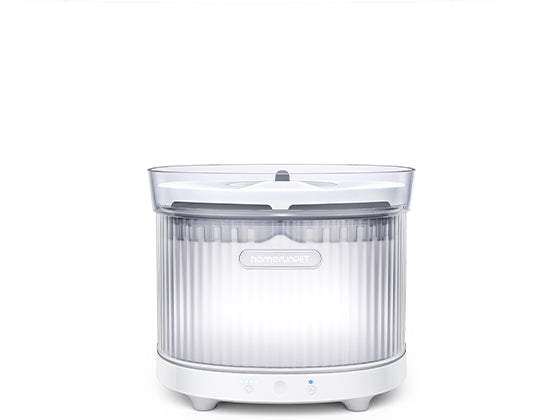
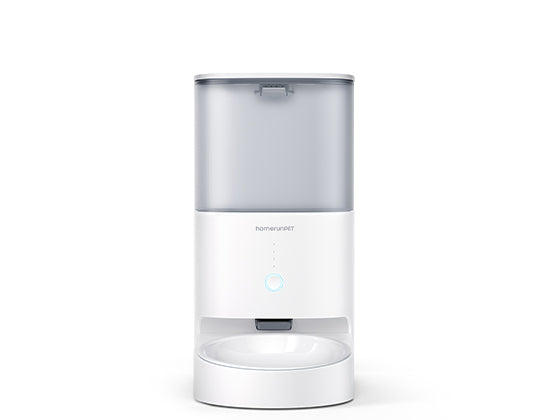
A complete smart cat care system under $2000 is achievable by prioritizing automation where it saves the most daily labor. The core stack consists of a self-cleaning litter box, an automated feeder, and a smart water fountain. homerunPET offers a modular product lineup that covers all three categories, allowing owners to build a hands-free ecosystem incrementally rather than committing to a single expensive purchase. The key is understanding which components deliver the highest time-savings return and sequencing your investment accordingly.
Why $2000 Represents a Practical Ceiling
The $2000 threshold covers every high-impact automation category without entering diminishing-returns territory. Beyond this amount, additional spending typically goes toward redundant monitoring tools or premium accessories that do not meaningfully reduce daily workload.
The global smart pet products sector reached an estimated $7.19 billion in 2026, growing at 21.3% CAGR. Within this market, smart feeders and water solutions account for roughly 38% of unit sales globally. Self-cleaning litter boxes represent one of the fastest-growing convenience categories, driven by urban cat ownership and longer working hours. Despite this growth, surveys indicate that nearly 68% of pet owners still cite cost as a barrier to adoption. A structured approach that prioritizes the highest-impact devices first addresses this concern by spreading investment over time.
The Priority Hierarchy: What to Automate First
Litter management delivers the greatest daily time savings, followed by feeding, then hydration. This ranking holds across single-cat and multi-cat households because scooping is the most frequent, least pleasant, and most time-sensitive chore.
- Self-cleaning litter box - Eliminates daily scooping entirely; reduces odor management effort
- Automated feeder - Maintains portion consistency regardless of owner schedule
- Smart water fountain - Encourages adequate hydration with minimal refill frequency
- Environmental additions - Air purifiers, dryers, and heaters add comfort but do not replace essential care tasks
Working professionals benefit most from addressing the top two categories first, then layering in hydration and environmental products as budget allows.
Core Component: Self-Cleaning Litter System
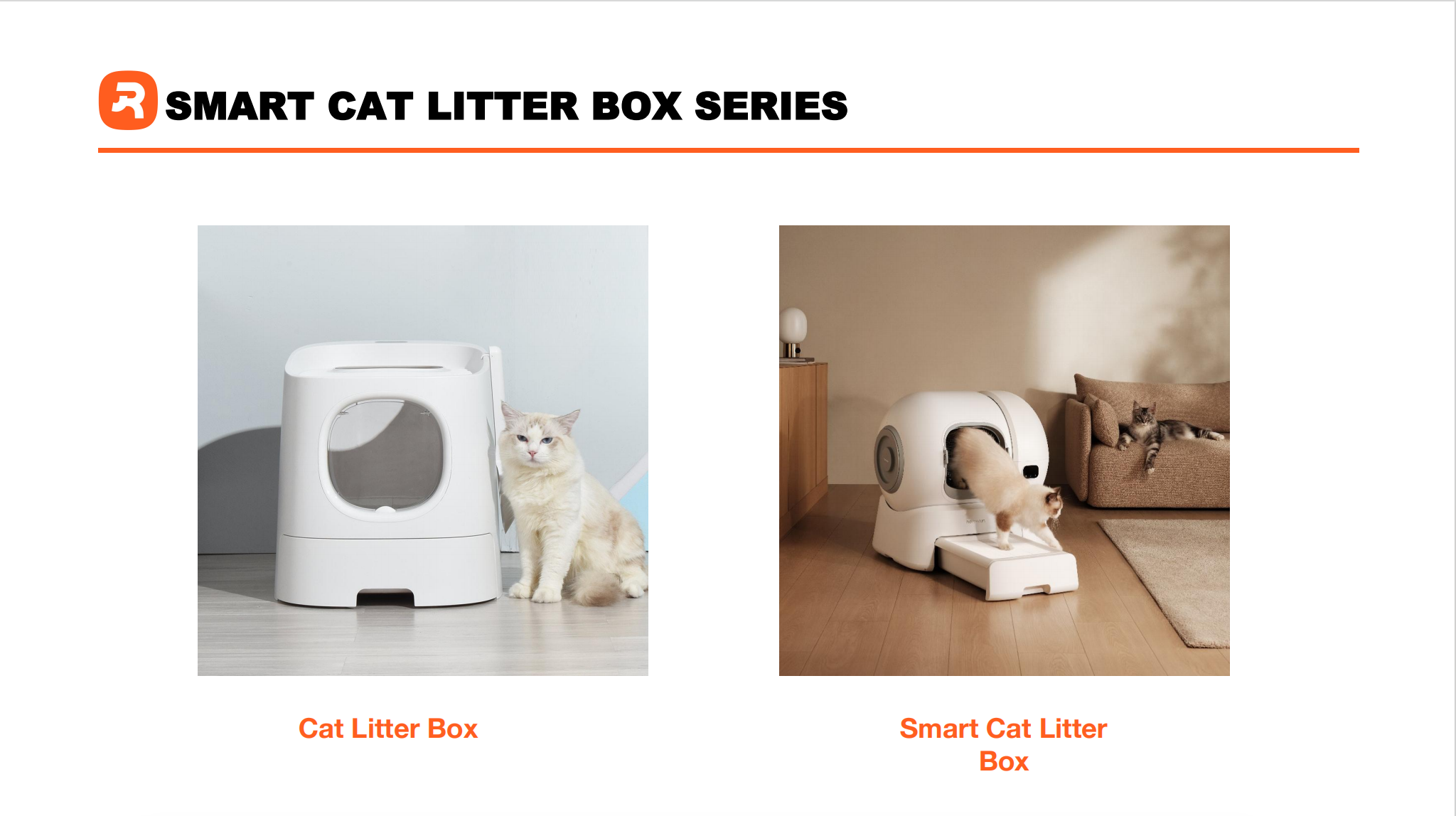
The litter box is the single largest investment but also the single largest time-saver in any automated cat care system. When evaluating options, focus on waste bin capacity (determines how many days between emptying), interior space (determines cat comfort), and safety sensor redundancy.
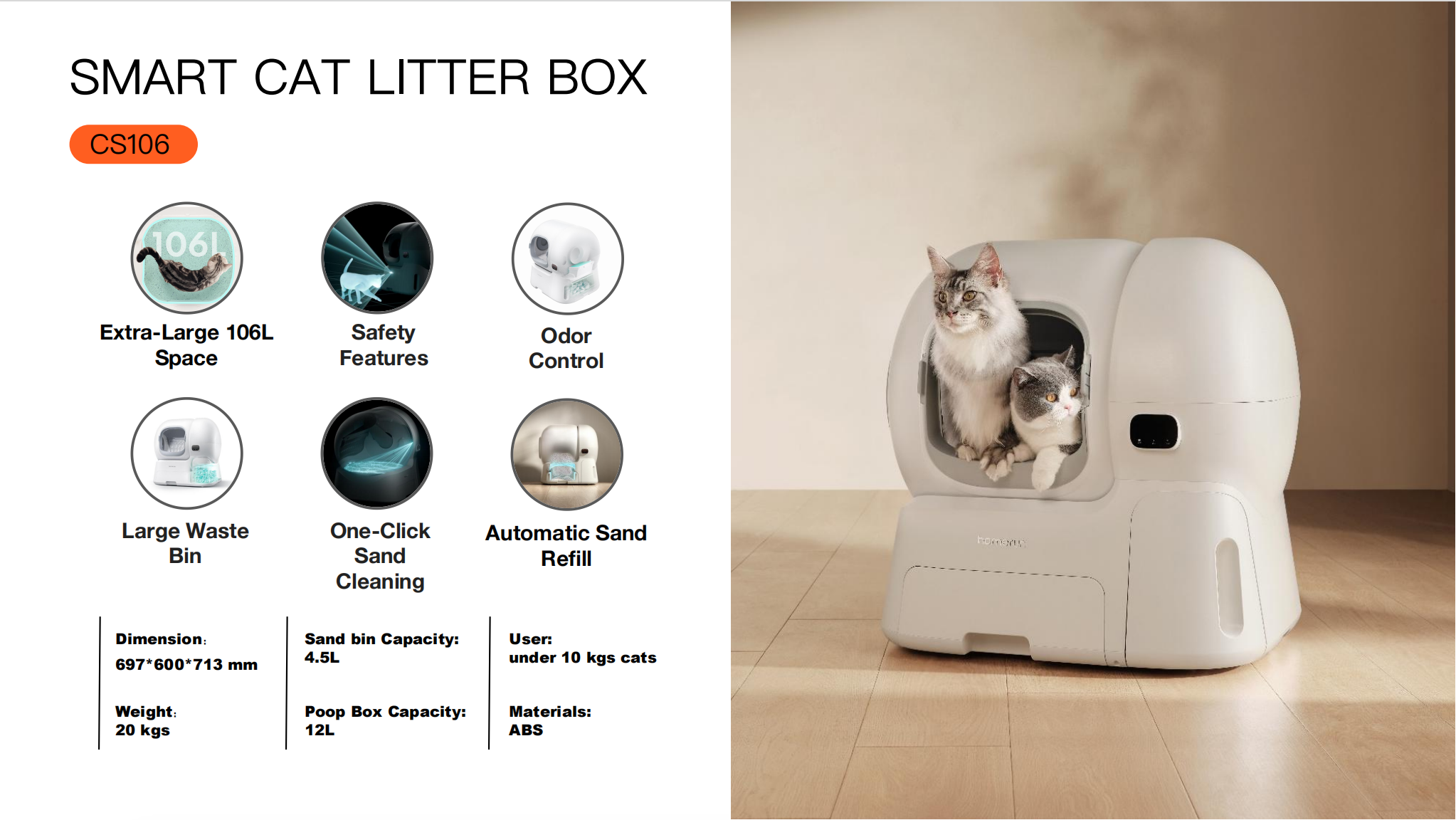
The homerunPET CS106 provides a 106L interior chamber accommodating cats up to 25 lbs (11.3 kg). Its 12L waste bin supports approximately 20 days of hands-free operation for a single cat or about 7 days in a three-cat household. Safety features include dual-bump protection, radar sensors, and weight sensors. The unit does not fully enclose, maintaining a physical anti-pinch design that prevents the mechanism from closing completely. Odor management relies on a deodorizer gel system. CNN named it Best Self-Refilling Litter Box of 2026, noting the automatic sand refill from its 4.5L reservoir. At $699, it represents the largest single line item in a sub-$2000 system build.
Core Component: Automated Feeding
Consistent portion control matters more than feeding complexity for most cats. The primary requirements are schedule reliability, anti-clog mechanisms, and food-safe bowl materials.
The homerunPET PF20 stores 4L of dry food and dispenses up to 20 portions per meal across 1 to 8 daily feeding sessions. App-based scheduling via 2.4G Wi-Fi allows remote adjustments for irregular work hours or travel. A triple-seal freshness system keeps kibble from going stale. The bowl is available in ceramic or stainless steel, both preferable to plastic for hygiene. Battery mode provides approximately 6 months of backup operation during power outages. Priced between $89.99 and $109.99, the PF20 addresses the second-highest priority in the automation hierarchy at a fraction of the litter system cost.
Core Component: Smart Hydration
Cats evolved as desert animals with low thirst drives, making flowing water fountains a practical tool for increasing daily intake. Key selection criteria include noise level, material hygiene, and placement flexibility.
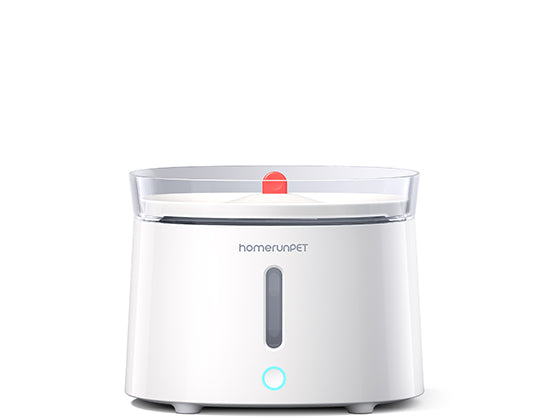
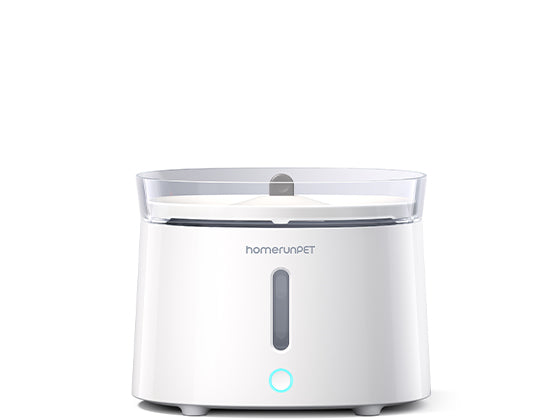
homerunPET offers a tiered fountain lineup. The BF25M operates fully wirelessly with a 4000mAh battery lasting up to 30 days, uses a stainless steel water tray, and runs at ≤18dB. The BF25M has a 2.5L capacity and is priced at $69.99. The CF20 features a ceramic tray with a wireless pump but requires a power connection for the main unit, has a 2L capacity, and is priced at $59.99. The WF20 provides the same wireless pump technology in a more affordable package with a plastic tray, has a 2L capacity, and is priced at $49.99. Replacement filters cost $15 for a three-pack, with monthly changes recommended, bringing annual filter cost to approximately $60.
System Build Comparison
| Tier | Components | Approximate Cost | Daily Tasks Eliminated |
|---|---|---|---|
| Essential | CS106 + PF20 + WF20 | ~$839 | Scooping, manual feeding, water bowl refills |
| Balanced | CS106 + PF20 + BF25M | ~$859 | Same as above, with fully wireless water placement |
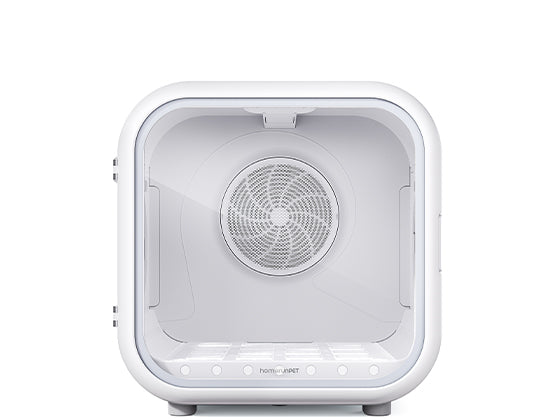
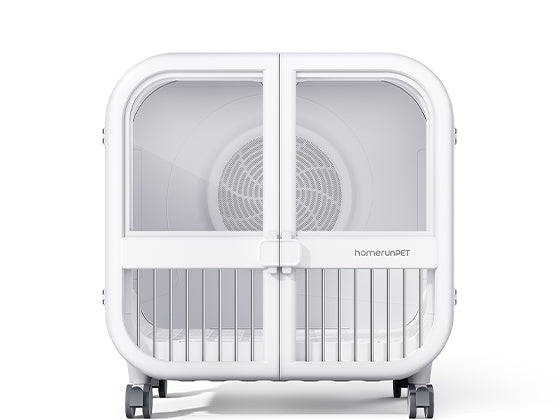
| Premium | CS106 + PF20 + BF25M + PD50 dryer | ~$1,309 | Above plus post-bath drying labor |
| Full Stack | CS106 + PF20 + BF25M + PD50 + PH20 heater | ~$1,458 | Above plus climate management |
All tiers fall well within the $2000 ceiling, leaving headroom for consumables (litter, filters, food) over the first year.
Setup and Adaptation Expectations
Most cats require 3 to 5 days to accept each new automated device. Running the new system in parallel with the old method during this period prevents litter box avoidance or feeding anxiety. Place the self-cleaning litter box near the existing box with both available. Once your cat uses the new unit consistently, remove the manual option. Apply the same parallel approach when introducing the feeder and fountain.
Common Budget Mistakes
- Over-investing in monitoring before automating fundamentals - A camera does not reduce workload; a self-cleaning litter box does
- Ignoring consumable costs in total budget - Factor in $60/year for fountain filters and ongoing litter expenses
- Buying the cheapest litter box and regretting capacity - Small waste bins require frequent emptying, defeating the automation purpose
- Introducing all devices simultaneously - Cats adapt better to sequential changes spaced one to two weeks apart
Q1: What is the minimum budget for a functional smart cat care system?
A1: A functional automated system covering litter, feeding, and hydration starts around $839 using the homerunPET CS106, PF20, and WF20 together. This eliminates daily scooping, manual feeding, and static water bowl maintenance.
Q2: How long can a self-cleaning litter box operate without owner intervention?
A2: The homerunPET CS106 supports up to 20 days of hands-free operation for a single cat, thanks to its 12L waste bin and 4.5L automatic sand refill system. Multi-cat households can expect approximately 7 days with three cats.
Q3: Are wireless pet fountains hygienic compared to plug-in models?
A3: Wireless fountains from homerunPET use the same filtration systems as plug-in versions. The BF25M pairs a wireless pump with a stainless steel tray, which resists bacterial biofilm more effectively than plastic. Monthly filter replacement at roughly $5 per filter maintains water quality.
For a closer look at modular system-building options and current availability, visit homerunpet.com to explore specifications, compatibility details, and seasonal bundle configurations tailored to single-cat and multi-cat households.