

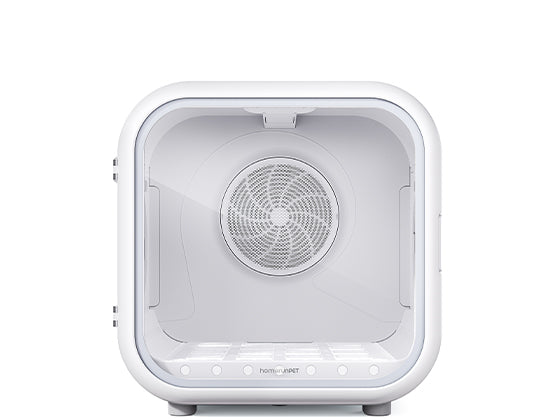
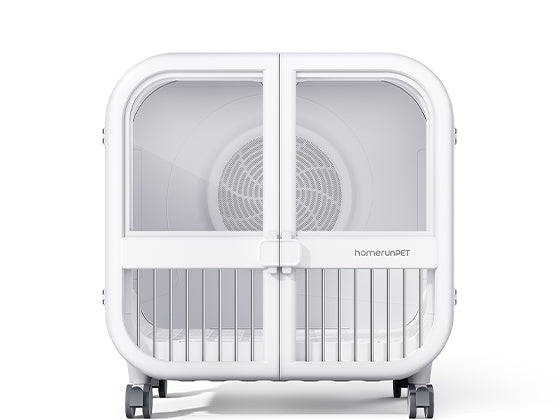
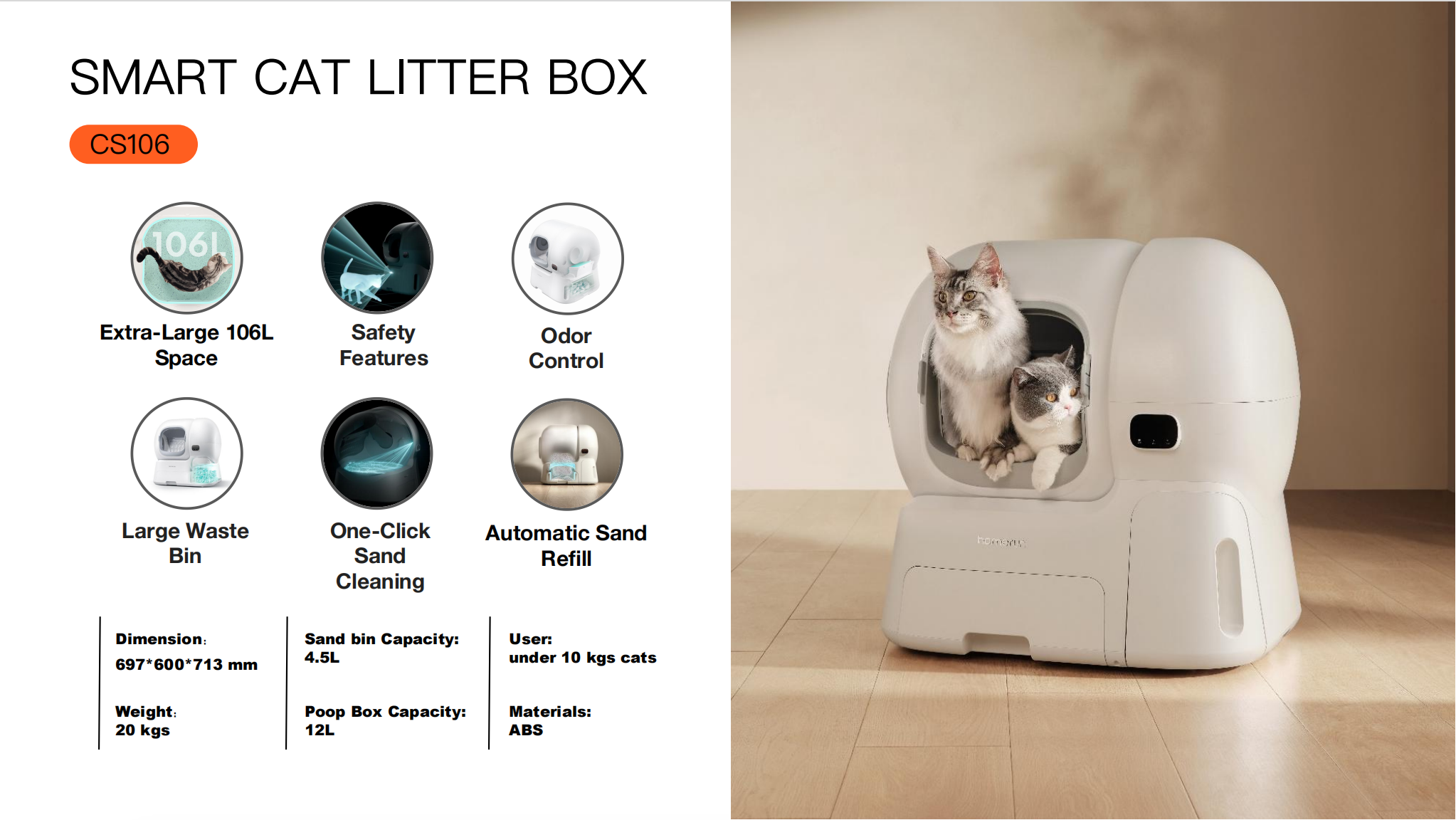
Multi-cat households require automatic litter boxes built around three non-negotiable factors: waste capacity, cleaning cycle speed, and safety systems rated for concurrent use. Standard self-cleaning units designed for single cats typically lack the waste drawer volume and cycle frequency to handle three or more animals without daily intervention. The homerunPET CS106, with its 106L interior chamber and 12L waste compartment, represents the upper end of what current technology offers for households managing multiple cats on a single unit. Below is a structured framework for evaluating whether your setup needs one large-capacity system or multiple units working in tandem.
Why Standard Automatic Boxes Fail Multi-Cat Homes
Most self-cleaning litter boxes are engineered for single-cat output volumes. A typical automatic unit features a waste drawer between 3L and 6L, which fills within two to three days when three cats use the same box. Once full, the cleaning cycle either stops or creates overflow conditions that demand immediate attention.
Cycle speed creates a queue problem. If one cat exits and the cleaning cycle initiates, a second cat approaching must wait. Units with longer rotation or raking cycles effectively lock out other cats for several minutes at a time. Territorial cats may refuse to wait and seek alternative elimination spots around the home.
Odor compounds faster than expected. Waste from multiple cats produces ammonia at a rate that overwhelms basic carbon filters. Without active deodorization systems, multi-cat households experience noticeable odor buildup within 24 hours of the drawer reaching half capacity.
What Makes an Automatic Box Multi-Cat Ready
Waste Capacity and Emptying Frequency
A waste compartment of 10L or more is the baseline for three-cat households. Smaller drawers require emptying every one to two days, which eliminates much of the automation benefit. The homerunPET CS106 provides a 12L waste compartment, supporting approximately 7 days of operation for a three-cat household before manual emptying is needed.
Cycle Speed and Queue Management
Faster cleaning cycles reduce territorial friction. Units that complete a full cycle in under three minutes allow multiple cats to use the box in close succession without conflicts. Radar sensors and weight detection can pause or delay cycles when a second cat is detected nearby.
Size and Entry Design
Interior volume determines comfort for larger breeds. Cats weighing 15 lbs or more need open movement space to turn, dig, and cover. A 106L interior accommodates cats up to 25 lbs, making it suitable for breeds like Maine Coons and Ragdolls that share space in multi-cat homes.
Odor Control Systems
Sealed compartments paired with active deodorizers outperform passive filters. Deodorizing gel systems, as used in the homerunPET CS106, provide continuous odor neutralization rather than relying on replacement filters that degrade over weeks.
Multi-Cat Recognition Features
App-based monitoring tracks individual cat usage. Weight sensors and visit logging help owners identify changes in elimination patterns, which serves as an early health indicator when multiple cats share one system.
Choosing by Household Size
Solutions for 2-Cat Households
A single large-capacity unit typically suffices for two cats. With a 12L waste compartment, expect 10 to 14 days between manual emptying. Place the unit in a low-traffic area where both cats have unobstructed approach paths.
Solutions for 3-4 Cat Households
Three cats on one unit is manageable with 10L+ waste capacity. The homerunPET CS106 supports roughly 7 days between drawer changes for three cats. Four cats reduce this window to approximately 5 days. Monitor the app for usage frequency to anticipate fill levels.
When You Need Multiple Units
Four or more cats benefit from two units placed in separate rooms. This reduces territorial pressure and ensures backup availability if one unit enters a cleaning cycle. The veterinary guideline of one box per cat plus one extra still applies conceptually, though automated units carry more capacity per unit than manual trays.
Key Features Comparison
| Feature Category | Standard Units | Large-Capacity Units (100L+) |
|---|---|---|
| Waste Drawer Volume | 3-6L | 10-12L |
| Days Between Emptying (3 cats) | 1-3 days | 5-7 days |
| Max Cat Weight | 15-18 lbs | 20-25 lbs |
| Odor System | Carbon filter | Active gel or sealed compartment |
| Safety Sensors | Basic weight detection | Multi-layer: radar, weight, bump protection |
| App Monitoring | Basic alerts | Usage tracking, health indicators |
| Interior Volume | 40-65L | 100-106L |
Large-capacity designs are purpose-built for multi-cat scenarios. The trade-off is a larger physical footprint and higher initial cost, typically in the $500 to $700 range for premium models.
Real-World Performance Factors
Litter Type Compatibility
Clumping clay litter works most reliably with rotating and sifting mechanisms. Lightweight or plant-based litters may not clump firmly enough for clean separation during the cycle. Test compatibility during the first week.
Noise Levels and Cat Acceptance
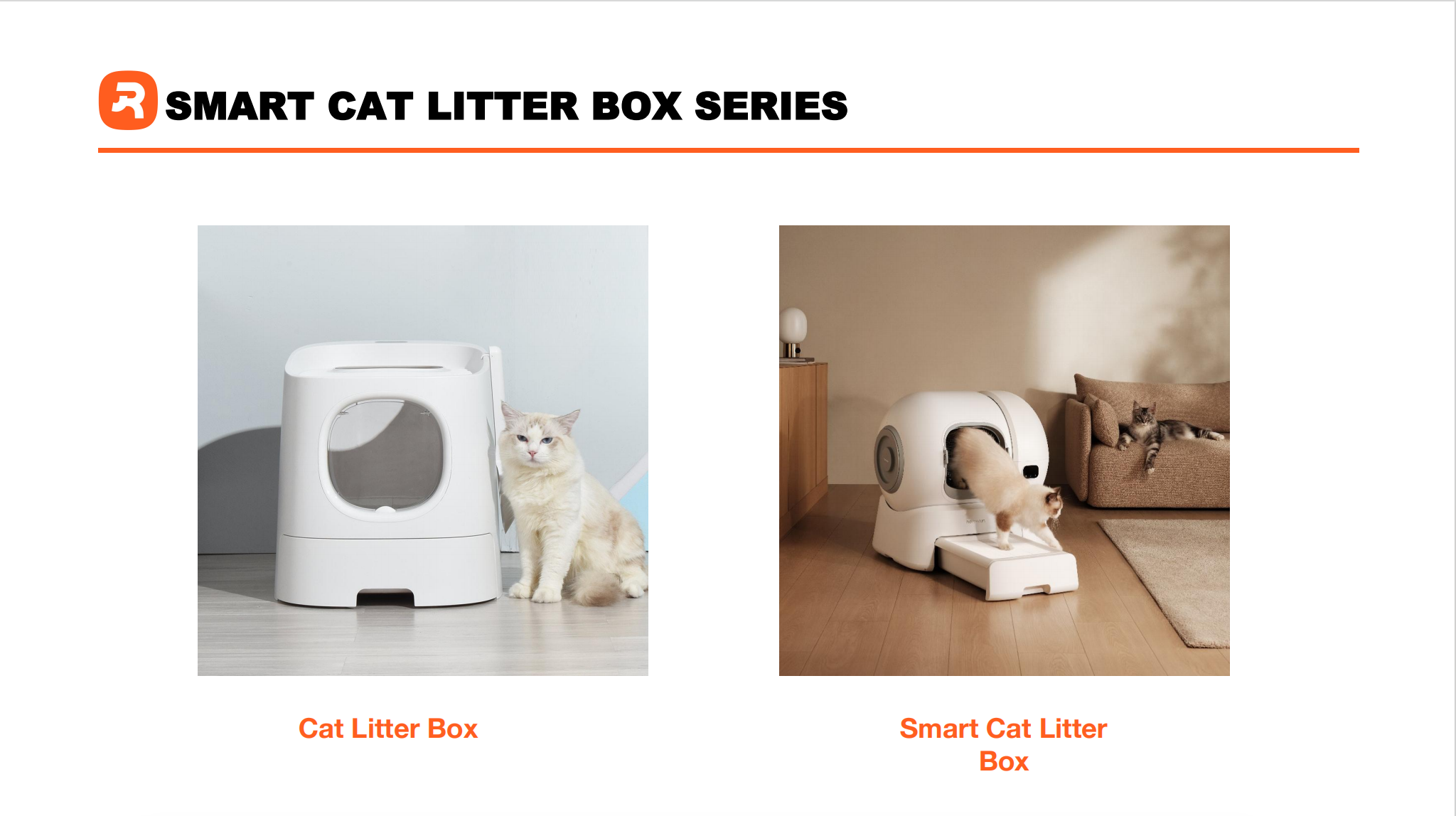
Units rated as low-noise (under 50 dB) see higher adoption rates among anxious cats. Open-top designs, rather than fully enclosed domes, reduce the trapped-noise effect that causes some cats to avoid automated boxes entirely. The CS106 uses a non-enclosed structure specifically to address this behavioral concern.
Maintenance Reality Check
Automation reduces daily scooping but does not eliminate maintenance. Monthly tasks include wiping sensors, replacing deodorizing gel, and inspecting the litter bed for clumping quality. The 4.5L auto-refill sand bin extends the window between full litter replacements.
Getting Multiple Cats to Adopt New Box
Gradual Introduction Protocol
Run the new unit unpowered for the first 3 to 5 days. Place it near existing litter boxes without activating the cleaning mechanism. Allow cats to investigate and use it as a standard tray before introducing the motorized cycle.
Keeping Backup Boxes During Transition
Maintain at least one manual box until all cats use the automated unit consistently. Remove backup boxes only after two full weeks of confirmed usage by every cat in the household.
Handling Territorial Issues
Dominant cats may claim the new box initially. If one cat blocks access, place the automated unit in a room the submissive cat frequents. Dual sensor systems that detect and log individual visits help identify whether all cats are participating equally.
Frequently Asked Questions
Q1: How many automatic litter boxes do I need for 3 cats?
A1: One large-capacity unit with a 12L waste drawer, such as the homerunPET CS106, supports 3 cats for approximately 7 days between emptying. Adding a second unit becomes practical at 4 or more cats, or if territorial behavior prevents shared use.
Q2: What waste drawer size works for a multi-cat household?
A2: A 10L minimum is recommended for 3 cats. The homerunPET CS106 offers 12L, which provides a meaningful buffer and reduces the risk of overflow between scheduled emptying days.
Q3: Are automatic litter boxes safe when multiple cats use them?
A3: Units with layered safety systems, including radar sensors, weight detection, and physical anti-pinch mechanisms, are designed for multi-cat environments. The homerunPET CS106 incorporates dual-bump protection and smart safeguards that pause operation when a cat is detected inside or nearby.
Q4: Can large cats over 20 lbs use automatic litter boxes?
A4: Most standard automated boxes cap at 15 to 18 lbs. The homerunPET CS106 accommodates cats up to 25 lbs within its 106L chamber, making it suitable for large breeds in multi-cat households.
For detailed specifications on the CS106, including app features and safety certifications, visit homerunpet.com to review the full product documentation and determine whether the capacity matches your household needs.