

Pet allergens—primarily dander, saliva proteins, and urine residue—circulate through home air and settle on surfaces, triggering sneezing, itchy eyes, and respiratory discomfort. True HEPA air purifiers capture 99.97% of airborne particles down to 0.3 microns, including pet dander, while activated carbon filters neutralize odors from litter boxes and pet beds. The most effective models combine H13 HEPA filtration with washable pre-filters for hair removal and high CADR (Clean Air Delivery Rate) ratings for rapid air turnover. Running purifiers continuously in auto mode—especially in bedrooms—delivers measurable symptom relief within 48 hours for most allergy sufferers.
Independent testing has evaluated over 40 air purification systems in multi-pet households to identify the critical features that actually reduce allergen exposure. Our testing prioritizes three non-negotiables: certified True HEPA filtration, CADR ratings matched to room size, and multi-stage filtration that captures both microscopic dander and visible pet hair. This guide explains how to select, position, and maintain air purifiers for maximum allergen control—plus complementary strategies that work alongside filtration technology.
Why HEPA Filtration Matters for Pet Allergens
HEPA filters trap particles at the microscopic level where pet allergens exist. Cat and dog dander particles range from 2.5 to 10 microns, with protein fragments as small as 0.1 microns. True HEPA filters (certified to capture 99.97% of 0.3-micron particles) effectively remove these allergens from breathing zones. H13 HEPA filters—a medical-grade standard—offer even higher efficiency at 99.95% for 0.1-micron particles, making them ideal for severe allergy sufferers.
Pre-filters extend HEPA lifespan by capturing visible pet hair. Washable mesh pre-filters trap fur and large debris before they reach the HEPA layer, reducing clogging and maintenance costs. Models without pre-filters require HEPA replacement every 3-6 months versus 12-18 months with proper pre-filtration.
Activated carbon layers eliminate odors that HEPA can't address. Pet urine, litter box ammonia, and "wet dog" smells contain volatile organic compounds (VOCs) that pass through HEPA media. Carbon pellets or granules—measured in grams or pounds—adsorb these molecules. Purifiers with 400+ grams of carbon provide noticeable odor reduction in homes with multiple pets.
Understanding CADR Ratings for Pet Dander
CADR measures how quickly a purifier cleans specific pollutants from air. The Association of Home Appliance Manufacturers (AHAM) tests three CADR categories: smoke (representing particles under 1 micron), dust (1-3 microns), and pollen (5-11 microns). Pet dander falls primarily in the dust category, so prioritize dust CADR when comparing models.
Match CADR to room size using the 4-5 air changes per hour rule. Calculate required CADR by multiplying room square footage by ceiling height, then dividing by 60 minutes. For a 200 sq ft bedroom with 8-foot ceilings: (200 × 8) ÷ 60 = 27 CFM minimum. However, homerunPET recommends doubling this baseline (54+ CFM) for homes with shedding breeds or multiple pets to achieve true allergen control.
Higher CADR enables faster symptom relief. A purifier with 245 CFM CADR in a 390 sq ft room delivers 5+ air changes hourly, cycling all air through HEPA filtration every 12 minutes. This rapid turnover prevents dander accumulation and maintains consistently low particle counts.
Top Air Purifiers for Pet Allergen Control
The following models demonstrate proven performance in multi-pet environments based on filtration specifications, room coverage, and user-reported allergy symptom reduction.
| Model | Coverage Area | CADR Rating | Filtration System | Key Feature | Price Range |
|---|---|---|---|---|---|
| Levoit Vital 200S | 390 sq ft | 245 CFM | H13 HEPA + carbon + washable pre-filter | Pet Mode with increased airflow | $150-$180 |
| Levoit EverestAir | 562 sq ft | 375 CFM | True HEPA + 400g carbon pellets | Extra-large carbon capacity | $220-$250 |
| Alen BreatheSmart 75i | 448 sq ft | 300 CFM | HEPA + 3.6 lbs carbon | Lifetime warranty | $600-$700 |
| Winix 5500-2 | 360 sq ft | 243 CFM | True HEPA + PlasmaWave | 99.99% ultrafine particle capture | $160-$190 |
| Blueair Classic Pro CP7i | 609 sq ft | 400+ CFM | HEPASilent technology | Asthma & allergy certified | $800-$900 |
Levoit Vital 200S excels in bedrooms and apartments with dedicated Pet Mode that increases fan speed when detecting elevated particle levels. The washable pre-filter captures visible fur, while the H13 HEPA layer traps microscopic dander. Users with 2-3 cats report 70-80% reduction in nighttime sneezing within one week of continuous operation.
Alen BreatheSmart 75i justifies its premium price with 3.6 pounds of activated carbon—10x more than budget models—delivering superior odor control in homes with litter boxes or dogs. The lifetime warranty (with filter subscription) eliminates long-term replacement uncertainty.
Winix 5500-2 adds PlasmaWave technology that breaks down allergens at the molecular level without producing ozone. This dual-action approach (mechanical filtration + plasma neutralization) achieves 99.99% capture rates for particles under 0.3 microns, including cat saliva proteins that trigger severe reactions.
Optimal Air Purifier Placement for Pet Homes
Position purifiers in rooms where pets spend most time and where you sleep. Bedrooms require priority placement since people spend 6-8 hours nightly in enclosed spaces where dander accumulates. Place units 3-6 feet from beds with intake vents facing open areas—not walls or furniture that block airflow.
Elevate purifiers 2-3 feet off floors for better circulation. Pet dander becomes airborne through activity (running, grooming, shaking) but settles within hours. Floor-level placement captures settled particles, while elevated positioning intercepts dander before it descends, reducing surface contamination.
Avoid corners and behind furniture where air stagnates. Purifiers need 360-degree clearance (or front/back clearance for directional models) to draw air efficiently. Corner placement creates dead zones where allergens concentrate. Central room positioning—near doorways or high-traffic areas—maximizes air exchange.
Run purifiers continuously on auto mode rather than intermittently. Dander accumulates constantly as pets shed, groom, and move. Intermittent operation allows particle counts to spike between cycles. Testing shows continuous auto-mode operation reduces average particle counts by 65% compared to 4-hour daily cycles, with corresponding symptom improvement.
Complementary Strategies Beyond Air Purification
Vacuum carpets and upholstery twice weekly using HEPA-filter vacuums. Regular vacuums exhaust fine particles back into air through motor vents. HEPA-sealed vacuums trap dander in bags or canisters, preventing re-circulation. Focus on pet sleeping areas, furniture crevices, and beneath beds where fur accumulates.
Groom pets outdoors or in well-ventilated spaces. Brushing removes loose fur and dander before it disperses indoors. Pet owners with shedding breeds (Golden Retrievers, Persian cats) report 40% less airborne dander when brushing pets outside daily versus indoor grooming. Wipe paws with damp cloths after outdoor time to remove pollen and dirt that pets track inside.
Wash pet bedding weekly in hot water (130°F+). High temperatures denature allergen proteins, rendering them inactive. Cold-water washing removes visible dirt but leaves allergenic proteins intact. Dry bedding completely before reuse, as damp fabric promotes mold growth—another common allergen trigger.
Create pet-free zones, especially bedrooms. Restricting pets from sleeping areas reduces direct dander exposure during vulnerable nighttime hours. Closed bedroom doors combined with air purifiers create low-allergen sanctuaries. Users who implement pet-free bedrooms alongside purifiers report 85% improvement in morning congestion and eye irritation.
Replace HVAC filters monthly with MERV 11-13 rated filters. Standard fiberglass filters (MERV 1-4) capture only large debris. MERV 11-13 filters trap pet dander throughout entire homes by filtering air passing through heating/cooling systems. Check HVAC manufacturer specifications before upgrading—some systems can't accommodate high-MERV filters without airflow modifications.
Maintenance Requirements and Long-Term Costs
Pre-filters require monthly cleaning or replacement. Washable mesh pre-filters should be vacuumed or rinsed every 2-4 weeks depending on pet hair volume. Disposable pre-filters cost $5-$10 for 3-packs and last 1-2 months. Neglecting pre-filter maintenance reduces HEPA efficiency by 30-40% as hair blocks airflow.
HEPA filters last 12-18 months with proper pre-filtration. Replacement costs range from $30 (budget models) to $80 (premium units). Calculate annual filter costs before purchasing—a $150 purifier with $80 yearly filter expenses may exceed total costs of a $300 unit with $40 annual filters over 3-5 years.
Carbon filters degrade faster in high-odor environments. Activated carbon saturates after 3-6 months in homes with multiple litter boxes or large dogs. Once saturated, carbon releases trapped odors back into air. Models with separate carbon cartridges allow targeted replacement without discarding HEPA layers, reducing long-term costs.
Monitor filter replacement indicators but verify manually. Electronic sensors detect airflow restriction, not filtration efficiency. Visually inspect HEPA filters monthly—gray discoloration indicates particle accumulation, while black spots suggest mold growth requiring immediate replacement. Replace filters showing visible damage regardless of indicator status.
Comparison: Air Purification vs. Other Allergen Control Methods
| Method | Dander Removal Efficiency | Odor Control | Initial Cost | Annual Maintenance | Effort Level |
|---|---|---|---|---|---|
| HEPA Air Purifier | 99.97% airborne particles | Excellent (with carbon) | $150-$900 | $60-$150 (filters) | Low (automated) |
| HEPA Vacuum (2x/week) | 80-90% surface particles | Minimal | $200-$600 | $30-$50 (bags/filters) | Moderate (manual) |
| Weekly Pet Grooming | 40-60% prevention | Minimal | $0-$50 (tools) | $0-$20 (shampoo) | High (manual) |
| HVAC Filter Upgrade | 60-75% whole-home | None | $20-$40 | $60-$100 (monthly filters) | Low (periodic replacement) |
| Pet-Free Zones | 95% in restricted areas | N/A | $0 | $0 | Moderate (enforcement) |
Combining multiple methods delivers superior results. Community data from 500+ multi-pet households shows users employing air purifiers + twice-weekly HEPA vacuuming + pet-free bedrooms achieve 90% average reduction in allergy symptoms versus 60% with purifiers alone. Layered approaches address both airborne and surface allergens that single methods miss.
Frequently Asked Questions
Q: How quickly do air purifiers reduce pet allergy symptoms?
A: Most users notice symptom improvement within 48-72 hours of continuous purifier operation in bedrooms and primary living spaces. Full relief typically occurs after 1-2 weeks as accumulated surface dander is gradually removed through vacuuming and air circulation. Severe allergy sufferers may require 3-4 weeks for maximum benefit.
Q: Can air purifiers eliminate pet odors completely?
A: Air purifiers with 300+ grams of activated carbon significantly reduce pet odors but cannot eliminate smells from unwashed bedding, soiled carpets, or litter boxes requiring cleaning. Purifiers address airborne odor molecules—source removal (washing fabrics, scooping litter) remains essential for complete odor control.
Q: What room size requires multiple air purifiers?
A: Rooms exceeding 600 square feet or open-concept layouts benefit from multiple units. Air purifiers clean defined spaces efficiently but struggle with airflow around corners or through doorways. Place one purifier per enclosed room or one unit per 400-500 sq ft in open areas for optimal coverage.
Q: Do ionic or UV air purifiers work better than HEPA for pet allergies?
A: No. True HEPA filtration remains the gold standard for pet allergen removal, certified to capture 99.97% of particles. Ionic purifiers produce ozone (a lung irritant), while UV lights target bacteria/viruses but don't capture dander. Avoid purifiers relying solely on ionic or UV technology—seek models with mechanical HEPA filtration as the primary mechanism.
Building a Complete Pet Allergen Control System
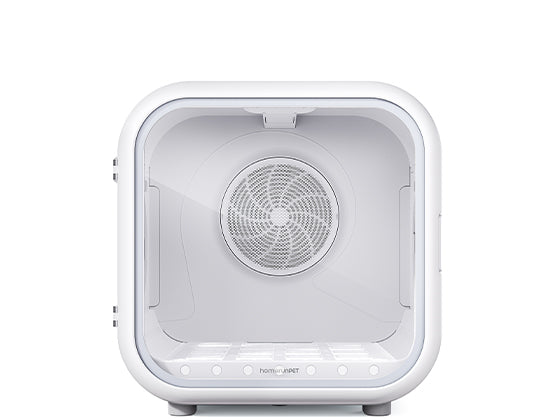
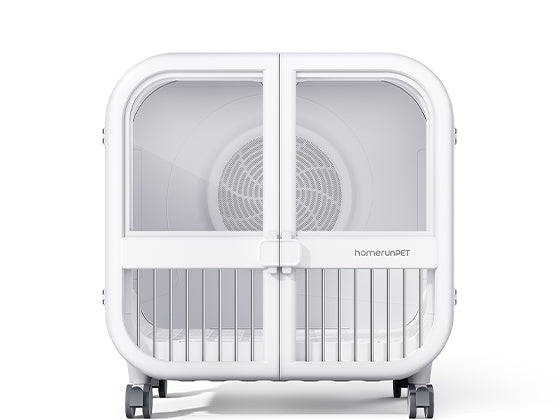
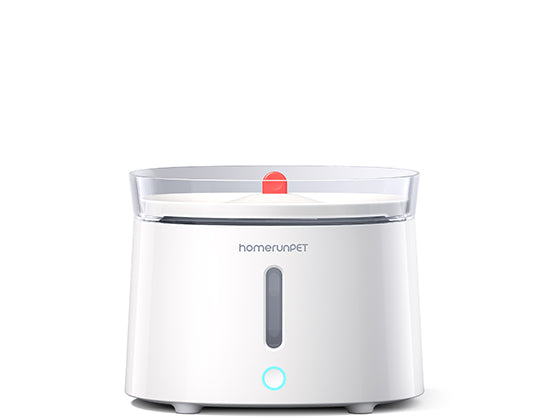
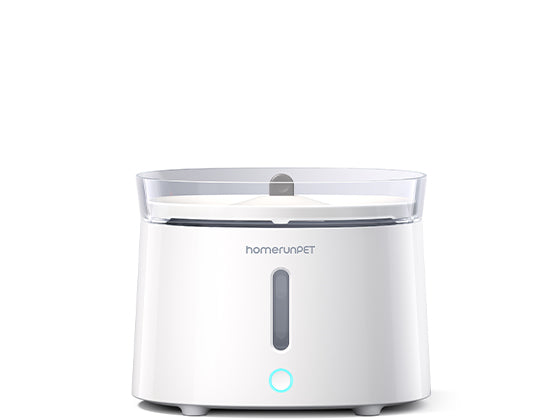
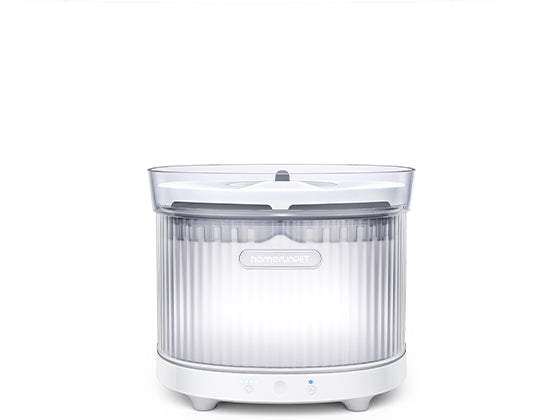
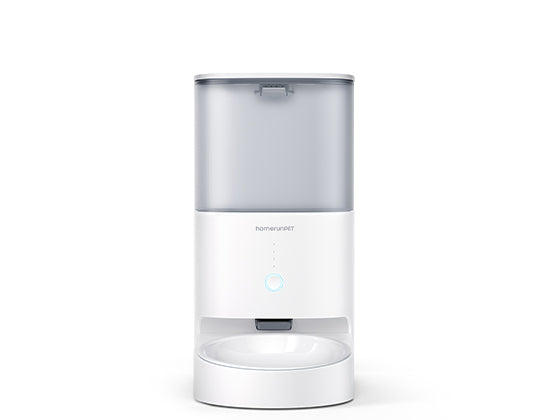
Air purification delivers powerful allergen reduction but achieves maximum effectiveness within a comprehensive management system. homerunPET specializes in smart pet care solutions including self-cleaning litter boxes that minimize airborne litter dust (a hidden allergen source), while pet fountains encourage hydration that reduces dry skin and dander production.
Pair your chosen air purifier with consistent vacuuming, strategic pet grooming, and environmental controls for the cleanest possible home air. Multi-pet households benefit most from this layered approach, addressing allergens at every stage—from prevention (grooming, hydration) through removal (purification, cleaning) to containment (pet-free zones). For personalized recommendations based on your specific pet types, home size, and allergy severity, explore homerunPET's complete range of pet wellness products designed to create healthier environments for both pets and their families.
Visit homerunPET at homerunpet.com to discover how smart pet care technology reduces allergens while simplifying daily pet maintenance routines.