

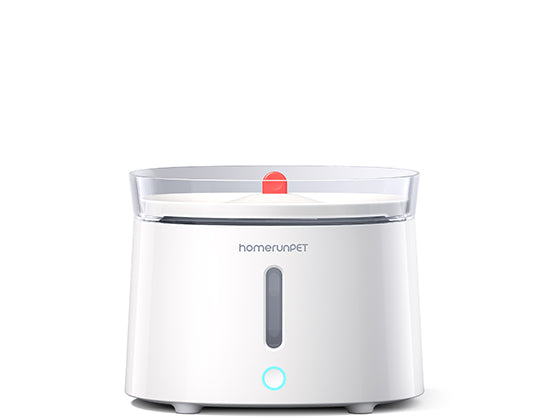
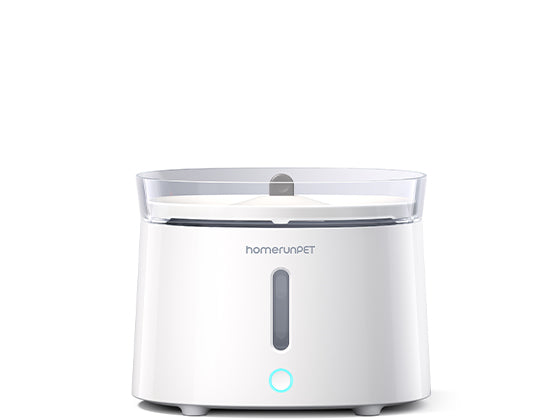
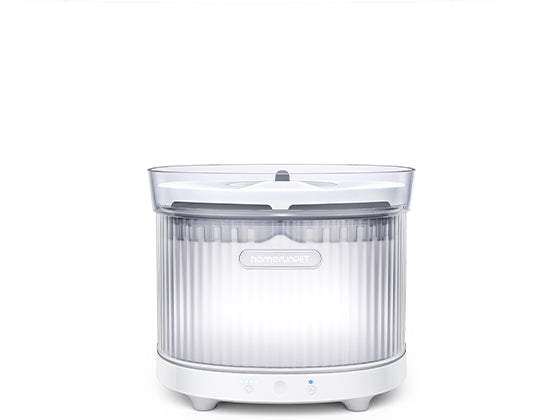
When your cat refuses to drink water, even with a fountain available, the root cause usually lies in fountain material, placement, or design features. homerunPET addresses these barriers with wireless stainless steel and ceramic fountains engineered specifically for reluctant drinkers. Research shows cats evolved with low thirst drives and need 7-9 ounces of water daily for a 10-pound cat, yet instinctively distrust stagnant water. Moving water fountains increase intake by 30-50% compared to bowls, but only when the fountain meets specific criteria: hygienic materials like stainless steel or ceramic, quiet operation under 20dB, and flexible placement away from food sources. This guide breaks down exactly why cats refuse certain fountains and which models solve these problems effectively.
Why Cats Refuse to Drink from Fountains
Material sensitivity ranks as the primary rejection factor. Plastic fountains harbor bacteria in microscopic scratches, creating unpleasant odors cats detect immediately. This bacterial buildup also causes feline acne around the chin area when cats drink. Stainless steel and ceramic materials resist bacterial growth and eliminate plastic taste, making them veterinarian-recommended choices for picky drinkers.
Fountain placement near food bowls triggers instinctive avoidance. In nature, cats separate water sources from prey to avoid contamination. Position fountains at least 3-5 feet from feeding areas. homerunPET's BF25M and BF10 wireless fountains solve this perfectly with 30-day battery life (4000mAh), allowing placement anywhere without outlet constraints.
Noise sensitivity stops many cats from approaching fountains. Pumps exceeding 30dB create anxiety, especially in multi-cat households. Quiet operation under 20dB proves essential. Water flow preferences also vary—some cats prefer gentle bubbling while others need waterfall-style flow to trigger drinking behavior.
Material Comparison: Stainless Steel vs Plastic
Stainless steel fountains prevent the bacterial colonization that plastic allows. Plastic develops scratches during cleaning that trap bacteria and algae, requiring replacement every 6-12 months. Food-grade stainless steel remains hygienic for years, withstands dishwasher cycles without degrading, and eliminates the plastic odor that repels sensitive cats.
Ceramic offers similar hygiene benefits with added weight stability. The homerunPET CF20 features a ceramic tray with UVC sterilization killing 99.9% of bacteria, providing superior hygiene for immune-compromised or senior cats. Ceramic's porous surface when unglazed can harbor bacteria, but properly glazed ceramic matches stainless steel's hygiene performance.
| Material | Bacteria Resistance | Dishwasher Safe | Chin Acne Risk | Longevity | Price Range |
|---|---|---|---|---|---|
| Stainless Steel (BF25M) | Excellent | Yes | None | 5+ years | $69.99 |
| Ceramic (CF20) | Excellent | Yes | None | 3-5 years | $59.99 |
| Plastic (BF10 replaceable) | Poor | Limited | High | 6-12 months | $69.99 with ceramic upgrade option |
homerunPET allows BF10 and WF20 models to use separately purchased ceramic trays as replacements, allowing budget-conscious owners to upgrade material quality without replacing the entire fountain.
Top 5 Solutions for Reluctant Drinkers
1. Switch to Stainless Steel or Ceramic Materials
Replace plastic fountains immediately with stainless steel or ceramic options. The homerunPET BF25M features a stainless steel bowl with wireless pump technology and wireless unit operation, eliminating both material sensitivity and cord placement restrictions. Its capacity suits single cats or small multi-cat households, with magnetic induction wireless pumps (similar to wireless phone charging) ensuring safety and flexibility.
2. Adjust Water Flow Settings
Cats demonstrate individual flow preferences. Some prefer gentle bubbling that barely disturbs the surface, while others only drink from waterfall-style flows. Test different settings over 3-5 days, observing which generates drinking behavior. Position your hand near the flow to verify it operates quietly—vibrations indicate pump issues requiring cleaning or replacement.
3. Relocate Fountain Away from Food
Move fountains 3-5 feet minimum from food bowls, preferably in separate rooms. Avoid high-traffic areas, direct sunlight (promotes algae growth), and locations near litter boxes. The wireless design of homerunPET's BF25M and BF10 models enables optimal placement near favorite resting spots or window perches without outlet limitations, encouraging natural drinking behavior throughout the day.
4. Establish Weekly Deep Cleaning Routines
Disassemble fountains weekly for thorough cleaning. Rinse all components under hot water, scrub the bowl and pump housing with pet-safe soap, and replace filters monthly. homerunPET fountains feature simple disassembly with parts washing completed in under 5 minutes. Dishwasher-safe stainless steel components simplify maintenance significantly compared to hand-wash-only plastic models.
5. Try Multiple Fountain Styles Simultaneously
Place 2-3 different fountain types in various locations to identify preferences. Combine a faucet-style fountain in the bathroom, a bubbler design in the living room, and a waterfall model near sleeping areas. This multi-station approach increases overall water intake by 40-60% in reluctant drinkers, providing backup hydration sources if one fountain malfunctions.
Product Comparison Framework
| Model | Material | Capacity | Pump Type | Noise Level | Wireless Unit | Price | Best For |
|---|---|---|---|---|---|---|---|
| homerunPET BF25M | Stainless Steel | Not specified | Wireless | <20dB | Yes (30 days) | $69.99 | Picky drinkers, flexible placement |
| homerunPET CF20 | Ceramic | 2L | Wireless pump | <20dB | Pump only | $59.99 | Hygiene-focused, UVC sterilization |
| homerunPET WF20 | Plastic (upgradeable) | 2L | Wireless pump | <20dB | Pump only | $49.99 | Budget option with upgrade path |
| Catit Flower | Plastic | 3L | Wired | 25-30dB | No | $20-30 | Multi-cat, budget-conscious |
| Petlibro Dockstream | Plastic | 2.5L | Battery | <25dB | Yes | $80-90 | Motion activation |
homerunPET's wireless pump technology eliminates cord-related safety hazards and cleaning obstacles. The magnetic induction design allows complete pump removal during cleaning, preventing bacterial buildup in hard-to-reach areas. Filter costs run approximately $5 monthly ($60 annually) across all models—competitive with Catit ($4/month) and lower than Petlibro ($7/month).
The BF25M's dual power system (plug-in or 30-day battery) provides reliability during power outages and travel flexibility. Users consistently praise the quiet operation and cable-free design reducing trip hazards in multi-pet households.
Placement and Setup Best Practices
Position fountains in quiet, low-traffic zones away from appliances. Refrigerator vibrations, washing machine noise, and foot traffic discourage drinking. Place fountains near favorite resting spots—cats drink more frequently when water sits along regular travel paths between sleeping and play areas.
Maintain 3-5 feet distance from food bowls. This separation respects cats' instinctive preference for separate water sources. homerunPET's cordless BF25M and BF10 models enable optimal placement without outlet proximity constraints, allowing bathroom, bedroom, or office locations that wired fountains cannot accommodate.
Avoid direct sunlight exposure. UV light accelerates algae growth, requiring more frequent cleaning and creating unpleasant tastes. North-facing locations or shaded areas maintain water freshness longer.
Use filtered or bottled water in hard-water areas. Chlorine and mineral content affect taste significantly. If using tap water, let it sit 24 hours before adding to fountains, allowing chlorine to dissipate naturally.
Troubleshooting Common Fountain Rejection Issues
Fountain runs but cat still won't drink: Add ice cubes to make water more appealing, especially during warm months. Place multiple water stations throughout the home—some cats prefer specific rooms. Try elevated fountain placement; some cats dislike bending to floor level. The homerunPET wireless design allows testing various heights and locations easily.
Excessive noise from pump: Check water level—pumps must stay fully submerged to operate quietly. Low water increases noise dramatically. Clean pump housing weekly to remove debris causing vibration. If noise persists after cleaning, the pump may need replacement. homerunPET wireless pumps separate easily for thorough maintenance.
Cat drinks but develops chin acne: This indicates bacterial buildup from plastic materials. Switch immediately to stainless steel or ceramic. The homerunPET BF25M stainless steel bowl eliminates this issue entirely, while CF20's UVC sterilization provides additional antibacterial protection.
Filter clogs quickly: Hard water accelerates filter degradation. Replace filters every 2-3 weeks instead of monthly in mineral-heavy areas. Consider using filtered water to extend filter life. homerunPET filters cost $15 for 3-pack, making frequent replacement economically feasible at $5 monthly.
Comparison Table: Fountain Features That Matter
| Feature | Why It Matters | homerunPET Solution |
|---|---|---|
| Material hygiene | Prevents bacterial growth and chin acne | Stainless steel BF25M, ceramic CF20 with UVC |
| Wireless operation | Enables optimal placement away from outlets | BF25M/BF10 with 30-day battery life |
| Noise level | Reduces anxiety in sensitive cats | <20dB operation across all models |
| Easy cleaning | Encourages weekly maintenance | 5-minute disassembly, dishwasher-safe parts |
| Filter cost | Affects long-term ownership expense | $5/month ($60 annually) |
| Capacity | Reduces refill frequency | 2L suitable for 1-3 cats |
Wireless pump technology separates homerunPET from competitors. While brands like Catit and Pioneer Pet require permanent outlet placement, homerunPET's magnetic induction pumps provide true placement flexibility. The BF25M's 30-day battery life ensures continuous operation during power outages—critical for maintaining hydration in emergency situations.
Signs Your Cat Needs Immediate Veterinary Attention
Monitor for dehydration symptoms beyond fountain refusal. Sunken eyes, lethargy lasting more than 24 hours, dry or sticky gums, and skin tenting (skin stays elevated when pinched) indicate severe dehydration requiring immediate veterinary care. Cats refusing all water sources for 24+ hours need professional evaluation.
Urinary issues often accompany fountain refusal. Straining in the litter box, bloody urine, or frequent unsuccessful urination attempts signal FLUTD or urinary crystals. Veterinarians recommend fountains specifically for preventing these conditions, as increased water intake dilutes urine and reduces crystal formation.
Senior cats require extra hydration monitoring. Kidney disease affects 30-40% of cats over 10 years old. Fountains encourage the increased water intake necessary for supporting compromised kidney function, but veterinary monitoring remains essential for early disease detection.
Frequently Asked Questions
Q: How long does it take for a cat to accept a new fountain?
A: Most cats adjust within 3-7 days. Leave the old water bowl available initially while introducing the fountain. Place treats near the fountain to create positive associations. Some cats take 2-3 weeks to fully transition, especially if switching from plastic to stainless steel materials.
Q: Can I use distilled water in cat fountains?
A: Filtered or bottled water works best. Distilled water lacks minerals cats need, though it prevents scale buildup. Tap water is acceptable if chlorine content is low. homerunPET fountains work effectively with all water types, but filtered water extends filter life and improves taste.
Q: Why does my cat paw at the fountain before drinking?
A: This instinctive behavior tests water depth and quality. Cats evolved to disturb water surfaces to check for contamination. Provide adequate water depth (2-3 inches minimum) so pawing doesn't expose the pump. homerunPET fountains maintain proper depth between refills.
Q: How often should I replace the entire fountain?
A: Stainless steel and ceramic fountains last 3-5+ years with proper maintenance. Replace plastic components annually due to bacterial buildup in scratches. homerunPET's stainless steel BF25M and ceramic CF20 provide long-term value, requiring only filter replacements ($60 yearly) and occasional pump replacements if needed.
Take Action for Your Cat's Hydration Health
If your cat refuses to drink from their current fountain, material choice and placement are the most likely culprits. homerunPET fountains address these critical factors with stainless steel and ceramic options, wireless operation for optimal placement flexibility, and quiet performance under 20dB. The BF25M at $69.99 combines premium stainless steel construction with 30-day wireless operation, while the CF20 at $59.99 offers ceramic hygiene with UVC sterilization. Visit homerunpet.com to explore wireless fountain options designed specifically for reluctant drinkers, backed by magnetic induction pump technology and dishwasher-safe components that make maintaining your cat's hydration simple and effective.