

No, a self-cleaning litter box is NOT necessary for new cat owners—but it can become a valuable upgrade later. Starting with a traditional litter box helps you learn your cat's elimination habits, establish a cleaning routine, and understand your pet's preferences before investing in automation. While automatic systems like homerunPET offer convenience, they're a luxury rather than a requirement for cat health and happiness. Recent surveys show 81% of cat owners successfully maintain daily scooping routines with traditional boxes, proving simple solutions work well when you're just starting out.
The smart approach? Begin with basic equipment, observe your cat's behavior for 2-3 months, then evaluate whether automation addresses specific pain points you've identified. This strategy prevents expensive mistakes and ensures any upgrade genuinely improves your routine.
What New Cat Owners Actually Need on Day One
The essentials are surprisingly simple: a basic litter box, quality clumping litter, a sturdy scoop, and commitment to daily cleaning. Veterinarians recommend one box per cat plus one extra, positioned in quiet, accessible locations away from food and water.
Your starter setup should include:
- Standard litter box: Open-top or low-entry design ($15-30)
- Clumping litter: Clay or natural formulas for easy waste removal
- Metal scoop: Durable tool with appropriate slot spacing
- Mat: Reduces tracking outside the box
- Liner bags: Optional for easier full changes
This basic configuration costs under $50 and lets you focus on what matters most: understanding your new cat's elimination patterns, frequency, and preferences. Nearly 10% of cats develop elimination issues during adoption transitions, making direct observation crucial during these early weeks.
Why observation matters: Daily scooping teaches you to recognize normal waste appearance, frequency changes, and potential health concerns. Automated systems can mask these early warning signs when you're still learning baseline behaviors.
Why Starting Simple Makes Strategic Sense
Beginning with traditional boxes builds essential knowledge before committing to automation. This approach offers four critical advantages that benefit both you and your cat.
Learn preferences without expensive trial-and-error: Cats show individual preferences for litter depth, box size, and enclosure style. Testing these variables with a $20 box prevents discovering your cat rejects a $700 automated system. Approximately 54% of cat owners express concerns about litter box habits—starting simple helps you identify specific issues worth solving.
Monitor health through direct observation: Fresh adoption periods require vigilance for stress-related elimination problems, dietary adjustments, and health conditions. Seeing waste directly helps you spot diarrhea, constipation, blood, or frequency changes immediately. Automated systems that rake waste within minutes can obscure these vital health indicators.
Build sustainable cleaning habits: Daily scooping takes 5-10 minutes and establishes responsibility patterns. This routine helps you determine whether maintenance truly burdens your schedule or fits comfortably into your day. Many new owners discover traditional cleaning feels manageable once they establish consistent habits.
Avoid transition complications during adjustment: Cats need 3-5 days to adapt to new environments. Adding unfamiliar automated equipment with motors, sensors, and movement can increase stress during this critical period. Starting with quiet, predictable traditional boxes supports smoother adoption transitions.
What Self-Cleaning Systems Actually Offer
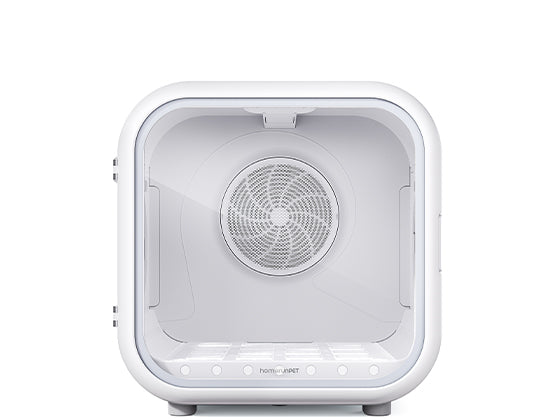
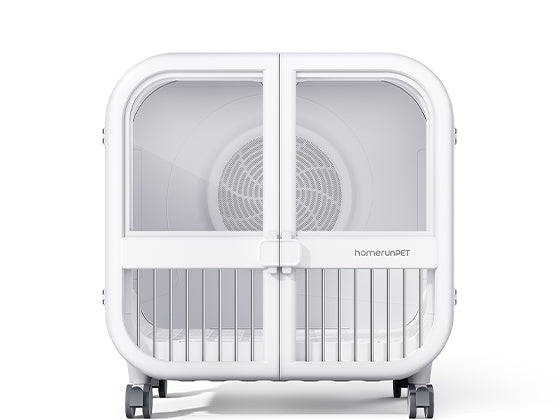
Automatic litter boxes use sensors to detect when cats exit, then rake or rotate waste into sealed compartments. Modern systems like homerunPET CS106 provide genuine convenience through automation, but they come with specific considerations new owners should understand.
Real Benefits of Automation
Time savings: Reduces daily scooping from 5-10 minutes to 1-2 minutes for waste drawer maintenance. The homerunPET CS106's 12L waste capacity means single-cat households can go up to 14 days between emptying—significantly extending maintenance intervals.
Odor management: Sealed waste compartments contain smells more effectively than open traditional boxes. Systems with automatic litter replenishment maintain optimal depth for clumping and odor control.
Multi-cat scalability: Large-capacity systems accommodate multiple cats better than traditional boxes. The CS106's 106L interior space and ability to handle cats up to 25 lbs makes it suitable for households planning to expand their cat family.
Remote monitoring: App-enabled systems track usage patterns, helping identify health changes through frequency data rather than direct observation.
Honest Limitations to Consider
Learning curve: Cats need 1-2 weeks to accept automated systems. Some cats remain permanently wary of motor sounds or movement. Starting without this variable eliminates one potential adoption stressor.
Maintenance still required: Automated doesn't mean maintenance-free. You'll still clean waste compartments, refill litter, wipe sensors, and perform monthly deep cleaning.
Higher initial investment: Quality automated systems cost $400-700 versus $15-30 for traditional boxes. This investment makes more sense once you've confirmed your cat's preferences and identified specific problems worth solving.
Litter compatibility matters: While homerunPET CS106 works with multiple litter types including clumping clay and crystal formulas, some systems restrict litter choices, potentially conflicting with preferences you discover during your starter period.
When Upgrading to Automation Makes Sense
The right time to consider automated systems is after you've established baselines and identified specific pain points. Typically, this happens 2-3 months into cat ownership when you understand your routine and your cat's habits.
Decision Framework: Evaluate These Factors
Work schedule demands: If you consistently work 10+ hour days or travel frequently for 2-3 day trips, extended maintenance intervals become valuable. The homerunPET CS106's capacity for 10-14 days between waste drawer changes specifically addresses this scenario for single-cat owners.
Multiple cat planning: Households with multiple cats or plans to adopt more benefit from high-capacity systems. Traditional boxes require multiple units (one per cat plus one extra), consuming significant floor space. A single large automated system can serve multiple cats more efficiently.
Physical limitations: Bending, scooping, and lifting bags daily becomes challenging for owners with mobility issues, arthritis, or back problems. Automation reduces physical demands to occasional waste drawer removal at a comfortable height.
Small living spaces: Apartment dwellers prioritize odor control and space efficiency. Automated systems with sealed waste compartments and vertical designs address both concerns better than multiple traditional boxes.
Confirmed litter preferences: Once you know your cat accepts clumping clay, crystal, or other compatible litters, you can confidently choose systems that work with those materials.
Adaptation Period Guidance
Plan for gradual transition: Place the automated system next to your cat's current box for several days before removing the old one. This lets your cat investigate the new equipment without pressure.
Use familiar litter initially: Fill the automated system with the same litter brand your cat already uses. Change only one variable at a time.
Enable quiet features: Systems like homerunPET CS106 offer delayed startup modes that wait several minutes after your cat exits before beginning the cleaning cycle. This reduces noise association and lowers initial hesitation.
Monitor acceptance closely: Watch for avoidance behaviors, elimination outside the box, or stress signs. Some cats adapt within days; others need two weeks. Keeping the traditional box available during this period provides a safety backup.
Comparison: Traditional vs. Automated for Beginners
| Feature | Traditional Box | homerunPET CS106 |
|---|---|---|
| Initial Cost | $15-30 | $699 |
| Daily Time Investment | 5-10 minutes scooping | 1-2 minutes monitoring |
| Maintenance Interval | Daily scooping required | Up to 20 days (single cat) |
| Learning Curve | Immediate use | 1-2 weeks adaptation |
| Health Monitoring | Direct visual observation | App tracking + visual checks |
| Space Required | Multiple boxes for multiple cats | Single 106L unit serves 3-4 cats |
| Noise Level | Silent | 38-39 dB (whisper-quiet) |
| Litter Compatibility | All types | Clumping clay, crystal, tofu-based |
| Best For | Budget-conscious, hands-on monitoring | Busy schedules, multiple cats, convenience priority |
Real New Owner Scenarios: When to Upgrade
Sarah's experience illustrates the strategic upgrade path: As a first-time cat owner, she started with a $25 traditional box and clumping clay litter. For three months, she maintained daily scooping while learning her cat's patterns—twice-daily elimination, preference for deeper litter, and sensitivity to box cleanliness.
When she returned to office work with 10-hour days, she identified her specific pain point: maintaining twice-daily scooping became difficult. She upgraded to homerunPET CS106, choosing it for the 12L waste capacity that accommodated her schedule and the automatic refill system that maintained her cat's preferred litter depth. The transition took 10 days using delayed startup mode, and she kept her traditional box available as backup during adaptation.
The key to her success: She upgraded to solve a known problem rather than guessing at potential issues. She understood her cat's preferences, confirmed litter compatibility, and chose features addressing her specific schedule constraints.
Making the Right Choice for Your Situation
Start your cat ownership journey with a traditional litter box, quality clumping litter, and commitment to daily scooping. This foundation costs under $50 and provides irreplaceable learning about your cat's health, preferences, and routine compatibility.
After 2-3 months, honestly assess your situation. If you've identified specific challenges—time constraints with 10+ hour workdays, multiple cats creating maintenance burden, physical difficulty with daily scooping, or persistent odor issues in small spaces—then explore automated solutions.
For US-based owners ready to upgrade, homerunPET CS106 offers beginner-friendly features specifically designed to ease the transition: delayed startup reduces noise anxiety, 106L interior space accommodates cats up to 25 lbs (including large breeds like Maine Coons), and compatibility with multiple litter types works with preferences you've already established. The 90-day in-home trial and 12-month warranty provide security for new owners making their first automation investment.
The automated litter box question isn't about necessity—it's about timing and fit. Master the basics first, then upgrade strategically when you've identified problems worth solving.
Frequently Asked Questions
Q: How long should I wait before buying a self-cleaning litter box?
A: Wait at least 2-3 months after adopting your cat. This period lets you learn elimination patterns, establish cleaning routines, confirm litter preferences, and identify whether automation solves real problems in your specific situation rather than creating unnecessary complications during the adjustment period.
Q: Will my cat automatically use an automated litter box?
A: Not immediately. Cats typically need 3-5 days to investigate new automated systems, with full acceptance taking 1-2 weeks. Use delayed startup features, keep familiar litter, and maintain your traditional box as backup during transition. Some cats adapt within days; others need patient gradual introduction.
Q: What's the biggest mistake new owners make with automated litter boxes?
A: Buying automation before understanding their cat's preferences and routines. This leads to expensive equipment that cats reject due to litter incompatibility, size constraints, or noise sensitivity—problems easily avoided by starting with traditional boxes and upgrading strategically after establishing baselines.
Q: Can automated litter boxes handle large cats or multiple cats?
A: Yes, but capacity matters significantly. The homerunPET CS106 accommodates cats up to 25 lbs and provides 12L waste capacity suitable for multiple cats, with single-cat households achieving up to 20 days between emptying and multi-cat households (3 cats) achieving about 7 days. Smaller automated systems may require more frequent emptying or restrict larger breeds, making research essential before purchasing.
Ready to Upgrade Your Litter Box Setup?
If you've mastered traditional litter box basics and identified specific challenges that automation solves, explore homerunPET's solutions designed for real pet parent needs. Visit homerunpet.com to discover how the CS106's 106L capacity, 12L waste drawer, and auto-refill system create genuinely low-maintenance routines—backed by CNN's recognition as Best Self-Refilling Litter Box of 2026, 90-day trial period, and expert support for smooth transitions.