

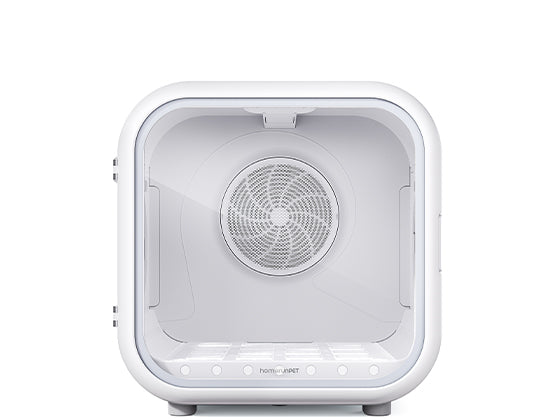
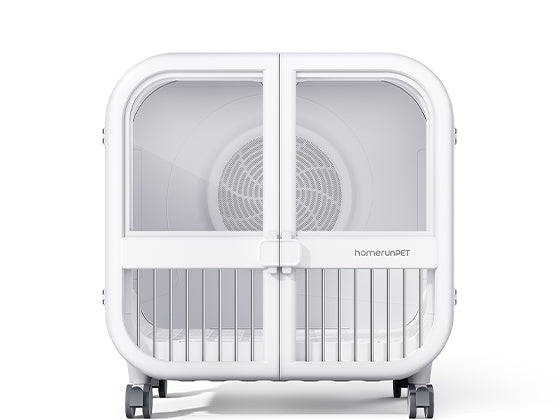
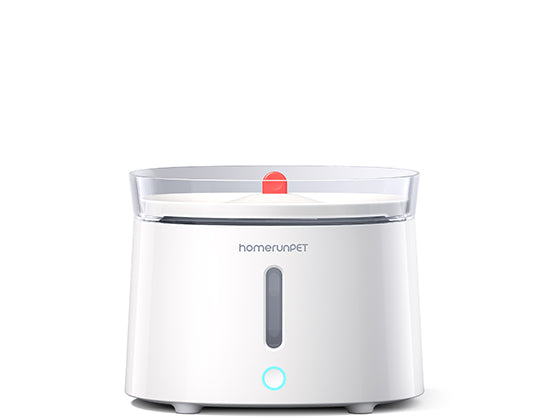
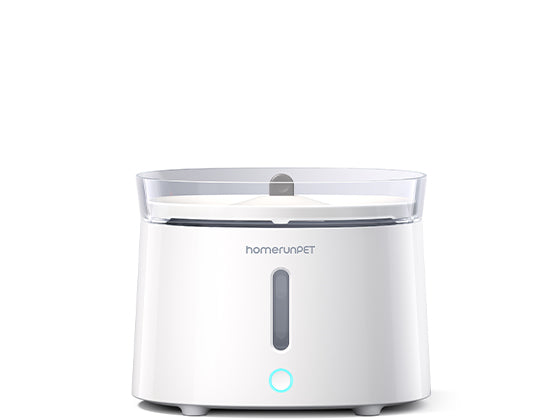
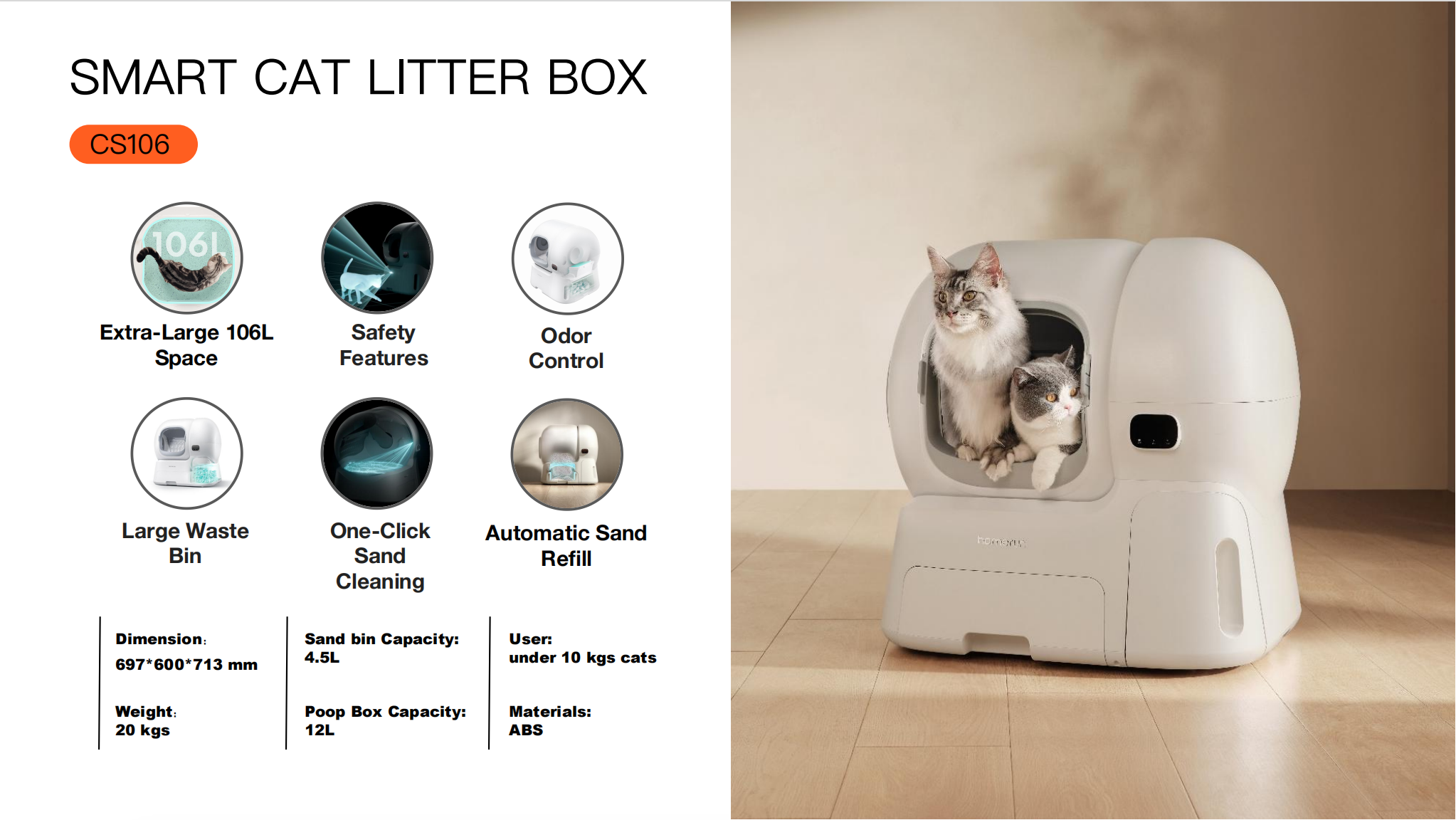
Robotic litter boxes manage odor through three primary mechanisms: rapid waste removal, sealed waste containment, and active deodorization technology. The most effective systems combine all three layers to minimize ammonia exposure time and trap volatile compounds before they reach room air. The homerunPET CS106, for example, pairs a 12L sealed waste bin with gel-based deodorization, eliminating the recurring cost of filter replacements while maintaining consistent smell reduction across extended service intervals.
Why Robotic Litter Box Odor Control Matters
Ammonia buildup from cat waste poses both a quality-of-life and health concern. In enclosed living spaces, even moderate concentrations of ammonia irritate mucous membranes and create an unwelcoming environment for residents and guests alike. Odor control has become the primary purchase driver for automatic litter box buyers, surpassing convenience and time savings.
The core problem with traditional litter boxes is prolonged waste exposure. Clumps sit in open air for hours, releasing sulfur and nitrogen compounds continuously. Robotic systems address this by reducing the time waste remains accessible to ambient airflow, then containing it in sealed compartments with secondary odor treatment.
Three Core Odor Control Technologies Explained
Modern robotic litter boxes deploy one or more of three distinct approaches to odor management. Each has trade-offs in effectiveness, maintenance burden, and long-term cost.
Sealed Waste Containment Systems
A sealed waste drawer is the single most impactful hardware factor for odor reduction. Tight-fitting gaskets, brush strips, or trap-door mechanisms prevent odor molecules from escaping the bin between emptying cycles. Drawer capacity directly affects performance: undersized bins require frequent opening, which releases accumulated smells in concentrated bursts.
Systems with 10L or larger bins maintain seal integrity for longer intervals because overfilling does not compromise the gasket line. The homerunPET CS106 uses a 12L waste bin that supports up to 20 days of single-cat use without manual intervention, keeping the seal intact throughout the entire cycle.
Carbon Filtration Approaches
Activated carbon adsorbs volatile organic compounds through surface-area chemistry. Single-layer carbon filters are inexpensive and widely used, but they saturate within 2-4 weeks depending on household cat count and ambient humidity. Multi-layer carbon systems extend effective life but increase replacement costs.
The recurring expense of carbon filter replacement adds up significantly over multi-year ownership. Monthly filter changes translate to 36 replacements across a three-year period, creating both cost and maintenance friction.
Gel-Based Deodorization
Gel deodorizers neutralize odor through chemical binding rather than passive adsorption. Unlike carbon, gel systems do not saturate as quickly and do not require monthly swaps. They work by trapping and neutralizing sulfur and nitrogen compounds at the molecular level without releasing secondary fragrances that merely mask the problem.
The homerunPET CS106 relies on deodorizing gel as its primary odor control method, eliminating the need for recurring filter purchases entirely. This approach reduces long-term ownership costs while providing consistent odor neutralization throughout the drawer cycle.
Odor Control Performance Factors
Three operational variables determine real-world odor performance beyond the chosen technology.
- Cycling speed and waste exposure time: Faster post-use cycling means waste spends less time in the open litter bed releasing compounds. Automatic detection and prompt cleaning cycles are essential.
- Drawer seal integrity: Material quality of gaskets and bin closures determines how much odor leaks during storage. ABS plastic construction, as used in the homerunPET CS106, provides rigid dimensional stability that maintains seal compression over time.
- Smart detection capabilities: Systems that differentiate visit types and adjust cycling accordingly optimize both litter usage and odor response timing.
Odor Control Technology Comparison
| Feature | Carbon Filter Systems | Gel Deodorization Systems | Crystal Litter Absorption |
|---|---|---|---|
| Primary mechanism | Adsorption of volatile compounds | Chemical neutralization | Moisture binding and drying |
| Replacement frequency | Every 2-4 weeks | Extended intervals | Every 2-4 weeks (full tray) |
| Recurring cost (annual) | Moderate to high | Low | High |
| Effectiveness over time | Degrades as filter saturates | Consistent through cycle | Declines as crystals saturate |
| Best suited for | Single-cat, frequent maintenance | Multi-cat, low-maintenance preference | Light-use, single-cat homes |
| Environmental waste | Monthly filter disposal | Minimal | Full tray disposal |
Multi-Cat Household Odor Management
Households with multiple cats require larger bin capacity and more frequent cycling to prevent odor breakthrough. Standard-capacity bins (5-7L) can overflow within days in multi-cat scenarios, breaking seal integrity and releasing concentrated odor.
For three or more cats, a minimum 10L bin capacity is necessary to maintain 7-day emptying intervals. The homerunPET CS106 supports approximately 7 days of hands-free operation for a three-cat household with its 12L waste bin, keeping the seal functional throughout the entire period.
Key multi-cat considerations:
- Successive-use sensor reliability: The system must accurately detect back-to-back visits without false cycling
- Litter replenishment: Automatic refill systems (such as the CS106's 4.5L sand bin) prevent litter depletion that exposes waste to air
- Cycling noise: Low-noise operation prevents deterring timid cats from using the box, which can lead to accidents outside the unit
Cost Analysis: Initial vs Long-Term Odor Control
The three-year total cost of odor management varies dramatically by technology type. Initial purchase price tells only part of the story.
Carbon filter systems typically cost $5-15 per filter monthly. Over 36 months, that adds $180-540 to the ownership cost. Crystal tray systems run $15-25 per tray replacement every 2-4 weeks, potentially exceeding $600 in consumables over three years.
Gel-based systems like those in the homerunPET CS106 eliminate the recurring filter line item entirely. At a purchase price of $699, the CS106's total three-year cost remains flat relative to the initial investment, while filter-dependent alternatives continue accumulating consumable expenses throughout their service life.
Maintenance Best Practices for Sustained Odor Control
Consistent maintenance prevents degradation of any odor control system regardless of its underlying technology.
- Bin emptying schedule: Single-cat homes can maintain 14-20 day intervals with 12L bins. Multi-cat homes should empty every 7 days maximum.
- Drum and interior cleaning: Monthly enzymatic cleaning of the litter chamber removes biofilm buildup that harbors bacteria and odor compounds.
- Sensor maintenance: Dust accumulation on infrared or weight sensors can delay cycling, increasing waste exposure time. Wipe sensors during monthly cleaning.
- Gel or filter inspection: Check deodorizer condition during each drawer emptying to ensure continued effectiveness.
Apartment and Small Space Considerations
Sealed waste systems are non-negotiable for apartment living where airflow is limited and shared walls amplify neighbor awareness of pet odors. Open-top designs, while potentially more comfortable for some cats, vent odor upward into confined spaces with limited ventilation.
Placement flexibility depends on noise output. Low-noise units can operate in bedrooms or studio apartments without disrupting sleep cycles. The CS106's low-noise operation and 697 x 600 x 713 mm footprint allow placement in closets, bathrooms, or living areas without dominating the space.
App connectivity adds value in small spaces by enabling remote monitoring of bin fill levels and cycling status, eliminating unnecessary lid openings that release stored odor into the room.
FAQ
Q1: How does gel deodorization compare to carbon filters for long-term odor control?
A1: Gel deodorization neutralizes odor compounds through chemical binding rather than passive adsorption, maintaining consistent performance without monthly replacements. The homerunPET CS106 uses this approach to eliminate recurring filter costs while providing reliable odor control throughout the entire drawer cycle.
Q2: How often should the waste drawer be emptied in a multi-cat household?
A2: For three or more cats, emptying every 7 days prevents overfilling and maintains seal integrity. The homerunPET CS106's 12L waste bin capacity is specifically designed to support this interval for multi-cat homes without compromising odor containment.
Q3: What is the most important hardware feature for apartment odor control?
A3: A tightly sealed waste bin with gasket-quality closures is the most critical component. Systems like the homerunPET CS106 combine sealed 12L containment with gel deodorization and low-noise operation, making them well-suited for confined living spaces where odor escape must be minimized.
Q4: Do robotic litter boxes eliminate odor completely?
A4: No system achieves absolute zero odor under all conditions. However, sealed-drawer designs with active deodorization reduce smell to near-undetectable levels between emptying cycles when maintained on schedule. Prompt cycling, proper litter depth, and regular enzymatic cleaning maximize performance.
For more detailed specifications on sealed waste containment and gel deodorization technology, visit homerunpet.com to explore how the CS106's engineering addresses odor control for single and multi-cat households alike.