

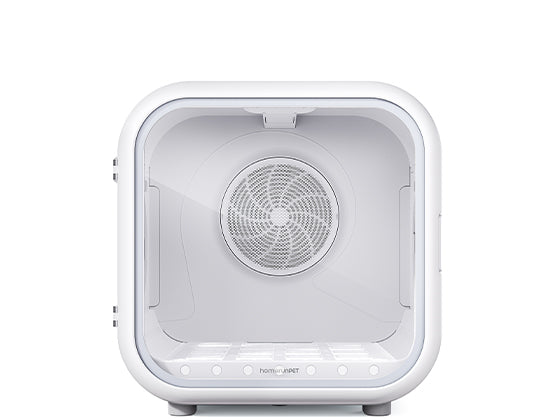
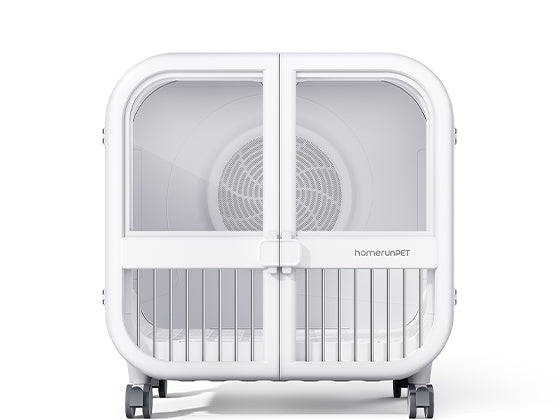
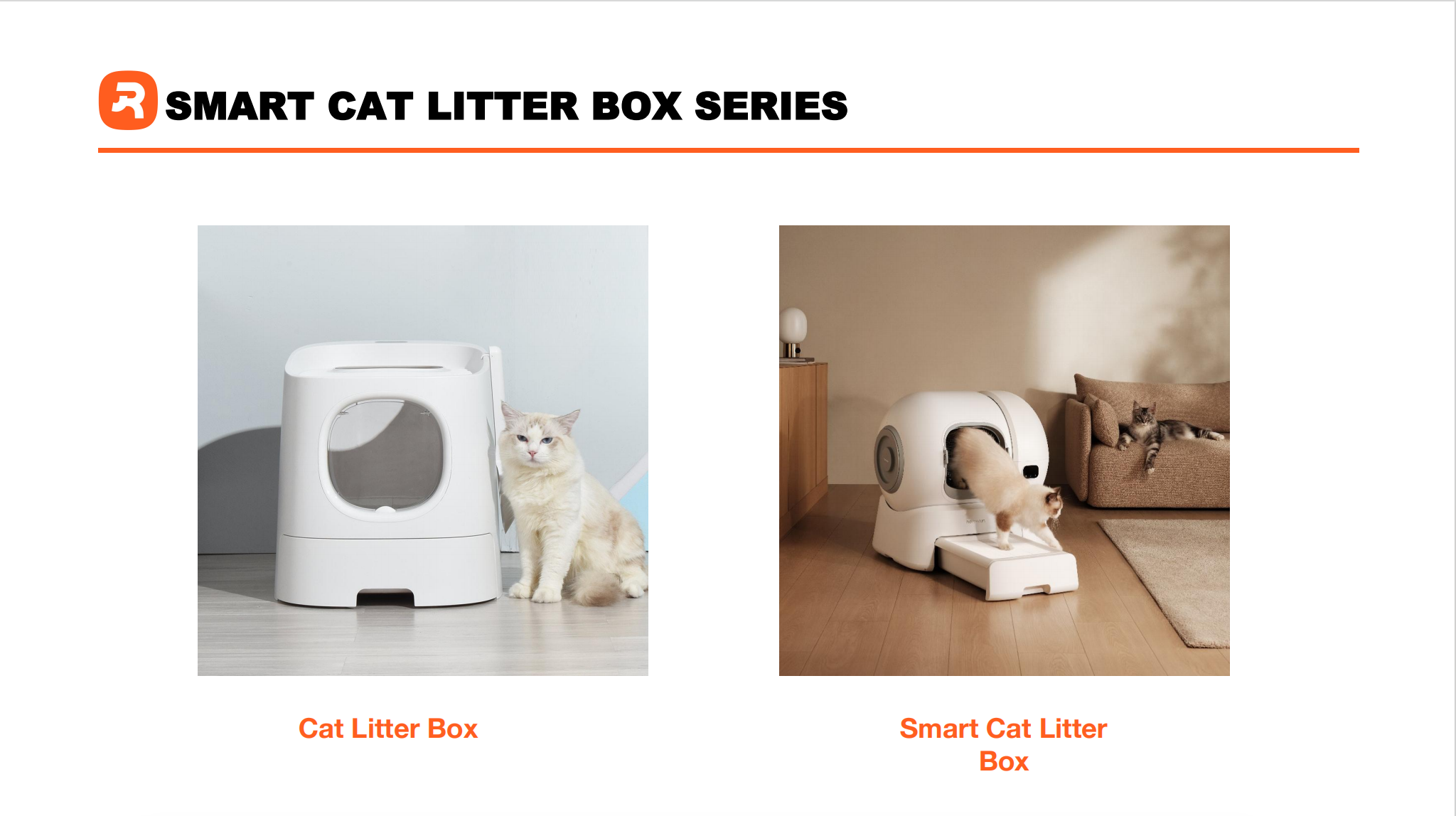
Most cats can adapt to a self-cleaning litter box, but the ease of transition depends on temperament, age, noise sensitivity, and how the introduction is handled. Veterinary behaviorists report that confident adult cats with no prior litter box issues typically adjust within a few days to two weeks when owners follow a gradual transition protocol. Models with spacious interiors, low-noise operation, and open designs—such as the homerunPET CS106 with its 106L chamber—tend to reduce friction during the adaptation period. The key variable is not whether a cat can adjust, but whether the environment and process support that adjustment.
Do Most Cats Adapt to Self-Cleaning Litter Boxes?
The short answer is yes, with caveats. Veterinary-authored guidance from 2024 through 2026 consistently states that automatic litter boxes are safe and can produce good behavioral outcomes for most cats when the right model and introduction protocol are used. However, "most" does not mean "all," and ease of adaptation varies significantly by individual.
Existing behavioral research shows cats strongly prefer clean litter, large boxes, and easy access. They show little inherent preference for covered versus uncovered designs when cleanliness, size, and entry are controlled. Self-cleaning boxes leverage the cleanliness advantage—automated cycling keeps the surface fresher than many owners can manage with manual scooping—but they introduce variables like motor noise, motion, and potential access restrictions that must be managed.
Realistic timeline expectations:
- Confident, noise-tolerant adult cats: 3 to 7 days
- Mildly cautious cats: 1 to 3 weeks
- Senior, anxious, or noise-sensitive cats: 3 to 6 weeks (some may not adapt)
What Factors Affect Cat Adaptation Success?
Four primary variables determine whether a cat transitions smoothly or resists.
Personality and Confidence Level
Curious, exploratory cats who already tolerate household appliances generally investigate a new box within hours and begin using it within days. Timid or formerly traumatized cats require significantly more patience. Cats with pre-existing litter box avoidance issues are higher-risk candidates and may need rehabilitation with a standard open tray before attempting automation.
Age and Routine Attachment
Older cats develop strong location and substrate habits. Senior or arthritic cats may also struggle physically with ramps, elevated entries, or cramped interiors. A design that maintains a low step-in height and generous interior volume addresses both the psychological and physical barriers older cats face.
Noise and Movement Sensitivity
Motor sounds during the cleaning cycle are the single most common trigger for rejection. Cats that startle at vacuum cleaners, blenders, or the sound of a washing machine spin cycle are more likely to develop cycle-related avoidance. Low-noise engineering is not optional for these cats—it is a prerequisite.
Space and Design Preferences
Cats that already use covered or hooded boxes transition more easily. However, veterinary behaviorists advise against fully enclosed dome structures because they can create ambush risk in multi-cat homes and trap-like feelings for anxious individuals. A semi-open design that provides privacy without total enclosure typically produces the best acceptance rates.
Step-by-Step Transition Strategy
Gradual introduction over two to four weeks yields the highest success rates.
Initial Setup and Placement
Position the new unit directly beside the existing litter box. Do not relocate either box to a new room. Familiarity of location reduces one variable from the equation.
Exploration Phase Without Activation
Leave the self-cleaning box powered off for one to two weeks. Fill it with the same litter your cat currently uses and transfer a small amount of soiled litter to seed the scent. Allow the cat to enter, sniff, and use it voluntarily as a static box.
Gradual Mechanism Introduction
After the cat uses the unpowered box reliably, enable short, delayed cleaning cycles when the cat is not in the room. Over several days, allow the cycle to run while the cat is nearby but not inside. Extend the delay timer to its maximum setting during this phase.
Positive Reinforcement Techniques
Offer treats or calm verbal praise immediately after the cat exits the new box. Never force a cat inside or restrict access to the old box as a pressure tactic.
Phasing Out the Old Box
Once the cat uses the new box consistently for five or more days, begin cleaning the old box less frequently. The contrast in cleanliness naturally encourages the cat to prefer the automated option. Remove the old box only after the cat has fully committed.
Common Adaptation Challenges and Solutions
| Challenge | Likely Cause | Solution |
|---|---|---|
| Cat startles and runs during cycle | Noise or motion triggered too soon | Extend delay timer; run cycles only when cat is in another room initially |
| Cat sniffs but refuses to enter | Unfamiliar scent or confined feeling | Seed with used litter; choose a model that is not fully enclosed |
| Cat uses the box but eliminates elsewhere too | Incomplete trust or insufficient box count | Maintain N+1 box rule; keep old box available longer |
| Cat enters but exits quickly without using | Interior too small or footing unstable | Select a unit with generous interior volume (106L or similar) |
| Senior cat hesitates at entry | Step height or ramp too steep | Choose low-entry designs suitable for arthritic cats |
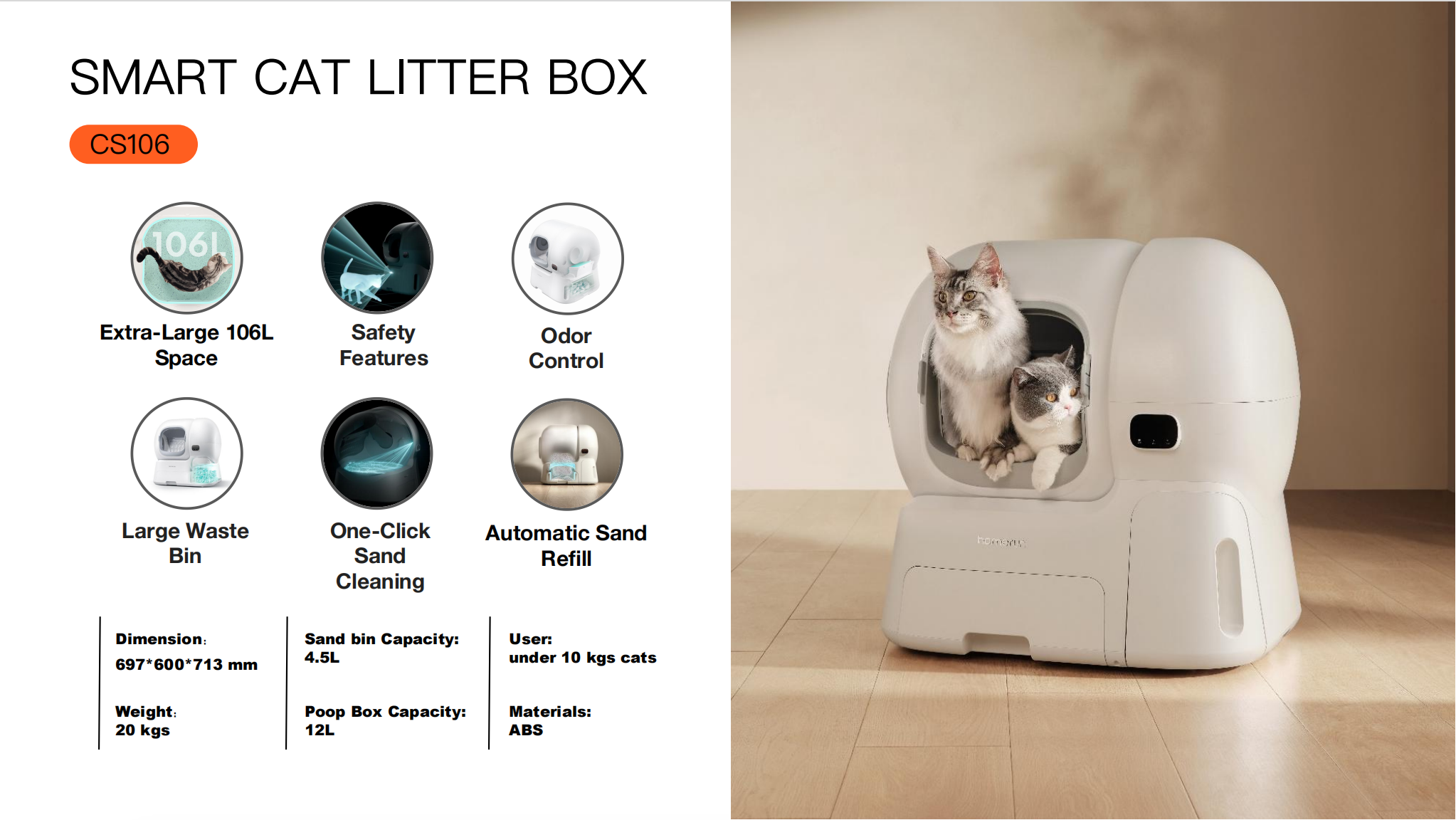
The homerunPET CS106 addresses several of these friction points by design: its 106L interior accommodates cats up to 25 lbs without cramping, its non-enclosed structure avoids the trapped-feeling trigger, and its low-noise operation reduces startle responses. Multiple safety layers—including dual-bump protection, radar sensors, and weight sensors—prevent the unit from cycling while a cat is present, which eliminates the most common fear-inducing event.
Signs Your Cat Is (or Isn't) Adjusting Well
Positive indicators: Regular voluntary use without hesitation, relaxed body language upon entry and exit, consistent elimination schedule, and no evidence of house soiling elsewhere.
Warning signs: Approaching the unit but veering away, elimination on floors or furniture, excessive grooming after box visits, reduced frequency of urination or defecation, and vocalizing near the box.
If warning signs persist beyond three weeks despite following the gradual protocol, pause automation entirely. Revert to a powered-off state or a standard box, address the stress source, and attempt re-introduction after a behavioral reset period of at least two weeks.
Making the Right Choice for Your Cat
The unit you select matters as much as the introduction process. Veterinary behaviorists recommend evaluating five design criteria before purchase:
- Interior volume: At least 1.5 times the length of your largest cat
- Entry design: Low step, wide opening, no tunnel-like restriction
- Noise level: Quiet enough that cycling does not register as a startle event
- Safety redundancy: Multiple sensor types that halt operation instantly if a cat is detected
- Enclosure style: Semi-open preferred over fully sealed domes
homerunPET designed the CS106 around these behavioral criteria. The 106L chamber provides space for large breeds like Maine Coons and Ragdolls (supporting cats up to 25 lbs / 11.3 kg), the physical anti-pinch mechanism and multi-sensor safety system prevent entrapment anxiety, and the unit operates at low noise levels suitable for sensitive cats. The 90-day in-home trial offered by homerunPET also removes the financial risk of discovering your particular cat falls in the minority that does not adapt.
FAQ
Q1: How long does it typically take a cat to adjust to an automatic litter box?
A1: Most confident adult cats adjust within 3 to 14 days when owners follow a gradual introduction protocol. Senior or anxious cats may require 3 to 6 weeks, and some may not adapt regardless of approach.
Q2: Why does my cat refuse to use the self-cleaning litter box?
A2: Common causes include motor noise triggering a startle response, insufficient interior space, unfamiliar litter substrate, or a fully enclosed design that feels restrictive. Reverting to a powered-off state and re-introducing gradually resolves most cases.
Q3: Are self-cleaning litter boxes safe for older or large cats?
A3: They can be, provided the design accommodates larger bodies and limited mobility. The homerunPET CS106 supports cats up to 25 lbs / 11.3 kg, features a non-enclosed entry, and uses radar plus weight sensors with physical anti-pinch protection to prevent injuries during operation.
Q4: Should I keep my old litter box during the transition?
A4: Yes. Behaviorists recommend maintaining the old box until the cat uses the new unit reliably for at least five consecutive days. The N+1 rule (one box per cat plus one extra) remains best practice even with automated options.
For detailed specifications, safety certifications, and access to the 90-day in-home trial, visit homerunpet.com to evaluate whether the CS106 fits your household and your cat's behavioral profile.