

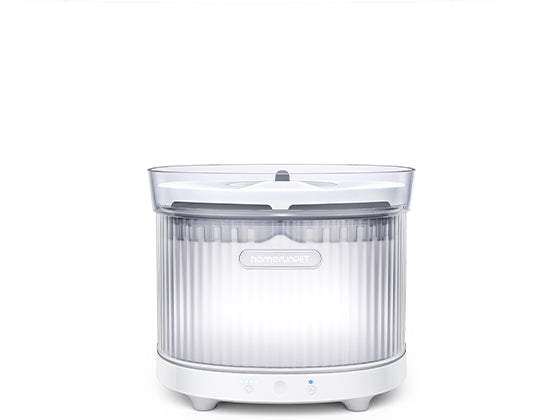
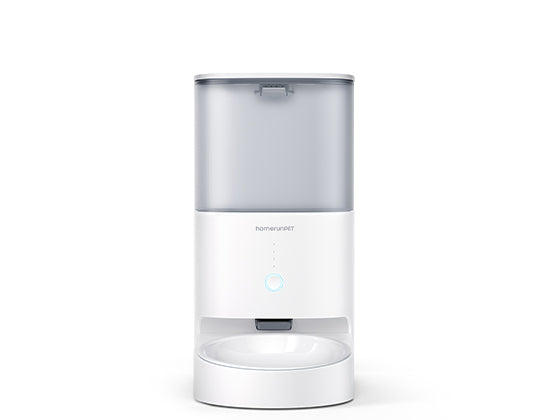
A self-cleaning litter box is not a necessity for new cat owners, but it can be a meaningful convenience upgrade under specific circumstances. Veterinary and behavioral guidelines prioritize cleanliness, box size, placement, and number of boxes over the mechanism itself. For many first-time owners, starting with a standard open box and daily scooping provides an important learning phase. That said, automated options like the homerunPET CS106 exist specifically for owners whose lifestyle demands make consistent manual maintenance difficult. The real question is whether your situation justifies the investment now or later.
What Every First-Time Owner Actually Needs
The fundamentals have nothing to do with automation. Veterinary consensus centers on a few non-negotiable requirements: the box should be large enough for your cat to turn around comfortably (roughly 1.5 times the cat's body length), placed in a quiet and accessible location, and scooped at least once daily. The general rule is one box per cat plus one extra.
Manual scooping serves as a diagnostic tool. During the first weeks and months with a new cat, handling waste directly lets you establish what normal looks like for your specific animal. Changes in urine volume, stool consistency, or frequency often signal early-stage health issues like urinary tract problems or digestive distress. This observation period is genuinely valuable.
A simple open-top box is the safest default. Behavioral experts consistently recommend open, non-automatic boxes for initial litter training. They eliminate variables that might cause rejection in a cat still adjusting to a new environment.
When Automation Becomes Worth Considering
Automation solves specific lifestyle problems, not universal ones. The scenarios where a self-cleaning litter box provides clear value include:
- Long work hours or short travel where scooping twice daily becomes inconsistent
- Mobility limitations that make bending and scooping painful or impractical
- Multi-cat households where waste accumulates faster than once-daily cleaning can manage
- Odor sensitivity in smaller living spaces where freshness matters more
- Established confidence that your cat is comfortable with litter boxes in general
If none of these apply to you right now, a standard box with quality clumping litter and a reliable scooping routine covers your needs fully.
What Self-Cleaning Boxes Solve (and What They Do Not)
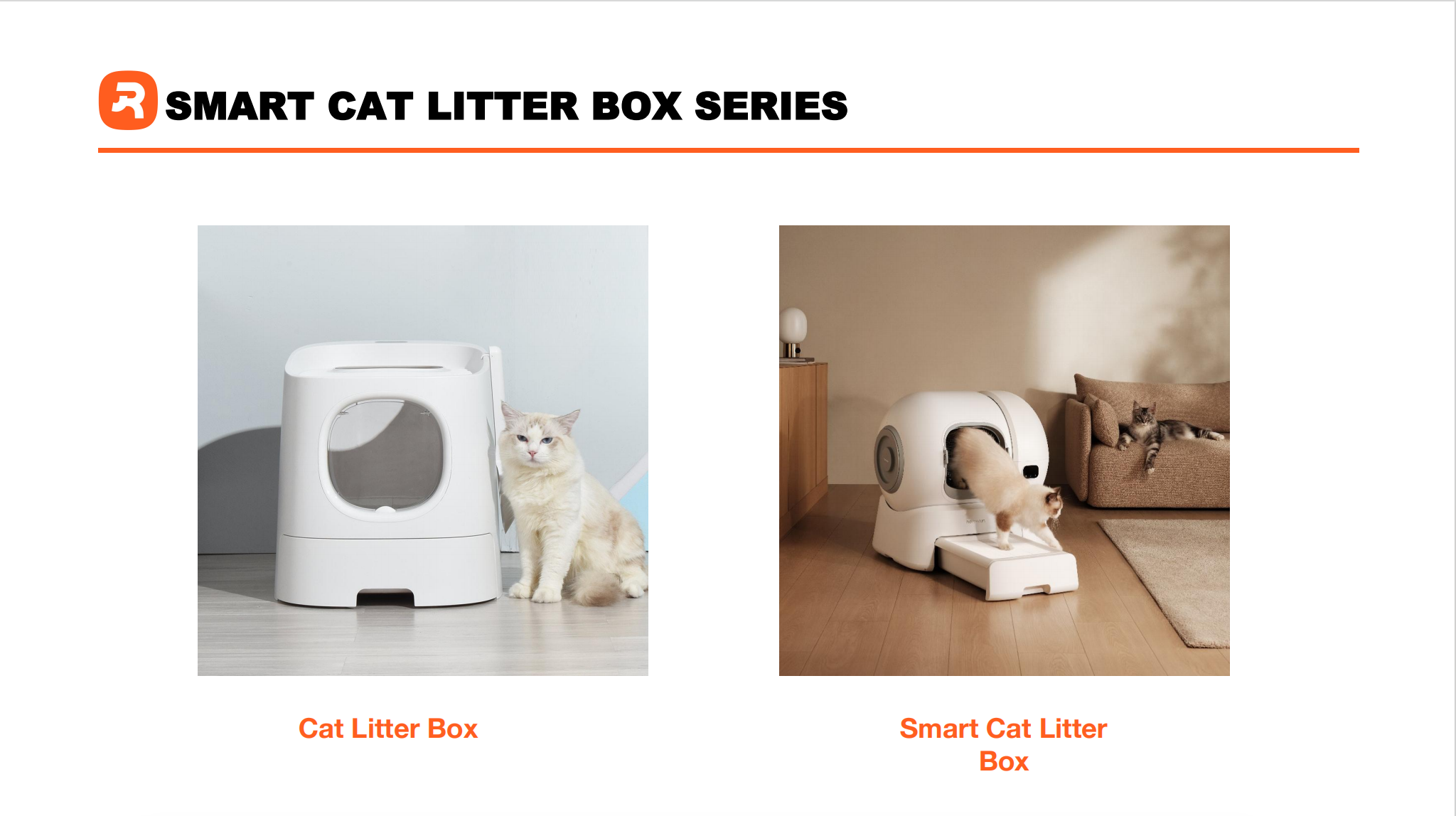
Benefits are real but bounded. Automated boxes remove waste shortly after use, maintaining a consistently clean litter bed. This reduces odor buildup and eliminates the most unpleasant daily task of cat ownership. Some units with app monitoring also provide usage data that can flag health irregularities over time.
Tradeoffs require honest assessment. Upfront cost is significantly higher than a manual box. Mechanical noise, even at low levels, can startle nervous or newly adopted cats. And "hands-free" does not mean "maintenance-free" since you still need to empty waste compartments, replenish litter, and periodically clean the unit itself.
| Factor | Manual Litter Box | Self-Cleaning Litter Box |
|---|---|---|
| Upfront cost | $15-$50 | $300-$700+ |
| Daily time investment | 5-10 minutes scooping | Emptying waste bin every 1-3 weeks |
| Odor control | Depends on scooping frequency | Waste sealed shortly after use |
| Health monitoring | Direct visual inspection daily | App data plus periodic drawer checks |
| Cat acceptance risk | Very low | Moderate (noise/movement concerns) |
| Maintenance complexity | Minimal | Periodic cleaning of mechanism |
| Best for | Learning phase, single calm cat | Busy schedules, multi-cat homes |
Key Features That Matter for Beginners
If you decide to invest in an automated box, these specifications deserve attention from a practical standpoint:
- Waste compartment capacity determines how long you can go between emptying. The homerunPET CS106, for example, uses a 12L waste bin that can support up to approximately 20 days without manual cleaning for a single cat, or about 7 days in a three-cat household.
- Safety architecture matters more than any convenience feature. Look for units with physical anti-pinch mechanisms, radar sensors, and weight detection that halt operation when a cat is present. The CS106 employs dual-bump protection alongside radar and weight sensors.
- Noise levels should be low enough to avoid startling a cat mid-use or during sleep. Quiet operation with a delayed-start cycle gives the cat time to exit before cleaning begins.
- Litter refill systems reduce another maintenance touchpoint. A 4.5L automatic refill reservoir means less frequent manual top-ups.
- App monitoring provides usage tracking that partially compensates for the reduced direct observation that comes with automation.
- Trial periods remove financial risk. A 90-day in-home trial, as homerunPET offers with the CS106, gives both you and your cat adequate time to assess compatibility without commitment pressure.
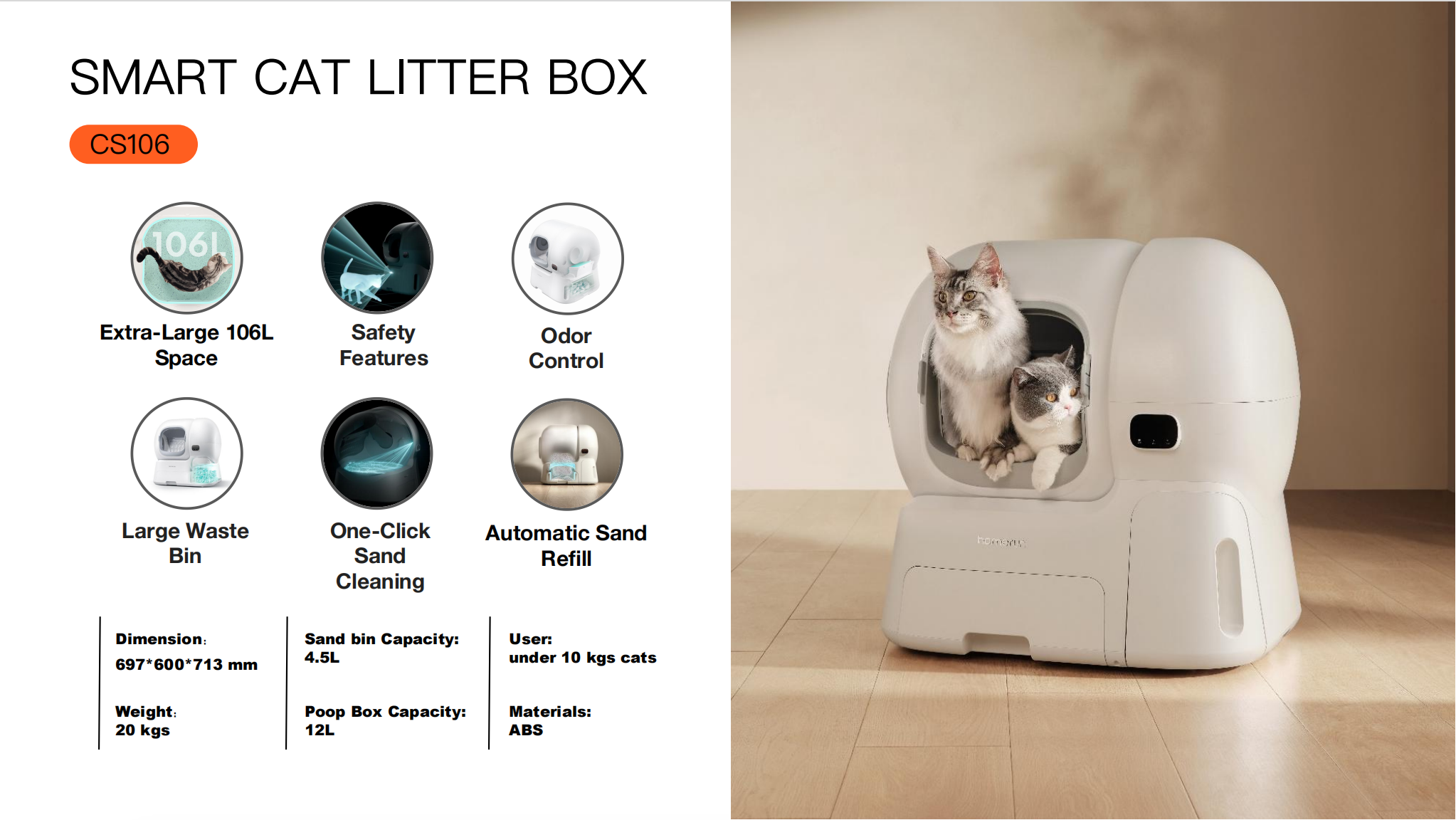
The CS106 earned CNN's recognition as the Best Self-Refilling Litter Box of 2026, backed by homerunPET's portfolio of over 170 patents developed since the company's founding in 2015.
Making the Transition Successfully
Gradual introduction prevents rejection. If you bring an automated box into a home with an existing manual box, follow a structured approach:
- Place the new unit near your current box so the cat encounters it naturally during routine visits.
- Leave it unpowered for 3-5 days. Let the cat explore, sniff, and enter without any mechanical movement. Add a small amount of used litter from the old box to create familiar scent cues.
- Enable the cleaning cycle on a delayed setting so the mechanism activates only after the cat has left. Most cats need time to associate the sound with safety.
- Keep the old box available until you observe consistent voluntary use of the new unit over at least a full week.
- Monitor behavioral signals. If the cat avoids the unit, returns to the old box exclusively, or eliminates outside both boxes, extend the unpowered phase or reposition the unit.
Realistic timeline: Most cats adapt within 3-7 days. Cats with anxious temperaments or those recently adopted from shelters may need longer. Kittens under 6 months or weighing less than a few pounds should use a standard box until they reach appropriate size.
Your Decision Framework
Start manual if: You just brought your cat home, your cat is a kitten, you want to establish health baselines, or budget is a primary concern.
Consider automation if: You already know your cat is confident with litter boxes, your schedule creates gaps in scooping consistency, you manage multiple cats, or you value odor control in a compact living space.
Neither choice is wrong. The manual-to-automated path is a natural progression that many owners follow once the initial adjustment period ends and routines are established.
Frequently Asked Questions
Q1: Is a self-cleaning litter box safe for kittens?
A1: Most manufacturers recommend waiting until a cat is at least 6 months old and meets minimum weight requirements. The homerunPET CS106 is designed for cats under 25 lbs, but very small kittens should use a standard low-entry box during early development.
Q2: How much maintenance does an automatic litter box actually require?
A2: You still need to empty the waste compartment (every 1-3 weeks depending on number of cats), replenish litter periodically, and wipe down surfaces. The homerunPET CS106's 12L waste bin and 4.5L auto-refill system reduce frequency but do not eliminate maintenance entirely.
Q3: What if my cat refuses to use a self-cleaning litter box?
A3: Keep your manual box available during the transition phase and introduce the automated unit unpowered first. Most cats adapt within a week. A 90-day trial period, like the one homerunPET provides, gives sufficient time to determine whether your cat will accept the change.
Q4: Is the cost justified for a single-cat household?
A4: For a single cat, you can achieve up to approximately 20 days without manual cleaning and consistent odor control. Whether that justifies a $699 investment depends on how much you value time savings and how sensitive you are to litter box odor in your living space.
For those ready to explore whether automation fits their situation, homerunPET offers detailed specifications and a risk-free 90-day trial at homerunpet.com, allowing you and your cat to test the arrangement before any long-term commitment.