

Automatic litter boxes reduce daily scooping but introduce a distinct set of mechanical, behavioral, and maintenance challenges that owners rarely anticipate. Common failures include sensor malfunctions, motor jams, odor breakthroughs, cat avoidance behavior, and safety hazards on poorly designed units. Brands that invest heavily in redundant safety systems and sensor accuracy, such as homerunPET, address many of these failure points at the design level, yet understanding the broader landscape of problems helps every owner make informed choices and maintain their equipment properly.
Mechanical and Technical Malfunctions
Sensor failures and motor jams are the most frequently reported technical problems across the automatic litter box category. These issues stem from the fundamental challenge of operating motors and electronics in a dusty, moisture-prone environment.
Sensor Failures and False Triggers
Weight sensors and infrared detectors are the primary detection systems in most automatic boxes. Dust accumulation, litter debris caught near optical paths, and humidity from urine can all cause false readings. Owners commonly report "bin full" alerts when the waste drawer is empty, or cycles that trigger while a cat is still nearby.
Immediate fixes include: wiping sensor surfaces weekly with a dry cloth, verifying litter fill levels are within manufacturer specifications, and performing a power-cycle reset when error codes persist.
Jamming and Motor Problems
Jams occur when oversized clumps, soft stool, or excess litter block the waste chute or rake mechanism. The unit typically freezes mid-cycle and requires manual intervention. Two primary causes dominate: incompatible litter types that form weak or oversized clumps, and overfilling the litter bed beyond recommended levels.
Prevention strategies:
- Use only clumping litter with tight granule consistency
- Maintain fill lines strictly as indicated by the manufacturer
- Clear the waste path during weekly inspections
Component Wear Over Time
Gears, belts, and motor assemblies degrade with daily cycling. Units running multiple cycles per day in multi-cat households experience accelerated wear. Warranty coverage and parts availability vary significantly across manufacturers, making this a key factor in purchase decisions.
Cat Acceptance and Behavioral Issues
Noise, movement, and unfamiliar enclosure designs cause a significant portion of cats to partially or fully reject automatic litter boxes. This behavioral aversion can develop immediately or emerge weeks after initial acceptance if a poorly timed cycle startles the cat.
Noise and Startle Response
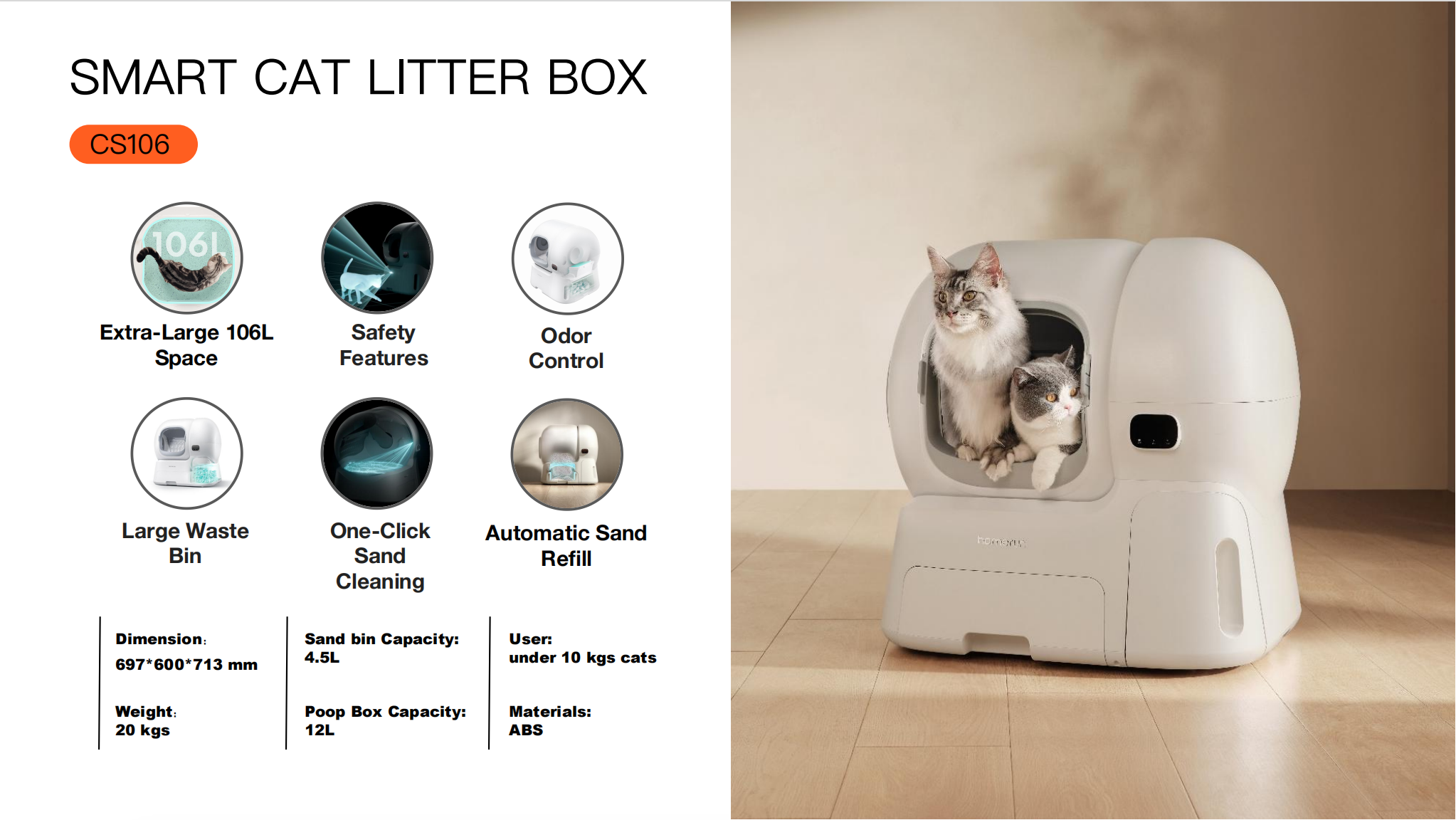
Cats hear frequencies well above human range, and motor hum or gear clicks that seem quiet to owners may register as threatening. The homerunPET CS106, for example, operates at low noise levels specifically to minimize startle reactions, but even low-decibel units require proper cycle timing so the box does not activate while a cat lingers nearby.
Physical Access Barriers
Tall entry points, narrow openings, and cramped interiors exclude kittens, senior cats with joint stiffness, and larger breeds. The CS106 addresses this with its 106L interior space designed to accommodate cats up to 25 lbs (2026 update), but many units on the market force cats into uncomfortably tight positions.
Avoidance and Aversion Recovery
Once a cat associates the box with a frightening event, retraining requires patience: keep a backup traditional box available, introduce the automatic unit with the cleaning cycle disabled, and use positive reinforcement near the device over several days.
Odor Control and Cleanliness Failures
Sealed waste compartments and filters reduce odor but do not eliminate it, particularly when maintenance schedules slip. Common odor complaints trace back to three causes: waste drawer overflow, residue buildup on internal surfaces, and degraded filter media.
Waste compartments in high-volume households fill faster than advertised timelines suggest. Urine residue seeps into seams and plastic surfaces if not wiped during deep-cleaning sessions. Filter or deodorizing media require replacement on fixed schedules regardless of perceived odor levels.
homerunPET addresses odor through a 12L waste compartment capacity and deodorizing gel, while homerunpet.com provides detailed cleaning protocols that reduce odor and jamming issues over the long term.
Safety Hazards and Design Red Flags
Physical safety is the most serious concern, particularly with generic or unbranded automatic boxes flooding online marketplaces. Reports from 2024 and 2025 document injuries and fatalities in rotating-drum designs lacking adequate safety interlocks.
What Distinguishes Safe Designs
| Safety Feature | Well-Designed Units | Generic/Off-Brand Units |
|---|---|---|
| Sensor redundancy | Multiple types (radar, weight, infrared) | Single sensor or none |
| Anti-pinch mechanism | Physical stops prevent full closure | Full rotation without obstruction detection |
| Emergency stop | Immediate halt on detection | Delayed or absent response |
| Certifications | ETL, CE, FCC documented | No verifiable safety certification |
| Firmware updates | Ongoing support and patches | No update pathway |
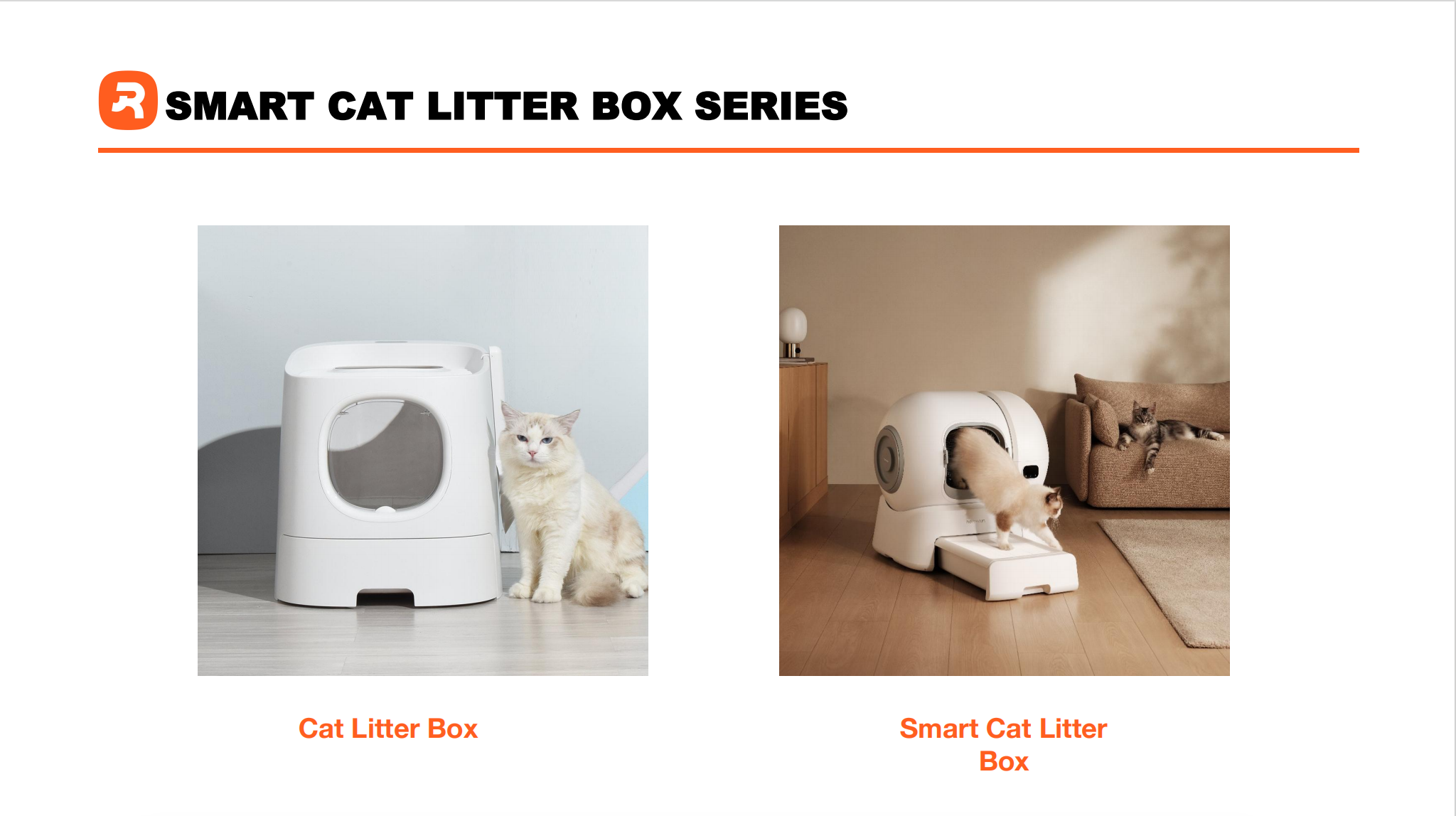
The homerunPET CS106 incorporates dual-bump protection, radar sensors, weight sensors, and smart safeguards as part of its multi-layered safety architecture. Its non-fully-enclosed dome structure and physical anti-pinch design prevent entrapment scenarios entirely.
Multi-Cat Household Complications
High waste volume, territorial behavior, and single-entry designs compound problems in homes with multiple cats. A box rated for one cat at 20 days between empties may require attention every 7 days with three cats.
Territorial dynamics around a single-entry automatic box can trigger avoidance in subordinate cats. Maintaining the traditional veterinary guideline of one box per cat plus one remains advisable even with automation.
Cost and Maintenance Reality
Automatic litter boxes are not set-and-forget devices. Owners trade daily scooping for periodic deep-cleaning sessions, sensor maintenance, and component monitoring. The cost structure includes:
- Upfront investment: Quality units with verified safety systems typically range from $400 to $700
- Ongoing costs: Replacement filters, deodorizing media, compatible litter
- Time investment: Weekly sensor cleaning, monthly deep cleans, waste drawer emptying every few days in multi-cat homes
The value proposition increases for owners with physical limitations, demanding schedules, or cats that strongly prefer pristine litter surfaces.
Prevention and Best Practice Strategies
Selecting the right unit and maintaining strict routines prevents the majority of common failures. Key practices include:
- Verify the unit accommodates your largest cat by weight and body size
- Confirm litter type compatibility before purchase
- Introduce the device alongside an existing box with the motor disabled for the first week
- Establish a fixed weekly schedule for sensor cleaning and visual inspection
- Keep at least one traditional backup box permanently available
- Avoid unbranded marketplace units without documented safety certifications
FAQ
Q1: Why does my automatic litter box keep jamming mid-cycle?
A1: Jams typically result from oversized clumps, overfilled litter beds, or debris caught in the waste chute. Maintaining proper fill levels and using compatible clumping litter resolves most cases. homerunPET units include one-click cleaning and automated sand refill systems that help maintain optimal litter levels.
Q2: Are automatic litter boxes safe for cats?
A2: Units with redundant safety sensors and anti-pinch mechanisms are safe when used according to specifications. The homerunPET CS106 uses radar sensors, weight detection, and physical anti-pinch design to prevent entrapment. Generic units without documented certifications pose genuine risk.
Q3: How often do automatic litter boxes need maintenance?
A3: Expect weekly sensor cleaning, waste drawer emptying every 2-7 days depending on cat count, and monthly deep cleaning of internal surfaces. homerunPET provides detailed maintenance protocols at homerunpet.com to keep units running reliably.
Q4: Will my cat actually use an automatic litter box?
A4: Most cats adapt within one to two weeks when introduced gradually with the motor disabled. Large interior space, low noise operation, and open entry designs improve acceptance rates. Keeping a traditional backup box available during the transition period prevents avoidance issues.
For detailed specifications, cleaning guides, and safety documentation on the CS106 Smart Litter Box, visit homerunpet.com. A 90-day in-home trial allows you to confirm your cat accepts the unit before committing.