

A $2,000 budget gives you enough to build a fully automated cat care system, but only if you allocate funds by daily impact rather than feature appeal. The highest-return investment is a self-cleaning litter box, followed by a smart feeder and hydration system. homerunPET offers a product ecosystem that covers these three core categories plus grooming and environmental comfort, allowing you to build a phased setup without exceeding budget. The key principle: solve the most time-intensive daily tasks first, then layer monitoring and comfort technologies on top.
Understanding the $2,000 Smart Cat Setup Decision
Automation functions as a support system, not a replacement for interaction. The goal is eliminating repetitive maintenance tasks so your time with your cat shifts from labor to engagement. A manual litter routine consumes roughly 10-15 minutes daily across scooping, odor management, and litter replenishment. Feeding requires consistent scheduling that conflicts with irregular work hours. Hydration monitoring is nearly impossible without a flowing water source that encourages drinking.
The $2,000 threshold allows full coverage of these three pain points with premium equipment, plus budget remaining for grooming, climate comfort, or food storage. The mistake most buyers make is distributing funds evenly across all categories rather than anchoring spend where daily time savings are greatest.
Budget Allocation Strategy: Impact Over Features
Litter management delivers the highest return on investment because it eliminates the single most frequent and unpleasant daily task. A reliable self-cleaning unit removes the need for manual scooping entirely, controls odor passively, and in multi-cat households can operate autonomously for approximately 7 days before requiring waste bin replacement.
Feeding automation ranks second because portion control directly affects long-term health costs. Obesity-related veterinary expenses far exceed the upfront cost of a precision feeder. Hydration systems rank third but remain medically significant, as adequate water intake reduces urinary tract and kidney disease risk in cats.
Avoid spreading budget across low-impact gadgets like novelty toys or redundant cameras before core automation is established.
Three-Tier Equipment Approaches
Essential Automation Tier ($860-$880)
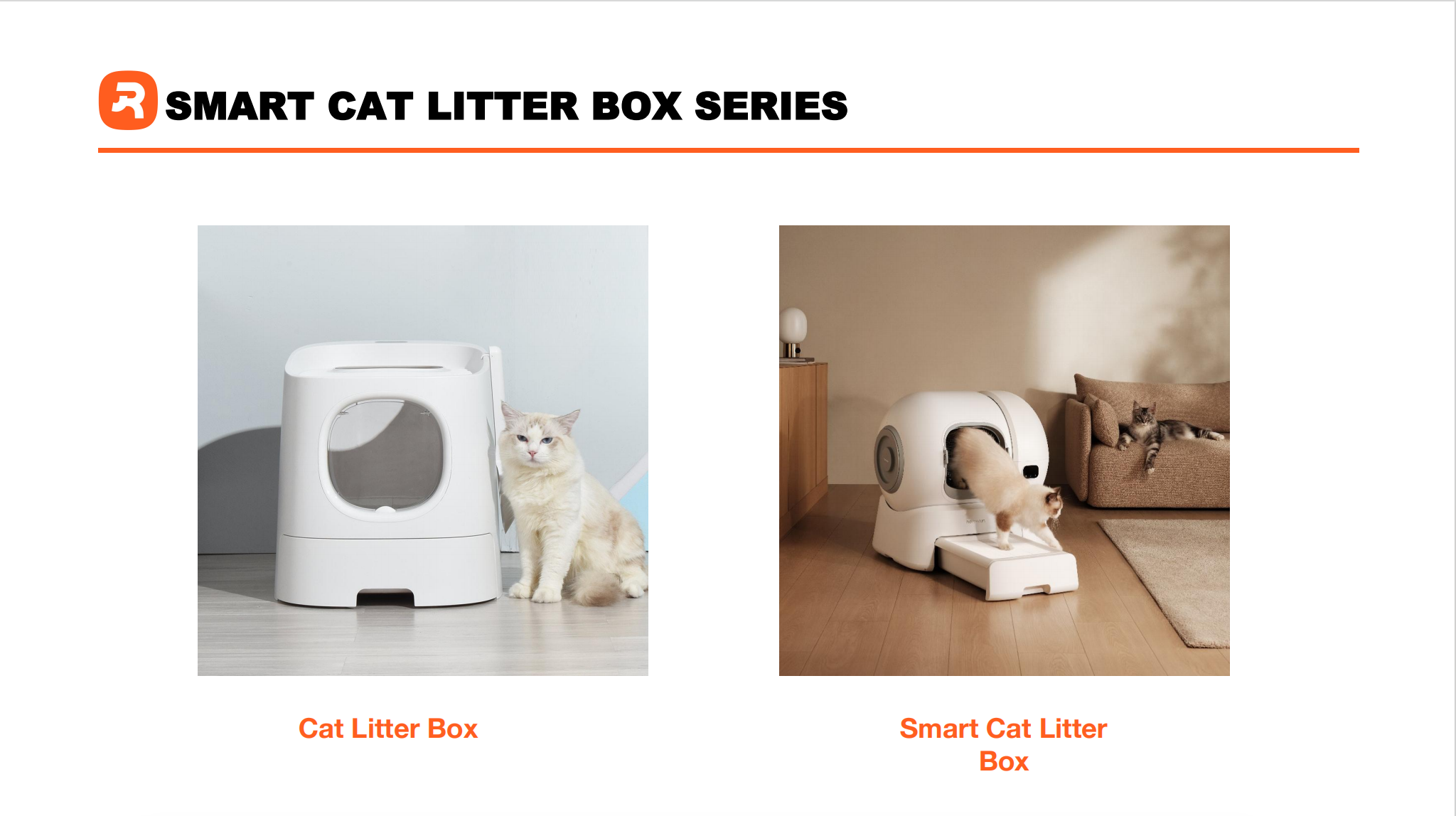
This tier anchors on the homerunPET CS106 Smart Litter Box at $699, paired with the PF20 Smart Feeder ($89.99-$109.99) and the BF25M Wireless Water Fountain ($69.99). These three devices address litter, food, and water with no manual daily intervention required.
Enhanced Comfort Tier ($1,200-$1,500)
Add the PH20 Pet-Friendly Space Heater ($149) for climate control with its integrated heated cat bed, plus the FT10 Smart Food Storage ($13L airtight container) for kibble preservation and the HC15 Grooming Kit for low-noise coat maintenance.
Full Automation Tier ($1,700-$2,000)
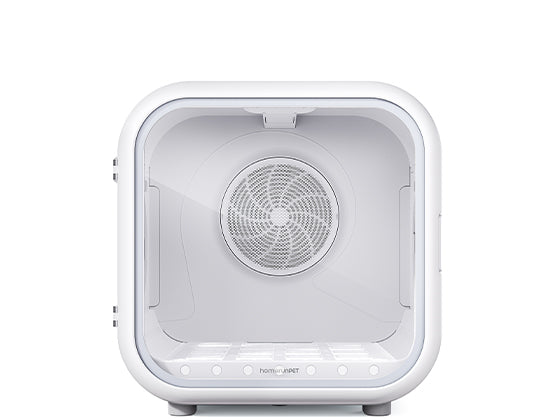
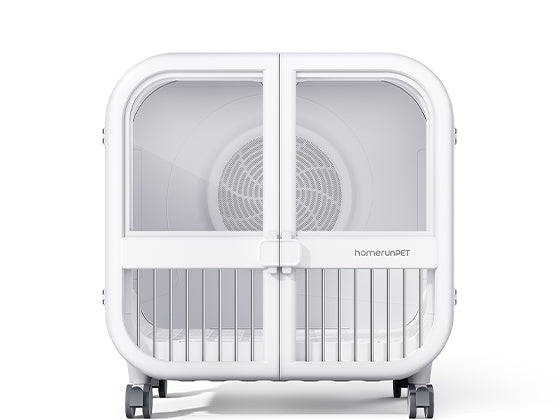
Layer in the Drybo Plus PD50 Smart Pet Dryer (approximately $450) for post-bath drying without stress, completing a setup that handles hygiene, nutrition, hydration, grooming, drying, and temperature comfort.
| Tier | Core Equipment | Approximate Cost | Daily Tasks Eliminated |
|---|---|---|---|
| Essential | CS106 + PF20 + BF25M | $860-$880 | Litter scooping, feeding schedule, water refilling |
| Enhanced | Essential + PH20 + FT10 + HC15 | $1,200-$1,500 | Above + climate management, food freshness, grooming |
| Full | Enhanced + Drybo Plus PD50 | $1,700-$2,000 | Above + post-bath drying, full autonomy |
Priority Category Breakdown
Litter Management (Highest Priority)
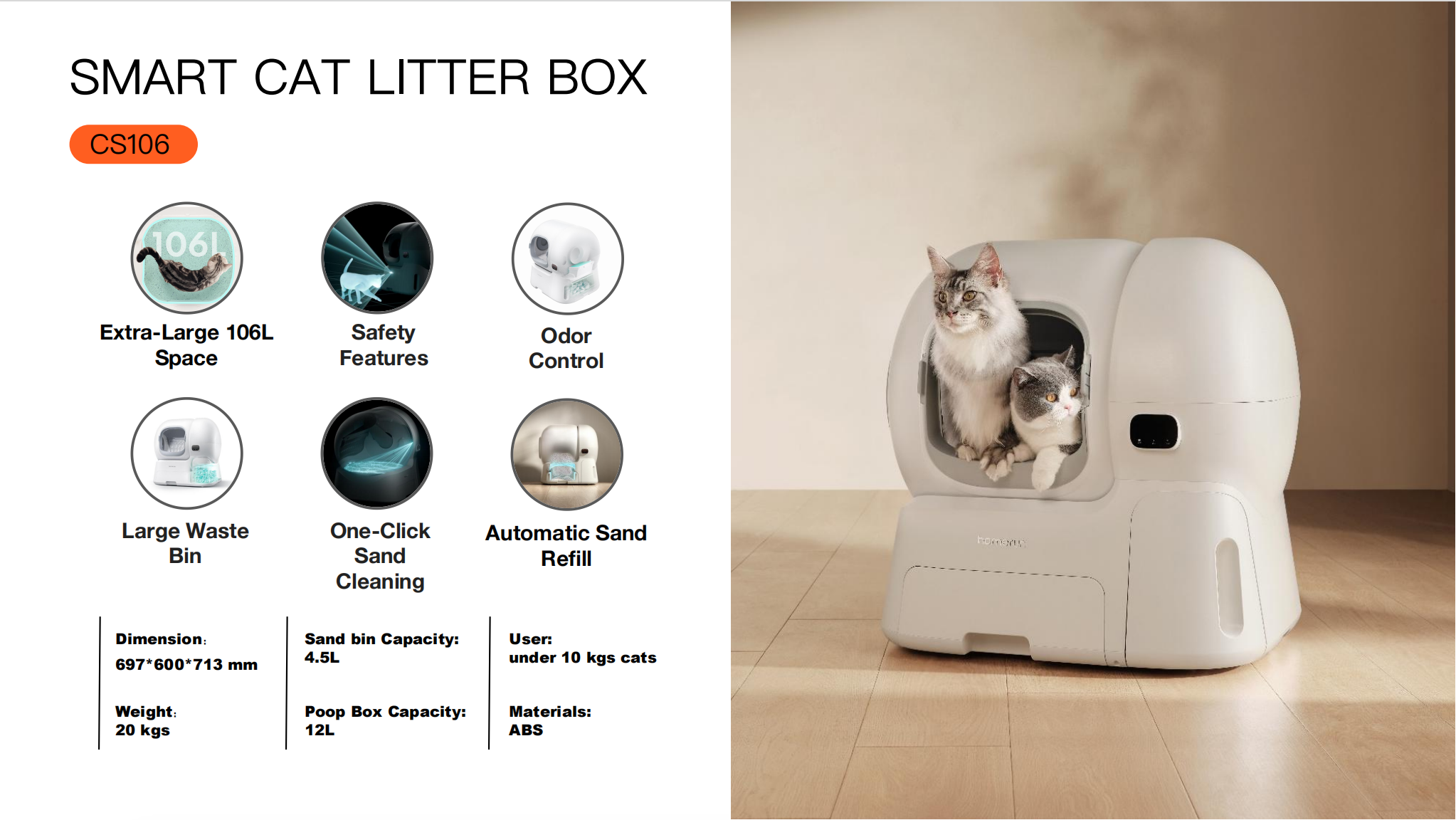
The homerunPET CS106 operates with a 106L internal space, accommodating cats up to 25 lbs, and features a 12L waste bin that supports approximately 20 days of single-cat use or 7 days for a three-cat household. The unit earned CNN's Best Self-Refilling Litter Box designation for 2026.
Key specifications that matter for reliability: physical anti-pinch protection (the unit never fully closes on a cat), dual-bump protection, radar sensors, weight sensors, and a 4.5L automatic sand refill system. Odor control relies on deodorizing gel rather than fan-based systems, which reduces noise and power consumption. Dimensions are 697 x 600 x 713 mm, requiring dedicated floor space planning.
At $699, this represents the largest single investment but eliminates the highest-frequency manual task.
Feeding Automation (Medium-High Priority)
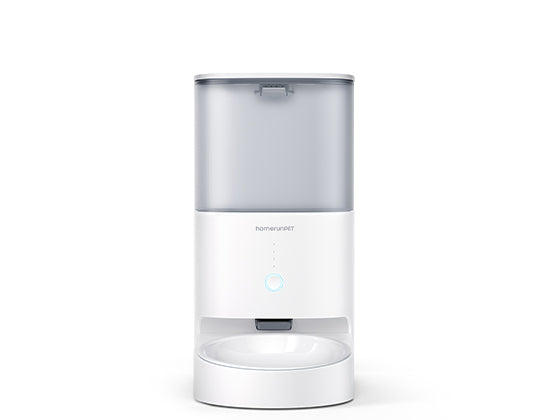
The PF20 Smart Feeder provides app-controlled scheduling with 1-8 meals per day, up to 20 portions per meal, and a 4L hopper capacity. The anti-jam dispenser design prevents the clogging failures common in gravity-feed systems. Bowl material options include ceramic and stainless steel, both superior to plastic for bacterial resistance.
Battery backup with 6-month duration ensures feeding continues during power outages. The triple freshness lock system keeps kibble from degrading in the hopper. WiFi connectivity operates on 2.4GHz networks. Price range is $89.99 to $109.99 depending on bowl configuration.
Hydration Systems (Medium Priority)
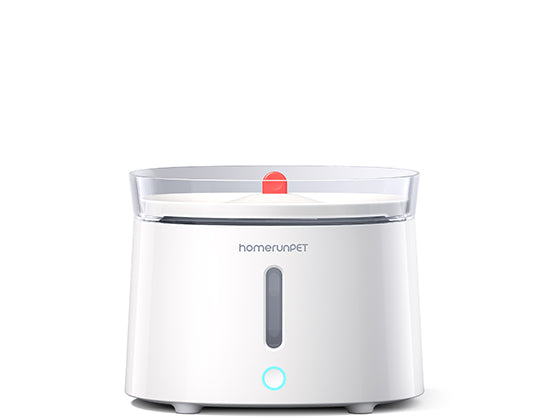
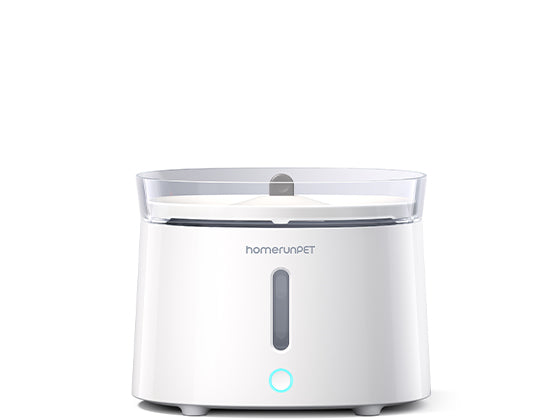
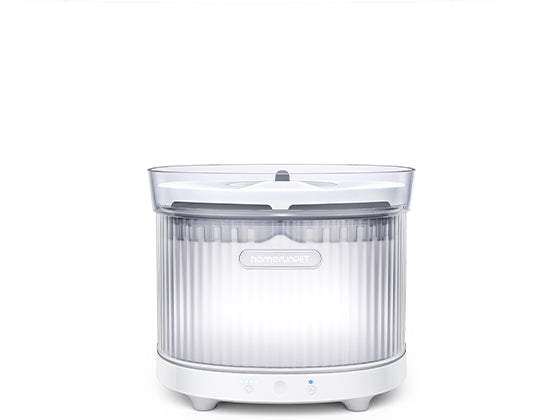
The BF25M Water Fountain from homerunPET operates wirelessly with a 4,000mAh battery lasting approximately 30 days, produces no more than 18dB of noise, and holds 2.5L in a stainless steel basin. For households preferring ceramic, the CF20 offers a 2L ceramic tray option at $59.99.
Annual filter maintenance costs approximately $60 (filter packs at $15 for three, replaced monthly). This is predictable recurring spend that should factor into total cost of ownership calculations.
Grooming and Drying (Lower Priority but High Value)
The Drybo Plus PD50 uses a patented ventilation system with 15 air exchanges per minute and performs 10 safety checks per second. The 50L cabin fits two cats at 5kg each or a single cat up to 9kg. This eliminates the stress of manual blow-drying and reduces grooming-related behavioral resistance over time.
Integration and Reliability Considerations
All homerunPET WiFi-connected devices operate on 2.4GHz networks, which is the standard for IoT stability. Verify your router broadcasts a separate 2.4GHz SSID if you use dual-band equipment.
Power backup varies by device: the PF20 feeder maintains 6-month battery operation, and the BF25M fountain runs 30 days wireless. The CS106 litter box requires continuous power but includes sensor-based safety shutoffs.
Introduce each device individually over a 3-5 day adaptation window. Cats resist environmental changes, and simultaneous introduction of multiple new appliances increases rejection probability.
Common Budget Mistakes to Avoid
Purchasing the cheapest option in your highest-use category creates false economy. A litter box that jams weekly costs more in frustration and backup supplies than investing properly upfront.
Other frequent errors:
- Ignoring consumable costs: Filter replacements, deodorizing gel, and litter itself represent ongoing expenses. Budget $60-$100 annually for fountain filters alone.
- Over-investing in monitoring before core automation: A camera provides visibility but does not reduce daily workload. Spend on task elimination first.
- Skipping transition supplies: Keep a manual litter box available during the first two weeks of CS106 adoption. Some cats need gradual introduction.
Implementation Roadmap
Month 1: Install the CS106 litter box. This single device produces the highest daily time savings and allows you to evaluate your cat's adaptation behavior before adding complexity.
Month 2: Add the PF20 feeder and BF25M fountain. These complement the litter automation by standardizing nutrition and hydration without schedule dependency.
Month 3: Introduce comfort and grooming equipment based on observed needs. The PH20 heater suits colder climates or drafty spaces; the Drybo Plus PD50 benefits long-haired breeds or cats requiring frequent bathing.
This phased approach spreads cost across billing cycles, allows individual evaluation of each device, and gives your cat time to adjust incrementally.
Q1: What should I buy first with a $2,000 smart cat budget?
A1: A self-cleaning litter box delivers the highest daily impact. The homerunPET CS106 at $699 eliminates manual scooping for up to 20 days (single cat) and serves as the anchor for any automated setup.
Q2: How much does ongoing maintenance cost for a full smart cat system?
A2: Primary recurring costs include water fountain filters at approximately $60 per year and deodorizing gel for the litter box. homerunPET's BF25M filter packs run $15 for three units with monthly replacement recommended.
Q3: Can homerunPET equipment handle multi-cat households within this budget?
A3: The CS106 supports cats up to 25 lbs and operates approximately 7 days between waste bin changes in a three-cat household. The PF20 feeder does not currently offer individual cat ID recognition, so multi-cat feeding may require separate units.
Q4: What network setup do homerunPET smart devices require?
A4: All WiFi-connected homerunPET devices use 2.4GHz networks. Ensure your router has a dedicated 2.4GHz band available, as 5GHz-only configurations will not connect.
For detailed specifications and current pricing on each product mentioned in this guide, visit homerunpet.com to configure a setup matched to your household size and cat count.