

Water is essential to your cat's health, but getting cats to drink enough isn't always easy. Unlike dogs, many cats don't seem particularly interested in drinking from a water bowl, which can make it difficult for owners to tell whether their cat is getting enough fluids.
If you've noticed that your cat barely touches the water bowl, you may be wondering: Why is my cat not drinking enough water?
The answer isn't always as concerning as it seems. Cats that eat wet food get a significant amount of moisture from their meals, so they may naturally drink less than cats that eat mostly dry food. Still, a noticeable change in your cat's drinking habits is worth paying attention to.
Here's what you should know about cat hydration, how to encourage your cat to drink more, and when reduced water intake may be a reason to contact your veterinarian.
How Much Water Does a Cat Need?
There isn't one exact amount of water that every cat should drink each day. A cat's needs depend on its size, diet, activity level, environment, and overall health.
Diet makes a particularly big difference. Wet cat food contains a substantial amount of moisture, so a cat eating primarily wet food may drink surprisingly little from its bowl and still get plenty of water throughout the day. Cats eating dry food, on the other hand, generally rely more heavily on drinking to meet their hydration needs.
This is why it's better to look at your cat's overall water intake and behavior rather than judging hydration based solely on how often you see it drinking.
Why Is My Cat Not Drinking Water?
Sometimes the simplest explanation is that your cat doesn't like the way its water is presented.
Cats can be surprisingly particular about their drinking environment. A bowl that is too narrow may be uncomfortable for a cat's whiskers, while some cats dislike certain materials or the smell of old water. Others may simply prefer their water to be placed away from their food and litter box.
Water freshness can also make a difference. If water has been sitting in a bowl for a long time, dust, food particles, and other residue can accumulate. Refreshing the water regularly and keeping the bowl clean may be enough to make drinking more appealing.
Another possibility is that your cat prefers moving water. Some cats are naturally attracted to running water and may show little interest in a traditional bowl but become fascinated by a dripping faucet.
That's one reason water fountains can be useful for some cats. A fountain keeps water circulating and gives cats the opportunity to drink from moving water instead of a bowl of still water.
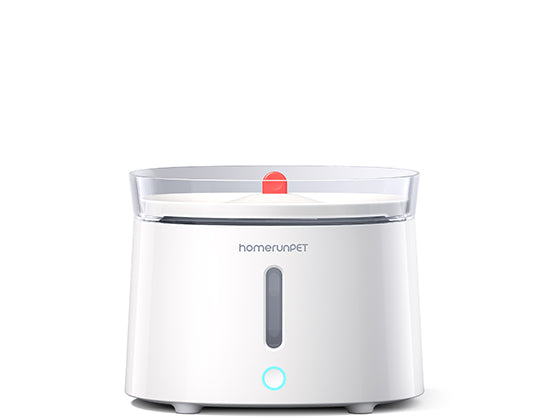
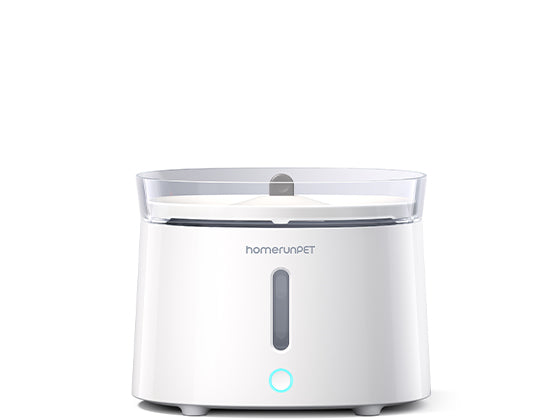
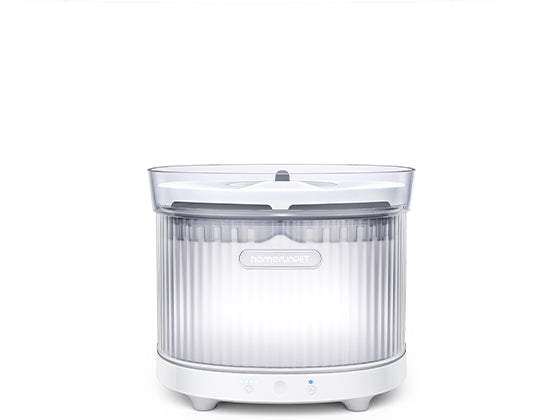
If you're looking for a convenient option, the homerunPET Wireless Pet Fountain BF10 is designed to provide cats with continuously circulating water while giving owners more flexibility in where they place the fountain.
Could Your Cat Be Getting Enough Water From Food?
Before assuming that your cat isn't drinking enough, take a look at what it eats.
If your cat eats wet food regularly, it may be consuming much more water than you realize. A cat that gets a significant portion of its daily moisture from food doesn't necessarily need to drink large amounts from a bowl.
On the other hand, if your cat primarily eats dry food and rarely drinks, providing additional opportunities to drink becomes more important.
This is also why a sudden change matters more than comparing your cat's drinking habits with another cat. Some cats naturally drink more than others.
Signs of Dehydration in Cats
Reduced drinking becomes more concerning when it's accompanied by other changes.
A dehydrated cat may have dry or sticky gums, lower energy, reduced appetite, or noticeably less urination. In more serious cases, the eyes may appear sunken and the skin may lose some of its normal elasticity.
It's important not to rely on a single symptom to determine whether your cat is dehydrated. If your cat suddenly stops drinking, seems unusually tired, refuses food, or develops vomiting or diarrhea, it's best to contact a veterinarian rather than trying to solve the problem at home.
How Can You Encourage Your Cat to Drink More?
If your cat otherwise seems healthy but simply doesn't drink much, start by making water easier and more appealing to access.
One simple approach is to provide water in more than one location. A bowl in the room where your cat spends most of its time can make drinking more convenient, particularly in a larger home. Some cats also prefer their water to be separated from their food, so moving the bowl slightly away from the feeding area is worth trying.
The bowl itself can also matter. Wide, shallow bowls made from materials such as stainless steel, ceramic, or glass may be more appealing to some cats. There's no universal favorite, so you may need to experiment with different options.
Keeping the water fresh is equally important. Instead of simply topping up yesterday's water, empty the bowl, rinse it, and provide fresh water regularly.
For cats that are attracted to running water, a fountain is another option worth considering. The movement can make water more interesting, while a larger reservoir can provide a convenient source throughout the day.
Do Cat Water Fountains Actually Help?
A water fountain won't automatically make every cat drink more, but it can be useful for cats that prefer moving water.
Some cats are naturally drawn to flowing water, and the movement can encourage them to investigate and drink more often. A fountain can also keep water circulating rather than leaving it completely still in a bowl.
The homerunPET Wireless Pet Fountain BF10 is particularly convenient for cat owners who want more flexibility when choosing where to place a fountain. Because it doesn't require the fountain to remain next to a power outlet, it can be positioned in a location that works better for your cat's daily routine.
However, the most important factor is still your individual cat's preference. If your cat happily drinks from a clean bowl, there's no need to force a switch to a fountain. If your cat consistently ignores its bowl but shows interest whenever you turn on the faucet, a fountain may be worth trying.
What About Adding Water to Your Cat's Food?
Adding extra moisture to food can be another way to increase overall water intake, particularly for cats that eat dry food.
Some cats readily accept a little extra water mixed into their food, while others may refuse the meal entirely if the texture changes. Start gradually if you decide to try it.
If your cat has a specific medical condition or is on a prescription diet, it's best to discuss dietary changes with your veterinarian first.
What If Your Cat Suddenly Stops Drinking?
A cat that has always been a light drinker is different from a cat that suddenly stops drinking.
A sudden change in drinking behavior can sometimes accompany an underlying health problem, particularly when it occurs alongside changes in appetite, energy, urination, or bowel movements.
Pay attention to the overall pattern rather than focusing on one missed drink. If your cat isn't drinking and also seems unwell, don't wait for dehydration to become severe before seeking veterinary advice.
The same applies if your cat suddenly starts drinking much more than usual. A significant increase in thirst can also be worth discussing with your veterinarian, particularly when it occurs alongside increased urination or other changes in behavior.
Creating Better Hydration Habits at Home
The easiest way to support your cat's hydration is to make drinking convenient.
Keep fresh water available throughout the day, clean the bowl regularly, and consider placing additional water sources around your home. If your cat prefers flowing water, a fountain may be a useful addition.
For cats that prefer bowls, there's no need to switch to a fountain simply because fountains are popular. What matters most is finding a setup that your cat actually uses.
Most importantly, get familiar with your cat's normal habits. Once you know how your cat typically drinks, eats, urinates, and behaves, changes are much easier to notice.
Conclusion
If your cat isn't drinking much water, don't panic immediately. Cats that eat wet food may naturally drink less, and some cats are simply particular about where and how they drink.
Start with the basics: fresh water, a clean and comfortable bowl, multiple water sources, and plenty of moisture in the diet when appropriate. For cats that prefer moving water, a fountain such as the homerunPET Wireless Pet Fountain BF10 can be another simple way to make drinking more appealing.
But if your cat's drinking habits change suddenly or reduced water intake comes with lethargy, loss of appetite, vomiting, diarrhea, changes in urination, or other unusual symptoms, talk to your veterinarian.
Good hydration isn't about forcing your cat to drink a specific amount. It's about making fresh water easy to access and paying attention to what's normal for your individual cat.