

Cats can be surprisingly difficult to read when it comes to drinking water. You may rarely see your cat at the water bowl and wonder whether it's actually drinking enough.
The answer isn't as simple as one number. A cat's daily water needs depend on its body size, diet, activity level, environment, and overall health. A cat that eats wet food, for example, may drink much less from a bowl than a cat that eats mostly dry food.
So, how much water should a cat drink every day? Here's what cat owners should know.
How Much Water Does a Cat Need Per Day?
A commonly used estimate is around 50–60 mL of total water per kilogram of body weight per day. This refers to water from all sources, including drinking water and the moisture naturally present in food.
For example, a 4 kg cat may need roughly 200–240 mL of total water in a day.
But don't treat this as a strict target that your cat must drink from its bowl. If your cat eats wet food, a large portion of that water is already coming from its meals.
That's why two cats of the same size can have very different drinking habits while both remain adequately hydrated.
Does a Cat's Diet Affect How Much It Drinks?
Yes, and this is one of the most important things to consider.
Wet cat food contains considerably more moisture than dry kibble. A cat eating wet food therefore gets a significant amount of its daily water intake while eating.
A cat that eats primarily dry food has much less moisture coming from its meals, so it generally needs to obtain more water by drinking.
This is also why you shouldn't assume that a cat who barely visits the water bowl is automatically dehydrated. Look at its diet and overall behavior first.
Why Don't Cats Always Drink Very Much?
Cats evolved as animals that could obtain much of their moisture from food, so many domestic cats don't have a particularly strong drive to drink large amounts of water.
Some cats are also simply picky about their drinking environment.
Your cat may prefer fresh water over water that has been sitting out for hours. It may dislike a narrow bowl that touches its whiskers, or it may prefer drinking somewhere away from its food and litter box.
And some cats are especially attracted to moving water.
If your cat follows you to the sink every time you turn on the faucet but ignores its bowl, that may be a clue that it prefers flowing water.
How Can You Tell If Your Cat Is Drinking Enough?
You probably don't need to measure every drop of water your cat drinks.
Instead, pay attention to its normal routine. If your cat is eating normally, behaving normally, urinating regularly, and maintaining its usual energy level, there may be no reason to worry simply because you don't see it drinking very often.
The bigger concern is a change from your cat's normal habits.
If a cat that usually drinks regularly suddenly stops drinking, or begins drinking substantially more than usual, it's worth paying attention.
Changes in appetite, energy, urination, or weight can also provide useful clues about your cat's overall health.
What Are the Signs of Dehydration in Cats?
When a cat isn't getting enough fluids, you may notice changes such as dry or sticky gums, reduced energy, decreased appetite, or less frequent urination.
More pronounced dehydration can cause more obvious physical changes.
However, it's difficult to determine the severity of dehydration at home based on one symptom alone. If your cat stops drinking and also appears unwell, particularly if there is vomiting, diarrhea, severe lethargy, or difficulty urinating, contact your veterinarian promptly.
How to Encourage Your Cat to Drink More Water
If you think your cat could benefit from drinking more, start by making water easier and more appealing.
Freshness is a good place to start. Wash the bowl regularly and replace the water instead of simply topping up yesterday's water.
You can also experiment with different bowl shapes and materials. Some cats prefer wide, shallow bowls, while others have no particular preference. Placing water in several locations around the home can also make drinking more convenient.
If your cat prefers running water, a fountain may be worth trying.
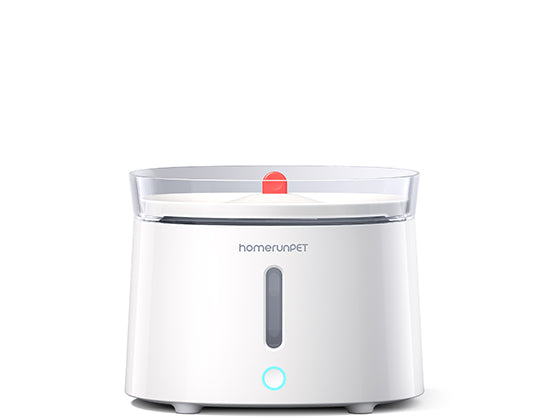
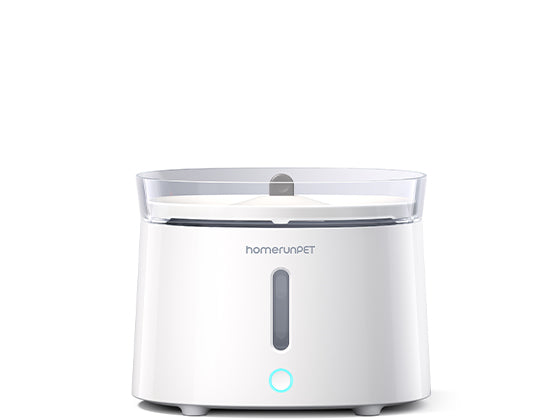
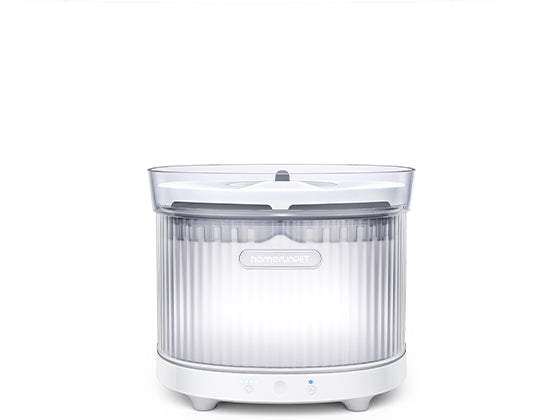
A cat water fountain keeps water circulating and can provide a more interesting drinking experience for cats that are attracted to moving water. The HomerunPET BF10 Wireless Pet Fountain is one option for owners who want to provide a continuously circulating water source without being restricted to placing the fountain directly beside a power outlet.
Of course, not every cat needs a fountain. If your cat drinks happily from a clean bowl, there's no reason to change its routine just because another cat prefers running water.
Can You Add Water to Your Cat's Food?
For some cats, adding a little extra water to their food can be an easy way to increase moisture intake.
This tends to work best when the change is gradual. Some cats don't mind a wetter texture, while others may immediately reject food that looks or smells different.
Wet food can also naturally contribute more moisture to the diet than dry food.
If your cat is on a prescription diet or has a specific health condition, talk with your veterinarian before making significant dietary changes.
What If Your Cat Drinks Too Much Water?
Not drinking enough isn't the only thing worth noticing.
If your cat suddenly starts drinking substantially more water than usual, especially if it is also urinating more frequently, losing weight, eating differently, or behaving unusually, don't simply assume that it is a good thing.
A persistent change in thirst can sometimes be associated with an underlying health issue and should be discussed with a veterinarian.
Again, the important point is change from your cat's normal behavior.
How to Build Good Hydration Habits
You don't need to force your cat to drink a specific amount every day.
Instead, make water easy to access and give your cat options. Keep drinking water fresh, clean the bowl regularly, and consider having more than one water source if your cat spends time in different parts of the home.
If your cat seems interested in running water, a fountain can be a useful addition. If it prefers a quiet bowl, simply keeping that bowl clean and filled may be all it needs.
The goal isn't to make your cat drink as much as possible. It's to make sure your cat has consistent access to fresh water and to recognize when its normal drinking habits change.
Final Thoughts
So, how much water should a cat drink every day?
As a general estimate, cats need around 50–60 mL of total water per kilogram of body weight each day, but that includes water from food. A cat eating wet food may therefore drink considerably less from its bowl than a cat eating dry food.
Rather than watching the water bowl obsessively, pay attention to your cat's overall diet, behavior, urination, and normal drinking habits.
If you want to encourage more drinking, start with simple changes: provide fresh water, try different bowl styles or locations, and consider a water fountain if your cat is attracted to moving water.
And if your cat suddenly starts drinking much less or much more than usual, especially alongside other changes in health or behavior, it's time to speak with your veterinarian.