

Have you ever noticed that your cat's water bowl barely seems to change throughout the day? You fill it in the morning, check again in the evening, and wonder if your cat has had more than a few sips.
You're not alone. Many cat parents find it difficult to get their cats interested in drinking water, especially when they rarely see them visit the bowl.
So, why do cats drink so little water? Part of the answer comes down to their natural instincts. But the type of food they eat, where their water is placed, and even the bowl itself can influence how much they drink.
If your cat seems uninterested in water, a few small changes may help make drinking more appealing.
Why Do Cats Drink So Little Water?
Cats evolved from ancestors that lived in dry environments and got much of their moisture from prey. As a result, they may have a lower thirst drive than animals that rely more heavily on drinking water.
That doesn't mean cats don't need water. It means some cats may not actively seek it out as often as their owners expect.
Here are a few common reasons your cat may not drink much from a bowl.
1. They Get Water From Their Food
Your cat's diet plays a major role in how much they drink.
Wet cat food contains considerably more moisture than dry kibble. Cats that eat wet food may therefore drink less from a bowl while still getting a substantial amount of water from their meals.
Cats that eat mostly dry food generally need to get more of their daily water intake from drinking.
Before assuming your cat isn't getting enough water, consider their entire diet—not just what disappears from the bowl.
2. Their Water Bowl Isn't Appealing
Cats can be particular about where and how they drink.
A narrow bowl that presses against their whiskers, a dish that's difficult to reach, or a bowl that smells of old food residue may discourage some cats from drinking.
The material can matter, too. Some cats prefer ceramic or stainless steel over plastic, while others may simply prefer a wider, shallower dish.
If your cat consistently ignores one bowl, try changing the bowl before making bigger adjustments.
3. The Water Is Too Close to Their Food or Litter Box
Some cats prefer their water to be separated from their food and litter box.
If the water bowl sits right beside the litter box or in a busy feeding area, your cat may be less interested in using it. Other cats have no problem with this arrangement, so it's worth observing your own cat's preferences.
Try moving the water to a quiet, accessible spot away from the litter box and see if your cat uses it more often.
4. They Prefer Moving Water
Does your cat show up whenever you turn on the bathroom faucet? Or do they try to drink from a dripping tap even when a full bowl is nearby?
Some cats seem more interested in moving water than still water. The movement may catch their attention, making drinking feel more engaging.
A cat water fountain can be worth trying if your cat repeatedly seeks out running water. Of course, not every cat prefers a fountain, so give yours time to explore it.
5. They Don't Feel Well
Sometimes, low water intake isn't a matter of preference.
Dental discomfort, nausea, stress, and other health problems can affect a cat's willingness to eat or drink. If your cat suddenly drinks much less than usual, don't assume they're simply being picky.
A noticeable change in drinking habits deserves attention, especially if it's accompanied by reduced appetite, vomiting, lethargy, weight loss, or changes in urination. Contact your veterinarian if you notice these signs.
7 Ways to Encourage Your Cat to Drink More Water
If your cat seems healthy but rarely visits the water bowl, start with a few simple changes. You don't need to try everything at once. Test one or two ideas and see what your cat responds to.
1. Refresh the Water Every Day
Cats may be less interested in water that's been sitting around for a while, particularly if it contains dust, fur, or food particles.
Empty the bowl, wash it, and refill it with fresh water regularly. Wash the bowl with mild dish soap and rinse it thoroughly so no residue or strong scent remains.
It's a small habit, but it helps keep the water clean and inviting.
2. Try a Different Bowl
If your cat avoids their current bowl, experiment with a different shape or material.
A wide, shallow dish may be more comfortable for cats that dislike their whiskers touching the sides. Ceramic, stainless steel, and glass are also worth trying if you're currently using plastic.
Place the new bowl in a familiar, quiet location and give your cat time to investigate it. You may find that the simplest change makes a difference.
3. Add More Water Stations Around the House
One water bowl may not be enough for every home.
Try placing a few bowls in different rooms where your cat likes to spend time. Make sure they're easy to reach and away from the litter box.
In multi-cat households, separate water stations can also help prevent one cat from blocking another's access.
You don't need to scatter bowls everywhere. Start with two or three convenient locations and see which ones your cat uses.
4. Consider a Cat Water Fountain
For cats that are fascinated by running water, a fountain may encourage more frequent drinking.
Moving water can attract their attention, and some cats appear to prefer it over water sitting in a bowl. A fountain also keeps water circulating, although it still needs regular cleaning and fresh water.
If you decide to try one, place it somewhere quiet and let your cat approach it at their own pace. Some cats take to fountains quickly, while others need time to get used to the sound and movement.
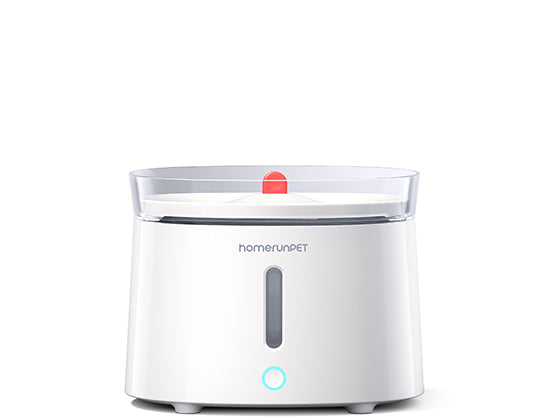
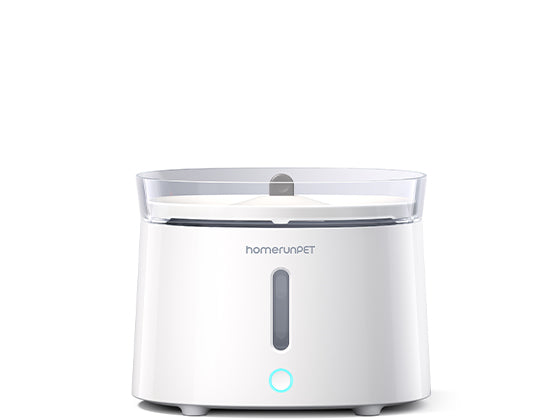
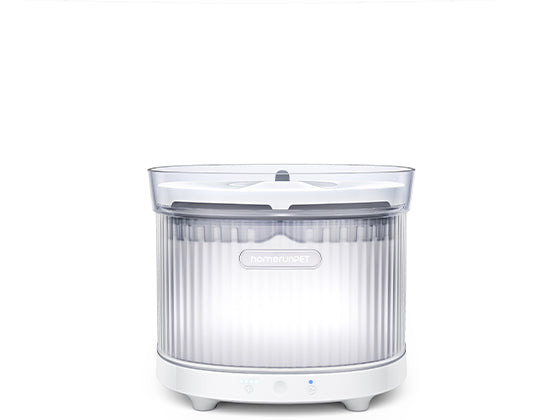
The homerunPET BF10 water fountain is one option for cat parents who want to offer circulating water at home. Its cordless design can also give you more flexibility when choosing a spot for your cat's water station.
5. Add Moisture to Their Meals
Food can be an easy way to increase your cat's overall water intake.
If your cat eats wet food, they're already getting moisture with each meal. For cats that primarily eat dry kibble, you can ask your veterinarian whether adding wet food or a little water to their meals would be appropriate.
If you add water to food, start with a small amount and see whether your cat still enjoys the meal. Some cats accept the change immediately; others prefer their food as it is.
Don't leave moistened food sitting out for long periods, since it can spoil more quickly than dry kibble.
6. Choose a Quiet Drinking Spot
Cats may avoid drinking in places where they feel exposed, crowded, or easily disturbed.
A bowl next to a noisy appliance, in a busy hallway, or beside a frequently used door may not be the best location.
Try moving it to a calmer area where your cat can drink without interruption. If you have multiple cats, make sure each one has access to water without having to pass another cat that might guard the area.
7. Keep Track of Changes in Drinking Habits
You don't need to measure every sip your cat takes, but knowing what's normal can help you spot changes.
Notice whether your cat visits the water bowl regularly, whether the water level changes as expected, and whether their urination habits stay consistent.
If you want a more accurate estimate, measure how much water you put in the bowl and how much remains after 24 hours. Keep in mind that spills and evaporation can affect the result, and other pets sharing the bowl make tracking harder.
The goal isn't to make your cat drink a fixed amount from the bowl every day. It's to understand their normal habits and recognize when something changes.
How Much Water Should Your Cat Drink?
There isn't one exact amount that works for every cat. Water needs vary with body weight, diet, activity, environment, and health.
As a general guideline, cats need around 4 ounces of water per 5 pounds of body weight per day from all sources, including food and drinking water. A cat eating moisture-rich wet food may drink much less from a bowl than a cat eating mostly dry food.
That distinction matters. A cat that rarely visits the bowl isn't necessarily dehydrated, but a cat that suddenly drinks much less than usual—or starts drinking much more—shouldn't be ignored.
If you're unsure whether your cat is getting enough water, your veterinarian can help assess their hydration and overall health.
When Should You Be Concerned About Your Cat's Water Intake?
A cat that has always been a light drinker may simply have a different routine from another cat. A sudden change, however, can be a sign that something is wrong.
Contact your veterinarian if your cat:
-
Suddenly drinks much less or much more than usual
-
Stops eating or drinking
-
Has repeated vomiting or diarrhea
-
Seems unusually tired or weak
-
Shows changes in urination or litter box habits
-
Has dry or sticky gums, sunken-looking eyes, or other possible signs of dehydration
If your cat repeatedly strains to urinate, cries in the litter box, or produces little or no urine, seek veterinary care promptly. A urinary blockage can be life-threatening, particularly in male cats.
Don't try to force water into your cat's mouth or rely on a fountain to address a possible medical problem.
Help Your Cat Build Better Drinking Habits
Cats may not always show much interest in water, but that doesn't mean you have to settle for a bowl they barely touch. Fresh water, a comfortable bowl, convenient locations, and moisture-rich food when appropriate can all help support healthy hydration.
For cats that prefer moving water, a fountain may be another useful option. The homerunPET BF10 gives cats access to circulating water and offers an alternative to a traditional still-water bowl.
Start by paying attention to what your cat already likes. A small adjustment to their drinking setup may be all it takes to make fresh water more appealing.