





Bringing a new cat home is exciting, but there's more to preparing than setting out a food bowl and buying a cute bed. Your cat is about to enter an unfamiliar environment filled with new smells, sounds, and hiding places. A little preparation can help them feel safer and make the transition easier for both of you.
If this is your first cat, you may be wondering what to buy, which parts of your home need attention, and how to help your new companion settle in. You don't need to change everything overnight. Start with the essentials, remove common household hazards, and give your cat time to adjust.
Here's how to prepare your home for a new cat, along with a few things worth knowing before the big day.
Start With One Quiet Room
Before your cat explores the whole house, prepare one quiet room where they can get comfortable. A spare bedroom or home office often works well, as long as the space is secure and relatively calm.
Set up their food, water, litter box, and a comfortable place to rest. Keep the litter box away from their food and water, and provide a hiding spot such as a covered cat bed or cardboard box. Scratching surfaces and a few familiar toys can help, too.
This room gives your cat a chance to learn where their essentials are without having to navigate the entire house at once. It can be especially helpful for shy cats, kittens, or cats coming from a shelter.
When you bring your cat home, open the carrier and let them come out when they're ready. They may start exploring immediately, or they may hide for hours. Both responses can be normal. Resist the urge to pull them out of hiding or introduce them to everyone at once.
Cat-Proof Your Living Room and Shared Spaces
Once your cat feels comfortable enough to explore, the living room will probably become one of their favorite places. It's also where loose cords, dangling decorations, and unstable furniture can create problems.
Cats are natural climbers and scratchers. Rather than expecting them to stay off every sofa or shelf, provide appropriate alternatives. A sturdy scratching post, a comfortable resting spot, and safe places to climb can help them use the space without damaging your belongings.
Pay attention to things that look like toys but aren't safe to swallow. Thread, ribbon, hair ties, and small decorative pieces should be stored away. Secure electrical cords and check behind furniture for narrow gaps where a curious cat could become trapped.
Windows deserve particular attention. A cat may seem content watching birds from a windowsill, but an ordinary insect screen may not withstand a determined push. Make sure windows are securely screened or kept closed when necessary.
Make Your Kitchen and Bathroom Safer
Cats don't need access to every cupboard or countertop, but they'll inevitably investigate interesting smells and unfamiliar objects.
In the kitchen, keep human food, trash, and cleaning products secure. Some everyday foods, including onions, garlic, chocolate, and alcohol, can be harmful to cats. Put leftovers away promptly, and avoid leaving food unattended where your cat can reach it.
The bathroom has its own set of hazards. Medications, cleaning products, dental floss, cotton swabs, and hair ties should be stored in closed drawers or cupboards. Keep the toilet lid down if your cat might drink from it or fall in.
Get into the habit of checking appliances before using them. Cats sometimes climb into washing machines, dryers, cupboards, or open cabinets to find a quiet hiding spot. A quick check before closing a door or starting an appliance can prevent a serious accident.
Check Your Houseplants Before Your Cat Arrives
Houseplants can be a hidden hazard, especially for kittens that like to chew leaves or dig in potting soil.
Identify the plants you already own before bringing your cat home. Lilies are particularly dangerous to cats; even small exposures to parts of a true lily, including pollen, can cause severe kidney injury. If you suspect your cat has been exposed to a lily, seek emergency veterinary care immediately.
Other plants can also cause illness, so don't assume a plant is safe simply because it's common in home decor. Check a reliable veterinary resource for each plant, and remove or securely isolate any that may be toxic.
It's also worth storing fertilizers, plant treatments, and loose potting materials where your cat can't reach them.
Set Up the Litter Box Before Your Cat Comes Home
A litter box is one of the most important things to prepare in advance. Choose a quiet, accessible location where your cat won't be startled by loud appliances or constant foot traffic.
For a newly adopted cat, familiar litter can make the transition easier. If possible, ask the shelter or previous caregiver which litter your cat has been using. You can experiment with other options later, once your cat has settled in.
The box should be large enough for your cat to turn around and dig comfortably. Scoop it regularly and keep the surrounding area clean. If you live in a multi-level home, consider whether your cat needs access to a litter box on more than one floor.
You don't need to buy the most expensive litter box right away. Start with a setup your cat can easily understand and use. If you eventually want to introduce an automatic litter box, do so gradually rather than changing the litter setup on the first day.
Choose Food and Water Setups Your Cat Will Actually Use
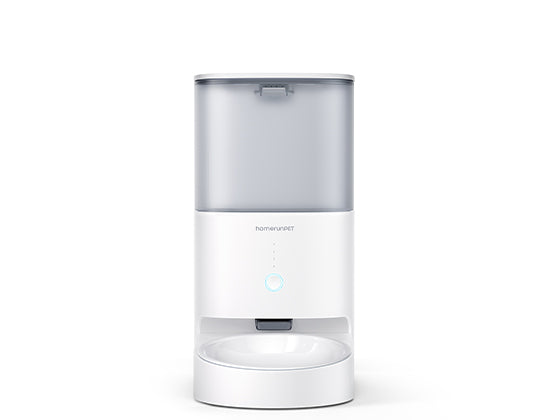
It's tempting to switch to a new food as soon as you bring your cat home, but sudden dietary changes can upset their stomach and add unnecessary stress.
Ask what your cat has been eating and start with the same food if possible. If you plan to change their diet, make the transition gradually and seek veterinary advice if your cat has specific nutritional needs.
Place food and water in convenient locations, away from the litter box. Some cats prefer their water bowl to be separate from their food, so observe what works best for yours. Use clean bowls and make fresh water available throughout the day.
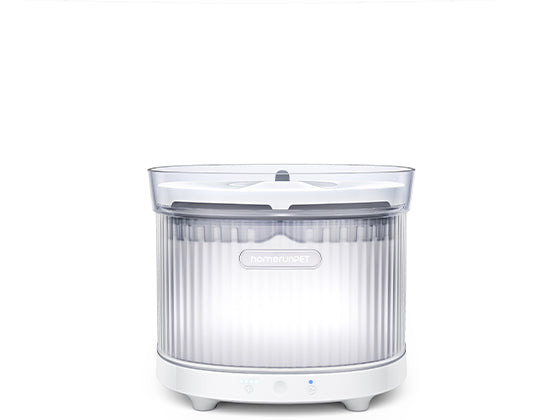
If your cat doesn't seem interested in drinking, consider whether the bowl is easy to reach or located somewhere quiet. Some cats prefer wide, shallow bowls, while others show more interest in moving water. There's no need to buy every type of feeding accessory at once; start simple and adjust based on your cat's habits.
Give Your Cat Places to Hide, Rest, and Scratch
A new cat needs more than food and a litter box. They also need places where they can feel secure and express normal feline behaviors.
A soft bed, a cardboard box, a covered hiding spot, and a scratching post are useful starting points. Cats often like to rest somewhere elevated or tucked away, so you can offer a few options and let your cat choose.
Scratching is normal behavior, not a bad habit. Providing an appropriate scratching surface early can help your cat get used to using it instead of your furniture. Place it somewhere your cat spends time, rather than hiding it in an unused corner.
You don't need to fill every room with cat furniture. A few well-placed essentials are usually more useful than a house full of new items your cat may ignore.
Introduce Other Pets Slowly
If you already have a cat or dog, don't expect everyone to become friends on the first day.
Keep the new cat in a separate room initially, allowing the animals to get used to each other's scents before meeting face to face. Gradual introductions can reduce stress and help prevent chasing, fighting, or long-term tension.
When you're ready for the next step, keep early interactions short and supervised. Give each animal access to their own food, water, resting places, and litter facilities where appropriate. Never force them to approach one another.
The pace depends on the animals involved. Some adjust within days, while others need weeks or longer. If either animal seems highly distressed, slow down rather than pushing the introduction forward.
What to Expect During Your Cat's First Few Days at Home
Even a well-prepared home can feel strange to a new cat. They may hide, explore only at night, eat less than usual at first, or take time to approach you.
Keep the environment calm and the daily routine predictable. Offer food at regular times, speak gently, and let your cat initiate contact. Avoid inviting lots of visitors over while they're still adjusting.
Pay attention to eating, drinking, and litter box habits. Stress can affect behavior, but a new cat shouldn't be assumed to be healthy simply because they're nervous. Contact a veterinarian if your cat refuses food, seems unwell, has persistent vomiting or diarrhea, or shows concerning changes in urination.
It's also a good idea to arrange a veterinary checkup after adoption and ask about vaccinations, parasite prevention, microchipping, and any medical history you should know.
Preparing Your Home for a New Cat Doesn't Have to Be Complicated
The most important part of preparing your home for a new cat isn't buying every product on a pet store shelf. It's making sure your cat has access to the basics, removing common hazards, and providing a quiet place to adjust.
Start with one comfortable room, keep food and litter arrangements familiar, and let your cat explore at their own pace. As you learn their personality, you can make changes that suit their habits and your home.
A safe space and a little patience will do more for your new cat than a perfect setup ever could.