

You probably don't see your cat drink very often. That's normal—cats aren't always big drinkers, especially when they get a lot of moisture from their food.
But that can also make it hard to tell whether your cat is getting enough water.
So, how much water should a cat drink each day? And how can you tell when your cat may not be drinking enough?
Here's what cat parents should know about feline hydration, from daily water needs to simple ways to encourage better drinking habits.
How Much Water Does a Cat Need Each Day?
A general guideline is that cats need around 4 ounces of water per 5 pounds of body weight per day from all sources, including both drinking water and the moisture in their food.
For example, a 10-pound cat may need roughly 8 ounces of total water per day.
That doesn't mean your cat needs to drink 8 ounces from a bowl. A cat eating wet food gets a significant amount of water from its meals, so it may drink much less than a cat eating primarily dry food.
Your cat's age, diet, activity level, environment, and overall health can also affect how much water they need.
Do Cats Drink Enough Water on Their Own?
Sometimes, yes. But cats naturally have a relatively low thirst drive compared with some other animals.
This goes back to their ancestors, who got much of their water from prey rather than drinking large amounts from a bowl.
That's one reason some cats don't seem particularly interested in their water dish, even when they're perfectly healthy.
Still, access to fresh water should always be available.
Signs Your Cat May Not Be Drinking Enough
It can be difficult to measure exactly how much your cat drinks, especially if you have multiple pets sharing the same water bowl.
Instead, pay attention to changes in their normal habits.
1. Dry or Sticky Gums
A healthy cat's gums should generally feel moist. Dry or sticky gums can be a sign that your cat isn't getting enough fluids.
Checking your cat's gums isn't always easy, though, so don't rely on this sign alone.
2. Less Urination
If your cat is drinking less and producing noticeably less urine, it may be worth paying attention.
A sudden change in litter box habits can have many causes, including urinary problems, so don't assume it's simply because your cat isn't drinking enough.
3. Low Energy
A dehydrated cat may become less active than usual.
If your cat is unusually tired, weak, or reluctant to move, especially along with other symptoms, contact your veterinarian.
4. Loss of Appetite
Not drinking enough can sometimes go along with a reduced appetite.
If your cat refuses food or water, particularly for an extended period, it's a good reason to seek veterinary advice.
5. Sunken-Looking Eyes or Other Signs of Dehydration
More significant dehydration can cause noticeable physical changes, including sunken-looking eyes.
Don't wait for severe signs before taking action. If you're concerned that your cat may be dehydrated, contact your veterinarian.
Wet Food vs. Dry Food: Does Diet Affect Water Intake?
Yes. Your cat's diet can make a big difference in how much they need to drink from a bowl.
Wet cat food contains a large amount of moisture, while dry food contains considerably less. A cat eating wet food may therefore drink very little water and still get a substantial amount of fluid from its meals.
This is also why comparing your cat's water intake with another cat's isn't particularly useful.
A cat that eats mostly wet food and rarely visits the water bowl may be getting plenty of moisture from food. A cat eating mostly dry food may need to drink considerably more.
7 Simple Ways to Encourage Your Cat to Drink More
If your cat doesn't seem interested in their water bowl, there are several things you can try before making major changes to their diet.
1. Keep Water Fresh
Cats can be surprisingly particular about water.
Change the water regularly and wash the bowl to prevent buildup. Some cats may also prefer water that's freshly poured rather than water that's been sitting out all day.
2. Put Water in More Than One Place
You don't have to rely on one water bowl.
Try placing water in a few quiet, easy-to-reach areas around the home. This can be especially helpful in larger homes or households with multiple cats.
Keep water away from litter boxes, and consider placing it somewhere your cat already likes to spend time.
3. Try a Water Fountain
Some cats prefer moving water to still water.
A fountain keeps water circulating and can make drinking more interesting for cats that like to investigate running water from faucets.
If your cat is curious about running water, a fountain may be worth trying.
4. Find a Bowl Your Cat Likes
The bowl itself can make a difference.
Some cats prefer wide, shallow dishes that don't press against their whiskers. Others may prefer ceramic, stainless steel, or glass over plastic.
If your cat consistently avoids one bowl, trying a different shape or material is a simple experiment.
5. Add More Moisture to Meals
If your cat eats wet food, they already get a significant amount of water from their diet.
For cats that eat dry food, talk with your veterinarian before making major dietary changes. Depending on your cat's needs, adding wet food or extra moisture to meals may be an option.
6. Try Different Locations
A water bowl next to a noisy appliance or in a busy hallway may not be very appealing.
Try placing water somewhere quiet where your cat can drink without being disturbed.
For multi-cat households, having multiple water stations can also help prevent one cat from blocking another's access.
7. Keep Water Away From the Litter Box
Cats generally prefer some separation between where they eat or drink and where they eliminate.
If your cat's water bowl is right beside the litter box, try moving it to another location and see whether their drinking habits change.
Why Do Some Cats Prefer Running Water?
You may have noticed your cat trying to drink from the bathroom faucet, bathtub, or even a dripping sink.
There are a few possible reasons.
Moving water may be more interesting to cats than stagnant water. It may also smell or taste fresher to them.
This doesn't mean every cat needs a fountain. Some cats are perfectly happy with a bowl of fresh water.
But if your cat repeatedly seeks out running water, a fountain may be an easy way to make drinking more appealing.
How Can You Tell How Much Your Cat Is Drinking?
If you're worried about your cat's water intake, you can try measuring it for a few days.
Start by adding a measured amount of water to the bowl. After 24 hours, measure what's left.
Keep in mind that evaporation and spilled water can affect the number, and this method is harder to use if other pets share the same bowl.
For multi-cat households, separate water stations can make it easier to notice each cat's habits.
You don't need to track every ounce forever. The more useful thing is knowing what's normal for your cat and noticing meaningful changes.
When Should You Call the Vet?
A cat that suddenly starts drinking much more or much less than usual deserves attention.
Changes in thirst can be associated with a number of health conditions, including urinary and kidney problems, diabetes, and other medical issues.
Contact your veterinarian if you notice a significant or persistent change in drinking or urination, especially if it's accompanied by vomiting, diarrhea, loss of appetite, lethargy, weight changes, or other unusual behavior.
If your cat is repeatedly going to the litter box, straining to urinate, crying while urinating, or producing little or no urine, seek veterinary care promptly.
A Simple Hydration Checklist
If you're trying to help your cat drink more, start here:
-
Fresh water available throughout the day
-
Clean water bowls regularly
-
Multiple water stations if needed
-
Keep water away from the litter box
-
Try a wide, shallow bowl
-
Consider a fountain for cats that prefer moving water
-
Include moisture-rich food if appropriate for your cat
-
Pay attention to changes in drinking and urination
You don't need to make your cat drink a specific amount every day. The goal is to make fresh water easy and appealing while keeping an eye on what's normal for your individual cat.
Making Water More Appealing
For some cats, a plain bowl of water is all they need. For others, the difference between drinking occasionally and drinking more consistently can come down to something as simple as fresh water, a better bowl, or moving water.
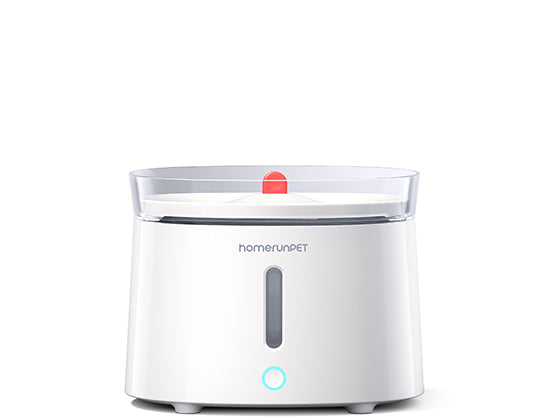
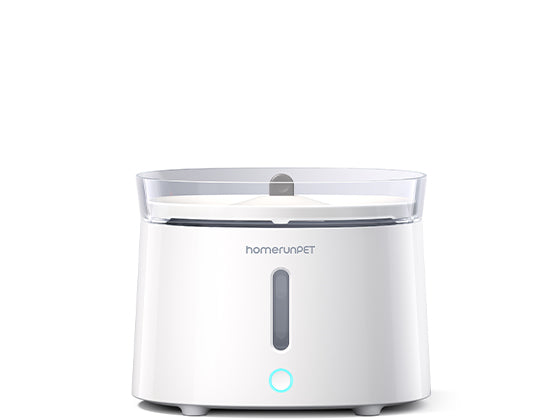
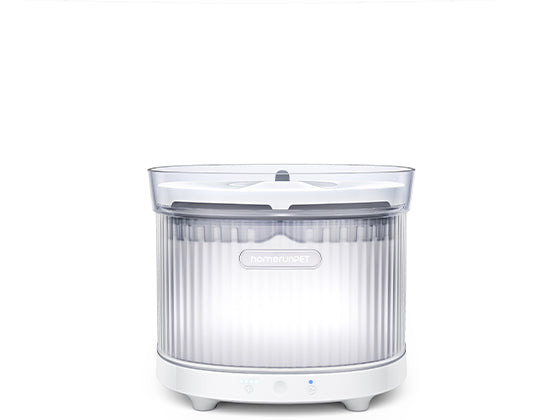
A cat water fountain like the homerunPET BF10 keeps water circulating and gives cats a more engaging way to drink. It's particularly useful for cats that show an interest in running water but aren't very interested in a traditional bowl.
Whatever setup you choose, the most important thing is that your cat has easy access to clean, fresh water every day.