

When the temperature starts to drop, you may notice your cat spending more time curled up in a blanket, sleeping in sunny spots, or following you around the house. But do cats actually get cold?
Yes. Cats can feel the cold, and some are more sensitive to lower temperatures than others. While a healthy adult cat with a thick coat may handle a cool room just fine, kittens, senior cats, hairless cats, and cats with certain health conditions may need a little extra warmth.
The good news is that keeping your cat comfortable in cooler weather doesn't have to mean turning your home into a sauna. A few simple changes can make a big difference.
Do Cats Get Cold?
Cats have a higher normal body temperature than humans, so a room that feels comfortably cool to you may feel chilly to your cat.
Cats also naturally look for warm places when temperatures drop. You might find yours sleeping on a heated bed, curling up next to a radiator, or squeezing into the warmest corner of the couch.
That doesn't necessarily mean your cat is too cold. Looking for warmth is normal. However, if your cat seems unusually uncomfortable or is constantly trying to find a heat source, it's worth paying closer attention.
Which Cats Are More Sensitive to Cold?
Not every cat reacts to cold in the same way. Some factors can make a cat more sensitive to lower temperatures.
Kittens
Young kittens have a harder time regulating their body temperature than healthy adult cats. They may need a warmer, draft-free sleeping area, especially when they're very young.
Senior Cats
Older cats may be less tolerant of cold temperatures. They may also have stiff joints or mobility issues that make cold floors and drafty areas less comfortable.
Hairless Cats
Cats without much fur have less natural insulation. They often appreciate warm bedding and a comfortably heated indoor environment.
Cats With Short or Thin Coats
Short-haired cats generally have less insulation than long-haired cats, although coat length isn't the only factor that matters.
Cats With Certain Health Conditions
Cats that are underweight or dealing with health problems may have a harder time staying warm. If your cat suddenly seems much more sensitive to cold than usual, talk to your veterinarian rather than assuming it's simply the weather.
Signs Your Cat May Be Cold
A cat curled into a tight little ball isn't necessarily cold. Cats often sleep this way because it's comfortable.
However, some behaviors may suggest your cat is trying to conserve heat:
-
Spending much more time in warm or sunny spots
-
Sleeping under blankets or burrowing into bedding
-
Curling up tightly for long periods
-
Seeking out heating vents or other warm areas
-
Feeling cold to the touch, especially around the ears or paws
-
Shivering
If your cat is shivering, extremely lethargic, weak, confused, or otherwise acting unwell, don't try to solve the problem with extra blankets alone. Move them somewhere comfortably warm and contact a veterinarian for advice.
How to Keep Your Cat Comfortable When It's Cold
You don't necessarily need special equipment to make your home more comfortable for your cat. Start with the basics.
1. Give Your Cat a Warm Place to Sleep
Cats spend a large part of the day sleeping, so their resting area matters.
Move their bed away from drafty windows, exterior doors, and cold floors. A soft blanket can also give them a comfortable place to curl up.
If your cat prefers sleeping on the couch, bed, or another familiar spot, you don't have to convince them to use a new bed. Simply adding a blanket to their favorite sleeping area may be enough.
2. Keep Sleeping Areas Off Cold Floors
Cold tile and hardwood floors can feel uncomfortable, especially for older cats.
A raised cat bed, thick mat, or folded blanket can create some insulation between your cat and the floor. This is particularly useful in rooms that tend to get colder overnight.
3. Watch for Drafts
A room can feel warm overall while still having cold spots.
Check areas near windows, doors, balconies, and vents. If your cat's favorite sleeping spot is directly in a draft, move their bed a little farther away.
You don't need to seal your entire house. Just make sure your cat has at least one comfortable, draft-free place to rest.
4. Keep the Room Comfortably Warm
The goal isn't to make your home extremely warm. Cats should be able to move between warmer and cooler areas as they choose.
If you're using a space heater, keep it somewhere your cat can't knock it over or get too close to the heating element. Never leave a portable heater somewhere it could become a tipping, chewing, or burn hazard.
A pet-safe heater with appropriate safety features can be useful in colder rooms, particularly when your cat spends a lot of time there.
5. Let Your Cat Choose
One of the easiest ways to keep your cat comfortable is to give them options.
Instead of forcing your cat to stay in one warm spot, create a few comfortable areas around the home. They may choose a sunny windowsill during the day and a warm blanket at night.
Cats are pretty good at telling you where they want to be.
6. Keep Water Available
Cooler weather doesn't mean your cat stops needing water.
Some cats may drink less when they're spending more time indoors or eating more dry food. Keep fresh water available in a location that's easy for your cat to access.
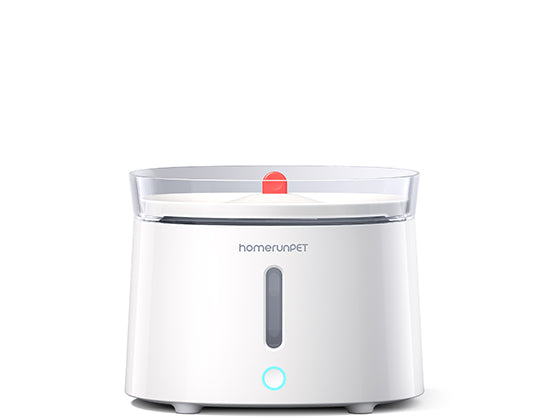
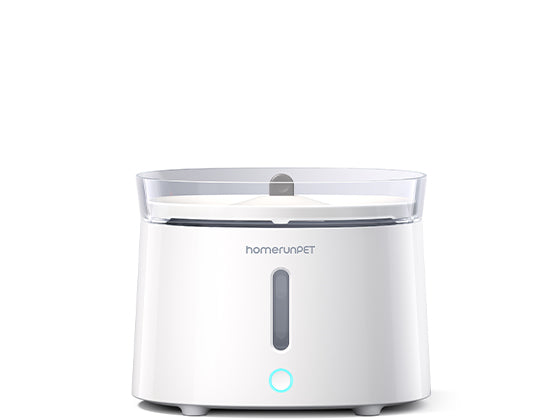
A fountain can also encourage some cats to drink more by providing continuously moving water.
7. Pay Attention to Changes in Behavior
Cold weather can change your cat's daily routine. They may sleep more, move around less, or spend more time in one particular room.
Some seasonal changes are perfectly normal. But if your cat suddenly becomes much less active, stops eating or drinking normally, hides more than usual, or shows other concerning changes, don't automatically blame the weather.
A noticeable change in behavior can have many causes, and your veterinarian can help determine what's going on.
How to Use a Space Heater Safely Around Cats
If you use a space heater during colder months, cat safety should come first.
Keep these points in mind:
-
Place the heater on a stable, level surface.
-
Keep cords away from chewing cats.
-
Leave plenty of space around the heater.
-
Don't place blankets, beds, or other flammable materials directly against it.
-
Make sure your cat can't easily knock it over.
-
Avoid putting the heater somewhere your cat could get trapped between the heater and another object.
-
Follow the manufacturer's safety instructions.
A heater should warm the room, not become your cat's personal hot spot.
Do Cats Need Extra Warmth at Night?
Some cats are perfectly comfortable sleeping at night without any additional heat. Others will happily spend the entire night curled up under a blanket.
Instead of focusing only on the temperature, look at your cat's behavior.
If your cat has a warm, comfortable sleeping area and can move away from the heat whenever they want, they can usually choose the spot that feels right to them.
For cats that are more sensitive to cold, keeping their sleeping area comfortably warm can make nighttime more pleasant.
When Should You Be Concerned?
Cold weather itself isn't usually a problem for an indoor cat living in a comfortable home. What matters more is whether your cat can maintain a comfortable body temperature and whether their behavior seems normal.
Contact your veterinarian if your cat shows concerning symptoms such as persistent shivering, unusual weakness, difficulty breathing, confusion, or a sudden change in eating, drinking, or activity.
And if your cat has a medical condition, is very young, is elderly, or has very little body fat or fur, ask your veterinarian whether they need any special care during colder weather.
A Simple Cold-Weather Checklist for Cat Parents
Before the temperature drops, take a quick look around your home:
Is your cat's favorite sleeping spot away from drafts?
Do they have a soft, warm place to sleep?
Is their bed or mat insulated from cold floors?
Can they move between warm and cooler areas?
Is fresh water always available?
Are heaters placed somewhere safe?
Are cords and heating elements out of your cat's reach?
Have you noticed any unusual changes in your cat's behavior?
A few small changes can make your home much more comfortable when the weather turns cold.
So, Do Cats Get Cold?
Yes, cats can get cold, but every cat has different needs. A healthy adult cat may be perfectly comfortable in a cool room, while kittens, seniors, hairless cats, and other cats with less natural insulation may need more help staying warm.
The simplest approach is to give your cat a comfortable warm spot, keep their sleeping area away from drafts, provide fresh water, and let them move away from the heat whenever they want.
When you make your home comfortable for your cat rather than simply making it hotter, they'll usually do a pretty good job of finding their favorite spot.