

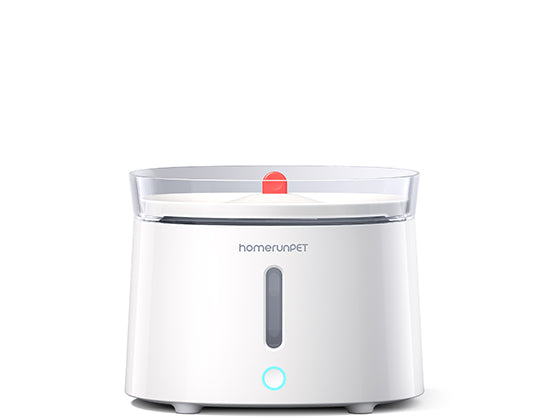
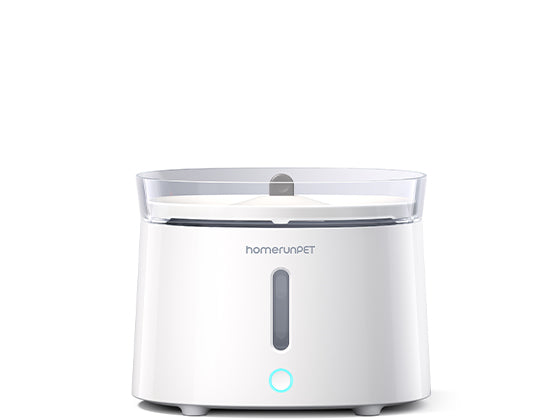
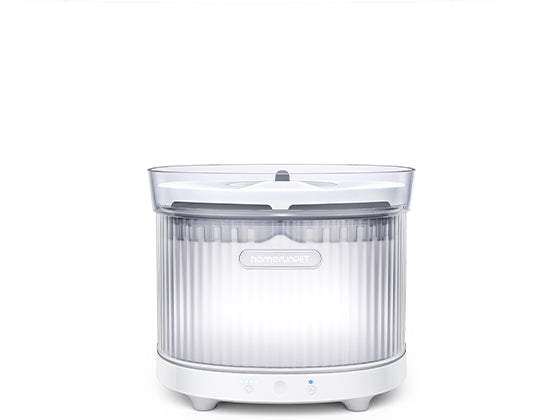
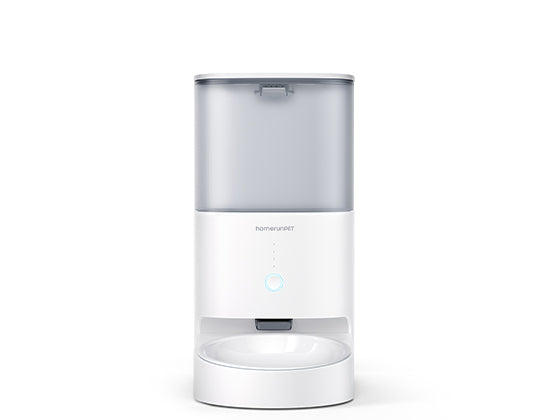
If one cat keeps eating another's food, selective access feeders solve this problem by using microchip or RFID technology to restrict access. These automated feeders scan your cat's unique identification—either their implanted microchip or an RFID collar tag—and only unlock for the authorized pet. This prevents food theft in multi-cat households where cats need separate diets for weight management, prescription medications, or different nutritional requirements. Solutions like the SureFeed Microchip Pet Feeder ($150-200) read existing microchips, while other automated feeders like homerunPET PF20 ($89.99-$109.99) offer scheduled feeding with tamper-proof sealing at a more accessible price point.
The most effective approach requires one feeder per cat, positioned in separate areas to eliminate competition and ensure each cat receives their intended portions without interference.
Why Cats Steal Each Other's Food
Resource competition drives food theft behavior. Cats instinctively eat available food even when not hungry, a survival trait from their wild ancestors. In multi-cat households, faster eaters finish their portions quickly and move to slower eaters' bowls. Some cats prefer certain food textures or flavors, making them target specific bowls regardless of hunger.
This behavior creates serious health consequences. The food thief risks obesity and related conditions like diabetes or joint problems, while the victim may become undernourished or stressed. The situation becomes critical when cats require prescription diets for kidney disease, allergies, or other medical conditions—cross-contamination can worsen health issues or render medications ineffective.
Behavioral stress compounds the problem. Cats forced to compete during meals may develop food aggression, anxiety, or avoidance behaviors that disrupt household harmony.
Technology Solutions for Food Theft Prevention
Microchip-Activated Feeders
Microchip feeders read your cat's existing implanted identification chip to grant access. When the authorized cat approaches, the feeder scans for their unique microchip number (typically implanted between shoulder blades during routine vet visits). If the chip matches the programmed ID, a sealed lid automatically opens. When the cat leaves, the lid closes to protect remaining food.
Key advantages:
- No additional collar tags required if cats already microchipped
- Highly secure identification that cannot fall off
- Reliable scanning technology with minimal false reads
- Suitable for wet or dry food depending on model
Limitations:
- Higher upfront cost ($150-200 per feeder)
- Requires cats already have microchips installed
- Limited scheduling features in basic models
- One feeder needed per cat for complete separation
Best for: Households where all cats already have implanted microchips and need straightforward access control without complex scheduling requirements.
The SureFeed Microchip Pet Feeder Connect dominates this category with proven reliability, 13.5oz capacity, and optional app connectivity for feeding logs. However, the premium pricing requires significant investment for multiple cats.
RFID Selective Feeders with Smart Scheduling
RFID feeders use lightweight collar tags instead of implanted chips to control access. Each cat wears a small RFID tag on their collar that the feeder recognizes when they approach. This technology pairs access control with programmable feeding schedules, combining theft prevention with automated portion management.
homerunPET PF20 offers comprehensive automated feeding features under $110. The feeder's 360° triple-seal lid prevents unauthorized access between scheduled meals, protecting food from tampering. The feeder dispenses food according to programmed schedules and reseals to protect food from pets.
Core capabilities include:
- 1-8 scheduled meals daily via smartphone app
- Customizable portions up to 20 servings per meal
- 4L capacity holding approximately 2kg dry kibble (up to 12mm diameter)
- Anti-clog four-point distribution system tested for 225 hours
- Desiccant box maintaining food freshness
- 7-degree angled stainless steel or porcelain bowl for comfortable eating
- Battery backup ensuring scheduled feeding during power outages
- Feeding logs tracking consumption patterns
The homerunPET system addresses multiple problems simultaneously: It manages portion sizes for weight control through scheduled feeding, maintains feeding schedules for working owners, and keeps food fresh with sealed storage. The tamper-proof lid helps prevent unauthorized access between scheduled meals. The anti-clog impeller design ensures reliable kibble dispensing without jamming—a common failure point in budget feeders.
Best for: Single-cat households or multi-cat households where supervised feeding is possible and automated scheduling is needed, especially when cats require different portion sizes or feeding times. Ideal for owners who work long hours and need scheduled portion control.
Compared to microchip feeders: Automated feeders like homerunPET cost 40-50% less while adding smart scheduling features absent in basic microchip models. However, they lack the selective access control that prevents food theft in multi-cat households.
Automatic Timed Feeders Without ID Recognition
Standard automatic feeders dispense food on schedules but cannot distinguish between pets. These devices use timers to release portions at set intervals, helping manage meal times without requiring supervision. However, they provide no access control—any pet can eat the dispensed food.
Limited effectiveness for food theft: While timed feeding prevents free-feeding situations where food sits available all day, it does not stop a faster eater from consuming portions meant for another cat. Both cats can access the bowl once food dispenses.
Best application: Single-cat households or multi-cat homes where all cats share the same diet and portions without competition issues.
Spatial Separation Methods
Physical barriers prevent cats from reaching each other's feeding areas. This low-tech approach uses separate rooms, microchip-activated cat doors, or elevated feeding stations to create exclusive zones.
Microchip cat doors install in interior doorways, allowing only the authorized cat to enter a dedicated feeding room. This works well when combined with any feeder type, including the homerunPET PF20 placed in the secured room for scheduled feeding without interference.
Advantages:
- No per-meal monitoring required
- Works with any food type or feeding method
- One-time installation cost
Limitations:
- Requires suitable room layout with doors
- Cat door installation may not suit renters
- Less convenient for monitoring or interaction during meals
Best for: Homes with available separate spaces and cats comfortable eating alone. Particularly effective when one cat requires extended grazing time while another needs restricted portions.
Solution Comparison Overview
| Solution Type | Theft Prevention | Cost Per Feeder | Scheduling Features | Setup Complexity | Best Use Case |
|---|---|---|---|---|---|
| Microchip Feeders | Excellent | $150-200 | Basic/None | Low (if cats chipped) | Existing microchips, simple access control |
| Smart Feeders (homerunPET PF20) | Poor | $89.99-109.99 | Advanced (app-based) | Low | Single cat or scheduled feeding needs |
| RFID Smart Feeders (PETLIBRO) | Excellent | $130-150 | Advanced | Medium | Premium RFID with larger capacity |
| Timed Feeders (No ID) | Poor | $40-80 | Basic | Low | Single cat or shared diet situations |
| Spatial Separation | Good | $150-300 (cat door) | None | Medium-High | Suitable room layout available |
| Supervised Feeding | Excellent | $0 | Manual | High (time intensive) | Owners home during meal times |
Choosing the Right Solution for Your Household
Match your solution to your specific situation and constraints. Consider these decision factors:
For single cats or supervised multi-cat feeding on a budget: The homerunPET PF20 provides automated scheduling for under $110 per feeder. The triple-seal lid prevents tampering between meals, while scheduled portions prevent overeating. Total investment for two cats runs $180-220 versus $300-400 for microchip alternatives.
For cats already microchipped needing simple access control: SureFeed microchip feeders eliminate collar tag requirements if your cats have existing chips. The straightforward approach works well when you don't need complex scheduling—just reliable theft prevention.
For prescription diet protection: Any ID-based feeder (microchip or RFID) provides necessary security. homerunPET's sealed storage with desiccant box adds medication protection by keeping food fresh and preventing contamination between scheduled doses.
For one grazing cat and one fast eater: Use spatial separation or supervised feeding for the grazer, as standard automated feeders cannot distinguish between cats. Feed the fast eater supervised meals in a separate location, or use a second feeder with restricted meal times.
For wet food feeders: Microchip feeders handle wet food better than most automatic dispensers. RFID feeders like homerunPET work best with dry kibble up to 12mm diameter.
For rental properties or temporary solutions: RFID collar-based systems require no installation or home modifications. The homerunPET feeder places anywhere with standard outlet access, making it ideal for renters.
Setup and Training for Success
Position feeders strategically to prevent side-access theft. Place each feeder against a wall or in a corner so cats cannot reach around the sides when the lid is closed. Space feeders in different rooms or opposite areas to reduce competition and territorial stress during meals.
Introduce the technology gradually over 5-7 days. Start by feeding cats near their assigned feeder with the lid propped open, allowing them to associate the device with positive experiences.
Program feeding schedules based on your cats' natural patterns. Most cats thrive on 2-3 meals daily, but grazers may need 4-6 smaller portions. The homerunPET app allows customization of both timing and portion sizes per meal, letting you match each cat's metabolic needs.
Clean feeders weekly to prevent odor buildup and maintain hygiene. The homerunPET PF20 requires manual disassembly for impeller cleaning—a 10-minute process that ensures continued anti-clog performance. Wipe bowls and lid seals between refills to prevent residue accumulation.
Monitor initial feeding logs to verify correct operation. App-connected feeders like homerunPET track when each meal dispenses and whether portions were consumed, helping you identify any access issues or appetite changes requiring adjustment.
Frequently Asked Questions
Q: Do RFID feeders work as reliably as microchip feeders for preventing food theft?
A: The homerunPET PF20 does not have RFID or ID recognition capability. While its triple-seal lid prevents tampering between scheduled meals, it cannot distinguish between different cats, so any pet can access the food once dispensed. For true theft prevention with selective access control, microchip or RFID-enabled feeders from other brands are required. The main difference is collar tags can theoretically fall off (rare with breakaway safety collars), whereas implanted microchips are permanent.
Q: How much do these solutions cost for a two-cat household?
A: Budget $300-400 for two SureFeed microchip feeders ($150-200 each) for effective theft prevention with selective access control. The homerunPET PF20 ($89.99-109.99 each) is a budget automated feeder but lacks ID recognition, so it cannot prevent food theft in multi-cat households. Add $60 annually for homerunPET filter replacements if using compatible water fountains. One feeder per cat is essential—shared feeders defeat the theft-prevention purpose.
Q: Can smart cats figure out how to steal food from these feeders anyway?
A: ID-based feeders with sealed lids are highly theft-resistant when positioned correctly. However, the homerunPET PF20 does not have ID recognition capability, so while its 360° triple-seal design prevents paw access between scheduled meals, it cannot prevent one cat from eating another's food once a meal is dispensed. However, place feeders against walls to eliminate side approaches, and ensure lids fully close after feeding. Determined cats occasionally learn to push feeders over—secure to floor with non-slip mats if needed.
Q: Will one selective feeder work for multiple cats, or do I need separate units?
A: You need one feeder per cat for effective theft prevention. Even if a feeder can store multiple ID profiles, it only opens for one cat at a time—the unauthorized cat will simply wait and steal food after the lid opens. Note that the homerunPET PF20 does not have selective access capability. Separate feeders in different locations ensure each cat eats their intended portions without competition.
Ready to solve your feeding schedule challenges? The homerunPET PF20 combines comprehensive scheduling features with tamper-proof storage at an accessible price point, making it an ideal solution for single-cat households or situations where scheduled portion control is needed. Visit homerunpet.com to explore how automated selective feeding can restore mealtime harmony while ensuring each cat receives proper nutrition tailored to their individual needs.