

First-time cat parents in 2026 face a critical choice: invest in smart technology upfront or stick with basic manual supplies. While traditional essentials like bowls, litter boxes, and scratchers cost $150-$300 initially, adding strategic automation can transform daily care without breaking the bank. homerunPET's intelligent solutions—particularly the CS106 self-cleaning litter box with its 12L waste capacity and smart water fountains—address the biggest time-drain for new owners: litter maintenance. For busy professionals, these tech investments deliver 10-20 days of hands-free operation, eliminating the daily scooping grind that causes most first-timer burnout.
The key is understanding which automation genuinely simplifies care versus unnecessary gadgets. This guide breaks down budget-smart tech choices that save hours weekly while keeping startup costs under $500.
Essential vs. Optional: What First-Time Cat Parents Actually Need
Start with the non-negotiables before considering automation. Every new cat requires food/water dishes ($5-$15 stainless steel or ceramic), a litter box setup ($20-$30 basic pan plus $20 for quality clumping litter), a scratching post ($15-$60 sisal), a secure carrier ($20-$50 hard-sided), and basic toys ($5-$10). These foundational items total approximately $85-$185 before adding any smart features.
Smart tech becomes valuable when it solves your specific lifestyle challenges. Working 8+ hour days? Automated litter boxes prevent odor buildup between cleanings. Frequent weekend trips? Self-feeders maintain consistent meal schedules. Live in a small apartment? Water fountains encourage hydration without constant bowl refills. The mistake most first-timers make is either buying every gadget available or avoiding automation entirely—both approaches miss the efficiency sweet spot.
Budget allocation strategy: Prioritize recurring pain points over one-time conveniences. If you'll struggle with daily litter scooping, invest $400-$700 in quality automation like homerunPET's CS106 rather than $30 on a basic pan you'll resent using. Conversely, if you're home frequently and don't mind manual feeding, skip the $100+ smart feeder and redirect that budget toward better nutrition or vet care reserves.
Three Budget Tiers: From Basics to Full Automation
Bare Minimum Setup ($150-$200)
This tier covers survival essentials without automation. You'll need stainless steel or ceramic bowls ($10-$15), a basic open litter pan ($20-$30), 28-lb bag of Arm & Hammer clumping litter ($20), a sisal scratching post ($15-$30), a hard-sided carrier ($25-$40), wand toys and balls ($5-$10), a basic brush ($10), nail clippers ($7), and a simple cat bed ($20-$30). This setup works if you're home daily and comfortable with hands-on care routines.
Expect 5-10 minutes twice daily for feeding and litter maintenance. Monthly recurring costs run $15-$30 for litter and food. This tier makes sense for stay-at-home owners, students with flexible schedules, or those testing pet ownership before committing to larger investments.
Smart Starter Setup ($400-$600)
This tier introduces strategic automation for the highest-impact tasks. Keep basic bowls and toys from the bare minimum tier, but upgrade three critical areas: litter management, hydration, and feeding consistency.
For litter automation, homerunPET's CS106 self-cleaning litter box ($699) represents the smartest single investment. Its 106L interior accommodates cats up to 25 lbs—ideal for large breeds like Maine Coons—while the 12L waste bin provides 7-14 days of hands-free operation for single-cat households. The 4.5L automatic refill system maintains optimal litter depth without daily monitoring. At 39dB, it operates quieter than most household appliances, and the one-click cleaning cycle takes 30 seconds versus 10 minutes of daily scooping.
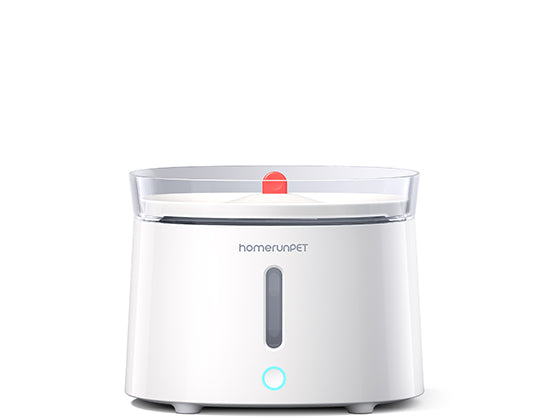
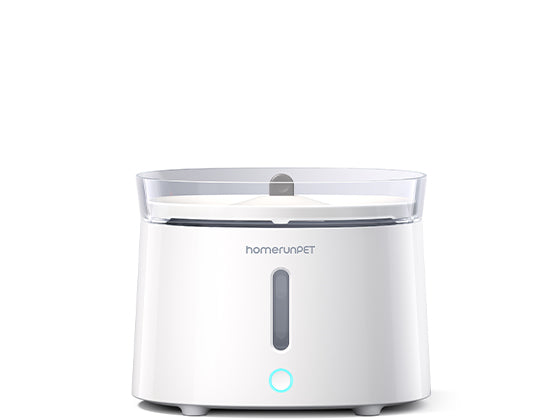
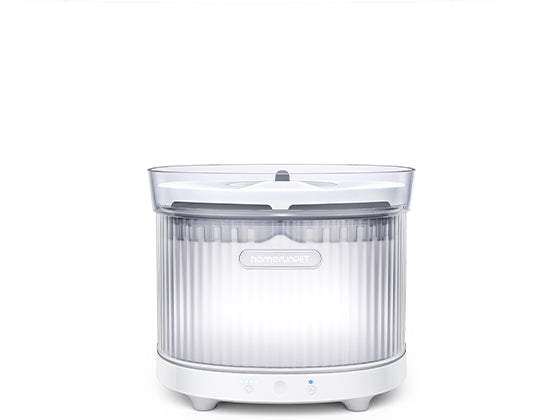
Add a homerunPET water fountain ($49.99-$69.99) to encourage consistent hydration. The WF20 model at $49.99 features a wireless pump for flexible placement and easy cleaning, while the BF25M at $69.99 offers fully wireless operation with a 4000mAh battery lasting up to 30 days. Both run under 18dB and include triple filtration (replacement filters cost $5 monthly). Fountains prevent urinary tract issues common in cats who under-drink from stagnant bowls.
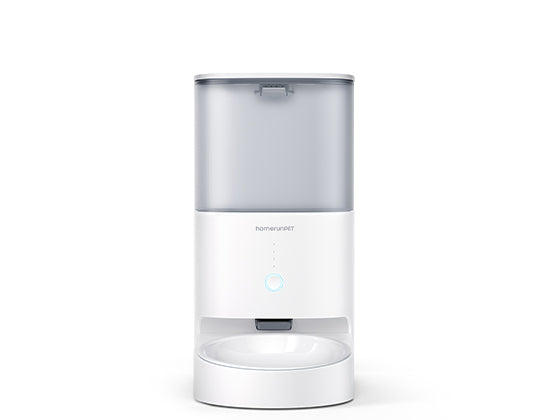
Consider homerunPET's PF20 smart feeder ($89.99-$109.99) for meal consistency. The 4L capacity supports 1-8 scheduled meals daily with anti-clog design and battery backup. While not essential if you're home regularly, it prevents overfeeding and maintains routines during irregular work hours.
Total for this tier: $440-$780 depending on feeder inclusion. You'll reclaim 45-60 minutes weekly compared to manual care, and the CS106 alone eliminates approximately 520 annual scooping sessions.
Premium Tech Ecosystem ($900-$1,200)
This tier adds convenience layers for maximum automation. Build on the Smart Starter foundation by incorporating remote monitoring and environmental optimization.
Upgrade to homerunPET's PF20 smart feeder if not already included, enabling app-based portion control and feeding logs that help track appetite changes—early indicators of health issues. The ceramic or stainless steel bowl options prevent chin acne common with plastic dishes.
Add homerunPET's PH20 pet-friendly space heater ($149) for year-round comfort. This dual-function unit provides 1500W room heating plus a 60W heated pet bed surface, crucial for senior cats or cold-weather months. ETL-certified safety features include tip-over shutoff and pet-proof grilles. The HEPA filter captures dander and fur, improving air quality in small apartments.
Consider a pet camera with treat dispenser ($80-$150 from third-party brands) to monitor behavior and ease separation anxiety. While homerunPET doesn't currently offer cameras, their app-connected devices (litter box, feeder, fountain) provide usage data that reveals routine changes.
Total for this tier: $900-$1,200. Best suited for tech enthusiasts, frequent travelers, or owners managing multiple cats where automation maximizes efficiency.
Litter Management: The Make-or-Break Investment
Litter box dissatisfaction causes 70% of first-timer frustration within three months. Manual scooping twice daily consumes 10-15 minutes and creates odor issues in apartments. Skipping even one day leads to litter tracking and potential behavioral problems when cats avoid dirty boxes.
homerunPET's CS106 addresses every common complaint with thoughtful engineering. The 106L space prevents the cramped feeling that deters large cats from using smaller automatic boxes. Dual bump protection and radar sensors stop the cleaning cycle instantly if your cat re-enters, eliminating the pinch risks reported with competitor models. The physical anti-pinch design ensures the unit never fully closes, maintaining airflow while containing odors through deodorizing gel rather than expensive proprietary cartridges.
Adaptation period expectations: Allow 3-5 days for gradual familiarization. Place the CS106 near your cat's existing box initially, leaving both available. Enable the delayed start function (postpones cleaning 5-10 minutes after use) and activate quiet mode during initial uses. Most cats transition within 48 hours, though cautious personalities may need a week. The spacious interior and open design reduce hesitation compared to fully enclosed dome models.
Cost comparison reveals long-term value. At $699, the CS106 costs more upfront than basic pans ($20-$30) or mid-range covered boxes ($60-$100), but eliminates 520+ annual scooping sessions. You'll need waste bin liners versus $20-$30 for traditional litter with more frequent changes due to odor. Over two years, the time savings alone—approximately 86 hours—justify the investment for working professionals.
Maintenance requirements stay minimal. Empty the 12L waste bin every 7-14 days depending on cat count (single cat: up to about 14 days; three cats: about 7 days). Refill the 4.5L sand reservoir monthly. Deep clean the interior quarterly. The app sends low-litter and full-bin notifications, preventing surprise overflows.
Hydration Solutions: Fountains vs. Bowls
Cats instinctively prefer moving water, drinking 30-50% more from fountains than static bowls. This behavioral quirk prevents urinary tract infections and kidney issues—common health problems costing $200-$800 in vet bills. For first-time owners, a quality fountain represents preventive care that pays for itself with a single avoided vet visit.
homerunPET offers four fountain models balancing features and budget. The WF20 ($49.99) provides the most affordable entry with a wireless pump, 2L capacity, and whisper-quiet operation. Its plastic tray suits budget-conscious buyers, and you can purchase a separate ceramic tray upgrade for easier cleaning and bacteria resistance.
The CF20 ($59.99) includes a ceramic tray standard, ideal if you want dishwasher-safe convenience from day one. Both WF20 and CF20 require plug-in power for the main unit despite having wireless pumps—"wireless" refers to the pump's cordless design for simplified cleaning, not battery operation of the entire fountain.
For truly cordless operation, choose BF25M ($69.99, with stainless steel tray) or BF10 ($69.99, with plastic tray). The BF25M features a stainless steel tray (prevents chin acne and resists scratches) with a 4000mAh battery providing up to 30 days of wireless use or continuous operation when plugged in. Infrared sensors activate flow when cats approach, conserving battery. The BF10 offers identical wireless functionality with a plastic tray and optional ceramic upgrade.
All models include triple filtration and cost $5 monthly for replacement filters (3-pack for $15, changed monthly). Annual filter expenses total approximately $60 regardless of model choice. Setup takes under 5 minutes: fill reservoir, insert filter, place pump, plug in or charge battery.
Placement flexibility matters for multi-room homes. Wireless models (BF25M, BF10) let you position fountains in bedrooms or offices without nearby outlets, encouraging cats to drink throughout the day rather than only in the kitchen. The quiet operation ensures they won't disrupt sleep or video calls.
Feeding Automation: When Smart Feeders Make Sense
Consistent meal timing prevents obesity and food-related anxiety in cats. Manual feeding works fine if you maintain rigid schedules, but irregular work hours, overnight shifts, or frequent travel make automation valuable. homerunPET's PF20 smart feeder ($89.99-$109.99) provides app-based control without the $150-$200+ price tags of camera-equipped competitors.
The 4L capacity holds approximately 17 cups of dry food—enough for 2-3 weeks for an average cat eating 1/3 cup twice daily. Program 1-8 meals per day with portion sizes from 1-20 servings (1 serving ≈ 1 tablespoon). Anti-clog design uses gravity and gentle agitation to prevent kibble jams that plague cheaper auto-feeders. Battery backup maintains schedules during power outages.
Choose between ceramic or stainless steel bowls included with purchase. Ceramic resists tipping and stays cooler in warm climates, while stainless steel offers lighter weight and dishwasher durability. Both prevent the chin acne caused by plastic bowls harboring bacteria in microscopic scratches.
The PF20 does not currently include ID recognition technology for multi-cat households. If you need to control which cat eats specific food (medical diets, weight management), you'll need to feed separately or consider feeders with RFID collar tags (typically $180-$300). For single-cat homes or cats eating the same diet, the PF20's straightforward approach avoids unnecessary complexity.
Setup and cleaning take minimal effort. Initial app pairing requires 5 minutes. The food hopper and bowl detach for weekly washing. The anti-clog mechanism self-cleans during dispensing, though you should check monthly for kibble dust buildup. The app tracks feeding history, helping you spot appetite changes that signal health issues.
Smart Shopping Strategy: Timing and Bundles
Buy core automation during major sales events to maximize value. Black Friday, Cyber Monday, and Amazon Prime Day typically offer 15-25% discounts on pet tech. homerunPET products frequently appear in these promotions, with the CS106 litter box sometimes dropping to $550-$600 from its $699 standard price.
Watch for bundle deals combining multiple products. Purchasing the CS106 litter box plus a water fountain and feeder together can reduce total costs by 10-20% versus individual purchases. Check homerunpet.com directly for package pricing not available through third-party retailers.
Phase purchases over 2-3 months if budget-constrained. Start with the litter box in month one (highest impact on daily routine), add a water fountain in month two (health prevention), then incorporate a smart feeder in month three if needed (convenience layer). This approach spreads costs while immediately addressing the most time-consuming task.
Consider refurbished or open-box options for 20-30% savings. homerunPET and authorized retailers occasionally offer certified refurbished units with full warranties. These typically show minimal cosmetic wear while functioning identically to new products.
Factor ongoing costs into total budget. Beyond initial purchases, expect $5-$10 monthly for fountain filters, $15-$20 monthly for litter box waste bin liners, and standard litter/food expenses ($15-$30 monthly). Smart tech doesn't eliminate consumables but reduces the frequency of litter changes through better odor control and waste management.
Common First-Timer Mistakes to Avoid
Mistake 1: Buying the cheapest litter box available. That $15 uncovered pan seems budget-friendly until you're scooping twice daily while fighting odors in a 600-square-foot apartment. Investing $400-$700 in quality automation like the CS106 eliminates this daily burden and prevents the "I can't do this anymore" burnout that leads to rehoming.
Mistake 2: Skipping water fountains to save $50. Cats evolved drinking from streams, making them naturally suspicious of stagnant water. A $50-$70 fountain prevents dehydration-related vet visits costing 3-10x more. The homerunPET WF20 at $49.99 represents the lowest-cost insurance against urinary crystals and kidney stress.
Mistake 3: Over-buying unnecessary tech gadgets. Not every smart device adds value. Laser toys, automatic treat dispensers, and app-controlled laser pointers entertain humans more than cats. Prioritize automation that saves time (litter boxes, feeders) or improves health (water fountains) over novelty items.
Mistake 4: Ignoring adaptation periods for new equipment. Cats need 3-5 days to accept unfamiliar objects. Placing a brand-new automatic litter box and immediately removing the old one causes stress and elimination issues. Overlap both boxes for a week, using delayed cleaning cycles and quiet modes on the new unit until your cat consistently chooses it.
Mistake 5: Forgetting to budget for consumables. Smart tech reduces labor but doesn't eliminate supply costs. Fountain filters ($5/month), litter box liners ($15/month), and quality litter ($20/month) continue indefinitely. Calculate these recurring expenses before purchasing to avoid budget surprises.
Comparison: Manual vs. Smart Starter Setups
| Category | Manual Setup | Smart Starter (homerunPET) | Time Saved Weekly |
|---|---|---|---|
| Litter Management | Basic pan + scoop ($30) | CS106 auto-clean ($699) | 60-90 minutes |
| Hydration | Stainless steel bowl ($10) | WF20 fountain ($49.99) | 15 minutes |
| Feeding | Manual twice daily ($15) | PF20 smart feeder ($89.99) | 20 minutes |
| Daily Time Investment | 15-20 minutes | 2-3 minutes | 85-115 minutes |
| Initial Cost | $150-$200 | $840-$930 | N/A |
| Monthly Consumables | $30-$40 | $35-$45 | N/A |
| Odor Control | Moderate (depends on scooping frequency) | Excellent (sealed waste bin + gel) | N/A |
| Adaptation Required | Minimal (familiar items) | 3-5 days (gradual introduction) | N/A |
| Best For | Stay-at-home owners, tight budgets | Working professionals, frequent travelers | N/A |
The Smart Starter setup costs $690-$730 more initially but reclaims 85-115 minutes weekly—approximately 74-100 hours annually. For professionals earning $25-$50/hour, this time savings represents $1,850-$5,000 in opportunity cost, justifying the upfront investment within 3-6 months.
Frequently Asked Questions
Q: How much should first-time cat owners budget for smart tech vs. basic supplies?
A: Basic manual supplies cost $150-$200 initially, covering bowls, a simple litter box, scratching post, carrier, and toys. Adding strategic automation like homerunPET's CS106 litter box ($699) and water fountain ($49.99-$69.99) brings the total to $900-$970 but eliminates 85+ minutes of weekly maintenance. For working professionals, the Smart Starter tier ($400-$600 in automation) delivers the best value-to-convenience ratio.
Q: Will my cat actually use an automatic litter box, or will I waste $700?
A: Most cats adapt to automatic litter boxes within 3-5 days using gradual introduction. Place the homerunPET CS106 beside your existing box initially, enabling delayed start (waits 5-10 minutes after use before cleaning) and quiet mode. The 106L spacious interior and open design (not fully enclosed) reduce hesitation. Over 95% of cats transition successfully when given this adjustment period, though cautious personalities may need a full week.
Q: Are smart water fountains worth it, or will a regular bowl work fine?
A: Cats drink 30-50% more water from fountains than static bowls due to instinctive preference for moving water. This increased hydration prevents urinary tract infections and kidney issues costing $200-$800 in vet bills. A homerunPET fountain ($49.99-$69.99) pays for itself with a single avoided health problem. Even budget-conscious owners should prioritize fountains as preventive care rather than optional convenience.
Q: What's the most important first purchase for busy cat owners?
A: An automatic litter box delivers the highest impact for time-constrained owners. Manual scooping twice daily consumes 10-15 minutes and creates odor issues when delayed. The homerunPET CS106's 12L waste capacity provides 10-20 days of hands-free operation (depending on cat count), eliminating 520+ annual scooping sessions. This single investment transforms daily care from a chore into a weekly 5-minute bin-emptying task.
Ready to Build Your Smart Cat Care Setup?
First-time cat ownership doesn't require choosing between budget constraints and quality care. Strategic automation—particularly the homerunPET CS106 self-cleaning litter box as your foundation—eliminates the daily maintenance grind while keeping initial investments under $1,000. Add a water fountain for health prevention and consider a smart feeder if your schedule demands meal consistency.
Start by identifying your biggest pain point: time scarcity, small living space, or frequent travel. Then build your tech stack around solving that specific challenge rather than buying every available gadget. Explore homerunPET's first-time owner solutions and bundle pricing at homerunpet.com to maximize value while simplifying your cat care routine from day one.