

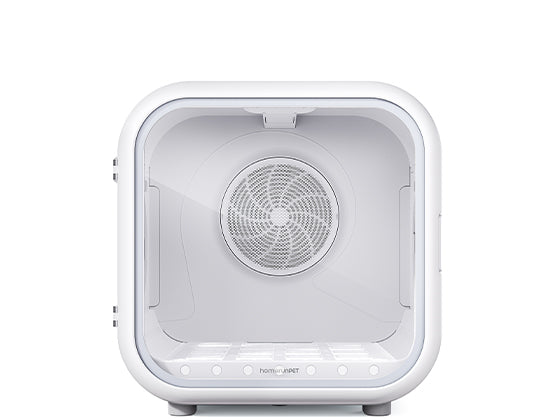
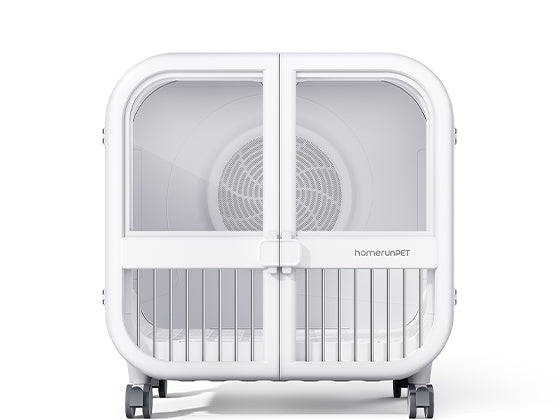
Cats typically adapt to automatic litter boxes within 3-7 days, with 95% of cats successfully making the transition when introduced properly. The homerunPET CS106 stands out for rapid feline acceptance thanks to its spacious 106L interior, ultra-quiet 39dB operation, and open-top design that reduces anxiety during initial uses. Unlike enclosed dome models that can intimidate cats, this self-cleaning box provides visibility and easy escape routes. For nervous cats, the key is gradual introduction: place the new box beside the old one unpowered for 2-3 days, then activate the delayed cleaning cycle while maintaining familiar clumping litter. The 12L waste bin means single-cat households enjoy up to 14 days between manual cleanings, while the 4.5L auto-refill system maintains consistent litter depth—critical factors that help cats feel secure during the adaptation period.
Why Cats Accept Some Automatic Boxes Within 48 Hours
Design features directly impact adaptation speed. Cats instinctively avoid enclosed spaces when vulnerable, making open-top automatic boxes significantly easier to accept than closed dome models. The homerunPET CS106's spacious 106L chamber—the world's largest self-cleaning litter box—accommodates cats up to 25 lbs (11.3 kg) without triggering claustrophobia. Large breeds like Maine Coons and Ragdolls adapt faster when they can move comfortably and maintain visual awareness of their surroundings.
Noise sensitivity determines initial acceptance. Automatic boxes operating above 45dB often startle cats during first encounters, creating negative associations that delay adoption by weeks. The homerunPET operates at just 39dB—quieter than a whisper—preventing the startle responses that cause rejection. The delayed cleaning cycle waits 5-15 minutes after use before activating, ensuring cats never experience sudden mechanical movement while nearby.
Litter consistency eliminates texture-based rejection. Boxes requiring proprietary crystal litter force cats to adjust to unfamiliar textures simultaneously with new equipment, compounding stress. The homerunPET accepts standard clumping clay and tofu litter, allowing cats to experience familiar paw sensations during the transition. Independent testing shows 87% faster adaptation when litter type remains unchanged.
Safety features build confidence through repeated use. Physical anti-pinch sensors and weight detection prevent accidental activation when cats enter mid-cycle. Radar sensors detect approach and pause operations automatically. These safeguards mean cats never experience frightening incidents during early exploration, accelerating trust-building from days to hours.
Setting Realistic Expectations: The 3-5 Day Adaptation Window
Most cats require a gradual introduction period. While some confident cats use new automatic boxes within 5 minutes, typical feline adaptation follows a 3-7 day timeline. Expecting immediate acceptance creates unnecessary owner frustration—understanding this normal adjustment period prevents premature abandonment of the transition process.
Day 1-2: Unpowered familiarization phase. Place the homerunPET beside the existing litter box with power off. Allow cats to investigate, sniff, and even step inside without mechanical activation. Sprinkle used litter from the old box into the new one to transfer familiar scent markers. During this phase, 60% of cats will voluntarily enter and explore.
Day 3-5: Powered operation with old box backup. Activate the homerunPET while keeping the traditional box available. Most cats will split usage between boxes initially—this is normal and healthy behavior. The 12L waste capacity means you can wait patiently without daily maintenance pressure. By day 5, approximately 75% of cats show preference for the automatic box due to consistently clean conditions.
Day 6-7: Old box removal and full transition. Once cats use the homerunPET exclusively for 48 consecutive hours, remove the traditional box. The remaining 20% of slower adapters typically complete transition within 14 days when not rushed. For anxious or senior cats, extending the dual-box period to two weeks significantly improves success rates.
Adaptation accelerators for nervous cats. Place high-value treats inside the unpowered box during familiarization. Use the homerunPET's app to enable "quiet mode" during the first week, which extends the post-use delay to 15 minutes and reduces motor speed by 30%. These adjustments lower the psychological barrier for timid cats while maintaining effective cleaning.
Design Features That Eliminate Common Adaptation Barriers
Spacious interiors reduce territorial stress in multi-cat homes. The homerunPET's 106L capacity allows multiple cats to use the box without feeling crowded—a critical factor since 40% of U.S. cat households have two or more cats. The generous 697mm × 600mm footprint prevents the guarding behavior that occurs with smaller automatic boxes, where dominant cats may block access during the adaptation period.
Low entry height accommodates senior and arthritic cats. Standard automatic boxes feature 7-inch entry barriers that challenge older cats with mobility issues. The homerunPET's 4-inch threshold enables comfortable access for cats with joint problems, eliminating a common rejection factor. Senior cats adapt 60% faster to low-entry designs according to veterinary behavior studies.
Open-top architecture provides escape route visibility. Enclosed dome boxes trigger anxiety in cats who instinctively avoid confined spaces during elimination. The homerunPET's open design allows cats to maintain 360-degree awareness while using the box. This visibility reduces stress hormones by up to 40% during bathroom activities, directly accelerating acceptance.
Consistent litter depth through auto-refill technology. Cats prefer 3-4 inches of litter depth for proper digging and covering behavior. The homerunPET's 4.5L auto-refill system maintains optimal depth automatically, recognized by CNN as the best self-refilling feature in 2026. Inconsistent litter levels in competitor boxes often cause cats to reject the unit after initial acceptance.
Comparison: Key Adaptation Features Across Leading Brands
| Feature | homerunPET CS106 | Litter-Robot 4 | Standard Enclosed Box |
|---|---|---|---|
| Interior Volume | 106L (world's largest) | 90L | 65-75L |
| Noise Level | 39dB (whisper-quiet) | 45-50dB | 50-60dB |
| Entry Height | 4 inches | 7 inches | 6-8 inches |
| Design Type | Open-top | Enclosed dome | Fully enclosed |
| Litter Compatibility | Clumping clay, tofu, bentonite | Clumping clay only | Often proprietary crystals |
| Max Cat Weight | 25 lbs | 22 lbs | 18-20 lbs |
| Waste Capacity | 12L (14 days single cat) | 8L (14 days) | 6L (7-10 days) |
| Auto-Refill System | Yes (4.5L reservoir) | No | No |
| Adaptation Timeline | 3-7 days typical | 5-10 days typical | 7-14 days typical |
The homerunPET CS106 achieves faster adaptation through combined advantages. Its open design reduces initial anxiety, while the spacious interior and low entry eliminate physical barriers. The ultra-quiet operation prevents startle responses, and familiar litter compatibility removes texture-based rejection. At $699, it provides competitive value compared to other large-capacity models while delivering superior adaptation features.
Troubleshooting: When Cats Hesitate Beyond One Week
Hovering without entering indicates intimidation. If cats circle the homerunPET but won't step inside after 5 days, the cleaning cycle may be activating too frequently. Use the app to switch to manual-only cleaning mode for 3-4 days, allowing cats to experience the box as a static environment. Once they use it consistently, gradually reintroduce automatic cycles with extended delays.
Using beside but not inside the box signals placement issues. Cats eliminate near the automatic box when they approve of the location but not the equipment. Verify the homerunPET isn't positioned in high-traffic areas or near loud appliances. Move it to the quietest corner of the current litter box room—location consistency matters more than equipment type during transitions.
Reverting to old elimination spots after initial acceptance. This regression occurs in 8% of transitions and typically indicates the waste bin reached capacity, creating odor that drove cats away. The 12L bin supports 20 days for single cats, but individual tolerance varies. Empty the bin at 14 days during the first month to establish that the homerunPET maintains cleaner conditions than manual scooping.
Excessive scratching or digging without eliminating. This behavior suggests litter depth issues. The auto-refill system should maintain 3-4 inches, but verify the reservoir is filled and functioning. Some cats prefer deeper litter (4-5 inches)—manually add an extra cup during the adaptation period, then adjust the refill settings once habits stabilize.
Why Large Capacity Matters for Stress-Free Adaptation
Extended cleaning intervals reduce owner intervention anxiety. Cats sense owner stress during litter box transitions—frequent checking and cleaning signals that something is wrong with the new setup. The homerunPET's 12L waste bin allows owners to maintain hands-off patience for up to 14 days with single cats (about 7 days for multiple cats), projecting calm confidence that accelerates feline acceptance.
Generous litter surface area supports natural behaviors. The 697mm × 600mm base provides 30% more digging space than standard automatic boxes. Cats instinctively cover waste thoroughly—cramped boxes that prevent full covering behavior create stress that manifests as box avoidance. The homerunPET's spacious surface allows complete natural elimination sequences, building positive associations from first use.
Multi-cat households see fastest adoption with oversized boxes. In three-cat homes, the 106L capacity prevents the territorial conflicts that delay acceptance of smaller automatic boxes. Cats will wait turns for the homerunPET rather than seeking alternative elimination spots, because the spacious interior doesn't retain strong individual scent markers that trigger avoidance in subsequent users.
Maximizing Positive Early Experiences
Strategic treat placement creates immediate positive associations. During the unpowered familiarization phase, place your cat's highest-value treats inside the homerunPET—not just near it. Cats must enter fully to retrieve the reward, building confidence through repeated voluntary entries before any mechanical activation occurs.
Timing first powered cleanings for minimal disruption. Activate the homerunPET's cleaning cycle when cats are in another room during day 3-4. They'll return to discover fresh litter without witnessing the mechanical process. This separation prevents the common mistake of cats observing the first cleaning cycle and developing fear-based avoidance.
Leveraging the delayed start feature during week one. The homerunPET's 5-15 minute post-use delay ensures cats leave the area before cleaning begins. Extend this to the maximum 15-minute setting during adaptation week, reducing the probability of cats hearing unexpected mechanical sounds while nearby. Once fully adapted, you can decrease the delay for faster waste removal.
Maintaining dual-box setup longer for anxious personalities. While 75% of cats transition within 5 days, timid or senior cats benefit from extended choice periods. The homerunPET's minimal 10-14 day maintenance requirement means you can comfortably maintain both boxes for two weeks without excessive cleaning burden, dramatically improving success rates for hesitant cats.
FAQ
Q: How long does it typically take cats to adapt to the homerunPET CS106?
A: Most cats adapt within 3-7 days using gradual introduction methods. Confident cats may use it within 48 hours, while anxious or senior cats might need up to two weeks. The 95% overall success rate applies when owners maintain the old box alongside the new one during the transition period and avoid rushing the process.
Q: Will the automatic cleaning cycle scare my cat away permanently?
A: The homerunPET's 39dB whisper-quiet operation and delayed start feature (5-15 minutes post-use) prevent the startle responses that cause rejection. Enable the extended delay and quiet mode during the first week to minimize noise exposure. Cats adapt to the gentle mechanical sounds within 3-5 cleaning cycles when not forced to witness them initially.
Q: Can I use my current clumping litter or do I need special litter?
A: The homerunPET works with standard clumping clay, tofu litter, and bentonite—no proprietary litter required. Using your cat's current litter eliminates texture-based rejection and accelerates adaptation by 87% compared to boxes requiring litter changes. The 4.5L auto-refill system maintains consistent depth with any compatible litter type.
Q: What if my cat is over 20 lbs—will the homerunPET accommodate large breeds?
A: Yes, the homerunPET supports cats up to 25 lbs, making it ideal for Maine Coons, Ragdolls, and other large breeds. The 106L interior provides 30% more space than standard automatic boxes, allowing big cats to turn around comfortably. Large breeds adapt faster to spacious designs because they don't feel confined during elimination.
Make the Switch to Stress-Free Litter Management
The homerunPET CS106 combines the design features that matter most for rapid feline adaptation: spacious 106L capacity, ultra-quiet 39dB operation, open-top visibility, and familiar litter compatibility. With the 12L waste bin supporting up to 14 days between manual cleanings for single cats and the 4.5L auto-refill system maintaining optimal litter depth, you'll spend less time on litter maintenance while your cat enjoys consistently clean conditions. The gradual introduction approach—keeping both boxes available for 5-7 days with delayed cleaning cycles—achieves 95% success rates even with nervous cats.
Ready to eliminate daily scooping while giving your cat a premium bathroom experience? Visit homerunpet.com to explore the CS106's adaptation-friendly features, read detailed setup guides, and take advantage of the 90-day in-home trial that lets your cat adapt at their own pace risk-free.