

A WiFi-connected automatic litter box with phone notifications eliminates guesswork from cat care maintenance. These systems use weight sensors, waste-level detection, and app connectivity to push real-time alerts directly to your smartphone, covering events like drawer-full warnings, cleaning cycle completions, and behavioral anomalies. The homerunPET CS106, for example, pairs its 12L waste box and multi-sensor array with app control, enabling owners to monitor litter status remotely whether at work or traveling. Understanding how these notification systems function and how to configure them determines whether they genuinely simplify your routine or simply add noise.
Why Litter Box Notifications Matter
Phone alerts solve three specific problems: overflow prevention, health surveillance, and travel peace of mind. Without notifications, waste drawers fill silently. A full drawer means your cat encounters a dirty box, potentially leading to avoidance behavior or inappropriate elimination outside the tray.
For multi-cat households, the calculus intensifies. Usage rates multiply, and manually checking a waste drawer twice daily becomes another chore. With app alerts, you receive a push notification at work when capacity hits a threshold, typically 80-90% full, giving you time to address it before your cats notice.
Health monitoring adds a second layer of value. Changes in visit frequency, duration, or weight can signal urinary tract issues or gastrointestinal distress. A notification flagging unusual patterns acts as an early-warning system, prompting a veterinary consultation before symptoms escalate.
How Smart Litter Box Alerts Work
Notification systems rely on sensor data processed through onboard logic, then transmitted via WiFi to a companion app. The typical pipeline involves:
- Weight sensors detect when a cat enters and exits, logging visit duration and approximate weight
- Waste-level detection tracks drawer fill percentage through infrared or capacitive sensing
- Cleaning cycle monitoring confirms when the self-cleaning mechanism completes or encounters an error
- App relay pushes event-triggered alerts to your phone based on user-configured thresholds
Connectivity requirements are straightforward. Most systems operate on 2.4G WiFi networks, which offers broader range than 5G bands in residential settings. The homerunPET CS106 supports app control for stable communication between the unit and its companion app.
Key Features to Evaluate
Notification Accuracy and Timing
False positives erode trust in any alert system. If your phone buzzes for non-events, you train yourself to ignore notifications, defeating the purpose. Look for systems with multiple sensor types working in concert, as redundancy reduces erroneous triggers. The CS106 employs radar sensors, weight sensors, and dual-bump protection simultaneously, creating a layered data stream that filters noise from genuine events.
Multi-Cat Identification
Weight-based identification works when cats differ by more than 1-2 lbs. Systems log each visit alongside weight data, building individual usage profiles. For households with similarly sized cats, identification accuracy decreases, though overall visit frequency and total waste output remain trackable.
Health Tracking Integration
Usage pattern shifts often precede visible symptoms by days. Tracking visit frequency, time spent in the box, and weight fluctuations over weeks creates a baseline against which anomalies become visible. This data serves as a veterinary-adjacent tool rather than a diagnostic replacement.
App Ecosystem and Automation
Subscription-free app access matters for long-term cost of ownership. Some platforms gate advanced analytics behind monthly fees. Evaluate whether core notifications (drawer full, cycle complete, errors) require any ongoing payment or come standard with the hardware.
Notification Type Comparison
| Notification Category | What It Monitors | Typical Trigger | Actionability |
|---|---|---|---|
| Drawer/Waste Full | Waste bin capacity level | 80-90% capacity reached | Empty the waste drawer within hours |
| Cleaning Cycle Status | Self-cleaning mechanism operation | Cycle start, completion, or error | Confirms maintenance is occurring |
| Usage Frequency Alert | Visit count per cat per day | Significant deviation from baseline | Schedule veterinary check if persistent |
| Weight Change Flag | Cat weight at entry/exit | Change exceeding set threshold | Monitor over multiple days before acting |
| Connectivity Status | WiFi connection health | Unit goes offline | Check power and router proximity |
| Litter Level Low | Sand bin remaining volume | Below minimum operational level | Refill sand bin (auto-refill systems reduce this) |
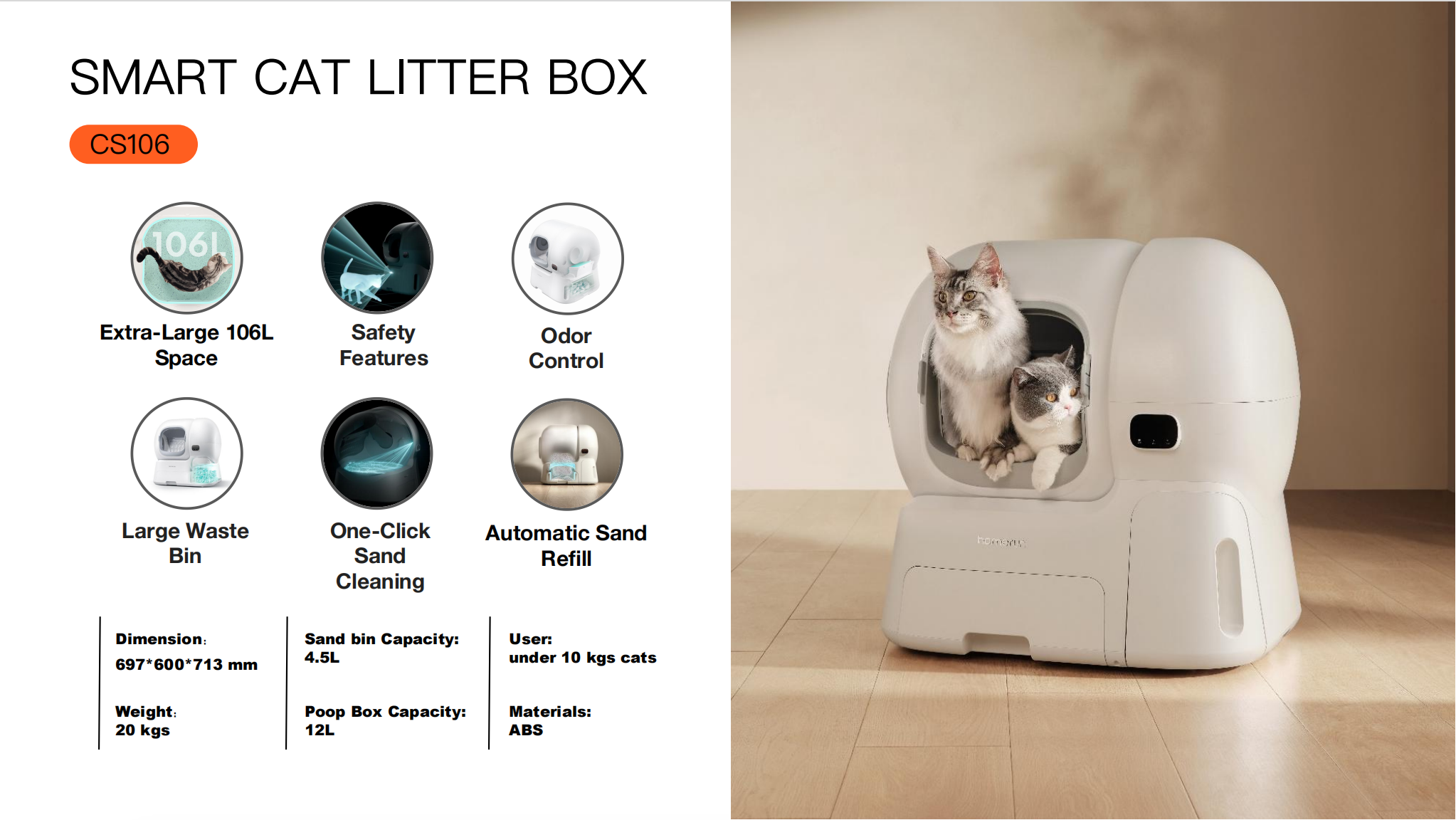
The homerunPET CS106 addresses the litter-level concern through its 4.5L automatic sand refill system, which can extend intervals between manual interventions to approximately 20 days for a single cat or roughly 7 days for three cats.
Setting Up Notification Systems
Initial Configuration Steps
- Position the unit within reliable 2.4G WiFi range
- Download the companion app and create an account
- Power on the litter box and initiate Bluetooth pairing mode
- Follow in-app prompts to connect the unit to your home network
- Run the initial calibration cycle (empty box, no cat present)
- Set baseline weight for each cat during the training period
Customizing Alert Thresholds
Default thresholds serve most households, but customization prevents notification fatigue. Adjust drawer-full alerts to match your schedule. If you work 10-hour shifts, setting the trigger at 70% capacity gives buffer time. For single-cat homes using a 12L waste box like the CS106, daily alerts are unnecessary since capacity supports extended periods without intervention.
Integrating with Smart Home Platforms
Some units support IFTTT or equivalent automation services. Practical recipes include triggering a reminder light when the drawer reaches capacity, or logging usage data to a spreadsheet for long-term health tracking.
Optimizing Your Alert Strategy
The goal is actionable information, not constant buzzing. Start with all notifications enabled during the first week to understand frequency and relevance. Then disable categories that generate noise without prompting action. Most users settle on drawer-full and health-anomaly alerts as their core active notifications, with cycle-complete confirmations turned off.
Common troubleshooting points:
- Missed alerts: Verify the unit shows "online" in the app; check phone notification permissions
- Delayed notifications: WiFi signal strength below threshold causes queuing; move router or add a range extender
- False drawer-full warnings: Recalibrate the waste sensor after changing litter type or brand
Health Monitoring Through Notifications
Frequency changes are the most reliable early indicator accessible to home monitoring. A cat visiting the box eight times daily instead of four warrants attention. Duration increases may signal straining. Weight loss exceeding 5% of body weight over two weeks correlates with multiple conditions requiring examination.
These data points do not replace veterinary diagnostics. They provide a timeline and pattern record that helps clinicians make faster, more informed assessments during consultations.
Choosing the Right System for Your Home
Match the system to your household variables rather than chasing feature lists. A single large cat in a quiet home has different needs than a three-cat household with nervous animals and a busy owner.
For large or multi-cat homes, physical capacity matters as much as smart features. The homerunPET CS106 provides 106L of internal space accommodating cats up to 25 lbs, with its 12L waste box sized for extended multi-cat use. Its safety system, combining radar sensors, weight sensors, and dual-bump protection with a non-fully-enclosed design, suits households with cautious cats that avoid confined spaces.
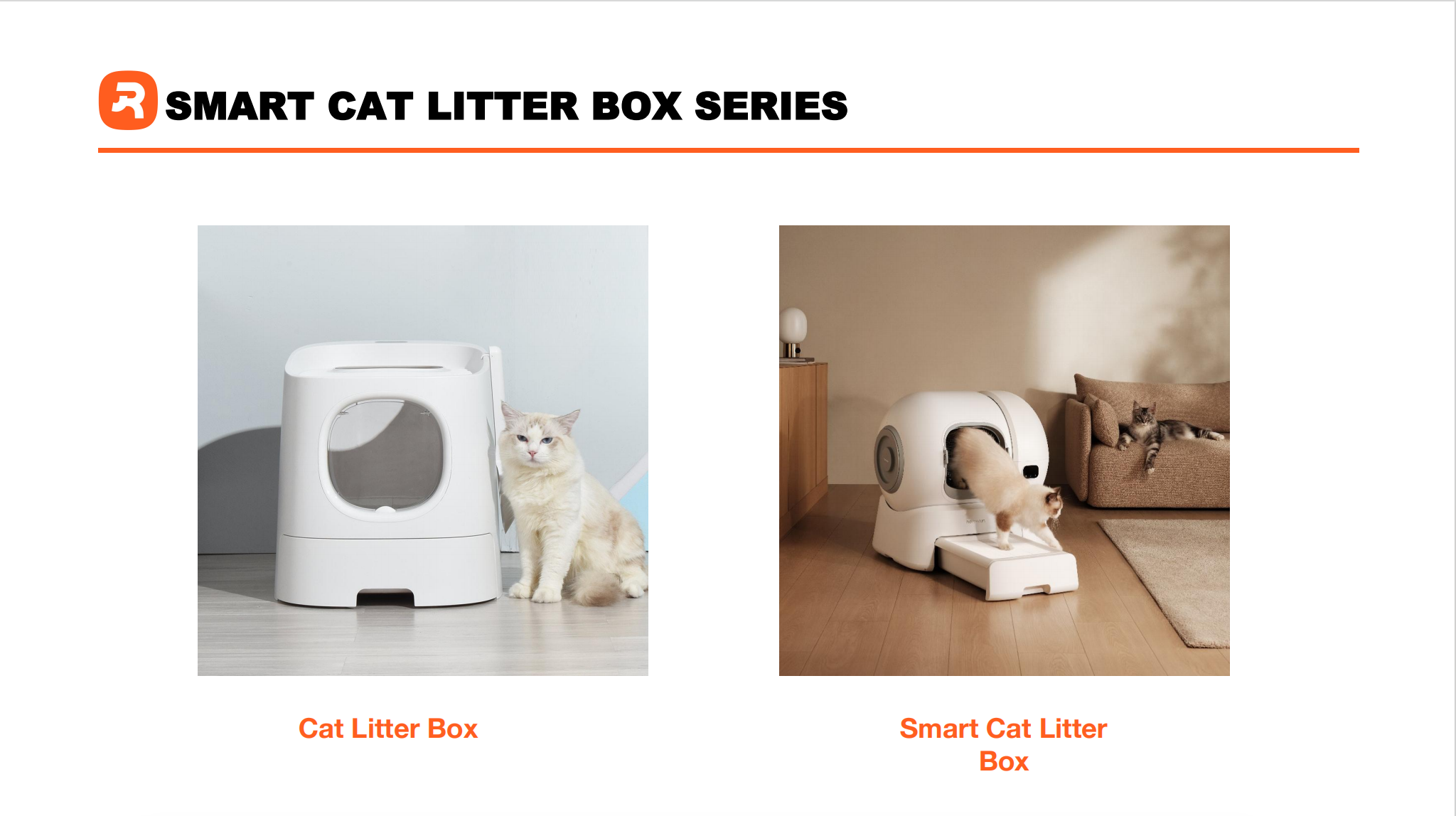
Budget considerations should factor in total cost of ownership: purchase price, subscription fees (if any), replacement consumables, and warranty coverage. A 90-day in-home trial and 12-month warranty, as offered with the CS106, reduce risk when committing to a $699 unit.
Q1: Do automatic litter boxes with phone notifications require a subscription for alerts?
A1: This varies by manufacturer. The homerunPET CS106 provides app control and notifications through its companion app without requiring an ongoing subscription for core alert functionality. Always verify whether advanced analytics or health features are gated behind paid tiers before purchasing.
Q2: How reliable are WiFi litter box notifications for multi-cat households?
A2: Reliability depends on sensor quality and WiFi stability. Systems with multiple sensor types, like the radar and weight sensors in the homerunPET CS106, reduce false triggers. Weight-based cat identification works best when cats differ by more than 1-2 lbs.
Q3: Can smart litter box alerts actually detect health problems in cats?
A3: Alerts can flag pattern changes such as increased visit frequency, longer duration, or weight fluctuations that correlate with urinary or digestive issues. They function as early-warning tools rather than diagnostic devices, giving you data to share with your veterinarian.
For detailed specifications on app-connected notification features and sensor configurations, visit homerunpet.com to explore the CS106 and determine whether its alert system matches your household requirements.