

Odor elimination in a cat household depends on system design, not just the act of scooping. A self-cleaning litter box that truly controls smell must combine rapid waste removal, a sealed waste compartment, and active odor neutralization working in concert. homerunPET addresses this through its CS106 automatic litter box, which pairs a 12L sealed waste drawer with deodorizing gel technology and a fast cleaning cycle to contain ammonia and sulfur compounds before they permeate living spaces. Below is a breakdown of the mechanisms that separate genuinely odor-free performance from marketing claims.
Why Regular Litter Boxes Cannot Stop the Smell
Exposed waste is the primary driver of household litter odor. When urine and feces sit in an open tray, bacteria immediately begin converting urea into ammonia gas. The longer waste remains exposed to air, the stronger and more pervasive the smell becomes.
Traditional covered boxes only redirect airflow rather than eliminating it. Plastic absorbs odor molecules over time, creating a baseline smell that persists even after cleaning. In multi-cat homes, the accumulation rate overwhelms any passive odor strategy within hours.
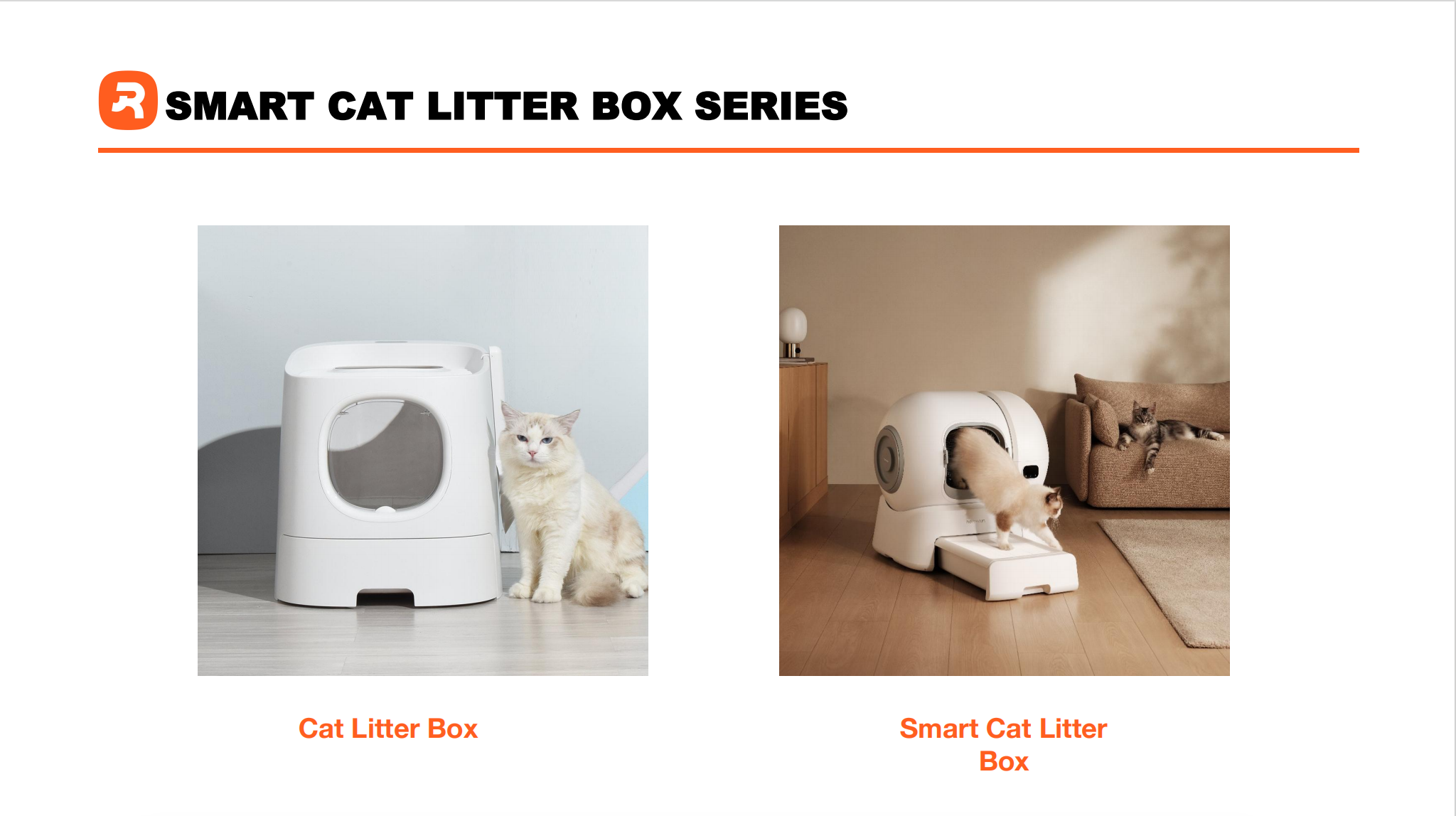
The fundamental problem is time-of-exposure. Waste that sits for 8-12 hours (a typical manual scooping interval) generates far more volatile compounds than waste sealed away within minutes of deposit.
The 4 Features That Actually Eliminate Odor
Effective odor control requires layered mechanisms working simultaneously at the source, not downstream air treatment alone.
Sealed Waste Compartment
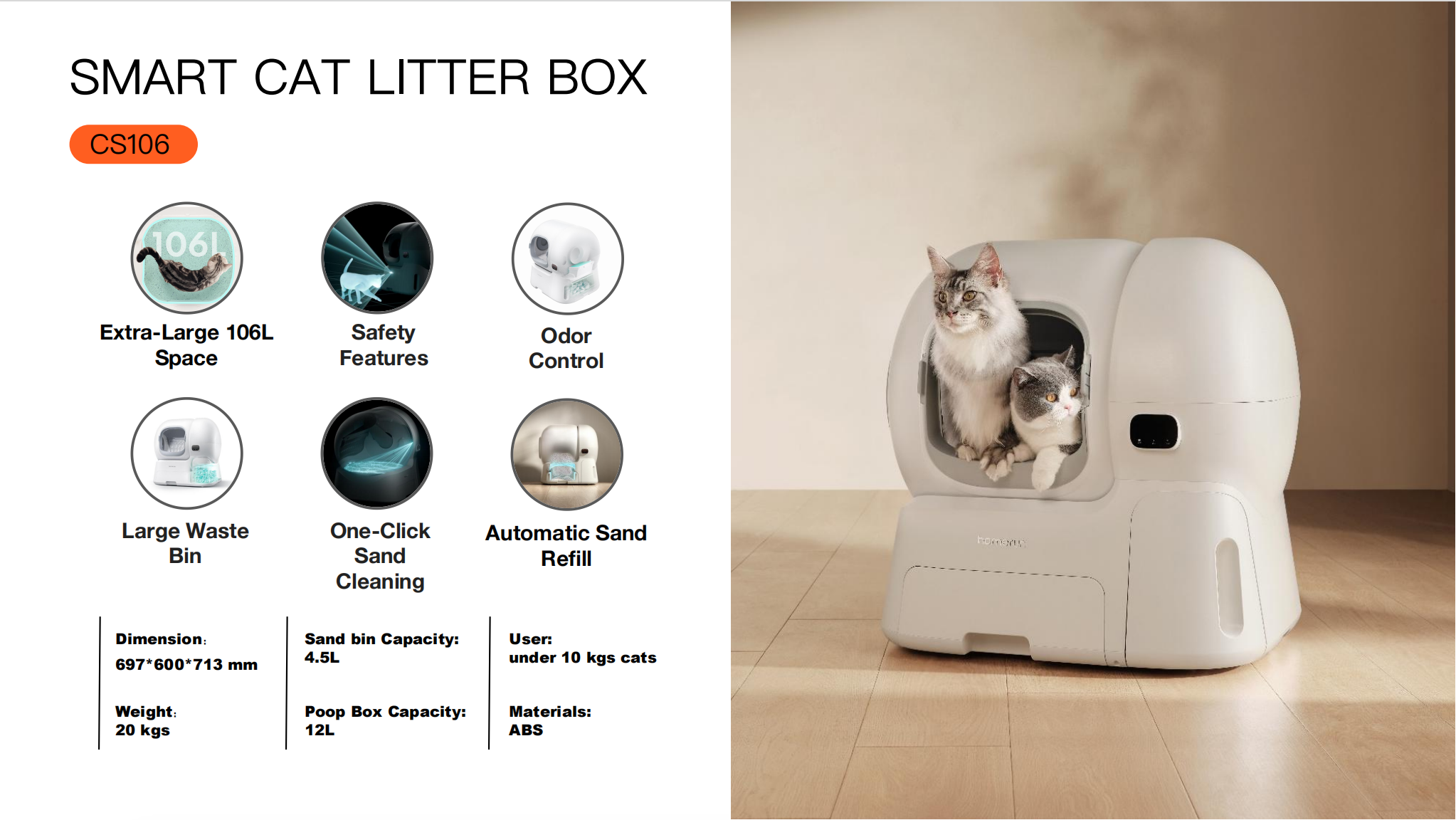
A sealed waste drawer prevents odor molecules from entering room air after waste is separated from clean litter. The quality of sealing determines performance: gasketed lids, firm latches, and minimal gaps keep ammonia and sulfur compounds contained. The homerunPET CS106 uses a large-capacity 12L sealed waste compartment that, for a single cat, can go approximately 20 days before requiring emptying. For multi-cat households with three cats, this extends to roughly 7 days of hands-free operation.
Fast Cleaning Cycle
Systems that move waste into the sealed drawer within minutes of use give bacteria far less time to generate strong odors in the open litter bed. A 3-7 minute post-use cycle is the current standard for meaningful odor reduction. The longer waste sits exposed, the more volatile organic compounds escape into living spaces.
Active Odor Neutralization
Beyond containment, chemical neutralization addresses residual molecules. The homerunPET CS106 employs deodorizing gel that actively breaks down odor compounds rather than merely masking them with fragrance. This approach targets ammonia and amine molecules at a chemical level, preventing the buildup that occurs with passive carbon alone in high-use scenarios.
Proper Litter Pairing
Unscented clumping clay remains the most effective litter type for automatic systems. Tight clumps lock in liquid quickly, reducing the surface area exposed to air. Crystal litters absorb well initially but lose effectiveness as they saturate, creating unpredictable odor spikes.
Choosing the Right Odor-Control System
The best system for your situation depends on household size, cat count, and available floor space.
For Small Apartments and Single Cats
Compact living demands both strong containment and quiet operation. Look for low-noise motors, sealed waste storage, and a cleaning cycle that does not disturb sleep or work. The homerunPET CS106 operates at low noise levels and supports app-based control, allowing you to schedule cycles around your routine. Its 106L internal chamber accommodates cats up to 25 lbs despite the external footprint of 697 x 600 x 713 mm.
For Multi-Cat Households
Multiple cats require large waste capacity, rapid cycling, and durable sealing that maintains integrity under heavy use. A 12L waste drawer paired with automatic litter replenishment (the CS106 includes a 4.5L auto-refill sand bin) reduces the frequency of manual intervention. Rapid cycling after each use prevents compound odor buildup from sequential visits.
For Safety-Conscious Owners
Odor-focused buyers sometimes overlook safety, but the two are linked. A system that a cat avoids due to safety concerns is a system that gets used elsewhere. Features like dual-bump protection, radar sensors, and weight sensors (all present in the homerunPET CS106) ensure cats use the box consistently, which keeps the automatic cycle functioning as designed.
Odor Control Approaches Compared
| Approach | Mechanism | Odor Strength Reduction | Maintenance Demand | Best For |
|---|---|---|---|---|
| Sealed drawer + deodorizing agent | Contains waste, neutralizes escaping compounds | High | Moderate (empty drawer, replace gel) | Multi-cat, small apartments |
| Open box + odor-control litter | Litter binds liquids and masks scent | Low to moderate | High (daily scooping) | Budget single-cat homes |
| Covered box + carbon pad | Redirects and partially filters air | Moderate | Low (replace pad monthly) | Low-use single-cat |
| Room air purifier + any box | Filters room air after odor escapes | Moderate | Low (filter changes) | Supplement, not standalone |
| Sealed drawer + active fan + filtration | Forces air through sorbent media | High | Moderate to high | Extreme sensitivity |
The sealed-drawer approach with active neutralization provides the strongest day-to-day odor control when maintained on schedule.
Setup and Maintenance for Zero-Smell Results
Even the best hardware fails without correct placement and upkeep.
-
Placement: Position the unit away from heat sources (radiators, direct sunlight, HVAC vents). Heat accelerates bacterial activity and volatilizes odor compounds faster. A location with mild ambient airflow helps, but avoid drafty spots that might deter cats from entering.
-
Deodorizing gel replacement: Follow the manufacturer schedule. Gel effectiveness degrades as active compounds are consumed. In high-use or warm environments, replacement may need to occur more frequently than baseline recommendations.
-
Drawer emptying: Do not push capacity limits. Even with strong sealing, a packed drawer compresses against seals and can create micro-gaps. For the homerunPET CS106, the 20-day single-cat estimate assumes average use; heavier cats or wet-food diets may shorten this window.
-
Litter depth and type: Maintain recommended litter depth for proper clump formation. Shallow litter leads to incomplete clumping, which means liquid residue remains in the bed and generates ongoing odor between cycles.
-
Weekly wipe-down: Plastic surfaces absorb odor molecules over time. A weekly wipe of the interior litter chamber with unscented cleaner prevents baseline smell accumulation that no automated system can address.
Common Misconceptions About Automatic Odor Control
Automatic does not mean automatic odor-free. A self-cleaning box that cycles waste into an unsealed bin, or one where filters are never replaced, will eventually smell as bad as a neglected manual box.
Full enclosure is another misunderstood feature. While fully enclosed designs trap air inside (which can concentrate humidity and odor within the unit), a well-designed open-entry system with strong compartment sealing can outperform enclosed domes by maintaining airflow in the litter bed while locking odor away in the waste section exclusively.
The homerunPET CS106 uses this principle: it is not a fully enclosed dome, but its sealed 12L waste compartment combined with deodorizing gel targets odor at the containment point rather than attempting to seal the entire unit, which can create a humid, unpleasant environment that cats avoid.
FAQ
Q1: Can an automatic litter box truly eliminate odor in a small apartment?
A1: A sealed-drawer automatic system removes the primary odor source (exposed waste) within minutes of use. The homerunPET CS106 combines a 12L sealed waste compartment with deodorizing gel, which addresses both containment and chemical neutralization for spaces where any lingering smell is immediately noticeable.
Q2: How often do I need to empty the waste drawer for odor-free results?
A2: For a single cat, the homerunPET CS106 can operate approximately 20 days between empties. Multi-cat households with three cats should expect roughly 7-day intervals. Emptying before maximum capacity ensures seals remain effective and odor stays contained.
Q3: Is a fully enclosed litter box better for odor control than a sealed-drawer design?
A3: Not necessarily. Fully enclosed units can trap humidity inside the litter chamber, creating conditions cats dislike and concentrating ammonia within the box itself. A sealed waste drawer approach, as used by homerunPET, isolates odor at the storage point while keeping the litter bed ventilated and comfortable for cats.
Q4: What type of litter works best with automatic litter boxes for odor elimination?
A4: Unscented clumping clay litter forms tight clumps that lock in liquid quickly, minimizing exposed surface area. This pairs well with rapid-cycle automatic boxes like the homerunPET CS106, where fast clump formation ensures clean separation during the automatic sifting process.
For a closer look at how sealed-drawer engineering and deodorizing gel technology work together in practice, visit homerunpet.com to explore the CS106 specifications, safety certifications, and maintenance guidance tailored to your household size.