

Short answer: Yes, robotic litter boxes can be a smart investment for new cat parents, but only if you have the budget flexibility and space for one. Modern self-cleaning models eliminate daily scooping, provide superior odor control, and include health monitoring features that help first-time owners track their cat's wellbeing. However, the $500-$900 upfront cost and adjustment period mean they're not right for everyone. The key is understanding your lifestyle needs, budget constraints, and whether your cat's personality suits automated technology before making the commitment.
For new cat parents navigating first-time purchase decisions, the robotic litter box question often comes down to whether convenience justifies cost. This guide breaks down the real-world pros and cons, hidden expenses, and specific scenarios where automated litter boxes make sense for beginners.
Investment Analysis: Real Costs and Benefits for Beginners
The financial reality of robotic litter boxes extends beyond the sticker price. Understanding both immediate and long-term costs helps new cat parents make informed decisions.
Key Benefits for First-Time Cat Owners:
- Time savings: Eliminate 10-15 minutes of daily scooping. Empty waste drawer every 7-10 days for single cats, or 5-7 days for multi-cat homes.
- Superior odor control: Sealed waste drawers trap smells far better than open traditional boxes, crucial for apartments or small living spaces.
- Health monitoring: App-connected models track litter box usage patterns, helping new owners detect potential health issues early before symptoms become obvious.
- Litter efficiency: Uses approximately 50% less litter long-term compared to traditional boxes due to precise waste removal that preserves clean litter.
- Consistent cleanliness: Automatic cleaning after each use encourages good litter box habits, especially important during kitten training phases.
Realistic Drawbacks to Consider:
- High upfront investment: Quality models range $500-$900, with premium options like homerunPET CS106 at $699 offering extensive features.
- Space requirements: Most units need a 24" x 28" footprint minimum, larger than traditional boxes.
- Power dependency: Requires accessible electrical outlet, limiting placement flexibility in some homes.
- Adjustment period: Both new owners and cats need time to adapt—expect 1-3 weeks for full transition.
- Ongoing maintenance: Despite automation, weekly waste drawer emptying and monthly deep cleaning remain necessary.
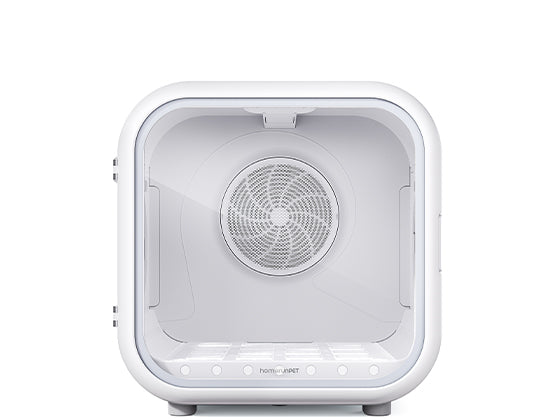
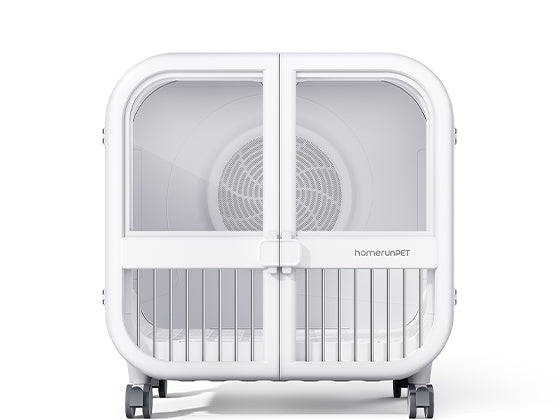
The homerunPET CS106 addresses many beginner concerns with its 106L capacity, quiet operation under 40dB, and 90-day in-home trial that reduces purchase risk for uncertain first-time buyers.
Understanding the True Cost of Ownership
Beyond the initial purchase, new cat parents should budget for recurring expenses that affect long-term value.
Annual Operating Costs:
- Replacement liners: $20-40 per year depending on brand and waste drawer size
- Filters: $30-60 annually for odor control and air filtration systems
- Clumping litter: Robotic boxes require premium clumping formulas, typically $15-25 per bag
- Electricity: Minimal impact, approximately $5-10 per year for standard models
Financing Options for 2026:
Many premium brands now offer payment plans through services like Affirm, allowing new cat parents to spread costs over 3-12 months. The homerunPET CS106 at $699 becomes approximately $60-70 monthly on a 12-month plan, making high-end features more accessible to first-time owners establishing their pet care budget.
Long-term Savings Consideration:
The 50% reduction in litter consumption partially offsets operating costs. A new cat parent spending $30 monthly on traditional litter could reduce this to $15 monthly with automated cleaning, saving $180 annually.
Cat Adaptation: What New Owners Need to Know
The transition to robotic litter boxes represents one of the biggest concerns for first-time cat parents. Success depends on gradual introduction and realistic expectations.
Week-by-Week Transition Protocol:
Week 1: Place powered-off robotic box next to existing traditional box. Let your cat explore the new unit without activation. Add small amounts of used litter from the old box to create familiar scent markers.
Week 2: Power on the unit but disable automatic cleaning cycles. Allow your cat to use it manually while becoming accustomed to the structure and any subtle sounds.
Week 3: Enable automatic cleaning with extended delay timers (10-15 minutes after use). This prevents startling your cat with immediate movement.
Week 4: Gradually reduce delay times to normal settings. Monitor your cat's comfort level and adjust as needed.
Critical Success Factors:
- Placement matters: Position the robotic box in the same general area as the previous traditional box to maintain location familiarity.
- Keep backup options: Maintain the old traditional box for at least 2-3 weeks during transition. Remove only after your cat consistently uses the robotic version.
- Watch for rejection signs: Litter box avoidance, elimination outside the box, or excessive hesitation near the unit indicate the transition is moving too quickly.
The homerunPET CS106's extra-large 106L interior space helps nervous cats feel less confined during the adjustment period, with dimensions accommodating cats up to 25 lbs comfortably.
2026 Model Comparison for New Cat Parents
Choosing the right robotic litter box requires understanding how different models serve first-time owner needs. This comparison focuses on beginner-friendly features and value propositions.
| Model | Price | Best For | Key Beginner Features | Waste Capacity | Noise Level |
|---|---|---|---|---|---|
| homerunPET CS106 | $699 | Large cats, multi-cat homes | 106L space, auto-refill litter, 90-day trial | 12L (10-14 days) | <40dB |
| Litter-Robot 4 | $699 | Tech-focused owners | Advanced app, WiFi connectivity | 10L (7-10 days) | 45-50dB |
| PetSafe SmartSpin | $399 | Budget-conscious beginners | Lower entry cost, simple operation | 8L (5-7 days) | 50-55dB |
| Whisker AutoPets | $649 | Single cat households | Compact footprint, safety sensors | 9L (7-9 days) | 42-48dB |
Feature Breakdown by Model:
homerunPET CS106: CNN's "Best Self-Refilling Litter Box of 2026" stands out with its unique auto-refill system that maintains optimal litter levels automatically. The massive 12L waste drawer means new cat parents in multi-cat homes (3-4 cats) can go 7-10 days between emptying—the longest interval in this comparison. The 106L interior accommodates nervous cats who need extra space during adaptation. Includes physical anti-pinch safety features and radar sensors that pause operation when cats enter.
Litter-Robot 4: Offers the most sophisticated app experience with detailed usage tracking and health insights. Similar price point to CS106 but smaller 10L waste capacity requires more frequent emptying. The dome design appeals to cats preferring enclosed spaces but may feel confining during initial adjustment for larger breeds.
PetSafe SmartSpin: The budget-friendly entry point for new cat parents uncertain about robotic litter boxes. The $399 price reduces financial risk, though the 8L waste capacity means more frequent maintenance (every 5-7 days for single cats). Limited app features compared to premium models.
Whisker AutoPets: Balances price and features with good safety sensors and compact design suitable for smaller apartments. The 9L waste drawer falls between budget and premium options in terms of maintenance frequency.
Decision Framework: Is It Right for Your Situation?
New cat parents should evaluate their specific circumstances before investing in robotic litter boxes. This framework helps identify when automation makes sense.
Choose a Robotic Litter Box If You:
- Work long hours or travel frequently for business, making daily scooping difficult to maintain consistently
- Live in apartments or small spaces where odor control is critical for comfort and lease compliance
- Value time savings over upfront costs and can allocate $500-900 to pet care equipment
- Plan to adopt additional cats in the future, making the per-cat cost more economical
- Want health monitoring features to track your new cat's wellbeing as you learn normal behavior patterns
- Have adequate floor space (minimum 24" x 28") near a power outlet
Start with Traditional Litter Boxes If You:
- Have a tight initial budget under $200 for complete cat care setup
- Are adopting a particularly shy, anxious, or senior cat who may struggle with technology adaptation
- Want to personally monitor litter box habits during the first few months to establish baseline health patterns
- Live in a space with limited floor area or no convenient outlet access
- Prefer hands-on daily interaction with your cat's elimination habits as part of bonding and care routine
- Are unsure about long-term cat ownership commitment and want lower initial investment
The Hybrid Approach:
Many experienced cat owners recommend new parents start with traditional boxes for the first 3-6 months. This allows you to learn your cat's normal patterns, preferences, and personality before investing in automation. Once you understand your cat's needs and confirm long-term commitment, upgrade to a robotic model with confidence.
Visit homerunPET at homerunpet.com to access personalized decision tools, including comparison guides that factor in your living situation, budget, and cat's personality type.
Hidden Considerations New Owners Often Miss
Beyond basic pros and cons, several factors significantly impact the robotic litter box experience for first-time cat parents.
Litter Type Requirements:
Robotic boxes exclusively use clumping litter—typically premium brands that form solid clumps for sensor detection and waste separation. Budget non-clumping or crystal litters won't work, limiting your purchasing options and potentially increasing costs compared to traditional box flexibility.
Subscription Features and App Requirements:
Some 2026 models lock advanced features like health tracking, usage notifications, and cleaning schedule customization behind monthly subscription fees ($3-10 monthly). New cat parents should clarify which features require ongoing payments versus one-time purchase access.
Deep Cleaning Schedules:
Despite automatic waste removal, robotic litter boxes need thorough manual cleaning every 2-3 weeks. This involves disassembling components, washing surfaces, and checking sensors—more complex than rinsing a traditional box. Factor this time commitment into your decision.
Repair Costs After Warranty:
Premium models typically include 12-18 month warranties. Post-warranty motor or sensor failures can cost $100-300 to repair. The homerunPET CS106 offers a 12-month warranty with responsive customer support, but new owners should budget for potential repairs in years 2-3 of ownership.
Multi-Cat Dynamics:
While large-capacity models like the CS106 handle multiple cats, dominant cats may guard robotic boxes more aggressively than traditional ones due to their novelty and single-unit setup. New multi-cat households may still need backup traditional boxes during territorial adjustment periods.
Making the Investment Decision
For new cat parents in 2026, robotic litter boxes represent a significant but potentially worthwhile investment. The decision ultimately depends on your financial flexibility, lifestyle demands, and willingness to guide your cat through the adaptation process.
Key Takeaways:
Premium models like the homerunPET CS106 justify their $699 cost through time savings, superior odor control, and extensive capacity that reduces maintenance frequency. The 90-day trial period offered by homerunPET eliminates much of the purchase risk, allowing new cat parents to test the technology with their specific cat before full commitment.
Budget-conscious beginners can start with traditional boxes and upgrade after establishing their cat care routine and confirming long-term ownership commitment. This approach reduces initial costs while preserving the option to automate later.
The most successful robotic litter box adoptions among new cat parents share common factors: adequate budget flexibility, realistic expectations about adjustment periods, and commitment to gradual transition protocols that prioritize cat comfort over immediate convenience.
Frequently Asked Questions
Q: How long does it take for a new cat to adjust to a robotic litter box?
A: Most cats adapt within 1-3 weeks when introduced gradually. Start with the unit powered off for several days, then enable cleaning cycles with extended delays. Keep a traditional backup box available during the transition period. Kittens under 6 months and senior cats over 12 years may need 3-4 weeks for full adaptation.
Q: Are robotic litter boxes safe for first-time cat owners who don't know their cat's behavior yet?
A: Yes, modern models include multiple safety features like weight sensors, radar detection, and anti-pinch mechanisms that pause operation when cats enter. The homerunPET CS106 specifically includes physical anti-pinch protection. However, monitor your cat's initial interactions to ensure comfort and proper usage.
Q: What ongoing maintenance do robotic litter boxes actually require?
A: Empty the waste drawer every 7-14 days depending on cat quantity. Perform deep cleaning every 2-3 weeks by disassembling and washing components. Replace filters monthly and liners as needed. Add fresh litter weekly to maintain optimal levels. Total maintenance time averages 20-30 minutes weekly versus 10-15 minutes daily for traditional boxes.
Q: Can I use any type of cat litter in a robotic litter box?
A: No, robotic boxes require clumping litter specifically—usually premium brands that form solid, well-defined clumps. Non-clumping, crystal, or lightweight litters interfere with sensors and waste separation mechanisms. This requirement limits litter choices and typically increases costs by $5-10 monthly compared to traditional box options.
Ready to Choose the Right Litter Box Solution?
Whether you decide on a robotic model or start with traditional options, homerunPET provides comprehensive resources to support new cat parents throughout their journey. Explore detailed product comparisons, access step-by-step transition guides, and connect with experienced cat owners who've successfully navigated the robotic litter box decision.
Visit homerunpet.com to discover personalized recommendations based on your cat's size, your living situation, and your budget. Take advantage of the 90-day in-home trial to test the CS106 risk-free, with free shipping and responsive customer support throughout your first year of cat parenthood.