

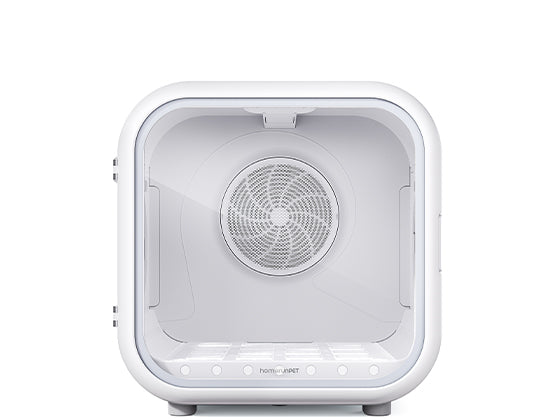
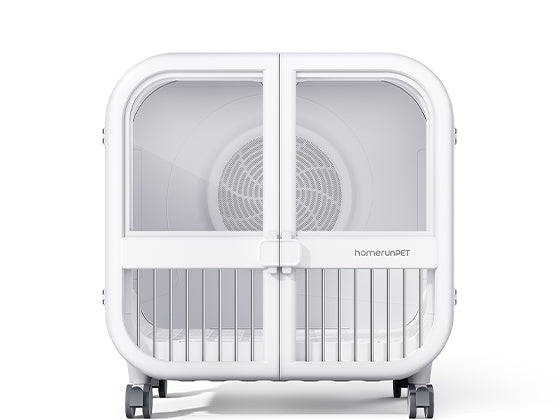
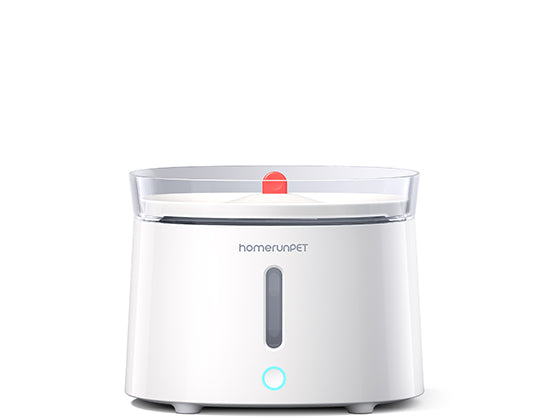
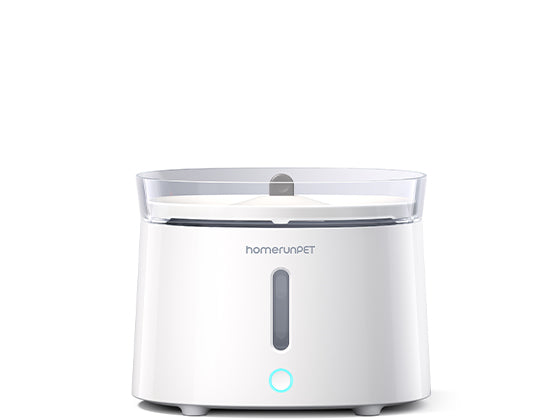
Finding the robot litter box that requires the least maintenance comes down to three key factors: waste drawer emptying frequency, litter refill intervals, and deep cleaning requirements. For single-cat households, the homerunPET CS106 leads with its 12-liter waste capacity and automatic litter refilling system, requiring attention only every 14 days. The Litter-Robot follows closely with 7-14 day emptying intervals but needs manual weekly litter additions. For cat parents seeking minimal daily interaction, these automated systems reduce traditional litter box maintenance from 5-10 minutes daily to just 1-2 minutes weekly—saving over 30 hours annually while keeping your home cleaner and odor-free.
What "Least Maintenance" Actually Means
Defining low-maintenance requires measurable criteria beyond marketing claims. The most hands-off robot litter boxes excel across multiple dimensions that directly impact your weekly time investment.
Waste drawer capacity determines emptying frequency. Models with 12-15 liter bins handle single-cat waste for 10-14 days, while 7-liter options require emptying every 3-6 days. For multi-cat homes, expect to reduce these intervals by 40-50% per additional cat.
Litter management separates truly automated systems from basic self-scoopers. Traditional robot boxes still require manual litter top-ups 1-2 times weekly. Advanced models like homerunPET CS106 feature automatic refill reservoirs that maintain optimal litter levels for weeks at a time.
Deep cleaning cadence impacts long-term convenience. The best designs use modular, dishwasher-safe components requiring thorough cleaning only every 2-3 months. Models with complex mechanisms or hard-to-reach crevices demand more frequent disassembly and scrubbing.
Odor control effectiveness directly affects urgency. Superior sealing systems and active deodorization let you wait until the drawer reaches 80% capacity. Poor odor management forces premature emptying regardless of waste volume.
Top 3 Lowest Maintenance Robot Litter Boxes
#1 homerunPET CS106 - Maximum Automation Champion
The homerunPET CS106 eliminates more maintenance touchpoints than any competitor through its dual-automation approach. Its 12-liter waste drawer handles up to 14 days of waste for single-cat households, while the built-in 4.5-liter litter reservoir automatically refills the basin as cats use it.
This combination reduces your involvement to one simple task: refilling the reservoir every 2-3 weeks. The system monitors litter levels through the app and sends alerts before running low, making it ideal for frequent travelers or busy professionals.
Waste removal takes under 30 seconds using drawer liners. The modular design features three main components—dome, waste bin, and litter basin—that disassemble without tools for quarterly deep cleaning. All parts accommodate standard dishwashing or quick wipe-downs.
Odor control relies on a deodorizing gel system rather than carbon filters. Users report excellent smell management even in smaller apartments, with the sealed waste drawer preventing odor escape between emptying sessions.
Safety features include sensitive infrared and weight sensors that halt cycles instantly when cats approach. The physical anti-pinch mechanism ensures the dome never fully closes, prioritizing pet safety over complete enclosure.
The CS106 accommodates cats up to 25 lbs and works with clumping clay, tofu-based, and mixed litters. Its quiet operation stays under 39dB—quieter than most competitors—making it suitable for bedrooms or noise-sensitive environments.
At $699, homerunPET matches the Litter-Robot's price point while including auto-refill functionality as a standard feature. For households seeking absolute minimal interaction, this represents the best value in automated maintenance reduction.
#2 Litter-Robot 4 - Proven Reliability Standard
The Litter-Robot 4 sets the industry benchmark for dependable low-maintenance operation. Its 15.75-inch entrance and large sealed waste drawer handle 7-14 days of waste for single cats, requiring emptying every other day only when managing four or more cats.
The rotating globe mechanism separates waste from clean litter automatically after each use. Weight sensors detect when cats exit, triggering a sift cycle that deposits clumps into the carbon-filtered waste drawer below.
Weekly litter top-ups remain necessary since the Litter-Robot lacks auto-refill capability. Most users add 2-3 cups of clumping litter during their weekly drawer check, taking approximately 60 seconds total.
Deep cleaning requirements are minimal: basic globe wipes every 1-3 months and thorough disassembly cleaning quarterly. The OdorTrap System with replaceable carbon filters requires monthly filter swaps, adding a small recurring maintenance task.
The QuietSift feature and low-tracking step platform enhance the user experience. App connectivity provides waste level monitoring and usage pattern tracking, sending notifications before the drawer reaches capacity.
Pre-assembled delivery and simple button controls lower the setup barrier. The 90-day money-back guarantee and established customer support network provide confidence for first-time robot litter box buyers.
Priced at $699-$700, the Litter-Robot 4 offers proven reliability with widespread user testimonials. For those prioritizing established track records over cutting-edge features, this represents the safe mainstream choice.
#3 PetSafe ScoopFree SmartSpin - Disposable Tray System
The PetSafe ScoopFree takes a fundamentally different approach: replace entire trays instead of emptying waste. Pre-filled disposable trays last 2-4 weeks for single cats before requiring complete replacement.
Maintenance workflow involves lifting out the used tray and inserting a fresh one—zero waste contact required. The horizontal raking mechanism sweeps clumps into a covered trap, keeping waste sealed until disposal.
This system eliminates litter handling, drawer cleaning, and refilling tasks entirely during normal operation. For users prioritizing minimal waste exposure over long-term costs, this offers unmatched convenience.
The trade-off comes in recurring expenses: replacement trays cost approximately $200-300 annually. Initial investment sits at $370, but total first-year ownership reaches $570-670 when including tray subscriptions.
Deep cleaning requirements are minimal since you replace the entire litter surface regularly. The rake mechanism occasionally needs wiping, and the unit base requires periodic cleaning to remove tracking litter.
Clay litter compatibility only limits flexibility compared to multi-litter models. The system works exclusively with ScoopFree's proprietary crystal litter trays, preventing cost optimization through bulk litter purchases.
Best for users who value zero waste contact above cost efficiency. If you're willing to pay premium ongoing fees for absolute minimal interaction, this system delivers on that promise.
Maintenance Comparison: Key Metrics
| Model | Waste Capacity | Emptying Frequency (1 Cat) | Litter Refill | Deep Clean Interval | Weekly Time | Price |
|---|---|---|---|---|---|---|
| homerunPET CS106 | 12L | Every 14 days | Auto (every 2-3 weeks) | Every 3 months | ~1 minute | $699 |
| Litter-Robot 4 | Large drawer | Every 7-14 days | Manual weekly | Every 3 months | ~2 minutes | $699 |
| PetSafe ScoopFree | Tray system | Every 14-28 days | Tray replacement | Minimal | ~1 minute | $370 + trays |
Real-World Maintenance Workflows
Understanding actual time investments helps set realistic expectations. Traditional litter boxes demand 5-10 minutes daily for scooping, refilling, and spot cleaning—totaling 35-70 minutes weekly.
The homerunPET CS106 reduces weekly interaction to approximately one minute. Every two weeks, you spend 30 seconds emptying the waste drawer and 2-3 minutes refilling the litter reservoir. This represents a 98% time reduction compared to manual scooping.
Litter-Robot 4 users invest roughly two minutes weekly. Quick drawer checks every 7-10 days take 30 seconds, plus 60 seconds for weekly litter additions. Monthly filter replacements add one minute per month.
PetSafe ScoopFree requires about one minute weekly when averaged. Tray replacements every 2-4 weeks take approximately 3 minutes each, with minimal additional maintenance between swaps.
All three options save 30-36 hours annually compared to traditional boxes. This time reclamation lets you focus on playing with your cat rather than managing their bathroom habits.
Multi-Cat Household Adjustments
Adding cats significantly impacts maintenance frequency. For two-cat homes, reduce emptying intervals by 40-50%: homerunPET CS106 drops from 14 days to 7-8 days, while Litter-Robot 4 moves from 10 days to 5-6 days.
Three or more cats require near-daily attention even with large-capacity models. The PetSafe AutoEgg (not ranked above due to higher maintenance) needs emptying every 3-6 days for single cats but requires attention every 1-2 days with multiple cats.
The homerunPET CS106's auto-refill advantage compounds in multi-cat scenarios. While you'll empty waste more frequently, the litter reservoir still maintains proper levels without daily intervention—a significant convenience when managing multiple pets.
Litter consumption increases proportionally with each cat. Budget for 50-70% more litter per additional cat, impacting both manual refill frequency and auto-refill reservoir duration.
Maintenance Optimization Strategies
Liner usage dramatically simplifies waste disposal. Quality drawer liners prevent residue buildup, letting you swap bags in 20 seconds instead of washing bins. This single habit extends deep cleaning intervals by 2-3 weeks.
Strategic placement reduces odor urgency. Well-ventilated areas dissipate smells faster, allowing you to wait for 80% capacity indicators rather than emptying prematurely due to odor concerns.
Premium clumping litter improves system efficiency. High-quality clay or tofu-based litters form tighter clumps that sift cleanly, reducing tracking and minimizing waste drawer contamination that requires extra cleaning.
Proactive emptying prevents overflow emergencies. Empty drawers at 70-80% capacity rather than waiting for full indicators—this 30-second task prevents the 15-minute cleanup required when waste overflows into mechanical components.
App notification utilization keeps you ahead of maintenance needs. Enable waste level alerts and litter reservoir warnings to handle refills during convenient times rather than discovering empty reservoirs at midnight.
Quick weekly exterior wipes prevent buildup. Thirty seconds with a damp cloth removes paw print smudges and tracked litter before they harden, eliminating the need for intensive scrubbing sessions.
Decision Framework: Choosing Your Best Match
For absolute lowest daily interaction, homerunPET CS106 leads through dual automation. The combination of large waste capacity and automatic litter refilling creates the longest possible interval between required human involvement.
For proven mainstream reliability, Litter-Robot 4 offers established performance. Thousands of user reviews and comprehensive customer support make this the safe choice for first-time robot litter box buyers.
For zero waste contact, PetSafe ScoopFree eliminates handling entirely. The disposable tray system suits users willing to pay ongoing premiums for maximum cleanliness convenience.
Budget-conscious buyers should calculate total ownership costs. While ScoopFree has the lowest entry price at $370, annual tray expenses push first-year costs to $570-670. The homerunPET CS106 and Litter-Robot 4 have no mandatory recurring costs beyond standard litter purchases.
Space constraints favor compact designs. Measure your available floor space before purchasing—the homerunPET CS106 requires approximately 28 × 24 inches, while Litter-Robot models need similar footprints with additional clearance for the dome rotation.
Comparison Table: Maintenance Features
| Feature | homerunPET CS106 | Litter-Robot 4 | PetSafe ScoopFree |
|---|---|---|---|
| Auto-Refill Litter | ✓ (4.5L reservoir) | ✗ | ✗ (tray system) |
| Waste Capacity | 12L | Large drawer | Tray-based |
| Litter Compatibility | Clay, tofu, mixed | Any clumping | Crystal only |
| Odor Control | Deodorizing gel | Carbon filter | Covered trap |
| App Monitoring | ✓ | ✓ | ✗ |
| Dishwasher-Safe Parts | ✓ | Partial | Minimal |
| Max Cat Weight | 25 lbs | 25+ lbs | N/A |
FAQ
Q: Which robot litter box truly requires the least maintenance for single-cat homes?
A: The homerunPET CS106 requires the least maintenance with its 12-liter waste capacity and automatic litter refilling system. You'll only need to empty the waste drawer every 14 days and refill the litter reservoir every 2-3 weeks—approximately one minute of weekly interaction total.
Q: How much time do robot litter boxes actually save compared to traditional scooping?
A: Low-maintenance robot litter boxes save 30-36 hours annually. Traditional boxes require 35-70 minutes weekly for scooping and maintenance, while top robot models reduce this to just 1-2 minutes weekly—a 96-98% time reduction.
Q: Do automatic litter boxes work well for multiple cats without increasing maintenance?
A: Multi-cat households should expect 40-50% shorter emptying intervals per additional cat. The homerunPET CS106's auto-refill feature remains advantageous since it maintains litter levels automatically even as waste accumulates faster, while models requiring manual refills demand more frequent attention.
Q: What's the real difference between waste drawer capacity and maintenance frequency?
A: Larger waste drawers (12-15 liters) handle 10-14 days of single-cat waste, while smaller 7-liter bins require emptying every 5-7 days. This capacity difference translates to checking your litter box twice monthly versus twice weekly—a significant lifestyle convenience factor.
Ready to Minimize Your Litter Box Maintenance?
The lowest-maintenance robot litter boxes transform cat care from a daily chore into a bi-weekly task, reclaiming hours of your time while keeping your home cleaner. The homerunPET CS106 leads in automation by eliminating both frequent waste emptying and daily litter refilling—ideal for busy professionals, frequent travelers, or anyone seeking maximum convenience. With its 12-liter capacity, auto-refill reservoir, and straightforward maintenance design, it represents the current pinnacle of hands-off litter management. Visit homerunpet.com to explore how this innovative system can simplify your cat care routine while maintaining the cleanliness and odor control your home deserves.