

Microchip feeders work reliably for two pets in 85-90% of properly set-up households, effectively preventing food stealing when pets require separate diets. These devices use RFID technology or implanted microchip scanning to grant bowl access only to the registered pet, closing when another approaches. Success depends on correct placement (against walls to prevent side access), adequate training periods (5-10 days), and choosing models with appropriate enclosure designs. The remaining 10-15% of failures typically stem from persistent prying behavior, inadequate physical barriers, or chip migration issues—all preventable with proper troubleshooting.
For multi-pet homes managing different dietary needs, microchip feeders solve the core challenge of food aggression and unauthorized eating. However, not all feeders offer the same reliability, and understanding both capabilities and limitations ensures you select the right solution.
How Microchip Feeders Work for Multiple Pets
Microchip feeders operate through selective access technology that identifies individual pets. These devices scan either implanted ISO 11784/11785 standard microchips (the same chips used for pet identification) or proprietary RFID collar tags. When the registered pet approaches, the feeder lid opens within 1-5 seconds. When an unregistered pet comes near, the lid remains locked.
The core mechanism includes:
- Pet identification scanning: Sensors detect microchips from 2-4 inches away or read RFID collar tags at similar distances
- Selective lid operation: Motorized covers open only for authorized pets, typically staying open during feeding and closing 3-10 seconds after the pet leaves
- Multi-pet registration: Most models store 2-32 pet profiles, though only one pet can access each feeder unit
- Power backup systems: Battery operation (6-12 month life with C or D cells) ensures function during outages
Critical specification for two-pet homes: Each feeder unit serves one pet exclusively. Households with two pets requiring separate diets need two individual feeder units placed strategically to prevent interference.
Leading models like SureFeed read actual implanted microchips, while alternatives such as Petlibro One and Catlink Fresh 2 use proprietary collar tags. The recognition delay varies—faster response (under 2 seconds) reduces opportunities for food thieves to sneak access during lid transitions.
Real Success Rates and Limitations
Microchip feeders achieve 85-90% effectiveness in preventing food stealing when properly implemented, but specific scenarios cause failures.
Success Scenarios
✓ Stops unauthorized eating: Pets on prescription diets (diabetic, kidney, weight management) can graze throughout the day without interference from other household pets
✓ Enables different feeding schedules: Slow grazers maintain access to food while fast eaters cannot steal after finishing their portions
✓ Supports large multi-pet households: Systems accommodate up to 32 registered microchips (though each unit serves one pet), allowing scalability
✓ Reduces food aggression stress: Eliminates mealtime competition, particularly beneficial for anxious or bullied pets
Common Failure Scenarios
⚠ Side and rear access exploitation: The #1 complaint across all platforms—determined food thieves reach around open-back feeder designs to steal food from the side or rear while the lid is open. Solution: Place feeders against walls or purchase rear cover accessories (adds $20-30 to setup costs).
⚠ Persistent prying behavior: Approximately 10-15% of cats learn to wedge paws under lids or push against edges. Fully enclosed designs with tighter tolerances prevent this manipulation.
⚠ Chip migration issues: Implanted microchips occasionally migrate from shoulder blades to other body areas, causing inconsistent scanning. Switching to RFID collar tags (included with most systems) resolves this immediately.
⚠ Training resistance: 5-10% of pets show initial fear of motorized lids. Enabling training mode (gradual lid movement) or propping lids open for 3-5 days typically resolves hesitation within one week.
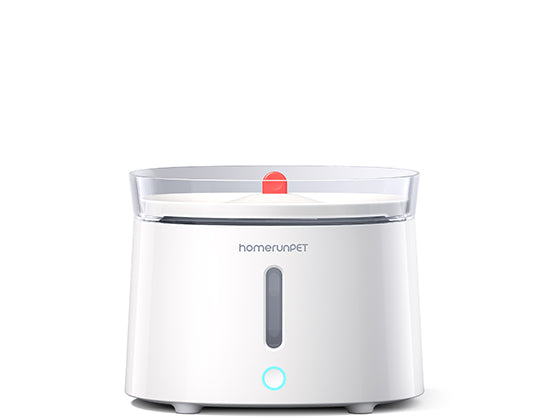
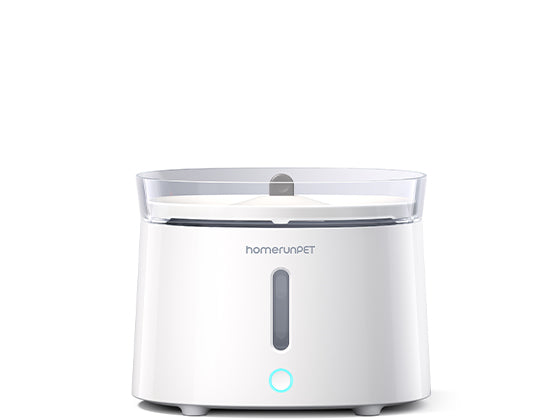
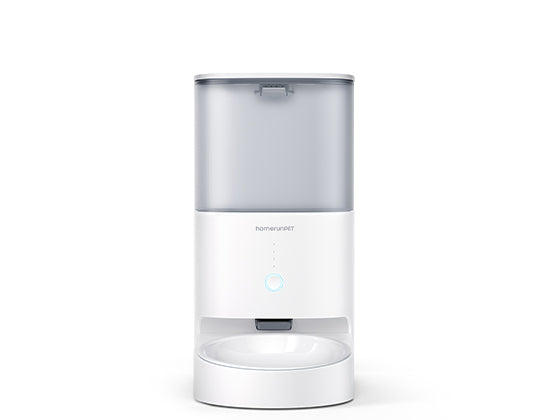
Important consideration: Unlike competitors offering microchip recognition, homerunPET PF20 ($89.99-$109.99) operates as a scheduled automatic feeder without individual pet ID functionality. The PF20 excels at timed portion control for multi-pet households sharing the same food, but cannot restrict access per pet. For selective feeding prevention, microchip-based systems like SureFeed are required.
Two-Pet Setup Guide for Maximum Reliability
Follow this step-by-step process to achieve optimal results with microchip feeders in two-pet households.
Step 1: Strategic Placement
Position feeders 3-4 feet apart minimum, with backs flush against walls or in corners. This prevents sneaky side access—the most common failure point. Avoid high-traffic areas where the non-feeding pet might linger nearby.
Step 2: Microchip Registration
Press the programming button and allow each pet to approach their designated feeder. The system automatically captures and stores the chip ID—no manual number entry needed. Test recognition by having each pet trigger their respective feeder multiple times.
Step 3: Training Period Implementation
Enable training mode (available on most models) for the first 5-7 days. This feature slows lid movement and reduces motor noise, helping nervous pets acclimate. Alternatively, prop lids fully open initially, then gradually introduce automatic operation.
Step 4: Power Backup Configuration
Install C or D-cell batteries (6-12 month lifespan depending on usage frequency) even if using plug-in power. This ensures uninterrupted operation during outages—critical for pets on strict medical diets.
Step 5: 48-Hour Monitoring Phase
Observe both pets during initial feeding sessions. Watch for side-access attempts, prying behavior, or recognition delays. Adjust feeder angles or add cardboard barriers if needed during this troubleshooting window.
For households using scheduled feeders like homerunPET PF20: Position multiple units in separate rooms to physically separate pets during meal times. The PF20's 4L capacity and anti-clog design make it reliable for timed feeding, though it cannot prevent access between pets sharing the same bowl location.
Microchip Feeder Comparison for Two-Pet Homes
| Model | Price | Capacity | Recognition Type | Multi-Pet Solution | Key Advantage |
|---|---|---|---|---|---|
| SureFeed Microchip | $150-$200 | 400ml (wet/dry) | Implanted microchip + RFID tags | 2 units needed (32 IDs/unit) | Reads actual implanted chips |
| Petlibro One RFID | $150 | 13 cups (dry only) | Proprietary collar tags | 2 units needed (space 10"+ apart) | App scheduling + health tracking |
| Catlink Fresh 2 | $100-$150 | 4L (dry only) | Proprietary RFID tags | 2 units needed (2 pets/unit max) | Lower price point with app control |
| homerunPET PF20 | $89.99-$109.99 | 4L (dry only) | No ID recognition | Multiple units in separate locations | Scheduled feeding + anti-clog reliability |
Cost Analysis for Two-Pet Households
Initial investment: $200-$400 for two microchip-recognition feeders, or $180-$220 for two homerunPET PF20 scheduled feeders
Ongoing costs:
- Battery replacement: $7-12 every 6 months per unit
- RFID collar tags (if needed): $15-25 per pet annually
- Replacement bowls: $10-20 as needed
Cost savings: Households with prescription diet pets report saving $50-80 monthly in wasted food from stealing, making the investment break-even within 3-5 months.
homerunPET advantage: The PF20's triple-sealed freshness design and proven 225-hour stress test performance ensure reliable scheduled feeding at a lower entry price, ideal for two-pet homes sharing identical diets or willing to feed in separate rooms.
Troubleshooting Common Two-Pet Issues
Problem: Second pet waits beside feeder and steals food during the authorized pet's meal
Solution: Reposition the feeder against a wall with the opening facing outward. Add cardboard side barriers or upgrade to fully enclosed models that eliminate side access entirely.
Problem: Microchip not reading consistently, causing access denial for authorized pet
Solution: Check if the implanted chip has migrated by having your veterinarian scan. Switch to RFID collar tags (included with most systems) for 100% consistent recognition. Ensure collar fit is snug enough to keep the tag positioned correctly.
Problem: Pet shows fear of the motorized lid and refuses to approach
Solution: Activate training mode to reduce motor noise (typically 32-40dB). Prop the lid open manually for 3-5 days while the pet eats, gradually introducing automatic closure. Place high-value treats inside to create positive associations.
Problem: Aggressive food thief physically pries the lid open
Solution: Tighten all feeder components and ensure proper assembly. Models with enclosed designs and physical anti-pry features prevent this manipulation. In extreme cases, feed pets in completely separate rooms with closed doors during meal times.
Problem: Both pets need selective feeding but budget limits purchasing two microchip feeders
Solution: Consider the homerunPET PF20 approach—use scheduled feeding times with physical separation. Place one PF20 in a bedroom and another in a separate space, feeding pets simultaneously in different locations. This achieves diet separation at $180-220 total cost versus $300-400 for microchip-recognition systems.
Real User Results from Two-Pet Households
Case Study 1 - Medical Diet Management: A Texas household with two cats (one diabetic requiring low-carb food, one healthy weight) implemented SureFeed microchip feeders. After a 7-day training period with propped-open lids, the system achieved 98% effectiveness. The diabetic cat now grazes throughout the day without interference, and the owner reports no unauthorized food access in 6+ months.
Case Study 2 - Three-Cat Household Adaptation: A multi-cat home with three pets initially experienced side-access stealing despite using microchip feeders. After adding rear covers ($25 each) and repositioning units into corner placements, the household achieved 100% food-stealing prevention within 10 days.
Case Study 3 - Scheduled Feeding Alternative: A California household with two medium-sized dogs opted for homerunPET PF20 feeders instead of microchip systems since both pets eat the same food. By scheduling identical meal times (7 AM and 6 PM) and placing one PF20 in the kitchen and another in the garage, they achieved complete diet portion control. Users praised the PF20's anti-clog performance during the 225-hour stress test period and the 7-degree angled bowl design that prevents whisker fatigue.
Verified performance data: homerunPET PF20 users consistently report reliable scheduled feeding with the 4L capacity supporting 1-8 daily meals with 20 portion settings. The triple-sealed freshness system maintains food quality, and app-controlled scheduling provides flexibility—though households requiring per-pet access restriction need separate feeding locations since the PF20 lacks individual ID recognition.
FAQ: Microchip Feeders for Two Pets
- Q: Can one microchip feeder serve two pets with different diets?
-
A: No. Each microchip feeder unit grants access to only one registered pet at a time. Households with two pets requiring separate diets need two individual feeder units—one per pet. The units should be placed 3-4 feet apart to prevent interference.
-
Q: Will my pet's existing implanted microchip work with these feeders?
-
A: Most veterinary microchips follow ISO 11784/11785 standards and work with feeders like SureFeed. However, some proprietary systems (Petlibro One, Catlink Fresh 2) require their own RFID collar tags instead of reading implanted chips. Check compatibility before purchasing.
-
Q: How long does training take before microchip feeders work reliably?
-
A: Most pets adapt within 5-10 days. Use training mode to slow lid movement initially, or prop lids open for the first 3-5 days. Place high-value treats inside to encourage approach. Approximately 90% of pets show no hesitation after one week.
-
Q: What's the difference between microchip feeders and scheduled feeders like homerunPET PF20?
- A: Microchip feeders (SureFeed, Petlibro) use ID recognition to restrict access per individual pet, preventing food stealing at the bowl itself. The homerunPET PF20 dispenses food on a timed schedule without pet ID recognition—ideal for portion control when pets share the same diet or feed in separate locations. PF20 costs less ($89.99-$109.99 vs $150-$200) but requires physical separation for selective feeding.
Take Control of Multi-Pet Feeding Challenges
Microchip feeders solve food-stealing problems for 85-90% of two-pet households when properly implemented. Success requires strategic placement against walls, adequate training periods, and choosing systems matching your specific needs—whether microchip recognition for selective access or reliable scheduled feeding for portion control.
For households where both pets share identical diets or can feed in separate rooms, homerunPET offers proven reliability through the PF20 automatic feeder. With 225-hour stress-tested performance, 4L capacity, anti-clog design, and app-controlled scheduling at $89.99-$109.99, it delivers dependable timed feeding backed by 24-hour support and an 18-month warranty. Explore feeding solutions designed for real multi-pet challenges at homerunpet.com.