

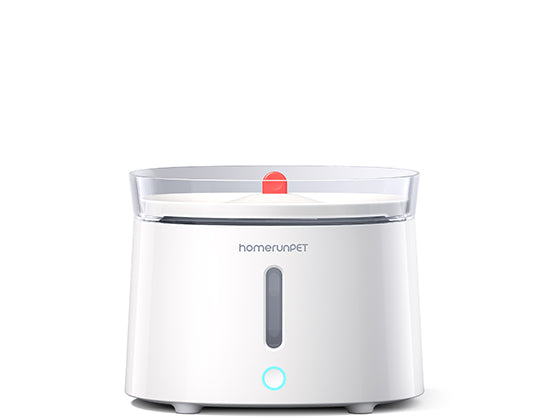
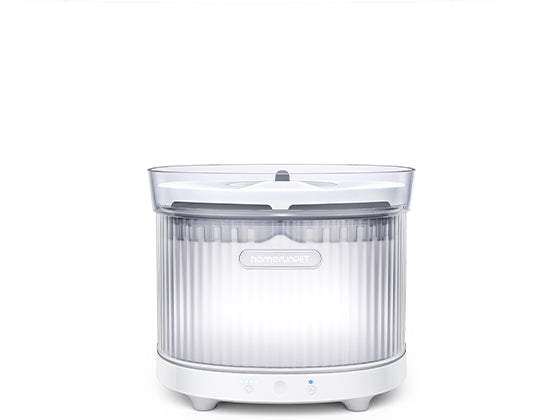
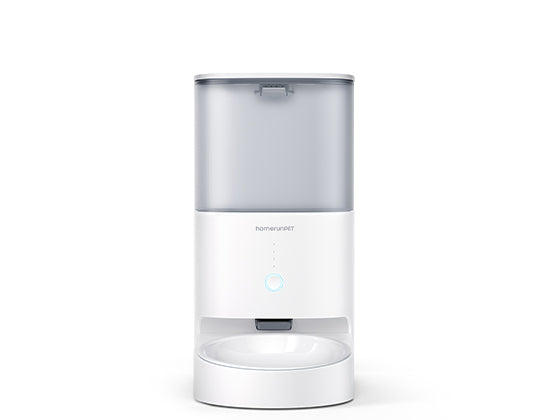
Managing individual diets and preventing food theft in multi-pet households requires smart feeders with reliable pet recognition technology. homerunPET and other brands now offer RFID collar tag systems and microchip-activated feeders that identify each pet, control access to specific food portions, and track eating patterns through smartphone apps. While premium AI camera models like Cheerble's Match G1 ($259) use facial recognition, RFID-based solutions deliver proven accuracy at accessible price points—typically $89.99-$259—making individual pet feeding management practical for most households with 2-6 pets.
How Pet Recognition Feeders Work
RFID and microchip feeders identify pets through radio frequency signals, either from implanted ISO 11784/85 microchips or proprietary collar tags. When a registered pet approaches, the feeder reads the unique ID code within 2-4 inches, then opens a protective dome or activates dispensing. Systems like PawsPik's Automatic Microchip RFID Feeder support both 15-digit microchips and collar tags, offering two operational modes: open-default (closes when unauthorized pets approach) or closed-default (opens only for approved pets). This prevents food theft and enables diet-specific feeding schedules.
AI camera feeders use visual recognition instead of radio signals. The Cheerble Pet Feeder Match G1, unveiled at CES 2026, employs edge-AI processing with infrared cameras to map facial geometry, achieving 99.9% cat identification accuracy. The system recognizes up to 6 cats and adapts to appearance changes over time—grooming, weight fluctuations, seasonal coat variations. CATLINK's multi-cat feeder uses a 1080P camera for low-light recognition, processing facial features through smartphone-integrated algorithms. All data stays local without cloud uploads, addressing privacy concerns while maintaining recognition reliability.
App integration transforms feeders into health monitoring tools. Connected models track eating frequency, meal duration, and food volume per pet, establishing baseline patterns to detect abnormalities. If a typically enthusiastic eater skips meals or a pet shows sudden overconsumption, the app sends health alerts. Remote scheduling allows portion control adjustments from anywhere—useful for prescription diet management or weight control programs across multiple pets.
RFID vs Microchip vs AI Camera Technology
| Technology | Recognition Method | Pet Capacity | Setup Complexity | Price Range | Best For |
|---|---|---|---|---|---|
| RFID Collar Tag | Proprietary tag on collar | 2-10 pets | 5-10 min pairing | $89.99-$150 | Budget-conscious, quick setup |
| Microchip Reader | ISO 11784/85 implant | 1-32 pets | Instant (chip already implanted) | $149-$200 | Pets with existing microchips |
| AI Facial Recognition | Camera + edge-AI processing | 4-6 pets | 2-10 photos per pet | $220-$259 | Collar-free preference, tech enthusiasts |
| homerunPET PF20 | No recognition (scheduled only) | Multi-pet (shared) | App setup 3-5 min | $89.99-$109.99 | Scheduled feeding without ID needs |
RFID collar tag systems offer the fastest setup for pets without microchips. Pairing takes 5-10 minutes: attach the lightweight tag to the pet's collar, hold near the feeder sensor, and register in the app. Tags typically weigh 0.3-0.5 oz, suitable for cats and dogs over 4 lbs. The main limitation is collar dependency—pets must wear tags consistently, and some cats resist collars. However, RFID delivers reliable short-range identification at lower cost than AI alternatives.
Microchip-activated feeders eliminate collar requirements by reading pets' existing ISO-standard identification chips implanted between shoulder blades. PawsPik's model stores up to 32 pet IDs, making it scalable for larger multi-pet households or shelters. Since most adopted pets already have microchips, setup requires no additional hardware—just register the chip number in the feeder's memory. Reading distance is shorter (1-2 inches) than collar tags, requiring pets to position their heads near the sensor, which some learn quickly while others need training.
AI camera feeders provide the most sophisticated recognition but demand more upfront effort. Users upload 2-10 clear photos per pet from multiple angles, training the algorithm to recognize facial geometry, ear shape, and marking patterns. Cheerble's Match G1 processes this data locally using edge-AI chips, avoiding cloud dependency while maintaining 99.9% accuracy even as pets age or change appearance. The controlled feeding dome allows only one pet at a time, physically preventing food theft. At $259, these systems appeal to tech-forward owners prioritizing collar-free operation and advanced health analytics.
Key Features for Multi-Pet Households
Dual hopper capacity separates diets within one device, crucial for homes managing prescription food alongside regular kibble. While premium models offer this feature, many single-hopper feeders like homerunPET PF20 use scheduled dispensing to serve different pets at staggered times. The PF20's 4L capacity supports multiple daily feedings with customizable portion control per meal, accommodating varied dietary needs through timing rather than physical separation. Its anti-jam dispensing mechanism handles kibble sizes from 2mm to 15mm, preventing clogs when switching between food types.
Food freshness systems extend kibble shelf life through triple-sealing mechanisms and desiccant compartments. Airtight storage prevents moisture absorption and oxidation, maintaining palatability for weeks. Stainless steel bowls—standard on homerunPET PF20 and most recognition feeders—resist bacterial growth better than plastic, with dishwasher-safe construction simplifying hygiene maintenance. Ceramic bowl options provide weight stability for enthusiastic eaters and aesthetic appeal for visible placement areas.
Backup battery systems prevent missed feedings during power outages. Most app-controlled feeders include rechargeable batteries lasting 12-48 hours, maintaining scheduled dispensing and recognition functions. This reliability matters for prescription diet adherence and preventing food aggression when hungry pets expect consistent meal times.
Eating behavior analytics transform raw data into health insights. By tracking each pet's meal frequency, duration, and volume over weeks, apps establish individual baselines. Sudden deviations—a normally fast eater taking 10+ minutes, or a pet skipping two consecutive meals—trigger alerts prompting veterinary consultation. For multi-pet homes, this granular data replaces guesswork about which animal ate how much, enabling early detection of dental pain, gastrointestinal issues, or stress-related appetite changes.
Choosing the Right Recognition System
Budget-conscious households with 2-3 pets benefit from RFID collar tag feeders. At $89.99-$150, these systems deliver core identification and scheduling without premium AI costs. If pets already wear collars comfortably, the lightweight tags add negligible burden. homerunPET PF20 ($89.99-$109.99) serves as a reliable scheduled feeder for owners prioritizing freshness, portion control, and app convenience without individual pet recognition capability (the PF20 does not support ID recognition)—ideal when feeding times naturally separate pets or when shared feeding isn't problematic.
Microchip-activated feeders suit pets with existing implants, especially in households where collar-wearing is inconsistent. The $149-$200 price range includes models storing 10-32 pet IDs, supporting larger multi-pet environments. Training pets to position heads near the sensor takes 3-7 days using treat rewards, after which operation becomes automatic. This technology works best for cats and small dogs that naturally lower their heads to eat, aligning with sensor placement.
AI camera feeders appeal to tech enthusiasts managing 4-6 pets who prefer collar-free solutions and want advanced health monitoring. The $220-$259 investment includes sophisticated analytics and adaptive recognition that improves over time. Controlled feeding domes physically prevent food theft—critical for aggressive eaters or pets requiring strict portion limits. Setup requires patience photographing each pet, but ongoing operation is hands-off once trained.
Prescription diet management demands reliable access control. For pets requiring specialized food—kidney support, weight management, allergy formulas—recognition accuracy directly impacts health outcomes. Microchip and AI systems prevent unauthorized access more reliably than RFID tags, which can occasionally be triggered by nearby pets. Pairing recognition feeders with scheduled feeding windows ensures the right pet receives the right food at the right time, even when owners are away.
Setup and Maintenance Considerations
Installation simplicity varies by technology. RFID systems like homerunPET PF20 require basic app setup (3-5 minutes), Wi-Fi connection to 2.4GHz networks, and initial portion calibration. Recognition models add pet registration: collar tag pairing (5-10 minutes per pet) or microchip number entry (2 minutes per pet). AI feeders demand the most upfront time—photographing pets, uploading images, and allowing 24-48 hours for algorithm training before reliable recognition begins.
Ongoing maintenance focuses on hygiene and consumables. Stainless steel and ceramic bowls need daily rinsing and weekly dishwasher cleaning to prevent biofilm buildup. Food hoppers should be emptied and wiped monthly to remove oil residue from kibble. Recognition sensors require occasional lens cleaning—dust or food particles on camera lenses or RFID readers reduce accuracy. Most systems include cleaning reminders in their apps.
Collar tag batteries last 6-12 months depending on usage frequency, with replacement tags costing $8-$15. Microchip feeders have no consumables beyond the device's backup battery (rechargeable via USB-C). AI camera feeders may require firmware updates every 3-6 months to improve recognition algorithms, downloaded automatically via Wi-Fi when available.
Kibble compatibility affects dispensing reliability. Most feeders specify compatible sizes—typically 2mm to 15mm diameter for round kibble, with some handling irregular shapes. homerunPET PF20's anti-jam design accommodates mixed shapes, but extremely large or sticky treats may cause clogs. Testing new food types in small batches prevents jamming issues before filling the full hopper.
Comparison: Recognition Feeders vs Scheduled Feeders
Recognition-enabled feeders solve food theft and enable diet-specific feeding by physically controlling which pet accesses food. In households where one pet consistently steals another's meals—common with dominant dogs or food-motivated cats—recognition technology enforces boundaries. Prescription diet compliance improves when only the intended pet can access specialized kibble, eliminating the need for supervised feeding or physical separation.
Scheduled feeders like homerunPET PF20 work well when pets naturally eat separately or when owners can stagger feeding times. At $89.99-$109.99, the PF20 delivers app-controlled portion management, freshness preservation through triple sealing, and reliable dispensing without requiring individual pet identification. For harmonious multi-pet homes where food aggression isn't an issue, scheduled feeding provides core smart feeder benefits—remote control, consistent portions, vacation-proof feeding—at accessible pricing.
Eating behavior insights require recognition technology to attribute consumption data to specific pets. While scheduled feeders track total food dispensed, they can't differentiate which pet ate how much. For health monitoring—detecting appetite changes, tracking weight management progress, identifying dental issues—recognition systems provide the granular data veterinarians need for diagnosis. This capability justifies the $150-$259 premium for households prioritizing preventive health care.
Hybrid approaches combine technologies: using a recognition feeder for the pet requiring prescription diet or portion control, while a scheduled feeder like homerunPET PF20 serves other pets' regular meals. This strategy balances cost with functionality, investing in recognition where medically necessary while using simpler technology for healthy pets with standard diets.
FAQ
Q: Can RFID feeders work if my pet already has a microchip?
A: RFID collar tag feeders and microchip-activated feeders are separate technologies. If your pet has an ISO 11784/85 microchip, choose a microchip-compatible feeder like PawsPik's model, which reads the existing implant without additional hardware. RFID feeders require proprietary collar tags even if microchips are present, as they use different radio frequencies.
Q: How accurate is AI facial recognition for pets with similar markings?
A: Current AI systems like Cheerble Match G1 achieve 99.9% accuracy by analyzing facial geometry, ear shape, and subtle marking patterns beyond what humans perceive. The technology distinguishes similar-looking littermates and adapts as pets age. Recognition improves over the first 2-4 weeks as the algorithm processes more real-world images during daily feedings.
Q: What happens if the feeder loses Wi-Fi connection?
A: Most smart feeders continue operating on pre-programmed schedules stored in local memory during Wi-Fi outages. Recognition functions (RFID, microchip, AI camera) work independently of internet connectivity since processing occurs on-device. You lose remote app control and real-time notifications until connection restores, but scheduled feedings and pet identification continue normally.
Q: Can I use one feeder for both cats and dogs?
A: Yes, if all pets fall within the feeder's weight and size specifications. Recognition technology doesn't distinguish species—it identifies individual animals regardless of type. Ensure the feeder height and bowl design accommodate your smallest and largest pets comfortably. Some dogs may require training to avoid knocking over cat-sized feeders, so choose models with stable bases or wall-mounting options for mixed households.
Ready to simplify multi-pet feeding management? Explore homerunPET's smart feeding solutions at homerunpet.com, where app-controlled scheduling, anti-jam dispensing, and food freshness systems help you maintain consistent care routines—whether you need individual pet recognition or reliable scheduled feeding for harmonious households. Discover feeders designed by pet enthusiasts with 170+ patents backing innovative, practical pet care technology.