

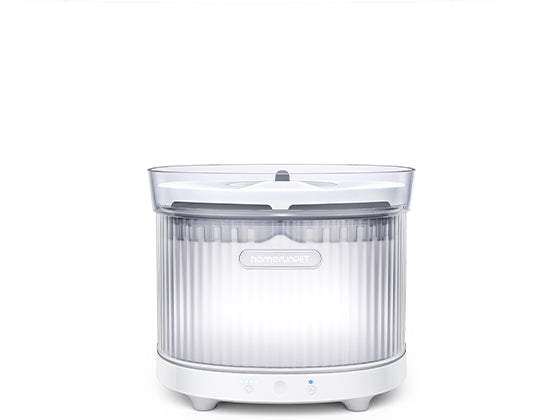
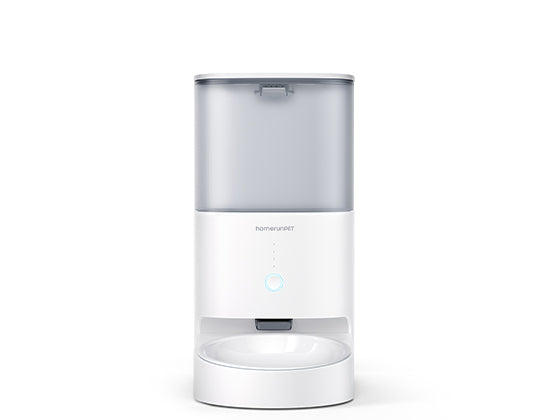
Veterinarians increasingly recommend water fountains as a first-line solution for pet dehydration because circulating water naturally encourages pets to drink 30-50% more than from traditional bowls. Chronic dehydration affects up to 80% of household pets, contributing to serious conditions like kidney disease, urinary tract infections, and crystal formation. homerunPET water fountains address these veterinary concerns through medical-grade stainless steel construction, multi-stage filtration, and wireless designs that eliminate cord hazards while keeping water fresh and appealing. For pet parents managing dehydrated cats and dogs, veterinarian-approved fountains provide a proven, practical intervention that supports long-term organ health and prevents costly medical complications.
Why Veterinarians Recommend Water Fountains for Dehydrated Pets
Flowing water triggers pets' evolutionary instincts to seek fresh, moving sources rather than stagnant pools. This biological preference explains why cats and dogs consistently drink more from fountains than static bowls. Veterinarians cite this increased intake as critical for preventing chronic kidney disease, reducing urinary tract infection frequency, and diluting minerals that form painful bladder crystals.
Clinical observations show pets on dry food diets face particular dehydration risks since kibble contains only 10% moisture compared to 70-80% in wet food. Senior pets also experience decreased thirst drive, making proactive hydration strategies essential. Water fountains compensate for these vulnerabilities by making drinking more enticing through movement, sound, and temperature regulation.
Veterinary research documents that adequate hydration directly impacts kidney filtration efficiency, urinary pH balance, and toxin elimination. Dehydrated pets concentrate waste products in smaller urine volumes, stressing nephrons and creating ideal conditions for bacterial growth. Fountains maintain water freshness through continuous circulation and filtration, removing hair, debris, and odors that discourage drinking from stagnant bowls.
The homerunPET water fountain models incorporate filtration systems that align with veterinary standards for water purity. These systems combine activated carbon, ion exchange resin, and dense foam layers to eliminate contaminants while preserving beneficial minerals. Veterinarians particularly value the automatic hair-flushing feature that operates every 12 hours, preventing biofilm accumulation that harbors bacteria in traditional water dishes.
Material Safety: Vet-Approved Construction Standards
Stainless steel and ceramic materials earn veterinary endorsement because they resist bacterial colonization and prevent feline acne caused by porous plastic surfaces. Medical-grade 304 stainless steel, used in surgical instruments, offers non-reactive properties that maintain water taste neutrality while withstanding repeated dishwasher sterilization.
Plastic fountains, despite lower costs, develop microscopic scratches that trap bacteria and leach BPA compounds into drinking water over time. Veterinarians treating cats with chin acne frequently identify plastic food and water bowls as contributing factors, since comedones form when oils and bacteria accumulate in facial contact areas.
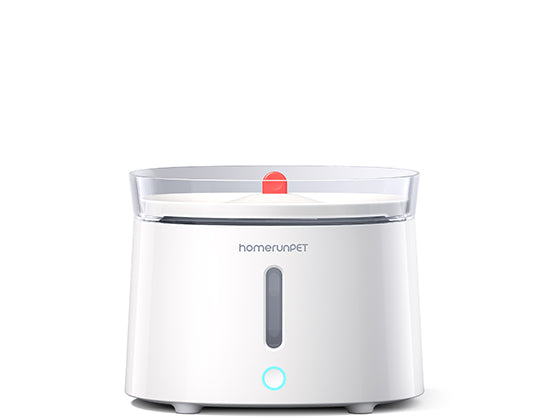
homerunPET's BF25M utilizes stainless steel construction specifically to address these veterinary concerns. The smooth, non-porous surface prevents bacterial adhesion and eliminates the whisker stress that occurs when sensitive facial hairs contact narrow plastic rims. For pet parents seeking plastic alternatives, the CF20 ceramic bowl option provides similar antibacterial benefits with aesthetic variety, while the BF10 and WF20 models offer retrofit ceramic bowl compatibility.
Bowl depth and width also factor into veterinary recommendations. Shallow, wide designs accommodate whisker spread and encourage natural drinking postures that reduce neck strain in arthritic senior pets. The elevated fountain streams in homerunPET models promote comfortable head positioning that benefits pets with mobility limitations or megaesophagus conditions requiring upright feeding.
Essential Features Veterinarians Prioritize
Multi-stage filtration systems rank as the top veterinary requirement for maintaining water purity. Effective filters remove physical debris (hair, dust), chemical contaminants (chlorine, heavy metals), and biological threats (bacteria, mold spores) through layered media. Carbon filtration eliminates odors and improves taste, directly increasing palatability for finicky drinkers.
Quiet operation proves critical for noise-sensitive pets who avoid loud pumps. Veterinarians report that anxious cats and dogs refuse to drink from fountains exceeding 30 decibels, roughly equivalent to whispered conversation. The homerunPET BF10 operates at 20dB in sensor mode, quieter than ambient room noise, making it suitable for skittish pets and nighttime use without sleep disruption.
Capacity matching prevents frequent refilling while ensuring freshness. Single-pet households function well with 2-liter fountains like the CF20 and WF20, while multi-pet homes require larger reservoirs. Veterinarians emphasize that capacity should balance convenience with turnover rate—oversized fountains in small households may allow water to stagnate between refills.
Easy cleaning directly impacts long-term hygiene compliance. Fountains with fewer crevices, dishwasher-safe components, and tool-free disassembly encourage the weekly deep cleaning veterinarians recommend. The homerunPET wireless pump design simplifies maintenance by eliminating tangled cords and allowing complete submersion during cleaning.
Adjustable flow options accommodate individual preferences. Some pets prefer gentle bubbling while others favor vigorous streams. Veterinarians suggest observing initial drinking behavior to optimize flow settings, noting that cats often prefer subtler movement while dogs accept stronger currents.
Power features enhance reliability for dehydrated pets requiring consistent access. Battery backup systems prevent water stagnation during outages, while motion sensors conserve energy by activating flow only when pets approach. The BF10's 7,800 mAh battery delivers up to 30 days of sensor-mode operation, ensuring continuous hydration support without frequent recharging.
Comparison: Vet-Recommended Fountain Features
| Feature | homerunPET BF25M | homerunPET CF20 | PetSafe Drinkwell | Neareal Stainless |
|---|---|---|---|---|
| Material | Stainless Steel | Ceramic | Plastic | Stainless Steel |
| Capacity | 2L | 2L | 5L | 3.2L |
| Filtration | 4-Stage | 4-Stage | 2-Stage | 4-Stage |
| Noise Level | 20dB | 25dB | 35dB | 30dB |
| Wireless Pump | Yes | Yes | No | No |
| Battery Life | 30 days | N/A | N/A | N/A |
| Price | $69.99 | $59.99 | $89.99 | $79.99 |
| Best For | Multi-pet wireless | Single-pet ceramic | Large capacity | Bacterial resistance |
Managing Specific Health Conditions with Proper Hydration
Chronic kidney disease patients require 2-3 times normal water intake to compensate for reduced filtration capacity. Veterinarians managing CKD cases emphasize that increased hydration dilutes blood urea nitrogen and creatinine levels while reducing nausea that further suppresses drinking. Fountains provide the constant access and appeal necessary for meeting elevated intake targets.
Diabetic pets experience polyuria (excessive urination) that demands proportional fluid replacement. Inadequate compensation leads to dangerous dehydration that compounds glucose regulation challenges. The consistent water availability from fountains helps diabetic cats and dogs maintain hydration balance despite increased urinary losses.
Urinary crystal and stone formers benefit from dilute urine that prevents mineral supersaturation. Veterinary protocols for struvite and calcium oxalate management include hydration as a cornerstone preventive measure. Fountain-encouraged drinking produces larger urine volumes with lower crystal concentration, reducing recurrence risk.
Senior pets with diminished thirst drive often develop subclinical dehydration that accelerates age-related organ decline. Fountains compensate for decreased sensory acuity by providing visual and auditory drinking cues that static bowls lack. Veterinarians recommend fountain introduction before senior status to establish positive associations.
Post-surgical recovery requires robust hydration for wound healing, medication metabolism, and anesthesia clearance. Veterinarians frequently send fountain recommendations home with surgical discharge instructions, particularly for urinary procedures where adequate flushing prevents infection and promotes tissue repair.
Top Veterinarian-Recommended Fountains for Dehydration
homerunPET BF25M – Best Wireless Stainless Steel for Kidney Health
The BF25M combines medical-grade stainless steel construction with complete wireless operation, eliminating cord hazards while providing 2-liter capacity suitable for cats and small-to-medium dogs. The fountain maintains water purity that veterinarians recommend for pets with compromised immune systems or urinary conditions, ensuring consistent access for pets requiring frequent drinking. At $69.99, it delivers veterinary-grade features at accessible pricing. Replacement filters cost $15 for three-month supply, totaling approximately $60 annual maintenance—reasonable for preventing costly veterinary interventions related to dehydration.
homerunPET CF20 – Best Ceramic Option for Feline Acne Prevention
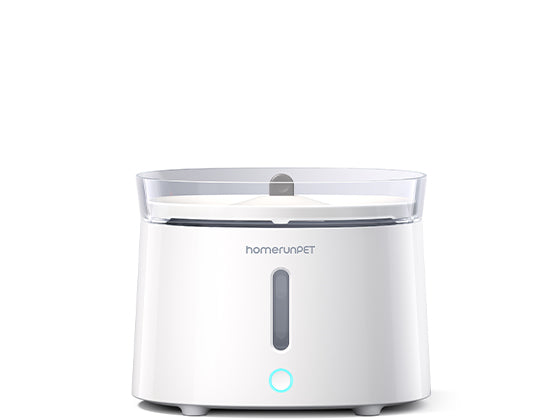
Ceramic construction addresses the bacterial accumulation and chin acne concerns veterinarians identify with plastic bowls. The 2-liter capacity suits single-cat households or small dogs, with wireless pump technology simplifying placement and cleaning. The fountain removes contaminants while the smooth ceramic surface prevents whisker stress and facial irritation. Priced at $59.99, the CF20 provides veterinary-recommended material quality for budget-conscious pet parents managing dehydrated cats prone to skin sensitivities.
homerunPET WF20 – Best Value Entry Point with Upgrade Path
The WF20 offers wireless pump convenience at $49.99, making veterinary-grade hydration accessible for cost-sensitive households. While the base plastic bowl suits most pets, owners can purchase separate ceramic bowl upgrades if feline acne develops or material preferences change. This flexibility allows gradual investment while maintaining the filtration and quiet operation veterinarians prioritize for dehydration management.
PetSafe Drinkwell Platinum – Best for Multi-Pet Households
The 5-liter capacity accommodates multiple pets or large breeds requiring substantial water volumes. Adjustable flow settings allow customization for individual preferences, though the plastic construction and 35dB noise level make it less ideal for sensitive cats. Veterinarians recommend this model primarily for dog-owning households where capacity outweighs material concerns. Priced around $89.99, it costs more than homerunPET options while lacking wireless pump technology and advanced filtration stages.
Neareal Stainless Steel Fountain – Best for Bacterial Resistance
Quadruple filtration and stainless steel construction meet veterinary standards for immunocompromised pets requiring maximum water purity. The 3.2-liter capacity balances freshness with refill convenience. However, the corded pump design creates placement limitations and cleaning complications compared to homerunPET's wireless alternatives. At $79.99, it costs $10 more than the BF25M while offering less operational flexibility.
Setup and Maintenance for Optimal Performance
Initial assembly requires thorough component washing to remove manufacturing residues. Rinse all parts with warm water and mild dish soap, paying special attention to pump chambers and filter housings. Install the filter according to manufacturer specifications, ensuring proper seating to prevent bypass.
Daily maintenance involves visual water level checks and surface debris removal. Top off water to maintain pump submersion and prevent dry-running damage. Wipe the bowl rim where saliva and food particles accumulate, using pet-safe cleaning solutions to avoid chemical residue.
Weekly deep cleaning prevents biofilm formation that reduces water appeal. Disassemble all components and wash with hot, soapy water or run dishwasher-safe parts through sanitization cycles. Scrub pump impellers with small brushes to remove hair and mineral deposits. The homerunPET wireless pump design simplifies this process by eliminating cord management during cleaning.
Monthly filter replacement maintains filtration efficiency. Degraded filters lose contaminant removal capacity and may harbor bacterial growth. homerunPET replacement filters cost $15 for a three-pack, providing three months of protection at $5 monthly cost. Mark replacement dates on calendars to establish consistent routines.
Troubleshooting common issues preserves fountain function. Reduced flow typically indicates clogged filters or impeller obstructions requiring cleaning. Unusual noise suggests air in the pump chamber—tilt and shake to release bubbles. Water level drops faster than expected may signal leaks at seal points or increased pet drinking, the latter indicating successful hydration intervention.
Monitoring Hydration Improvement
Physical signs of adequate hydration include elastic skin turgor and moist mucous membranes. Test skin elasticity by gently lifting scruff—well-hydrated skin snaps back immediately while dehydrated skin tents slowly. Check gums for moistness and capillary refill time under two seconds.
Behavioral changes signal fountain acceptance and increased intake. Pet parents report observing more frequent drinking sessions, longer drinking durations, and spontaneous fountain visits between meals. The homerunPET user reviews on Chewy document cats and dogs preferring running water over traditional bowls, with noticeable intake increases within the first week.
Urine output and concentration provide objective hydration measures. Increased urination frequency and lighter urine color indicate improved hydration status. Veterinarians may request specific gravity measurements during follow-up appointments to quantify dilution progress for medical conditions requiring hydration monitoring.
Timeline expectations help maintain realistic goals. Most pets explore new fountains within 24-48 hours, with drinking pattern changes emerging over 5-7 days. Cautious cats may require two weeks to fully transition. Veterinarians recommend maintaining traditional bowls alongside fountains during adjustment periods to prevent dehydration from fountain avoidance.
Veterinary consultation remains essential when dehydration persists despite fountain use. Underlying conditions like diabetes, kidney disease, or hyperthyroidism may require medical intervention beyond environmental modifications. Schedule rechecks if lethargy, appetite loss, or vomiting accompany continued dehydration signs.
Frequently Asked Questions
Q: How quickly will my dehydrated pet start drinking more from a fountain?
A: Most pets show increased water intake within 5-7 days of fountain introduction, though cautious cats may require up to two weeks to fully transition. Maintain traditional water bowls alongside the fountain during adjustment periods to ensure continuous access. Veterinarians recommend monitoring urine output and color as objective indicators of improved hydration rather than relying solely on observed drinking frequency.
Q: Are stainless steel fountains worth the extra cost compared to plastic models?
A: Veterinarians strongly recommend stainless steel or ceramic fountains because plastic develops microscopic scratches that harbor bacteria and cause feline chin acne. Medical-grade stainless steel like that used in homerunPET's BF25M resists bacterial colonization and withstands dishwasher sterilization without degrading. The $20 price difference between plastic and stainless steel models proves minimal compared to veterinary costs for treating urinary infections or skin conditions caused by contaminated water sources.
Q: How often should I replace fountain filters for a dehydrated pet?
A: Replace filters monthly to maintain optimal water purity for dehydrated pets with compromised health. Degraded filters lose contaminant removal capacity and may harbor bacterial growth that discourages drinking. homerunPET filters cost $15 for a three-pack, totaling approximately $60 annually—a reasonable investment for preventing dehydration-related veterinary interventions that typically cost hundreds of dollars.
Q: Can water fountains help cats with kidney disease stay hydrated?
A: Veterinarians recommend water fountains as essential management tools for chronic kidney disease because CKD patients require 2-3 times normal water intake. Flowing water encourages the increased drinking necessary to dilute blood toxins and reduce nausea. The consistent access and appeal of fountains like homerunPET's stainless steel models help CKD cats meet elevated hydration targets that static bowls rarely achieve.
Take Action for Your Pet's Hydration Health
Pet dehydration represents a preventable health risk with serious consequences ranging from urinary tract infections to kidney failure. Veterinarian-recommended water fountains provide proven intervention that increases drinking by 30-50% through natural behavioral appeal and maintained water freshness. For pet parents seeking medical-grade hydration solutions, homerunPET fountains at homerunpet.com deliver the stainless steel construction, multi-stage filtration, and wireless convenience veterinarians recommend for managing dehydration and supporting long-term organ health. With models starting at $49.99 and annual filter costs around $60, investing in proper hydration proves far more affordable than treating dehydration-related complications. Visit homerunpet.com to explore veterinary-grade fountain options that keep your pets healthy and hydrated.