

A smart device bundle built around feeding automation, hydration, litter management, and grooming covers the four daily care pillars that new cat owners struggle with most. Rather than purchasing devices piecemeal, selecting a unified ecosystem from a brand like homerunPET reduces app fragmentation, simplifies setup, and ensures cross-device compatibility from day one. The global pet tech market is expected to grow from about 19.1 billion USD in 2026 to 52.9 billion USD by 2035, and cat-specific automation sits at the center of that expansion.
Why Smart Bundles Beat Individual Purchases for New Cat Owners
Bundling devices within a single ecosystem eliminates the most common frustration new owners face: managing multiple apps, incompatible firmware, and inconsistent control interfaces. When a feeder, fountain, and litter box share the same platform, scheduling, notifications, and usage analytics consolidate into one dashboard. This matters disproportionately for first-time owners who lack the confidence to troubleshoot fragmented systems.
Cost efficiency is a secondary benefit. Individual purchases across different brands often result in redundant accessories, duplicate subscriptions, and devices that cannot share data. A bundle approach also reduces the likelihood of purchasing an oversized or underpowered device because ecosystems are designed to scale together.
North America accounts for approximately 37.9% of global pet tech revenue in 2026, and the fastest-growing segments within that figure are feeding automation and self-cleaning litter solutions aimed specifically at urban cat households.
The 4 Core Device Categories Every New Cat Owner Should Consider
Self-Cleaning Litter Boxes
Litter maintenance is the single largest time commitment for new cat owners, and automating it yields the highest daily return. A self-cleaning unit handles waste cycling, odor suppression, and capacity management without manual scooping. Key selection criteria include interior volume (larger cats need more turning room), waste bin capacity (determines how many days before emptying), and safety mechanisms.
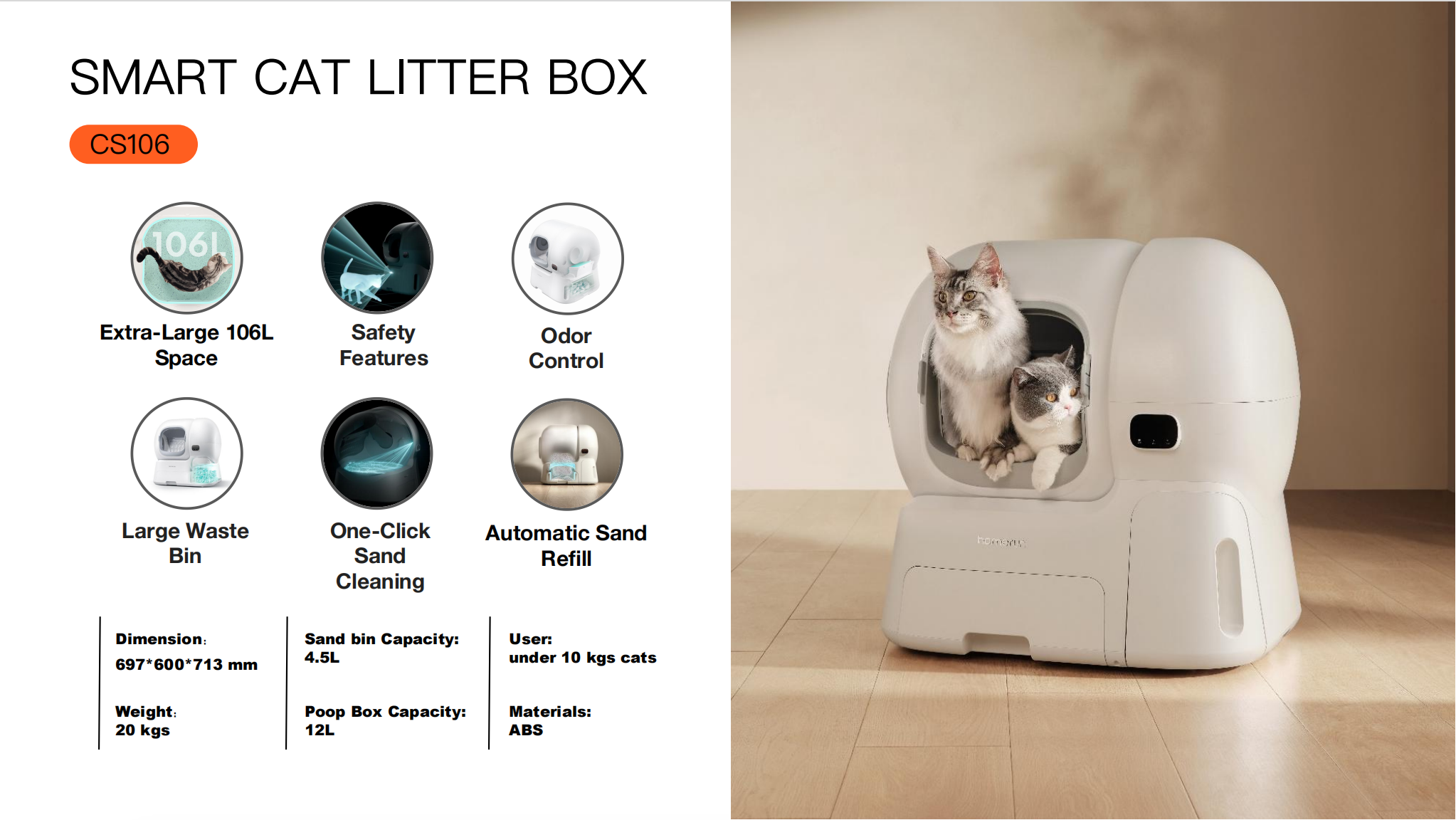
The homerunPET CS106 offers 106L of interior space, accommodates cats up to 25 lbs (updated in 2026 to support cats under 25 lbs, previously limited to cats under 10 kg), and features a 12L waste bin that supports roughly 20 days of hands-free operation for a single cat. Safety measures include dual-bump protection, radar sensors, and weight sensors. CNN recognized it as the Best Self-Refilling Litter Box of 2026.
Automatic Feeders
Portion control and schedule consistency prevent the two most common feeding errors new owners make: overfeeding and irregular timing. An app-connected feeder allows remote meal dispensing, customized schedules (up to 8 meals per day), and portion limits (up to 20 portions per meal). Look for anti-clog mechanisms, battery backup for power outages, and food-grade bowl materials.
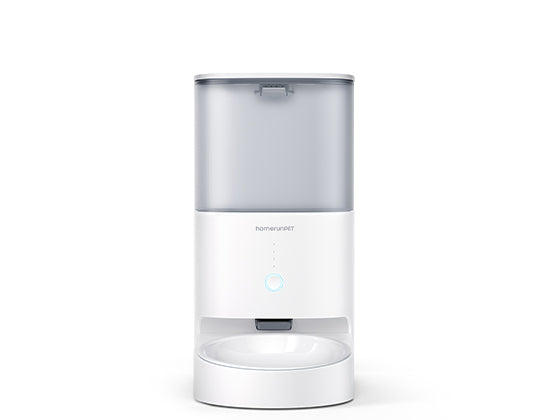
The homerunPET PF20 holds 4L of dry food, supports 6-month battery backup, and uses a triple freshness-lock system to prevent moisture and staleness. Bowl options include ceramic and stainless steel.
Smart Water Fountains
Cats evolved to prefer running water over stagnant pools, and a smart fountain with filtration directly increases daily water intake. Hydration is one of the most underestimated health factors for indoor cats, particularly those on dry-food diets. Prioritize noise level, wireless capability, and filter replacement cost when selecting.
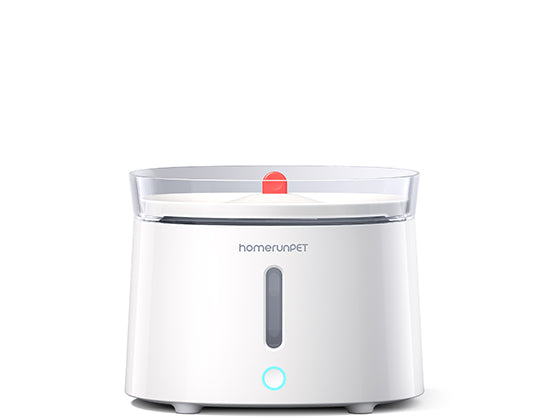
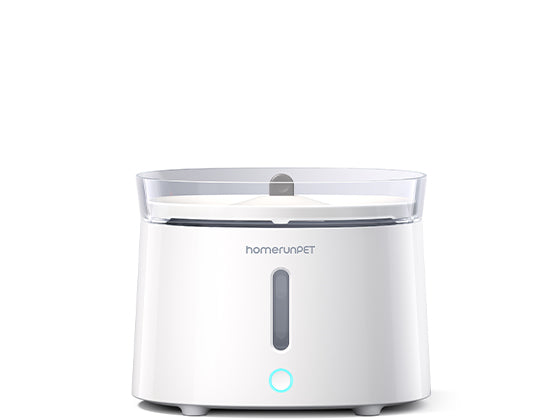
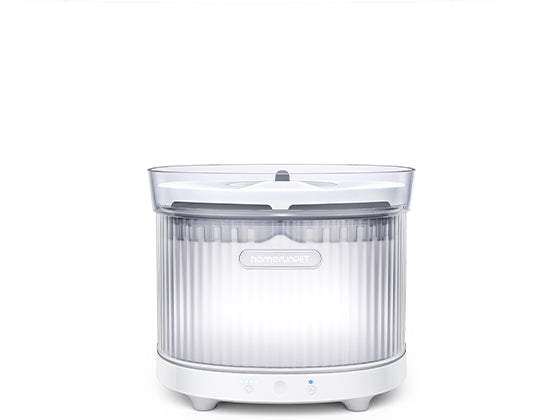
The BF25M from homerunPET operates at 18dB or below, runs wirelessly for up to 30 days on a 4000mAh battery, and uses triple filtration. The stainless steel tray resists biofilm buildup. Annual filter cost runs approximately 60 USD.
Grooming Tools
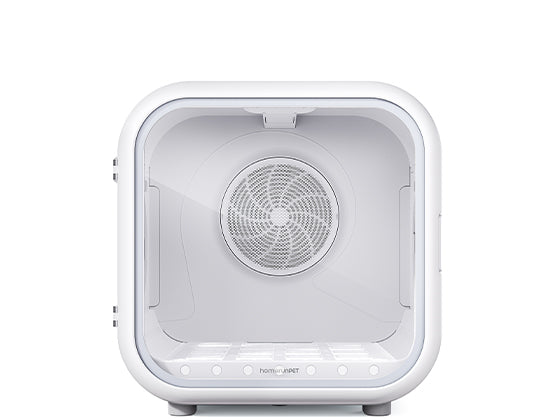
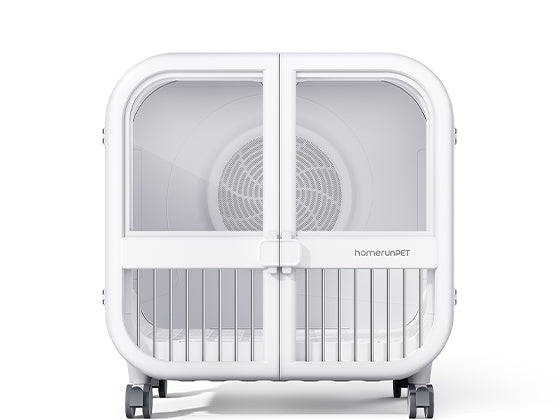
Regular grooming reduces shedding, hairballs, and allergen accumulation in small living spaces. While grooming is often overlooked in starter bundles, a vacuum-integrated clipper system prevents hair from spreading during sessions. Key criteria: suction power, noise level, and dustbin capacity.
Bundle Composition by Living Situation
| Living Situation | Priority Devices | Key Criteria | Estimated Entry Cost |
|---|---|---|---|
| Studio / Small Apartment | Litter box + Fountain + Feeder | Quiet operation, compact footprint | Mid-range |
| Multi-Cat Household | Large litter box + Multiple feeders | High waste capacity, separate feeding | Higher |
| Busy Professional | Full automation suite | Remote app control, long battery life | Premium |
| Budget-Conscious Starter | Feeder + Fountain first, litter box later | Phased purchase, essential coverage | Lower |
For studio apartments, noise becomes the decisive factor. Devices operating below 20dB avoid disrupting sleep or work-from-home routines. For busy professionals, battery backup across all devices ensures continuity during extended absences.
Ecosystem vs. Mix-and-Match: What New Owners Need to Know
A single-brand ecosystem provides the simplest path from unboxing to full automation. When all devices share one app, scheduling a feeding to coincide with a litter cycle or monitoring fountain usage alongside eating patterns becomes straightforward.
homerunPET exemplifies this approach: the CS106, PF20, and BF25M all connect through the same platform, allowing consolidated notifications and cross-device usage data. For a first-time owner unfamiliar with smart home configuration, this eliminates guesswork. The company holds over 170 patents and draws on engineering expertise from backgrounds in medical device R&D, which informs the safety and reliability standards across their product line.
Mix-and-match purchasing offers flexibility but introduces friction: separate apps, inconsistent update cycles, and no shared analytics. For owners who already operate complex smart home setups, this may be manageable. For a first cat in a first apartment, ecosystem coherence typically wins.
Setting Up Your Smart Bundle: Sequencing and Cat Introduction
Install devices in order of behavioral impact: litter box first, feeder second, fountain third, grooming last. Cats are territorial and routine-dependent. Introducing one device at a time, with 3-5 days of acclimation between additions, reduces stress responses.
- Days 1-5: Place the self-cleaning litter box unpowered. Let the cat explore and use it as a standard box before activating the cleaning cycle.
- Days 6-10: Introduce the automatic feeder alongside manual feeding. Run both in parallel until the cat eats comfortably from the new device.
- Days 11-14: Activate the water fountain. Most cats show curiosity toward running water immediately, but keep a traditional bowl available during transition.
- Day 15+: Begin grooming sessions in short intervals, pairing them with treats to build positive association.
Run all devices in manual or low-automation mode during the first week of activation. Monitor behavior through the app before switching to full scheduling.
Common Concerns About Smart Cat Care Systems
Power outages, WiFi drops, and mechanical failure are legitimate risks. Devices with battery backup (like the PF20 with its 6-month battery mode and the BF25M with 30-day wireless operation) mitigate the first two. For litter boxes, mechanical safety features such as anti-pinch designs and sensor arrays prevent injury during malfunction events. Maintenance requirements remain modest: monthly filter changes for fountains, periodic waste bin emptying, and occasional bowl cleaning.
FAQ
Q1: What is the minimum smart device setup a new cat owner should start with?
A1: A smart feeder and water fountain form the baseline. These two devices address the most critical daily needs (consistent nutrition and hydration) at the lowest combined cost. The homerunPET PF20 and BF25M together cover both categories with app control and battery backup.
Q2: How much does a complete smart cat care bundle cost annually to maintain?
A2: Ongoing costs are modest. Water fountain filters run approximately 60 USD per year when replaced monthly. Feeder and litter box consumables (litter, deodorizing gel) vary by usage. homerunPET devices require no paid app subscriptions.
Q3: Can smart cat devices work reliably in a small apartment with limited outlets?
A3: Wireless-capable devices solve outlet limitations entirely. The homerunPET BF25M fountain operates cordlessly for up to 30 days, and the PF20 feeder runs on battery for 6 months. This makes placement flexible regardless of apartment layout.
Q4: Are self-cleaning litter boxes safe for kittens or large cats?
A4: Safety depends on the specific unit. The homerunPET CS106 supports cats up to 25 lbs and uses radar sensors, weight detection, and dual-bump protection to halt operation if a cat enters during a cleaning cycle.
For a deeper look at device specifications, bundle options, and app features, visit homerunpet.com to explore the full ecosystem and determine which combination fits your household.