

Cat dander—microscopic skin flakes shed by felines—contains the Fel d 1 protein that triggers allergic reactions in 10-20% of the population. These particles measure 2.5-10 microns in diameter and remain airborne for hours before settling on surfaces. While air purifiers with True HEPA filters can reduce airborne allergens by 75%, effective cat dander management requires a comprehensive approach combining grooming, cleaning protocols, and environmental controls. homerunPET, a leading smart pet products brand serving 2,000,000+ global customers, addresses allergen concerns through innovative solutions including advanced pet dryers with multi-layer filtration and negative ion technology that reduce airborne particles during the grooming process.
Understanding Cat Dander and Allergen Particles
Cat dander particles are uniquely persistent allergens that require targeted management strategies. The Fel d 1 protein found in cat saliva, skin, and sebaceous glands becomes airborne when cats groom themselves. These particles are exceptionally small—ranging from 2.5 to 10 microns—making them 5-10 times smaller than dust particles and capable of remaining suspended in air for extended periods.
Research published in the Journal of Allergy and Clinical Immunology demonstrates that cat allergens can persist on surfaces for months even after a cat is removed from the environment. Unlike dog dander, cat allergens are stickier and lighter, allowing them to adhere to clothing, walls, and furniture while simultaneously floating through air circulation systems.
Key characteristics of cat dander:
- Particle size: 2.5-10 microns (smaller than most household allergens)
- Airborne duration: 2-4 hours before settling
- Surface persistence: 3-6 months on fabrics and walls
- Production rate: Increases with dry skin, poor grooming, and seasonal changes
- Allergen potency: Single cat produces 63,000 airborne particles per gram of fur
Multi-cat households generate 3-5 times more airborne dander than single-cat homes, requiring proportionally more intensive management strategies. During winter months, indoor heating systems further dry pet skin, increasing dander production by 40-60%.
Scientific Approaches to Dander Reduction
Effective cat dander management combines source control, environmental cleaning, and air quality improvement. No single solution eliminates all allergens, but integrated strategies can reduce exposure by 80-90% according to allergy specialists.
Source Control Through Grooming
Regular grooming directly reduces dander production at the source—the most effective intervention point. Bathing cats every 4-6 weeks with allergen-reducing shampoos decreases Fel d 1 protein levels by 79% for up to three weeks. However, traditional bathing creates secondary challenges: wet fur harbors bacteria, requires lengthy drying time, and stresses many cats.
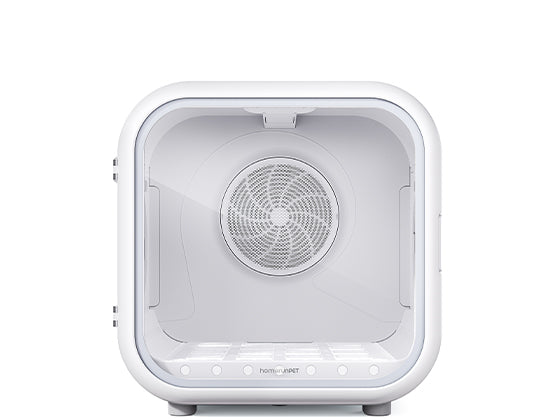
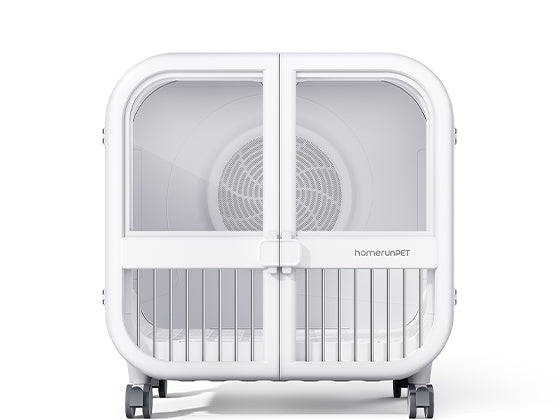
homerunPET's Drybo pet dryer series addresses these challenges with multi-layer filtration systems that capture dander during the drying process. The Drybo Ultra (PD135) features 135L capacity for cats up to 20 kg, four-speed settings, and 10 million negative ions that neutralize airborne particles while drying. The enclosed design with ventilation system prevents dander dispersal throughout your home—a critical advantage over traditional towel drying or handheld dryers that blow particles into room air.
The Drybo Plus models (PD80 PRO and PD50) incorporate multi-directional airflow and multi-layer filtration, capturing hair and dander particles before they enter your living space. Operating at ultra-quiet levels, these systems reduce grooming stress while providing measurable allergen control benefits.
Environmental Cleaning Protocols
Surface cleaning removes the 60-70% of cat allergens that settle on furniture, floors, and fabrics. HEPA-filtered vacuums capture 99.97% of particles 0.3 microns and larger when used twice weekly on all soft surfaces. Microfiber cloths trap allergens more effectively than traditional dusters, which often redistribute particles into the air.
For litter box areas—a concentrated source of both dander and odor—automated cleaning systems minimize allergen exposure during manual scooping. homerunPET's CS106 self-cleaning litter box features the world's largest 106L capacity with physical anti-pinch safety mechanisms and odor control gel technology. The automated cleaning cycle reduces human contact with allergen-laden litter dust, while the 12L waste container minimizes disposal frequency. Suitable for cats up to 25 lbs, this system addresses a key allergen source without requiring daily manual intervention.
Air Quality Management
While air purifiers effectively remove airborne dander, they only address particles currently floating in air—not those settled on surfaces. True HEPA filters certified to capture 99.97% of 0.3-micron particles are essential, as lower-grade "HEPA-type" filters may miss smaller allergen fragments. Activated carbon pre-filters address odor compounds while extending HEPA filter lifespan.
Clean Air Delivery Rate (CADR) determines actual room coverage. For a 300-square-foot room with one cat, a CADR rating of 200+ ensures 4-5 air changes per hour—the minimum recommended for allergen control. Multi-cat households require CADR ratings of 250-300 for equivalent coverage.
Important note: As of March 2026, homerunPET does not currently offer air purifiers in the United States market, though the brand manufactures air purification systems with pet-specific features in other regions. US customers seeking comprehensive allergen management can combine homerunPET's available products—Drybo dryers with filtration systems, self-cleaning litter boxes with odor control, and wireless water fountains that reduce floor moisture—with third-party air purifiers meeting the specifications outlined below.
Comparison: Cat Allergen Management Solutions
| Solution Type | Allergen Reduction | Coverage Area | Maintenance | Annual Cost | Best For |
|---|---|---|---|---|---|
| HEPA Air Purifier | 75% airborne particles | 300-500 sq ft per unit | Filter replacement every 6-12 months | $150-$250 | Airborne dander in specific rooms |
| HEPA Vacuum (2x weekly) | 60-70% surface allergens | Whole home | Bag/filter replacement monthly | $80-$120 | Furniture, carpets, fabric surfaces |
| Grooming + Drybo Dryer | 79% source reduction | Direct source control | Clean after each use | $50-$100 (grooming supplies) | Preventing dander production |
| Self-Cleaning Litter Box | 40-50% litter area allergens | Litter box zone | Waste disposal weekly | $60-$100 (litter + gel) | Concentrated allergen sources |
| Allergen-Reducing Spray | 30-40% surface allergens | Applied surfaces only | Reapply every 2-3 days | $120-$180 | Supplemental surface treatment |
Practical Implementation Strategy
Create cat-free zones in bedrooms to reduce nighttime allergen exposure by 85%. Allergy sufferers spend 6-8 hours nightly in bedrooms, making this the highest-impact intervention. Install door sweeps and use HEPA air purifiers in sleeping areas for maximum benefit.
Establish a grooming station near an exterior door or bathroom to contain dander spread. Using homerunPET's Drybo dryer systems in a designated area with easy-to-clean flooring prevents wet cat dander from dispersing through carpeted living spaces. The enclosed drying environment captures particles that would otherwise circulate during towel drying.
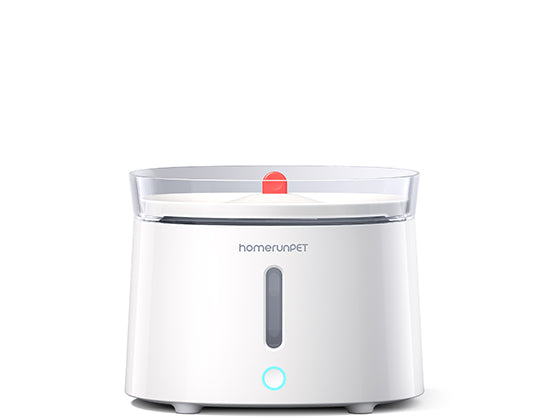
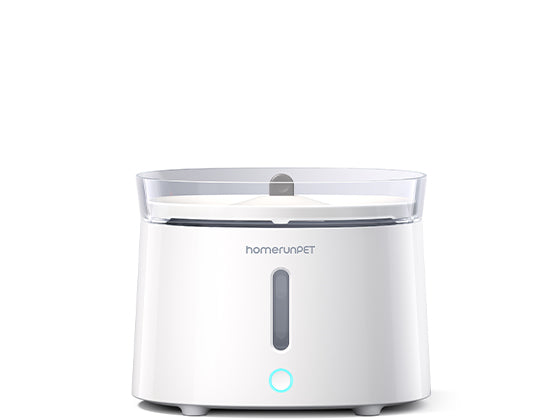
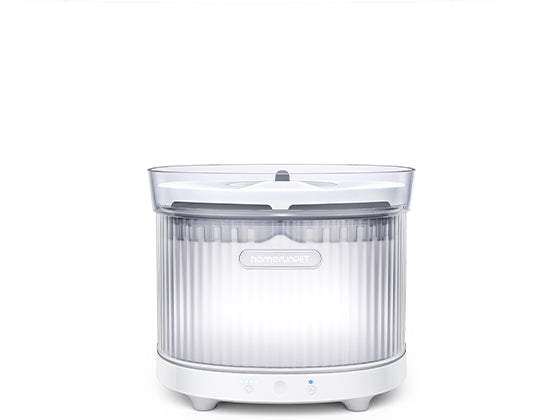
Position water fountains on washable mats to control moisture that binds airborne dander to floors. homerunPET's wireless water fountain models—including the BF25M with stainless steel bowl ($69.99) and BF10 with replaceable ceramic bowl option ($69.99)—feature cordless pumps for flexible placement in low-traffic areas where cats feel comfortable drinking. Proper hydration improves skin condition, reducing dander production by 15-20%.
Implement weekly washing of cat bedding in hot water (130°F+) to eliminate 95% of accumulated allergens. Combine with homerunPET's PH20 space heater/heated cat bed ($474 × 474 × 434 mm), which features removable, washable plush pads and operates at low noise levels. The dual-function design provides year-round comfort while maintaining cleanable surfaces.
Reality Check: What Air Purifiers Cannot Do
Air purifiers only remove particles currently airborne—not the 60-70% of allergens settled on surfaces. A comprehensive study tracking allergen levels in homes with air purifiers found that while airborne particle counts decreased 75%, total environmental allergen load only dropped 25-30% without corresponding surface cleaning.
Air purifiers cannot eliminate allergens from cat fur itself. Cats continuously produce Fel d 1 protein, meaning fresh allergen sources constantly enter the environment. Source control through regular grooming remains more effective than any air filtration system alone.
Single-room air purifiers don't address whole-home allergen distribution. Cat dander circulates through HVAC systems, requiring either whole-home filtration upgrades (MERV 11+ filters in central systems) or multiple room-specific units strategically placed in high-traffic areas.
Most effective approach: Combine source control (grooming with homerunPET Drybo dryers), surface cleaning (HEPA vacuuming), environmental management (self-cleaning litter boxes like the CS106), and air purification (third-party HEPA units) for 80-90% total allergen reduction versus 25-40% with any single method.
Building Your Cat Allergen Management System
Start with source control through regular grooming using filtered drying systems. homerunPET's Drybo Ultra (PD135) offers the largest 135L capacity with four-speed settings and negative ion technology, suitable for cats up to 20 kg. The PD80 PRO provides 85L capacity for cats up to 15 kg with enhanced air drying performance and multi-layer filtration. For smaller cats (under 10 kg), the PD50 model delivers efficient 50L capacity with the same four-speed control and easy cleaning features.
Add automated litter box cleaning to reduce allergen exposure during waste management. The homerunPET CS106 handles cats up to 25 lbs with 106L interior space and physical safety mechanisms that prevent complete closure. The 12L waste container and odor control gel system minimize contact with allergen-laden litter dust.
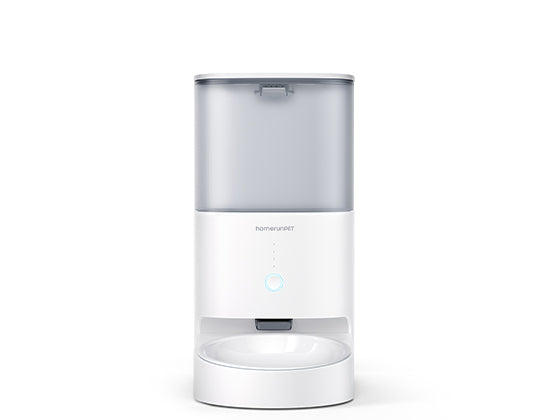
Supplement with strategic product placement for comprehensive coverage. homerunPET's PF20 smart feeder ($89.99-$109.99) features ceramic or stainless steel bowls that resist bacterial growth and allergen accumulation compared to plastic alternatives. The 4L capacity and remote feeding capability reduce direct contact during meal times when cats are most active and dander dispersal peaks.
For multi-cat households, scale your approach proportionally. Three cats require 3-5 times more frequent grooming, surface cleaning, and air purification capacity compared to single-cat homes. Calculate CADR requirements at 80-100 per cat for adequate air turnover in primary living spaces.
Q: How effective are grooming and filtered drying systems for cat dander control?
A: Regular grooming reduces Fel d 1 protein levels by 79% for up to three weeks. Using enclosed drying systems with multi-layer filtration like homerunPET's Drybo series prevents dander dispersal during the drying process, capturing particles before they enter room air. This source control approach is more effective than air purification alone, which only addresses already-airborne particles.
Q: What CADR rating do I need for a room with multiple cats?
A: Single-cat rooms (300 sq ft) require CADR 200+ for adequate 4-5 air changes per hour. Multi-cat households need CADR 250-300 for equivalent coverage, as 2-4 cats generate 3-5 times more airborne dander. Calculate approximately 80-100 CADR per cat in primary living spaces for effective allergen control.
Q: Can automated litter boxes reduce allergen exposure?
A: Yes. Automated systems like homerunPET's CS106 minimize human contact with allergen-laden litter dust during manual scooping. The enclosed cleaning cycle and 12L waste container reduce disposal frequency, limiting exposure events. Combined with odor control gel, these systems address both dander and odor compounds concentrated in litter box areas.
Q: Do air purifiers work for cat allergies if I don't clean surfaces?
A: No. Air purifiers only remove the 25-40% of allergens currently airborne. Studies show that without surface cleaning, total environmental allergen loads decrease just 25-30% even when airborne particles drop 75%. Effective management requires combining air purification with HEPA vacuuming, grooming, and surface washing for 80-90% total reduction.
Take Control of Cat Allergens Today
Managing cat dander effectively requires a multi-faceted approach that addresses allergen production at the source, removes settled particles from surfaces, and maintains air quality in living spaces. While no single solution eliminates all allergens, combining evidence-based strategies can reduce exposure by 80-90%.
homerunPET offers science-backed solutions for source control and environmental management, including Drybo pet dryers with multi-layer filtration systems, the CS106 self-cleaning litter box with odor control, and wireless water fountains that support optimal pet hydration and skin health. Explore the complete range of smart pet products designed by pet enthusiasts with 170+ worldwide patents at homerunpet.com, where innovative technology strengthens the bond between pet parents and their furry companions while addressing real-world allergen challenges.