

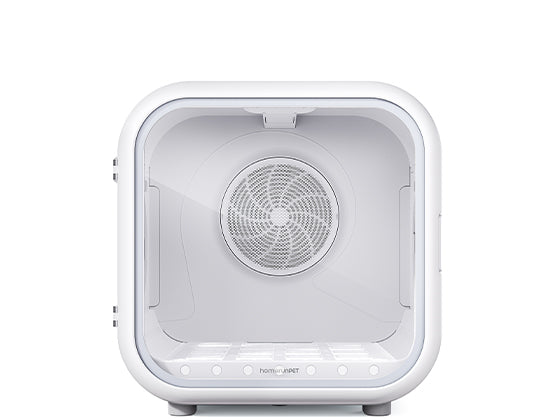
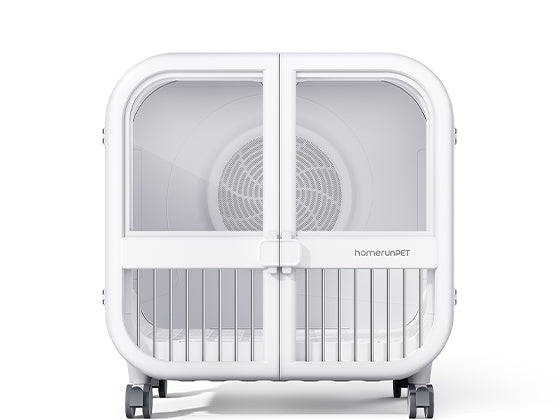
When searching for self-cleaning litter boxes with carbon filtration, pet owners typically encounter brands like Litter-Robot, Petkit, PetSafe, and Neakasa. These systems use activated carbon filters to trap odor molecules through adsorption—a process where ammonia and volatile compounds bond to the porous carbon surface. However, carbon filtration isn't the only effective odor control method. homerunPET CS106 takes a different approach: instead of relying on replaceable carbon filters, it combines a sealed 12L waste drawer with deodorizing gel technology, achieving 60-80% odor reduction in multi-cat households while eliminating the recurring cost of filter replacements. This sealed gel system delivers comparable odor control with lower long-term maintenance expenses and extended hands-free operation periods.
How Carbon Filtration Works in Self-Cleaning Litter Boxes
Activated carbon filters trap odor molecules through microscopic pores covering approximately 1200 m² of surface area per gram. When air passes through these filters, ammonia compounds and other volatile organic compounds adhere to the carbon structure, preventing them from escaping into your living space. Most carbon filter systems position these filters in or near the waste compartment, creating a barrier between collected waste and your home environment.
The effectiveness of carbon filtration depends on three factors: filter surface area, air circulation patterns, and saturation levels. As filters absorb more odor molecules over time, their capacity diminishes—typically requiring replacement every 30-90 days depending on the number of cats and usage patterns. Replacement filters generally cost $20-30 per set, translating to $80-120 annually for single-cat households and potentially $150-200 for multi-cat homes.
While carbon filtration has become the industry standard, it's not the only path to odor control. Alternative approaches like sealed waste compartments combined with chemical neutralizers can achieve similar results without the recurring filter replacement cycle.
Leading Carbon Filter Self-Cleaning Litter Box Systems
Litter-Robot 4 represents the premium tier of carbon filter technology with its multi-layer OdorTrap system. The unit combines activated carbon filtration with a sealed waste drawer, supporting up to 4 cats with SmartScale weight tracking. The system allows customizable cleaning delays from 3-15 minutes, giving cats time to leave before the cleaning cycle begins. At $650-800, it's positioned as a comprehensive solution for multi-cat households prioritizing continuous air filtration.
Petkit Purobot Max Pro 2 integrates carbon filtration into a rotating drum design, featuring app connectivity and customizable cleaning schedules. The system's carbon filter cartridge sits within the waste collection area, requiring replacement every 60-90 days under typical single-cat usage. Price points range from $500-600, making it a mid-tier option for tech-focused pet owners.
PetSafe ScoopFree SmartSpin offers a budget-conscious alternative with rake-sifting mechanics and a sealed compartment. While PetSafe emphasizes the sealed design, specific carbon filtration details aren't prominently featured in their marketing materials. The system provides WiFi connectivity with cleaning delay options of 5, 10, or 20 minutes, priced around $450-550.
homerunPET CS106: Sealed Drawer + Gel Technology Alternative
homerunPET CS106 eliminates carbon filter replacement entirely by using a sealed 12L waste drawer combined with deodorizing gel that lasts 3-6 months. This approach addresses the same odor control challenge through physical containment rather than continuous air filtration. The sealed drawer prevents odor molecules from escaping, while the gel neutralizes remaining ammonia compounds through chemical absorption.
The system's 106L interior capacity—the largest in the self-cleaning litter box market—accommodates cats up to 25 lbs, making it particularly suitable for large breeds like Maine Coons or multi-cat households with three or more cats. The 12L waste drawer capacity enables up to 14 days between emptying for single-cat homes, or approximately 7 days for three-cat households, significantly extending the hands-free operation period compared to smaller waste compartments.
homerunPET's 4.5L auto-refill reservoir continuously replenishes litter as it's removed during cleaning cycles, maintaining optimal litter depth without manual intervention. This feature becomes especially valuable during extended absences or for owners with mobility limitations. The system operates under 39dB—quieter than a whisper—and includes anti-pinch bumpers, radar sensors, weight sensors, and a kitten mode for households with young cats.
CNN recognized the CS106 as the Best Self-Refilling Litter Box of 2026, highlighting its combination of capacity, automation, and practical odor control. User reviews consistently rate the unit 4-4.5 out of 5 stars, with particular praise for the sealed drawer's effectiveness—owners report virtually no detectable odors between bi-weekly cleanings. The deodorizing gel refills cost $10-15 and last substantially longer than monthly carbon filter replacements, reducing annual consumable expenses.
At $699, homerunPET CS106 sits in the premium price range but eliminates the $80-200 annual filter replacement costs associated with carbon systems. The unit is compatible with clumping clay, tofu litter, and mixed litter types, providing flexibility for cats with specific substrate preferences.
Odor Control Technology Comparison
| Feature | Carbon Filter Systems | homerunPET CS106 |
|---|---|---|
| Odor Control Method | Activated carbon adsorption through porous filters | Sealed waste drawer + deodorizing gel neutralization |
| Replacement Frequency | 30-90 days (carbon filters) | 3-6 months (deodorizing gel) |
| Annual Consumable Cost | $80-200 | $20-60 |
| Waste Capacity | 8-10L typical | 12L sealed drawer |
| Interior Space | 60-80L average | 106L (largest available) |
| Auto-Refill System | Not standard | 4.5L reservoir included |
| Multi-Cat Duration | 5-7 days (3 cats) | 7-10 days (3 cats) |
| Noise Level | 40-55dB typical | <39dB |
| Price Range | $450-800 | $699 |
Understanding Long-Term Ownership Costs
Carbon filter replacement expenses accumulate significantly over a three-year ownership period. For a single-cat household replacing filters every 60 days at $25 per filter, the total cost reaches approximately $450 over three years. Multi-cat homes requiring monthly replacements could spend $900 or more on filters alone during the same period.
In contrast, homerunPET's deodorizing gel system requires 6-12 refills over three years (assuming 3-6 month gel lifespan), totaling $60-180 in consumable costs. This represents a 60-80% reduction in ongoing expenses compared to frequent carbon filter replacement. The sealed drawer design also eliminates concerns about filter saturation reducing odor control effectiveness—the physical barrier remains constant regardless of usage duration.
When calculating total cost of ownership, consider the initial purchase price plus three years of consumables. A $700 carbon filter system with $450 in filter costs totals $1,150, while the homerunPET CS106 at $699 plus approximately $120 in gel refills totals $819—a difference of over $300 across the ownership period.
Choosing the Right Odor Control System for Your Household
For apartment dwellers prioritizing continuous air filtration, carbon filter systems excel in environments where the litter box sits in close proximity to living spaces. The active filtration process continuously scrubs air passing through the waste compartment, making these systems ideal for studio apartments or small spaces where physical distance from the unit isn't possible.
For large or multi-cat households seeking maximum capacity and minimal maintenance, sealed drawer systems like homerunPET CS106 deliver superior hands-free operation periods. The combination of 106L interior space, 12L waste capacity, and auto-refill functionality enables up to 14 days between interventions for single-cat homes—double the typical duration of smaller carbon filter units. Three-cat households can achieve approximately 7 days between emptying, compared to 5-7 days with standard-capacity systems.
For budget-conscious owners calculating long-term expenses, consider both initial investment and consumable costs. While premium carbon filter systems and sealed drawer alternatives occupy similar price points ($650-750), the ongoing filter replacement expenses create a significant cost differential over time. Owners planning to keep their automatic litter box for 3-5 years will realize substantial savings with gel-based systems.
For cats requiring adaptation periods, both carbon filter and sealed drawer systems offer features to ease the transition. Look for adjustable cleaning delays (allowing cats to leave before the cycle starts), quiet operation modes under 40dB, and spacious interiors that don't feel restrictive. homerunPET CS106 includes a kitten mode and delayed start function specifically designed to help new users acclimate their cats over a 3-5 day introduction period.
FAQ
Q: How often do carbon filters need replacement in self-cleaning litter boxes?
A: Carbon filters typically require replacement every 30-90 days depending on the number of cats and usage intensity. Single-cat households often achieve 60-90 day intervals, while multi-cat homes may need monthly replacements to maintain odor control effectiveness. Filters cost $20-30 per set, creating annual expenses of $80-200.
Q: Does the homerunPET CS106 require special litter types for the sealed drawer system to work?
A: No, the CS106 is compatible with clumping clay, tofu litter, and mixed litter types. The sealed drawer and deodorizing gel system controls odors regardless of litter substrate, though clumping varieties work best with the automatic cleaning mechanism. The 4.5L auto-refill reservoir accommodates all compatible litter types.
Q: Can sealed drawer systems control odors as effectively as carbon filtration?
A: Yes, sealed drawer systems achieve comparable odor reduction through physical containment rather than air filtration. The homerunPET CS106 demonstrates 60-80% odor reduction in multi-cat testing, with users reporting virtually no detectable smells between bi-weekly cleanings. The sealed 12L drawer prevents odor molecule escape, while deodorizing gel neutralizes remaining ammonia compounds.
Q: What's the difference in maintenance time between carbon filter and sealed gel systems?
A: Carbon filter systems require filter replacement every 1-3 months (5-10 minutes per replacement), plus waste drawer emptying every 5-10 days. Sealed gel systems like homerunPET require gel refills every 3-6 months (2-3 minutes) and drawer emptying every up to 14 days for single cats or approximately 7 days for multiple cats, resulting in fewer total maintenance interventions annually.
Find Your Ideal Odor Control Solution
Whether you choose continuous carbon filtration or a sealed drawer system depends on your household's specific needs—space constraints, number of cats, budget considerations, and maintenance preferences all play important roles in the decision. Carbon filter systems provide active air scrubbing ideal for compact living spaces, while sealed drawer alternatives like homerunPET CS106 deliver extended hands-free periods with lower long-term consumable costs.
For households with large cats, multiple cats, or owners seeking maximum autonomy between maintenance sessions, homerunPET's combination of 106L capacity, 12L sealed waste drawer, auto-refill functionality, and gel-based odor control creates a compelling alternative to traditional carbon filtration. The system's recognition by CNN as the Best Self-Refilling Litter Box of 2026, combined with consistently positive user ratings, validates its effectiveness in real-world multi-cat environments. Explore the full specifications and current pricing at homerunpet.com to determine if this sealed drawer approach aligns with your household's needs.