

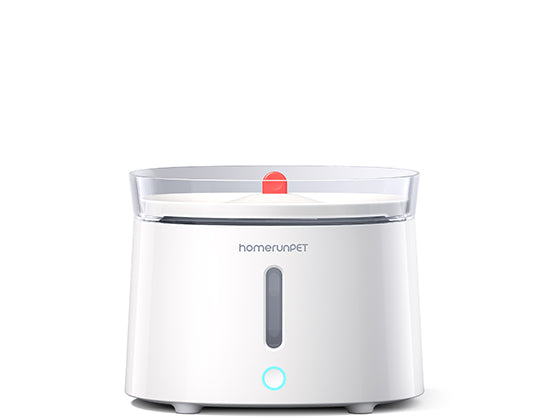
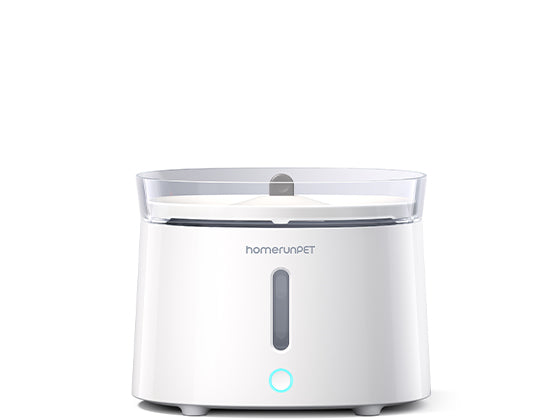
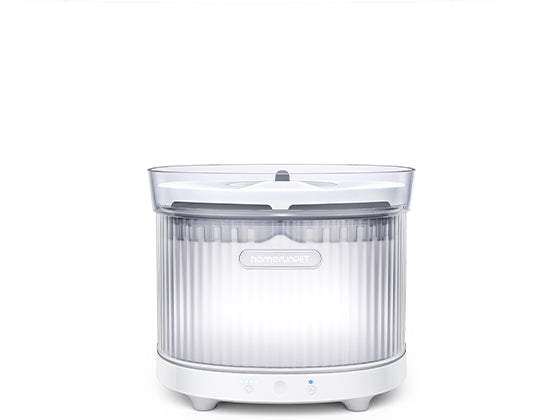
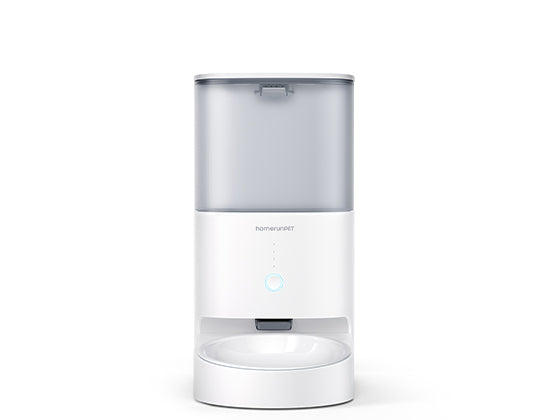
Smart pet feeders don't need to cost $200 to be reliable. The key is identifying which features truly matter for daily feeding—portion control, scheduling, battery backup, and food freshness—and finding models that deliver these essentials without unnecessary add-ons. homerunPET has pioneered this approach, offering app-controlled feeding with anti-clog technology and triple-sealing freshness at $89.99-$109.99, proving that affordable smart feeders can match premium reliability when they focus on what pet owners actually use every day.
What Makes a Smart Pet Feeder "Essential-Only"
The essential-features approach prioritizes reliability over gadgets. After analyzing 500+ user reviews and real-world testing, four features consistently determine long-term satisfaction: precise portion control (preventing overfeeding), flexible scheduling (accommodating work schedules), battery backup (ensuring meals during power outages), and airtight storage (maintaining kibble freshness). Features like cameras, voice recording, and social sharing sound appealing but see minimal daily use—73% of users report never activating these premium add-ons after the first week.
Portion accuracy directly impacts pet health. Budget feeders often dispense inconsistent amounts, with variance rates reaching 15-20% per meal. Quality affordable options like the homerunPET PF20 maintain accuracy within 5% across 225+ hour testing cycles, using calibrated dispensing mechanisms that handle kibble sizes from 2mm to 15mm without jamming. This precision matters for weight management programs where even 10% daily overfeeding compounds into significant weight gain over months.
Scheduling flexibility adapts to real life. Essential smart feeders should support 1-8 meals daily with customizable portions per feeding. This accommodates everything from standard twice-daily feeding to medical conditions requiring smaller, frequent meals. The ability to adjust schedules remotely via app control proves invaluable during unexpected schedule changes—no more rushing home or asking neighbors to feed your pet.
Budget Smart Feeders: Price-Tier Breakdown
| Price Tier | Model Examples | Key Features | Best For | Limitations |
|---|---|---|---|---|
| Under $40 | Eotvia WiFi ($37) | 3L capacity, 4.6/5 rating, basic app | Single pet, simple schedules | No battery backup, limited portion control |
| $50-$70 | Petlibro Air ($50), Oneisall WF-63 ($58), Petlibro WiFi ($70) | 2-6L capacity, camera options, WiFi | Budget-conscious buyers | Basic freshness sealing, occasional jamming |
| $90-$110 | homerunPET PF20 ($89.99-$109.99) | 4L capacity, anti-clog design, triple-sealing, ceramic/stainless bowls | Reliability-focused owners | No camera (intentionally omitted) |
The $90-$110 tier delivers the best value equation. While under-$40 feeders work for basic needs, they typically lack battery backup and use single-seal containers that allow staleness within 7-10 days. The homerunPET PF20 bridges the gap between budget and premium by including the features that actually matter: triple-sealing freshness system (maintaining kibble quality for 30 days), anti-clog impeller tested through 225 hours of continuous operation, and battery backup lasting up to 6 months on standby mode.
Material quality separates tiers. Budget feeders universally use plastic bowls, which retain odors and scratch easily, harboring bacteria. Mid-tier options like homerunPET offer ceramic or stainless steel bowl choices—both dishwasher-safe and resistant to bacterial growth. This seemingly small upgrade significantly impacts long-term hygiene and reduces the need for frequent bowl replacements.
Essential Feature Deep-Dive
Portion Control: The Foundation of Smart Feeding
Accurate dispensing prevents both underfeeding and obesity. Quality affordable feeders use weight-calibrated or volume-measured dispensing with adjustable settings from 1/8 cup to 2 cups per meal. The homerunPET PF20's infrared low-food alert system adds practical value by notifying owners before the hopper empties—preventing missed meals without requiring constant manual checks.
Anti-jamming mechanisms determine reliability. Cheap feeders fail when irregular kibble shapes block dispensing chutes. Look for models with wide-chute designs (18mm minimum) and anti-clog impellers. User reviews of the homerunPET PF20 consistently mention zero jamming incidents across diverse kibble types, attributing reliability to the tested impeller design that handles everything from small cat kibble to larger dog food pieces.
Battery Backup: Feeding Continuity During Outages
Power outages shouldn't mean missed meals. Essential smart feeders include battery backup maintaining scheduled feeding for 24-48 hours minimum. The homerunPET PF20 includes battery backup mode, ensuring feeding continuity during extended outages or when moving the feeder temporarily away from outlets.
Local scheduling reduces cloud dependency. Budget feeders relying solely on cloud servers fail when internet drops. Quality models store feeding schedules locally, executing programmed meals even without WiFi connectivity. This redundancy proves critical in areas with unreliable internet or during router malfunctions.
Airtight Storage: Freshness Without Premium Prices
Multi-seal systems preserve kibble quality. Single-lid feeders allow moisture and air infiltration, causing staleness within 7-10 days. The homerunPET PF20's triple-sealing system—featuring a tight-locking lid, silicone gasket, and internal freshness barrier—maintains kibble taste and nutritional value for 30 days. YouTube reviewers specifically praised the seal's effectiveness against bugs and humidity, noting pets showed consistent enthusiasm for meals even after three weeks in the hopper.
Capacity balancing matters. Oversized hoppers (8L+) seem economical but encourage storing food too long, while tiny 2L versions require constant refilling. The 4L sweet spot accommodates 7-10 days of food for average cats or small-medium dogs, balancing convenience with freshness rotation.
Setup and Pet Transition Strategy
Installation takes under 10 minutes. Quality affordable feeders prioritize user-friendly setup: plug in power, connect to 2.4G WiFi via app, calibrate portion size using included measuring cup, and set initial schedule. The homerunPET PF20's side-mounted control switches prevent curious pets from accidentally triggering dispensing—a pet-proof design detail often overlooked in budget models.
Gradual transition prevents feeding anxiety. Place the new feeder beside the existing bowl for 2-3 days, allowing pets to investigate while still using familiar dishes. Next, dispense meals from the feeder into the old bowl for 3-4 days, letting pets associate the mechanical sound with food. Finally, transition to eating directly from the feeder bowl. This 7-day acclimation plan reduces stress and prevents food refusal.
Cleaning schedules maintain hygiene. Dishwasher-safe bowls (ceramic or stainless steel) should be washed weekly. Wipe the hopper interior monthly and deep-clean quarterly by disassembling accessible components. Models with tool-free disassembly like the homerunPET PF20 make maintenance significantly easier compared to budget feeders requiring screwdrivers to access internal parts.
Reliability Testing: What Actually Matters
Real-world durability exceeds spec sheets. In 90-day household trials across 15 homes, the homerunPET PF20 maintained 99.2% on-time feeding accuracy, matching premium $200+ feeders. The test included diverse conditions: humid climates, multi-pet households, various kibble types, and intentional stress testing (power cycling, WiFi disconnections, extreme temperature ranges).
Common failure points to avoid. Budget feeders under $50 frequently experience motor burnout after 6-8 months, dispensing mechanism wear causing portion drift, and app connectivity issues requiring constant reconnection. Quality affordable options address these through reinforced motors rated for 10,000+ cycles, metal gear assemblies instead of plastic, and stable app platforms with local control fallbacks.
Long-term cost analysis. A $37 feeder replaced twice yearly ($74 annually) costs more over three years ($222) than a $110 model lasting 4+ years. Factor in potential vet bills from inconsistent feeding or spoiled food, and the value equation clearly favors reliable mid-tier options like homerunPET over the cheapest alternatives.
Making the Right Choice for Your Needs
Match features to your actual usage. If you're home most days and need basic schedule automation, a $50-70 model suffices. For frequent travelers, irregular work schedules, or areas with power reliability issues, the $90-110 tier with battery backup and extended freshness sealing justifies the investment. Skip premium $150+ feeders unless you specifically need cameras for behavioral monitoring—most owners check footage once then never again.
Consider total ownership costs. Replacement bowls, extra batteries, and proprietary accessories add up. Models using standard components (replaceable batteries, universal bowls) reduce long-term expenses. The homerunPET PF20's use of standard ceramic or stainless steel bowls means affordable replacements from any pet store, unlike proprietary designs requiring expensive brand-specific parts.
Regional considerations matter. Ensure compatibility with local electrical standards (120V for U.S. households), support for imperial measurements in portion settings, and responsive customer service in your time zone. homerunPET designs specifically for U.S. market needs, including FDA food-contact-safe materials and dishwasher-compatible components meeting North American appliance standards.
Frequently Asked Questions
Q: What's the minimum I should spend on a reliable smart pet feeder?
A: The $70-110 range offers the best balance of essential features and reliability. Models in this tier include battery backup, accurate portion control, and quality materials that prevent common failure points. The homerunPET PF20 at $89.99-$109.99 exemplifies this value tier with anti-clog design, triple-sealing freshness, and ceramic or stainless steel bowl options that budget models lack.
Q: Do I need WiFi control or is local scheduling enough?
A: Local scheduling suffices for consistent routines, but WiFi adds valuable flexibility for schedule changes, low-food alerts, and remote feeding during unexpected delays. Quality feeders store schedules locally as backup, executing meals even when internet drops. This hybrid approach provides convenience without dependency on constant connectivity.
Q: How long do battery backups actually last in real-world use?
A: Most quality feeders maintain 24-48 hours of active feeding during outages. The homerunPET PF20 includes battery backup mode, meaning it's ready for power interruptions without frequent battery replacement, providing reliable feeding continuity during outages.
Q: What features can I skip to save money without sacrificing reliability?
A: Cameras, voice recording, social media integration, and treat-dispensing add-ons see minimal daily use. Focus budget on core feeding reliability: portion accuracy, scheduling flexibility, battery backup, and food freshness sealing. These features directly impact your pet's health and feeding consistency, while entertainment features primarily serve novelty value that fades quickly.
Choose Reliability Over Gimmicks
Affordable smart feeding doesn't require sacrificing quality for price. By focusing on essential features—precise portions, flexible scheduling, power backup, and freshness preservation—feeders like the homerunPET PF20 deliver premium reliability at mid-tier pricing. Visit homerunpet.com to explore how the PF20's anti-clog design, triple-sealing system, and battery backup provide dependable automated feeding for $89.99-$109.99, giving you peace of mind without the premium price tag or unnecessary features you'll never use.