


You fill it in the morning. You check it at night. Still full, or close to it. Meanwhile your cat walks past it three times without stopping, jumps on the counter to sniff your glass, and stares at the faucet like it owes them something.
It's not stubbornness, and it's not the water. It's the bowl.
Cats are wired to be suspicious of still, standing water. In the wild, stagnant water is more likely to be contaminated than water that's moving — and that instinct hasn't gone anywhere just because your cat lives in an apartment and eats out of a ceramic dish. A bowl sitting in the corner looks wrong to them on a level they can't reason their way out of.
The other thing working against you is location. Most people put the water bowl next to the food bowl because it makes sense visually. Cats don't see it that way. Eating and drinking in the same spot conflicts with instincts around keeping their water source separate from where they hunt. So even a cat that's thirsty will often walk away from a bowl that's too close to their food.
None of this means your cat is broken or especially high-maintenance. It just means a standard bowl is working against some fairly deep-wired behavior, and swapping it out is usually the fastest way to actually solve the problem.
Why fountains work when bowls don't
Moving water reads differently to a cat. It looks fresher, it sounds alive, and most cats that have spent months ignoring a bowl will start drinking regularly within a few days of switching to a fountain. Not all of them — some cats are genuinely indifferent to format — but enough that it's worth trying before assuming your cat just doesn't drink much.
The other practical upside is filtration. A bowl collects dust, hair, and whatever else is floating around your home, and it gets stale fast. A fountain with a filter keeps the water circulating and clean, which matters more in warmer months when water turns quicker.
Two fountains, two different situations
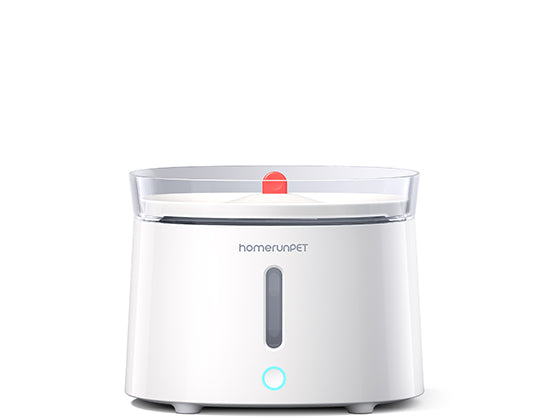
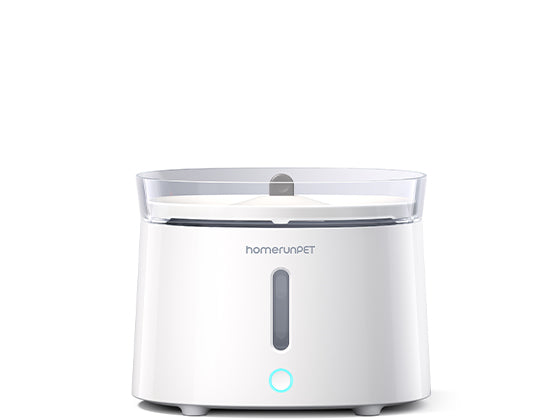
If you're looking at the homerunPET lineup, there are two directions depending on how your home is set up.
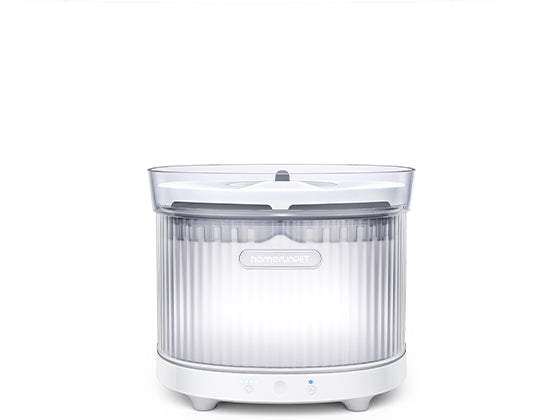
The Wireless Stainless Steel Pet Water Fountain BF25M is stainless steel, which makes a real difference over time. Plastic holds onto odors and scratches easily — those scratches become places where bacteria settle in, and no amount of rinsing fully fixes it. Stainless doesn't have that problem. It's easier to clean properly, it doesn't absorb smells, and it holds up without looking worn after a few months. If you want something that stays in one spot and is genuinely low-maintenance to keep clean, this is the straightforward choice.
The HomerunPET Wireless Pet Water Fountain BF10 is a different solve. Both the fountain itself and the pump run on wireless — no cord running across the floor, no hunting for an outlet in the right spot. If you've got a cat that drinks more when water is in multiple locations, or if you just don't want to route a cable through your living room, that flexibility matters. It's also easier to move around for cleaning, which sounds minor until you've wrestled a corded fountain out from behind furniture a few times.
Neither one is universally better — it depends on your setup. The Cube is the cleaner, simpler pick for most households. The Wireless makes sense if placement flexibility is something you actually need.
One other thing worth trying
Wherever you put the fountain, keep it away from the food bowl. Across the room is fine. Different room entirely is even better for some cats. It sounds like an odd detail but it genuinely affects whether they use it consistently.
And if you're still using a plastic bowl in the meantime, switching to ceramic or stainless steel while you figure out the rest is a free fix that's worth doing today.
Both fountains are available at homerunpet.com — designed for cats that have opinions about their water.
