

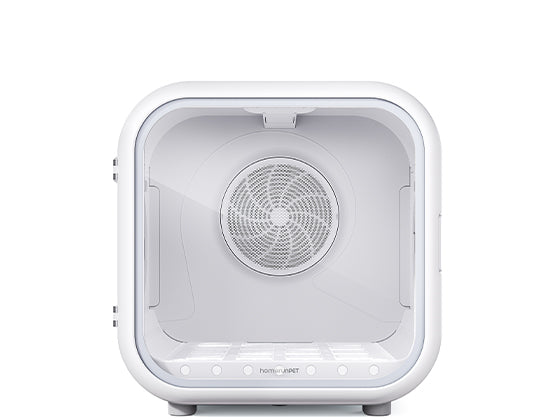
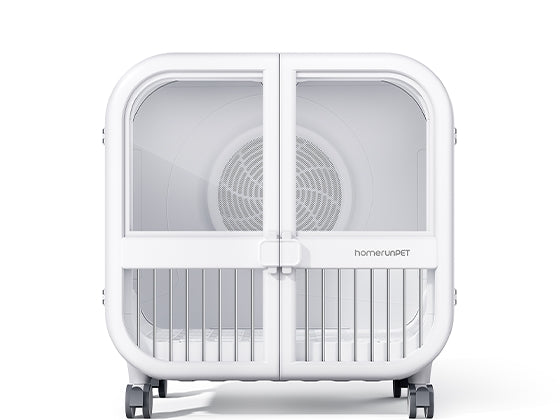
homerunPET largest Self-cleaning Litter Box CS106
The homerunPET CS106 is a self-cleaning litter box with a spacious dome, 12L waste bin, and a built-in litter refill system. This guide explains how to check its suitability, prepare it for use, introduce your cat, and maintain it without treating automation as a substitute for regular care.
What should you check before choosing a homerunPET litter box?
Check your cat’s age, weight, mobility, and toilet preferences before focusing on capacity. homerunPET markets the CS106 as the world’s largest litter box in the self-cleaning category, specifying a 106-liter dome for cats up to 25 pounds. That is a manufacturer claim, not an independently verified ranking; dome volume also does not describe the usable litter bed. (homerunpet.com)
The manufacturer excludes kittens under six months old or below 3.3 pounds, as well as pregnant or nursing cats. Even an eligible cat must be comfortable entering and turning inside. Never force your cat into the machine to test the fit. (cdn.shopify.com)
Before starting, gather:
- The supplied manual and power adapter.
- Compatible clumping litter and the appropriate filter.
- Waste-bin and used-litter drawer bags.
- Your cat’s existing litter tray, kept available during transition. (cdn.shopify.com)
Set up and introduce your automatic litter box
- Choose an accessible, stable locati0n.
- Place the CS106 on a hard, level floor rather than carpet, and leave the manufacturer’s specified clearance around its sensors. homerunPET advises keeping its radar sensor at least two inches from the wall. Allow room to open compartments and remove parts for cleaning. (homerunpet.com)
- Choose a quiet spot where your cat can approach without being cornered by another pet. Keep the toilet area away from food and water. A convenient locati0n for you is not necessarily a comfortable one for your cat, so watch the approach route as carefully as the available floor space. (aspca.org)
- Prepare the compartments before powering on.
- Remove the protective packaging identified in the manual, including material inside the dome and beneath its upper cover. Install the appropriate bags in both the waste bin and used-litter drawer. Follow the illustrated assembly instructions rather than guessing how removable parts should sit. (cdn.shopify.com)
- Keep your cat away during assembly. Use only the supplied power adapter, and route its cable where it cannot be chewed, trapped, or pulled. These checks belong before the first cycle, not after an error appears. (cdn.shopify.com)
- Match the litter and filter.
- This automatic cat litter system requires compatible clumping litter; the manual prohibits non-clumping varieties. Select the filter recommended for your litter’s particle size, and fill according to the marked limit. Do not assume every product labeled “automatic litter” will work. (cdn.shopify.com)
- Preserve familiarity where possible. If your cat’s usual litter is compatible, avoid changing its texture and the box simultaneously. If a litter change is necessary, introduce it gradually in a conventional tray first, rather than placing an incompatible mixture in the machine. (cats.org.uk)
- Let your cat explore without pressure.
- Keep the existing clean litter box available while introducing the new one. Allow voluntary sniffing, approaching, and entering rather than placing your cat inside. The aim is comfortable, repeated use—not a single visit that you have encouraged too strongly. (purina.com)
- Watch for hesitation at the entrance, quick retreats, or avoidance of the entire area. If the new arrangement is not working, reconsider its locati0n, accessibility, and litter before removing the familiar tray. Keep both options clean so your cat is choosing between usable toilets. (purina.com)
- Check operation before relying on automation.
- Follow the supplied startup instructions and observe the initial operation with your cat safely away. Familiarize yourself with the controls and warning indicators before leaving the machine to manage routine cleaning. Never reach into moving parts or interfere with safety components. (cdn.shopify.com)
- The CS106 can operate through its onboard controls without an app. Optional connectivity uses a 2.4 GHz Wi-Fi network. Treat smart litter box notifications as helpful reminders, not proof that every cat has successfully used the toilet. (homerunpet.com)
- Build a hands-on maintenance routine.
- Inspect the litter area, waste compartment, and entrance daily. Empty waste according to actual conditions rather than waiting for an advertised maximum interval. The manufacturer specifically recommends more frequent emptying in hot or humid weather. (aspca.org)
- For deeper cleaning, switch off and unplug first. Clean only the parts identified as washable, keep water away from the electrical base, and dry washed components thoroughly before reassembly. Self-cleaning cat litter equipment still needs manual cleaning; automation changes the work rather than eliminating it. (cdn.shopify.com)
What should you do if your cat avoids the new box?
Restore easy access to the familiar tray and review locati0n, litter, cleanliness, and entry comfort. Do not punish avoidance or force another attempt. Cats may reject a toilet because of its setup or previous unpleasant experiences, so address those conditions before expecting acceptance. (purina.com)
Use this troubleshooting checklist:
- Your cat approaches but retreats: reassess nearby noise, traffic, and whether another pet blocks access.
- Accidents start after the switch: preserve the familiar option and review the changes you made.
- The machine displays a fault: record the code and follow its specific manual instructions; contact homerunPET if it persists.
- One cat monopolizes access: provide additional toilets in separate suitable locations rather than assuming one large machine meets every cat’s needs. (aspca.org)
A practical cat litter solution must work for the animal using it. Judge the transition by comfortable toilet use and manageable cleaning—not by how quickly you can remove the old tray. (purina.com)