



As summer settles in, most cats seem perfectly content spending their days stretched out in sunlit corners or napping near a window. While they often appear unfazed by the heat, warmer weather can bring a few challenges that are easy to overlook. Cats are naturally skilled at regulating their body temperature, but they are also prone to dehydration and heat stress when temperatures climb, especially if they spend long hours indoors without much airflow.
One of the first things many cat owners notice during summer is that their cat's daily routine starts to shift. Some become less active during the afternoon, choosing to sleep through the hottest hours of the day before regaining their energy in the evening. Others may spend more time searching for cool surfaces, moving from sunny spots to tiled floors or shaded rooms.
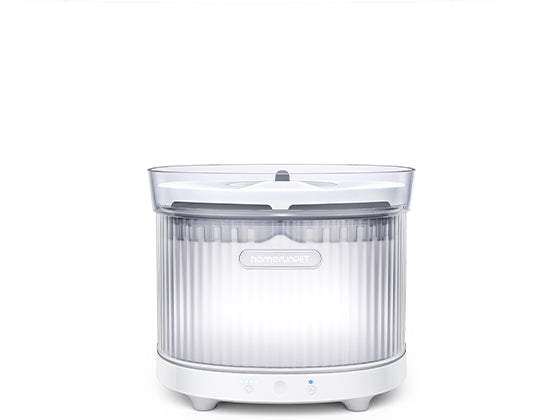
Water becomes particularly important during this time of year. Unlike dogs, cats don't usually drink large amounts of water at once, which means dehydration can develop gradually without obvious warning signs. Keeping fresh water available in several locations around the home can encourage more frequent drinking. Many owners also find that their cats are more interested in moving water than still water, making hydration a little easier during the hotter months.
Summer is also the season when litter box odors seem to become more noticeable. Even a well-maintained litter box can develop stronger smells when temperatures rise, and waste tends to break down more quickly in warm environments. For households using an automatic litter box, maintaining a regular cleaning routine becomes even more important. Emptying waste compartments on time and replacing odor-control accessories when needed can make a significant difference in keeping both the home and the litter area fresh.
Grooming habits often change during summer as well. Long-haired cats, in particular, may benefit from more frequent brushing to remove loose fur and reduce matting. Regular grooming not only helps keep the coat in better condition but can also improve airflow through the fur, making it easier for cats to stay comfortable during hot weather.
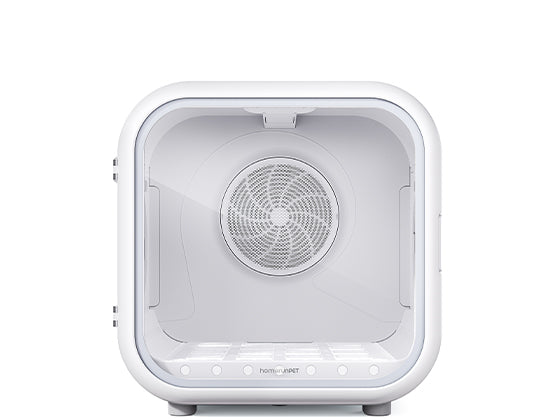
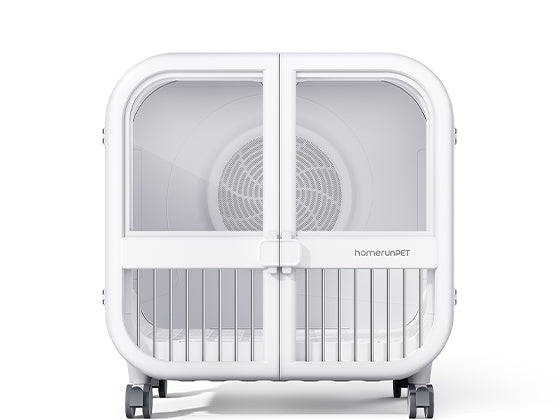
For cats that require occasional baths, drying is another factor worth considering. While some cats tolerate traditional blow dryers, many find the noise and direct airflow stressful. A calmer drying environment can make the experience less intimidating, especially for nervous cats or breeds with dense coats that take longer to dry completely.
Of course, no discussion about summer cat care would be complete without mentioning heat safety. Although serious heat-related illness is uncommon among indoor cats, it can happen during extreme heat waves or in poorly ventilated spaces. Excessive panting, drooling, unusual lethargy, or signs of distress should never be ignored. Creating a cool, well-ventilated environment and monitoring your cat's behavior during particularly hot days can go a long way toward preventing problems before they start.
The good news is that most summer care isn't complicated. Cats are remarkably adaptable animals, and small adjustments to their daily environment are often enough to help them stay comfortable throughout the season. Fresh water, a clean litter box, good airflow, and a little extra attention to grooming can make summer much easier for both cats and their owners.
As temperatures continue to rise, paying attention to these simple details can help ensure that your cat stays healthy, relaxed, and ready to enjoy all those long summer naps.