



Bathing a long-haired cat can feel like an accomplishment—until it's time to dry them.
Unlike short-haired breeds, cats with long or dense coats hold onto much more water. Even after several towels, the fur may still feel damp close to the skin, making the drying process longer and often more challenging. If the coat isn't dried thoroughly, your cat may remain uncomfortable for hours, and moisture trapped near the skin can sometimes contribute to matting or skin irritation.
The good news is that with a little preparation and patience, drying a long-haired cat can become much less stressful for both you and your pet.
Start with Towels, Not a Hair Dryer
The first few minutes after a bath make the biggest difference.
Before reaching for any drying equipment, gently wrap your cat in a soft, absorbent towel and blot the coat rather than rubbing it. Pressing the towel against the fur helps remove excess moisture without creating tangles, which are common in long-haired coats.
If the towel becomes saturated, switch to a dry one instead of continuing to use a wet towel. Removing as much water as possible at this stage will significantly shorten the overall drying time.
Brush Carefully Before the Coat Begins to Dry
Long-haired fur is more likely to develop knots once it starts drying.
If your cat is comfortable with grooming, use a wide-toothed comb or a brush designed for long-haired coats to gently work through any tangles while the fur is still slightly damp. Taking a few extra minutes now can help prevent mats from tightening as the coat dries.
Always work slowly and avoid pulling on the fur, especially around sensitive areas such as the belly and legs.
Choose a Drying Method Your Cat Can Tolerate
Every cat responds differently to the drying process.
Some remain calm with gentle airflow from a handheld dryer, while others become anxious as soon as they hear the noise. Cats that are uncomfortable with direct airflow may try to hide, struggle, or become increasingly stressed, making the process more difficult for everyone involved.
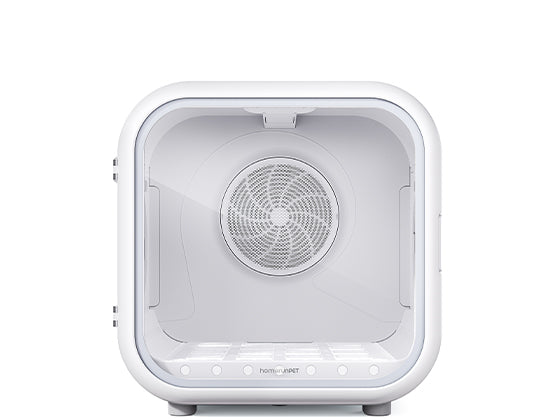
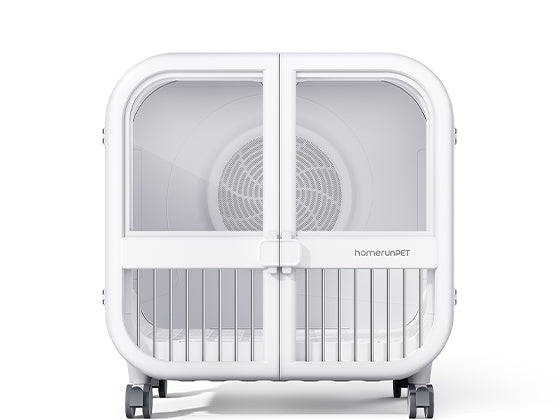
A pet dryer box offers another approach by circulating warm air evenly around the coat rather than directing a concentrated stream of air at the cat. For some cats, this gentler drying environment can feel less overwhelming, particularly when introduced gradually.
Whichever method you choose, avoid using high heat. Warm, consistent airflow is generally more comfortable and helps protect both the skin and coat.
Make Sure the Undercoat Is Dry
The outer layer of a long-haired cat's coat often dries much faster than the fur underneath.
Although the coat may look dry on the surface, moisture can remain trapped close to the skin for quite some time. Before finishing, gently separate the fur with your fingers and check several areas, including the chest, belly, legs, and tail.
If the undercoat still feels damp, continue drying until the coat is dry all the way through.
Taking the time to finish the job properly can help reduce matting and keep your cat more comfortable afterward.
Keep the Experience Calm
Drying doesn't have to be rushed.
Speaking softly, allowing short breaks when needed, and rewarding your cat afterward with treats or playtime can help create positive associations with grooming.
If your cat becomes extremely anxious, it's often better to pause and continue once they've settled down rather than forcing the process. Building confidence over several grooming sessions usually leads to better long-term results than trying to complete everything at once.
Final Thoughts
Drying a long-haired cat takes more time than drying a short-haired one, but the extra effort is worthwhile. Thorough drying helps keep the coat clean, comfortable, and free from unnecessary tangles while reducing the chance of moisture remaining close to the skin.
Whether you choose towels, a handheld dryer, or a pet dryer box, the most important factors are gentle handling, moderate temperatures, and patience. With the right approach, bath time can become a much less stressful experience—for both you and your cat.