

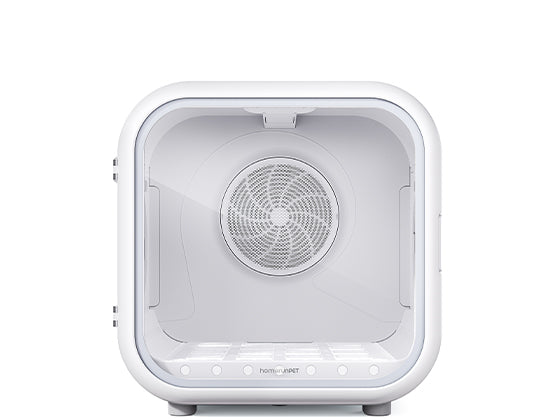
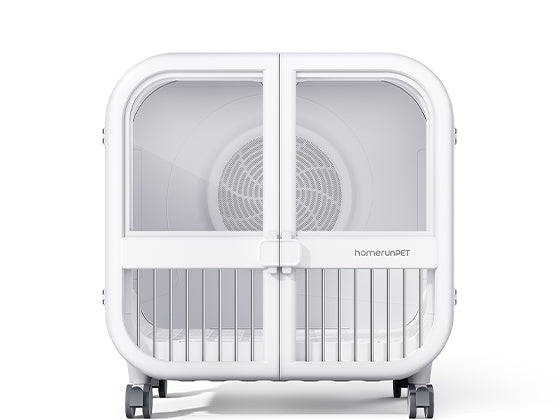
Choosing between a traditional and automatic litter box as a first-time cat owner comes down to three core factors: your budget, daily schedule, and willingness to invest upfront for long-term convenience. Traditional litter boxes cost $20-50 and require 5-10 minutes of daily scooping, making them ideal for budget-conscious beginners who want hands-on health monitoring. Automatic self-cleaning models range from $179-700+ but eliminate daily scooping and reduce litter usage by 30-50%, saving approximately 60 hours annually. For beginners seeking a balance between convenience and space, homerunPET offers the CS106 automatic litter box with a spacious 106L design that accommodates cats up to 25 lbs, features quiet operation under 39dB, and includes an auto-refill system that can go up to 20 days between waste bin changes for single-cat households.
Traditional Litter Boxes: The Foundation for First-Time Owners
Traditional litter boxes provide simplicity and affordability, making them the most common starting point for new cat owners. These basic open or covered pans require no electricity, complicated setup, or learning curve—you simply fill them with litter and scoop waste daily.
How Traditional Boxes Work: These straightforward containers hold clumping or non-clumping litter. Cat waste is absorbed or clumped, and owners manually scoop solid waste and clumps 1-2 times daily using a slotted scoop. The entire box requires emptying, washing, and refilling weekly or biweekly depending on usage.
Key Advantages for Beginners:
- Minimal upfront investment: Most traditional boxes cost $20-50, with basic models available for under $15
- Universal litter compatibility: Works with any litter type—clay, clumping, crystal, natural alternatives
- Easy health monitoring: Daily scooping lets you immediately notice changes in urine output, stool consistency, or blood—critical early warning signs
- No mechanical failures: Zero risk of motors breaking, sensors malfunctioning, or power outages affecting functionality
- Cat acceptance: Familiar design with no moving parts or sounds that might frighten nervous cats
Realistic Maintenance Requirements: Expect to spend 5-10 minutes daily scooping waste. Weekly deep cleaning involves emptying all litter, scrubbing the box with pet-safe cleaner, drying thoroughly, and adding fresh litter. Monthly litter costs typically run $15-30 depending on brand and cat size.
Common Challenges: Odor control depends entirely on scooping frequency—missed days lead to noticeable smells. Litter tracking (granules stuck to paws and scattered around the home) is common. The daily scooping commitment becomes burdensome for busy schedules or during travel.
Best suited for: Budget-conscious first-time owners, single-cat households, those working from home with flexible schedules, and owners who prioritize close health observation over convenience.
Automatic Litter Boxes: Convenience for Busy Beginners
Automatic litter boxes handle waste removal through motorized mechanisms, dramatically reducing hands-on maintenance. These self-cleaning systems use sensors to detect when your cat exits, then automatically rake, rotate, or sift waste into a sealed compartment.
How Automatic Systems Work: Weight sensors or infrared detectors identify when your cat leaves the box. After a preset delay (typically 5-20 minutes), the cleaning mechanism activates—either a rake pushes waste into a collection bin, or the entire globe rotates to sift clean litter from clumps. Waste is sealed in a drawer or disposable tray that you empty weekly or less frequently.
Key Advantages for Beginners:
- Minimal daily effort: No scooping required—simply empty the waste drawer every 7-20 days depending on cat count
- Superior odor control: Waste is immediately sealed away from air exposure, containing smells far better than open traditional boxes
- Time savings: Automatic boxes save approximately 60 hours annually compared to daily manual scooping
- Reduced litter consumption: Smart filtering systems reduce litter usage by 30-50% since only waste-contaminated litter is removed
- Travel-friendly: Safe to leave for long weekends without arranging cat care for litter duties
Realistic Considerations: Entry-level automatic models start around $100-179 with basic scheduled cleaning. Premium models like the homerunPET CS106 at $699 offer advanced features including 106L capacity, auto-refill systems, and waste bins lasting up to 20 days for single cats. Initial setup takes 20-45 minutes including app connection and sensor calibration.
Potential Challenges: Some cats are initially intimidated by motor sounds or movement—gradual introduction helps. Mechanical components can malfunction, requiring troubleshooting or repairs. Most automatic boxes require clumping litter specifically, eliminating non-clumping or crystal options. Deep cleaning is still necessary monthly, though less frequent than traditional boxes.
Safety for Kittens: Most automatic boxes include weight sensors that prevent operation if a cat under the minimum threshold (typically 5 lbs) is detected. Beginners with kittens under 6 months should start with traditional boxes until the kitten reaches safe weight limits.
Best suited for: Busy professionals working long hours, frequent travelers, multi-cat households, owners with mobility limitations, and those willing to invest upfront for long-term convenience.
Side-by-Side Comparison: Which Fits Your Lifestyle?
| Factor | Traditional Litter Box | Automatic Litter Box |
|---|---|---|
| Initial Cost | $20-50 | $179-700+ (entry models $100-179) |
| Daily Time Investment | 5-10 minutes scooping | ~30 seconds checking waste level |
| Maintenance Complexity | Simple—scoop, refill, clean weekly | Moderate—empty drawer weekly, monthly deep clean |
| Odor Control Rating | Moderate (depends on scooping frequency) | Excellent (waste immediately sealed) |
| Litter Compatibility | All types (clay, clumping, crystal, natural) | Typically clumping only |
| Annual Time Savings | Baseline (60+ hours spent scooping) | ~60 hours saved annually |
| Reliability | 100% (no mechanical parts) | 85-95% (depends on model quality) |
| Cat Adaptation Period | Immediate | 3-14 days (some cats need gradual introduction) |
| Best For | Budget-conscious, single cat, hands-on monitoring | Busy schedules, multi-cat homes, convenience priority |
| Example Products | Basic covered pan ($25-40) | homerunPET CS106 ($699, 106L capacity, auto-refill) |
Key Takeaway: Traditional boxes win on affordability and simplicity, while automatic models excel in time savings and odor control. The decision hinges on whether upfront cost or daily convenience matters more to your lifestyle.
Decision Framework: Choosing Your First Litter Box
Start by evaluating your budget, daily schedule, and cat's personality. These three factors will naturally guide you toward the right choice.
Budget-Based Decision Tree:
- Under $50 budget: Traditional box is your only realistic option—invest in a quality covered model ($35-50) with high sides to minimize tracking
- $100-300 budget: Consider entry-level automatic models or start with traditional and upgrade later once you understand your cat's habits
- $300+ budget: Premium automatic boxes like the homerunPET CS106 become viable, offering features like 106L capacity, auto-refill systems, and waste bins lasting up to 20 days
Lifestyle-Based Recommendations:
- Home most days: Traditional boxes work fine since daily scooping fits naturally into your routine
- Work full-time (8+ hours away): Automatic boxes maintain freshness throughout your absence and eliminate rushed morning scooping
- Frequent traveler: Automatic boxes are essential—the homerunPET CS106 can handle up to 20 days between waste bin changes for single cats, making weekend trips worry-free
Cat-Based Factors:
- Kitten under 6 months: Start with traditional boxes until your kitten reaches 5+ lbs for automatic box safety sensors
- Nervous or skittish cat: Begin with traditional boxes—some cats need weeks to accept automatic box sounds and movements
- Large breed (Maine Coon, Ragdoll): Prioritize spacious options—the homerunPET CS106 accommodates cats up to 25 lbs comfortably
- Multiple cats: Automatic boxes become cost-effective since they handle higher waste volumes without proportionally more effort
Cost-Benefit Reality Check: While automatic boxes cost more upfront, they offset expenses through reduced litter consumption (30-50% savings) and time savings valued at 1,000+ hours over 3-5 years. However, some models require proprietary waste bags or specific litter types, increasing long-term costs—research these requirements before purchasing.
Common Mistakes First-Time Cat Owners Make
Choosing box size based on current kitten size rather than adult size. Kittens grow rapidly—select a box sized for their adult weight (typically 8-12 lbs for average cats, 15-25 lbs for large breeds). The litter box should be 1.5 times your cat's adult length.
Placing automatic boxes in high-traffic areas. Motor sounds and movement can startle cats if the box is in busy hallways or near loud appliances. Choose quiet, private locations where your cat feels safe.
Rushing automatic box introduction. Cats need gradual adaptation—keep your traditional box available for 1-2 weeks while introducing the automatic model. Some cats require seeing the mechanism operate several times before feeling comfortable using it.
Neglecting deep cleaning on automatic models. While daily scooping is eliminated, automatic boxes still require monthly disassembly and thorough cleaning to prevent bacterial buildup and odor penetration into plastic components.
Using incompatible litter in automatic boxes. Most automatic systems require clumping litter specifically—crystal, non-clumping clay, or pellet litters jam mechanisms. Always verify litter compatibility in your model's manual.
Transitioning from Traditional to Automatic Later
Many beginners start with traditional boxes and upgrade to automatic models once they understand their cat's habits. This approach minimizes financial risk while you learn your cat's litter preferences, elimination patterns, and personality.
Gradual Introduction Strategy: Place the new automatic box next to your existing traditional box without removing the old one. Leave both available for 7-14 days, allowing your cat to explore the automatic box at their own pace. Most cats naturally transition within a week once they observe the cleaning mechanism and realize the box stays fresher.
Keep traditional as backup initially. Even after your cat accepts the automatic box, maintain your traditional box for the first month in case of mechanical failures, power outages, or if your cat reverts to old preferences during stressful periods.
When to upgrade: Consider switching to automatic when daily scooping becomes burdensome due to schedule changes, additional cats, mobility issues, or simply when you can comfortably afford the upfront investment. The time savings and odor control improvements become more valuable as your experience with cat ownership grows.
Frequently Asked Questions
Q: Are automatic litter boxes worth the investment for first-time cat owners?
A: Automatic boxes are worth it if you work long hours, travel frequently, or have multiple cats—the 60 hours saved annually and superior odor control justify the $179-700+ cost. However, budget-conscious beginners with flexible schedules find traditional boxes perfectly adequate. Start traditional if you're unsure about your cat's habits, then upgrade later once you understand their needs.
Q: How long does it take cats to adapt to automatic litter boxes?
A: Most cats adapt within 3-14 days with gradual introduction. Keep your traditional box available during this transition period. About 10-15% of cats remain nervous around automatic boxes due to motor sounds—the homerunPET CS106 operates under 39dB, making it one of the quieter options that improves acceptance rates for sound-sensitive cats.
Q: Can kittens safely use automatic litter boxes?
A: Kittens under 5-6 lbs should not use automatic boxes due to weight sensor thresholds designed to prevent operation when small animals are present. Start with traditional boxes until your kitten reaches 5+ lbs (typically 4-6 months old), then transition to automatic models if desired. This safety feature prevents injury from moving mechanisms.
Q: What are the long-term costs of automatic vs traditional litter boxes?
A: Traditional boxes cost $15-30 monthly for litter plus $5-10 for cleaning supplies—approximately $240-480 annually. Automatic boxes reduce litter consumption by 30-50% (saving $100-200 yearly) but some require proprietary waste bags adding $50-150 annually. Over 5 years, automatic boxes break even through litter savings and time valued at 300+ hours, making them cost-effective for long-term owners.
Start Your Cat Care Journey with Confidence
Whether you choose the simplicity of a traditional litter box or the convenience of an automatic system, the right choice is the one that fits your lifestyle, budget, and cat's personality. Both options successfully meet your cat's elimination needs—the difference lies in how much time and money you're willing to exchange for convenience.
For US cat owners ready to explore automatic options without overwhelming complexity, homerunPET at homerunpet.com offers beginner-focused solutions like the CS106 automatic litter box. With its spacious 106L capacity, quiet operation, auto-refill system, and waste bins lasting up to 20 days for single cats, it's designed specifically to make the transition to automatic cleaning as smooth as possible for first-time owners. Explore detailed product guides and comparison resources to find the perfect match for your new cat family member.