

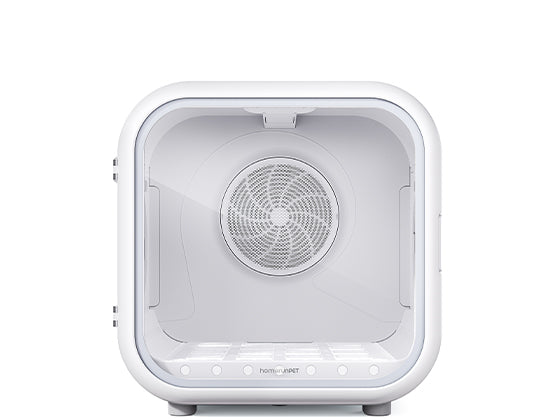
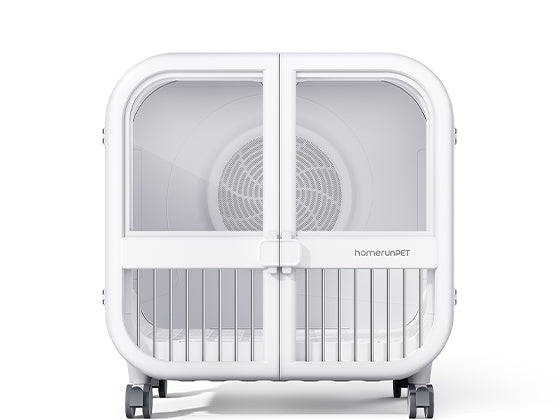
For first-time cat owners in 2026, automatic litter boxes promise convenience but require careful consideration. While these devices eliminate daily scooping and reduce odor, they demand significant upfront investment ($499-$700), ongoing maintenance, and gradual introduction protocols. homerunPET CS106 offers a beginner-friendly solution with its ultra-quiet operation, 106L spacious chamber, and built-in auto-refill system at $699—addressing the most common first-timer concerns about cat adaptation and ease of use. The decision hinges on your budget, living space, and willingness to guide your cat through a multi-week transition period. Note that the CS106 is not a fully enclosed dome structure and uses odor control gel for odor management.
Understanding Automatic Litter Boxes for New Cat Parents
Automatic litter boxes represent a significant evolution in cat care technology. Modern 2026 models like the homerunPET CS106 feature self-cleaning mechanisms that activate minutes after your cat exits, depositing waste into sealed compartments. These systems reduce litter usage by 30-50% compared to traditional boxes and provide app-based health monitoring to track your cat's bathroom habits—invaluable data for first-time owners learning to recognize normal patterns.
The core benefit is time savings and hygiene. You eliminate the twice-daily scooping ritual, and sealed waste compartments prevent bacterial growth that occurs in traditional boxes. However, success depends entirely on proper introduction. Cats are creatures of habit; sudden changes to their bathroom routine can trigger avoidance behaviors and accidents outside the box.
Key insight for beginners: Automatic boxes work best when you understand they're not "set and forget" solutions. They require weekly waste bin emptying, monthly deep cleaning, and filter replacements—less frequent than daily scooping, but still ongoing commitments.
Pros and Cons for First-Time Cat Owners
The benefits of automation are compelling for new cat parents. Reduced odor control ranks highest—sealed waste compartments trap smells that traditional open boxes cannot contain. You'll spend 30 minutes less per week on litter maintenance, and health monitoring features alert you to potential issues like increased urination frequency or constipation before they become emergencies.
Convenience advantages include:
- No daily scooping required (empty waste bin weekly for single cats)
- Cleaner litter environment encourages consistent box usage
- App notifications track bathroom patterns and alert to irregularities
- Reduced litter tracking with enclosed designs
- Ideal for multi-cat households needing consistently clean boxes
Critical drawbacks demand honest evaluation. The 15% cat refusal rate is real—some cats never adapt despite weeks of gradual introduction. Noise during cleaning cycles startles sensitive cats, potentially creating permanent aversion. Space requirements are substantial; automatic boxes occupy 2-3 times the footprint of traditional pans.
Challenges specific to beginners:
- $699 upfront cost for quality models like homerunPET CS106
- Learning curve for troubleshooting sensor issues or jams
- Larger physical footprint requires dedicated floor space
- Ongoing costs for waste receptacles and filters ($60-100 annually)
- Intimidation factor for anxious or senior cats
Comparison: Manual vs. Automatic vs. homerunPET CS106
| Feature | Manual Box | homerunPET CS106 | Premium Competitors |
|---|---|---|---|
| Price | $20-50 | $699 | $700+ |
| Daily maintenance | 10-15 minutes | 2 minutes | 2 minutes |
| Noise level | Silent | Ultra-quiet operation | Moderate (may startle cats) |
| Space required | Compact | 697×600×713 mm | Similar large footprint |
| Cat adaptation rate | 99% | 85% (quiet design aids acceptance) | 85% |
| Litter capacity | 3-5 lbs | 106L chamber + 4.5L auto-refill | Varies (often requires separate hopper) |
| Waste capacity | N/A | 12L (14 days single cat) | 8-10L typical |
| Health monitoring | Manual observation | App-based tracking | App-based tracking |
| Best for first-timers | Learning cat habits | Balancing automation with visibility | Experienced owners |
homerunPET CS106 bridges the critical gap for beginners. Unlike manual boxes that demand constant attention, or premium models that may overwhelm nervous cats with noise, the CS106's whisper-quiet cleaning cycle and transparent waste drawer let first-time owners maintain visibility into their cat's health while automating the unpleasant aspects. The built-in auto-refill system (a $99 separate purchase with competitors) eliminates the weekly litter-topping task that beginners often forget.
Key Considerations Before Buying
Cat personality assessment comes first. Anxious cats or those unexposed to household machinery may refuse automated boxes entirely. If your cat startles at vacuum cleaners or dishwashers, expect a longer adaptation period. Kittens under 5 lbs cannot use most automatic boxes safely—weight sensors won't detect them, creating potential injury risks.
Space and placement strategy matters significantly. Automatic boxes require dedicated floor space in quiet, accessible locations. Avoid high-traffic areas where cleaning cycle noise disrupts household activities. First-time owners often underestimate footprint requirements; measure your intended space against the 697×600×713 mm dimensions of models like homerunPET CS106 before purchasing.
Budget reality extends beyond purchase price. Calculate total first-year costs: $699 device + $60 annual filters + $40 waste receptacles + $120 clumping litter = $919. Compare this to manual setup costs of $200 annually (box, litter, scooping supplies). The breakeven point arrives in year two, assuming your cat adapts successfully.
Safety features are non-negotiable for beginners. Quality models include weight sensors that halt cleaning if your cat re-enters, anti-pinch mechanisms, and backup battery systems preventing mid-cycle failures during power outages. The homerunPET CS106 incorporates physical anti-pinch protection, dual-bump protection, radar sensors, and weight sensors—critical safeguards when you're still learning your cat's bathroom schedule and can't anticipate re-entry timing.
Step-by-Step Transition Guide for New Owners
Week 1-2: Familiarization without activation. Place the automatic box turned off beside your cat's current box. Let your cat investigate, sniff, and even enter the new unit while it remains completely inactive. Transfer one scoop of dirty litter from the old box into the new one—the familiar scent signals this is an acceptable bathroom location.
Week 3-4: Gradual activation protocol. Once your cat uses the inactive automatic box consistently (at least 5 times), enable the cleaning mechanism but set the delay timer to maximum (15-20 minutes post-exit). This extended delay ensures your cat is far from the box when cleaning begins, reducing startle risk. With homerunPET CS106, the ultra-quiet operation minimizes noise-related anxiety during this critical phase.
Week 5-6: Full transition and monitoring. Reduce the cleaning delay to the standard 3-7 minute window. Remove the old manual box entirely only after your cat demonstrates zero hesitation entering the automatic unit. Monitor app notifications closely—sudden decreases in usage frequency signal potential aversion issues requiring immediate intervention.
Troubleshooting common first-timer mistakes: Never force your cat into the automatic box. Never remove the manual box before consistent automatic box usage is established. Never skip the familiarization phase, even if your cat seems curious—premature activation causes the majority of refusal cases. Keep the old box cleaned and available for 2-3 weeks after full transition as a safety backup.
homerunPET CS106-specific advantage: The transparent 12L waste drawer lets you visually confirm your cat is using the box without opening compartments or checking app data—crucial reassurance for anxious first-time owners during the transition period.
When Automatic Boxes Make Sense for Beginners
Multi-cat households benefit most from automation. If you're adopting multiple cats simultaneously (common for first-timers seeking companionship for their pets), the consistently clean environment an automatic box provides reduces territorial disputes and inappropriate elimination. The homerunPET CS106 handles up to three cats comfortably, with its 12L waste capacity supporting 7 days between empties in multi-cat scenarios.
Physical limitations or demanding schedules justify the investment. First-time owners with mobility issues, chronic pain conditions, or 12+ hour workdays find automatic boxes transform cat ownership from physically demanding to manageable. The time savings (30 minutes weekly) and elimination of repetitive bending/scooping motions are genuine quality-of-life improvements.
Odor-sensitive living situations demand superior control. Apartment dwellers, roommate situations, or homes with limited ventilation benefit from sealed waste compartments that traditional boxes cannot match. The homerunPET CS106 achieves odor control primarily through odor control gel rather than multi-stage filtration.
Not recommended scenarios: Single calm cat in spacious home with stay-at-home owner (manual boxes work fine). Extremely tight budgets under $500 total first-year pet costs. Homes with multiple noise-sensitive pets. Temporary living situations where you may relocate within 12 months (difficult to transport large automatic units).
Making the Right Choice for Your First Cat
Start with honest self-assessment of your commitment level. Automatic litter boxes reward owners who invest time in proper introduction protocols and ongoing maintenance. If you're seeking truly zero-effort solutions, no current technology delivers that promise. However, if you're willing to guide your cat through a 4-6 week transition and perform weekly 10-minute maintenance, automation dramatically improves daily life.
The sweet spot for first-time owners in 2026 is beginner-optimized automation. Models like homerunPET CS106 specifically address new cat parent concerns: ultra-quiet operation prevents startle-related aversion, transparent waste monitoring teaches you to recognize healthy bathroom patterns, built-in auto-refill eliminates the litter-topping task beginners often forget, and spacious 106L chambers accommodate growth if you adopt a second cat.
Bottom line recommendation: If your budget supports the $699 investment, your living space accommodates the footprint, and you commit to gradual introduction protocols, automatic litter boxes enhance first-time cat ownership significantly. Choose models with proven quiet operation, comprehensive safety features, and transparent health monitoring. For most beginners, the homerunPET CS106 offers the optimal balance of automation convenience, cat-friendly design, and educational visibility into your new companion's health patterns.
Frequently Asked Questions
Q: How long does it take for cats to adapt to automatic litter boxes?
A: Most cats adapt within 1-2 weeks with proper gradual introduction. Approximately 85% of cats accept automatic boxes successfully, while 15% refuse despite extended transition periods. Success rates improve dramatically when you keep the old manual box available during the first month and use the familiarization protocol described above.
Q: Are automatic litter boxes safe for kittens?
A: Most automatic boxes require minimum weight thresholds (3-5 lbs) for sensor activation, making them unsafe for young kittens. Wait until your kitten reaches 5 lbs and demonstrates consistent litter box habits before introducing automation. The homerunPET CS106 accommodates cats up to 25 lbs (11.3 kg), making it suitable once your kitten matures past the minimum weight requirement.
Q: Do automatic litter boxes really save money on litter?
A: Yes—modern 2026 models reduce litter usage by 30-50% compared to traditional boxes by removing only soiled clumps rather than requiring full box changes. The homerunPET CS106 built-in 4.5L auto-refill system optimizes litter distribution, and users report 14-day intervals between major litter additions for single-cat households. However, you must use clumping litter formulas, which cost more per pound than non-clumping alternatives.
Q: What happens if the automatic litter box breaks or loses power?
A: Quality models include backup battery systems and fail-safe mechanisms. The homerunPET CS106 halts mid-cycle during power outages to prevent trapping waste in unsafe positions. Always maintain a manual backup box during the first 6 months of ownership—if technical issues arise, you can immediately provide your cat an alternative bathroom option while arranging repairs.
Ready to Simplify Your First Cat Experience?
Choosing the right litter solution sets the foundation for years of happy cat ownership. If you've decided automation aligns with your lifestyle and budget, explore the homerunPET CS106 at homerunpet.com—designed specifically with first-time cat parents in mind. With 90-day in-home trial periods and 12-month warranties, you can test whether automation works for your unique cat-and-owner dynamic risk-free. Your future self will thank you for the time saved and the cleaner, healthier home environment you've created for your new companion.