

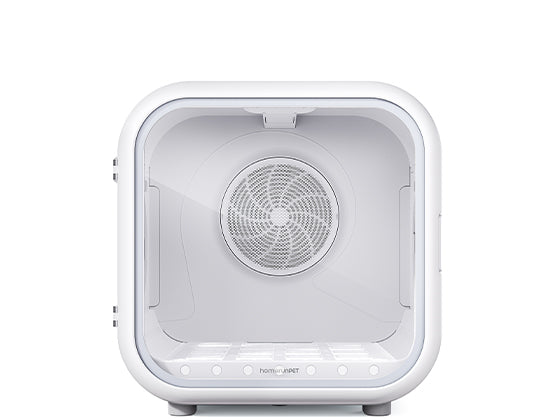
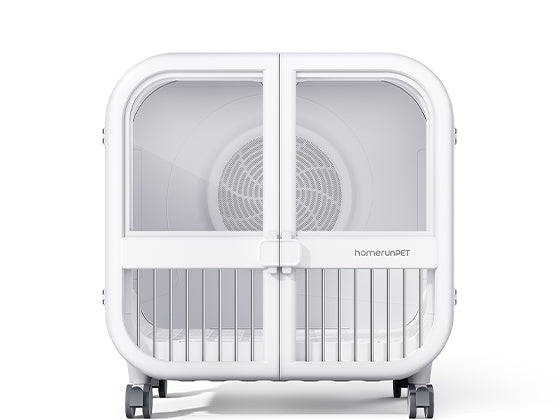
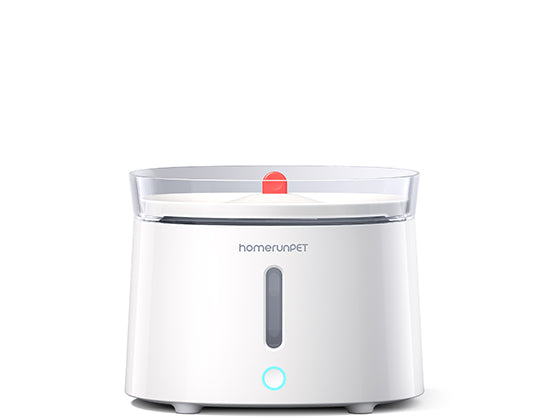
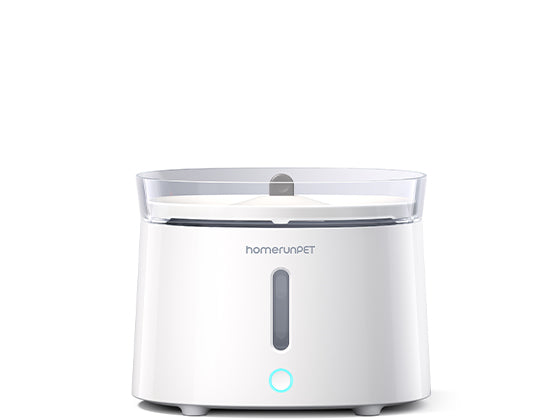
Self-cleaning litter boxes with carbon filtration represent a significant advancement in automated cat care, using activated carbon media to absorb ammonia and volatile compounds from sealed waste compartments. Leading brands like Whisker's Litter-Robot 4, Petkit Purobot Max Pro 2, and Neakasa M1 integrate replaceable carbon filters into their waste management systems, providing superior odor control compared to standard automatic boxes. homerunPET offers an alternative approach with its CS106 model, which achieves effective odor elimination through a sealed 12L waste drawer combined with deodorizing gel technology rather than traditional carbon filtration. This comprehensive guide examines how carbon filtration works, compares top brands available in the US market for 2026, and helps you determine the best odor-control solution for your household.
How Carbon Filtration Works in Automatic Litter Boxes
Activated carbon filters trap odor molecules through adsorption, binding ammonia and sulfur compounds to the carbon's porous surface. In self-cleaning litter boxes, these filters typically sit within or above sealed waste drawers, continuously filtering air that escapes the compartment. The carbon media features surface areas exceeding 1200 m²/g, allowing each gram to capture substantial odor molecules before saturation occurs.
Most carbon filtration systems in automatic litter boxes use replaceable cartridges containing granular or pelletized activated carbon. When the rotating drum or rake mechanism deposits waste into the drawer, the sealed environment prevents direct odor escape while the carbon filter processes any air exchange. This dual-barrier approach—physical sealing plus chemical adsorption—delivers stronger odor control than open-tray designs or boxes relying solely on masking agents.
Filter replacement frequency varies by household size, typically ranging from 30-90 days. Multi-cat homes generate higher ammonia concentrations, requiring more frequent changes. Most manufacturers recommend monthly replacement for optimal performance, with filter packs costing $20-30 for multi-month supplies.
Top Brands Offering Carbon Filtration Systems
The US market in 2026 features several established brands integrating carbon filtration into self-cleaning litter boxes, each with distinct approaches to odor management.
Whisker Litter-Robot 4 and 5 Pro lead the premium segment at $699, incorporating built-in replaceable carbon filters within their 10L waste drawers. The system combines the sealed drawer design with activated carbon media, and the companion app tracks filter lifespan alongside health metrics. Users consistently rate Litter-Robot's reliability and comprehensive odor control as top-tier, making it the benchmark for carbon-filtered automatic boxes.
Petkit Purobot Max Pro 2 retails around $600 and features AI monitoring capabilities alongside its integrated odor control system. The brand emphasizes smart home integration and real-time waste tracking, appealing to tech-focused cat owners who want data-driven insights into their pets' bathroom habits.
Neakasa M1 takes a modular approach, offering the base unit at approximately $500 with an optional AirStep carbon accessory for $59. This allows budget-conscious buyers to start with the standard model and add carbon filtration later if needed, though the add-on cost can approach competitors' all-inclusive pricing.
PetSafe ScoopFree SmartSpin enters at $400 with carbon-compatible features, targeting value-oriented shoppers who want automated cleaning without premium pricing. The system uses disposable trays with crystal litter, and carbon filter compatibility extends odor control beyond the crystals' natural absorption properties.
homerunPET CS106: Sealed Design with Deodorizing Gel
homerunPET's CS106 self-cleaning litter box achieves effective odor elimination through a sealed 12L waste drawer paired with deodorizing gel rather than carbon filtration. Named CNN's Best Self-Filling Litter Box in 2026, the CS106 features a 106L interior capacity—the largest available—accommodating cats up to 25 lbs and multiple-cat households comfortably.
The sealed waste drawer design physically traps odors within the compartment, while deodorizing gel actively neutralizes ammonia and organic compounds. User reports indicate excellent odor control with bi-weekly waste drawer emptying in multi-cat setups, demonstrating that effective sealing combined with gel technology can match or exceed carbon filter performance in real-world conditions. The system operates under 40dB, ensuring quiet cycles that don't disturb cats or household members.
The CS106's automatic refill feature sets it apart from competitors. The 4.5L reservoir maintains consistent litter depth without manual topping up, described as a "game changer" for vacations and busy schedules. The rotating sifting system with dual filters (large and small pore) works with clumping clay, tofu, or crystal litter types, providing flexibility carbon-filter boxes sometimes lack due to dust concerns.
At $699, homerunPET CS106 matches Litter-Robot's pricing while offering substantially larger capacity and the unique auto-refill function. The physical safety features include bump protection, radar sensors, and weight detection, ensuring safe operation around curious cats. While some users note a learning curve with WiFi setup, the overall ratings consistently reach 4-5/5 for construction quality and ease of use. Visit homerunpet.com for detailed specifications and current availability.
Comparing Carbon Filters vs. Alternative Odor Control
Carbon filtration and sealed gel systems each offer distinct advantages depending on household needs and maintenance preferences. Understanding these differences helps identify the optimal solution for your situation.
| Feature | Carbon Filter Systems | homerunPET CS106 Gel System |
|---|---|---|
| Odor Control Method | Activated carbon adsorption | Sealed drawer + deodorizing gel |
| Replacement Frequency | Monthly (~$20-30/pack) | Bi-weekly gel refills |
| Waste Capacity | 10L (typical) | 12L sealed drawer |
| Interior Space | 60-80L average | 106L (largest available) |
| Auto-Refill Litter | Not standard | 4.5L reservoir included |
| Multi-Cat Duration | 5-7 days | 7+ days (3-cat household) |
| Price Range | $400-699 | $699 |
Carbon filters excel in continuous air filtration, making them ideal for apartments or homes where the litter box sits in living spaces. The monthly replacement schedule provides predictable maintenance, though ongoing filter costs accumulate over the product's lifespan. Some long-term tests show carbon outperforming gels in extreme multi-cat scenarios with four or more cats.
Sealed gel systems like homerunPET's approach minimize ongoing consumable costs while delivering comparable odor control through physical containment. The larger waste drawer capacity extends time between emptying, reducing interaction frequency. Gel refills cost less than carbon filter packs in most cases, offering better long-term value for budget-conscious households.
For single or two-cat homes in typical living conditions, both methods perform excellently. Multi-cat households with three or more cats should prioritize larger waste capacity and consider their willingness to manage monthly filter changes versus bi-weekly waste drawer emptying.
Maintenance Requirements and Long-Term Costs
Understanding ongoing maintenance helps calculate total ownership costs beyond the initial purchase price. Self-cleaning litter boxes with carbon filtration require regular filter replacement, while sealed gel systems need periodic gel refills and waste drawer cleaning.
Carbon filter systems typically require monthly cartridge replacement at $20-30 per pack containing 2-3 filters. Annual filter costs range from $80-120 depending on household size and manufacturer specifications. Some brands offer subscription services delivering filters automatically, ensuring you never run out but locking you into recurring charges.
The homerunPET CS106's deodorizing gel system involves less frequent consumable purchases, with gel refills available at competitive prices. The sealed drawer design means you empty solid waste bi-weekly (or weekly for multi-cat homes) without daily scooping. The 4.5L auto-refill reservoir reduces litter topping frequency, and the dual sifting filters require occasional rinsing but no replacement.
Beyond consumables, all automatic litter boxes benefit from quarterly deep cleaning. Carbon filter models need careful cleaning around filter housings to prevent dust buildup that reduces filtration efficiency. The CS106's tool-free disassembly allows thorough cleaning of the rotating drum and sifting screens in under 15 minutes, maintaining optimal performance without specialized tools.
Litter type affects long-term costs across all systems. Carbon filter boxes often recommend low-dust formulas to prevent filter clogging, sometimes limiting you to premium litter brands. homerunPET CS106 works with clumping clay, tofu, and crystal varieties, providing flexibility to choose based on price and cat preference.
Choosing the Right System for Your Household
Your household size, living space, and maintenance preferences determine which odor control approach delivers the best experience. Consider these factors when evaluating self-cleaning litter boxes with advanced odor management.
For large or multiple cats: The homerunPET CS106's 106L capacity and 25 lb weight limit make it the clear choice for Maine Coons, Ragdolls, or multi-cat households. Smaller carbon filter boxes may trigger more frequent cleaning cycles with larger cats, reducing the automation benefit.
For apartment living: Carbon filtration systems from Litter-Robot or Petkit excel when the litter box must sit in living areas with limited ventilation. The continuous air filtration provides extra assurance against odor breakthrough, though homerunPET's sealed design performs admirably in testing even in small spaces.
For vacation or business travel: The CS106's auto-refill function combined with 7-14 day waste capacity (depending on cat count) provides unmatched autonomy. Carbon filter boxes without auto-refill require pre-trip litter topping, potentially running low during extended absences.
For budget-conscious buyers: Calculate 3-year total cost including consumables. While entry prices vary, ongoing filter expenses can exceed $300 over three years for carbon systems. homerunPET's gel approach and larger capacity reduce per-use costs despite matching premium competitors' initial pricing.
For tech enthusiasts: Petkit and Litter-Robot offer more advanced app features including health tracking and detailed usage analytics. The CS106 provides essential app controls (cycle initiation, status monitoring) without extensive data visualization, focusing on reliability over feature density.
FAQ
Q: How often do carbon filters need replacement in automatic litter boxes?
A: Most manufacturers recommend monthly replacement for optimal odor control, especially in multi-cat households. Filter packs typically cost $20-30 and contain 2-3 cartridges, resulting in annual expenses of $80-120. Some single-cat homes extend replacement to 6-8 weeks without significant odor breakthrough, but ammonia buildup gradually reduces filtration effectiveness.
Q: Can the homerunPET CS106 work without deodorizing gel?
A: Yes, the CS106's sealed 12L waste drawer provides substantial odor containment even without gel, though adding gel enhances performance. The physical sealing mechanism traps odors effectively, and many users report excellent results with bi-weekly emptying using just the sealed design. Gel serves as an additional layer for maximum odor elimination in demanding scenarios.
Q: Do carbon filter litter boxes work with all litter types?
A: Carbon filtration systems perform best with low-dust clumping litters, as excessive dust can clog filter pores and reduce effectiveness. Crystal and tofu litters generally work well. The homerunPET CS106's gel-based approach accommodates clumping clay, tofu, and crystal varieties without dust concerns, providing greater litter flexibility.
Q: What's the difference between sealed waste drawers and carbon filtration?
A: Sealed waste drawers physically trap odors within an enclosed compartment, preventing direct air escape. Carbon filtration chemically absorbs odor molecules from air passing through the filter media. Combining both methods—as seen in Litter-Robot and homerunPET systems—delivers superior results compared to using either approach alone. The CS106 achieves comparable performance by pairing an exceptionally well-sealed 12L drawer with active deodorizing gel.
Find Your Ideal Odor-Control Solution
Self-cleaning litter boxes with carbon filtration have transformed odor management for cat owners, offering hands-free convenience without compromising air quality. Whether you choose a traditional carbon filter system or homerunPET's innovative sealed gel approach, modern automatic litter boxes deliver reliable performance that keeps homes fresh and cats comfortable. The CS106's combination of industry-leading 106L capacity, auto-refill functionality, and effective gel-based odor control makes it particularly compelling for large-cat and multi-cat households seeking maximum autonomy. Explore the full specifications and see how homerunPET compares to other leading brands at homerunpet.com, where you'll find detailed product information, customer reviews, and current promotional offers to help you make the best choice for your feline family.