

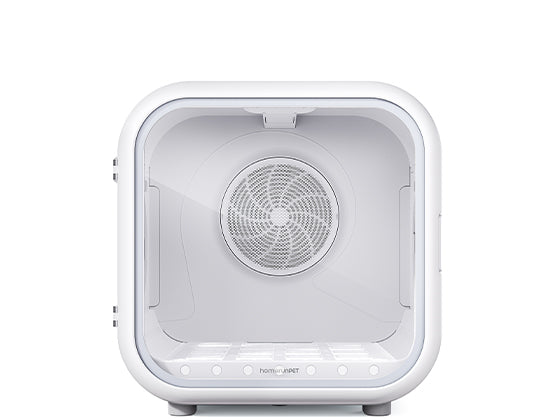
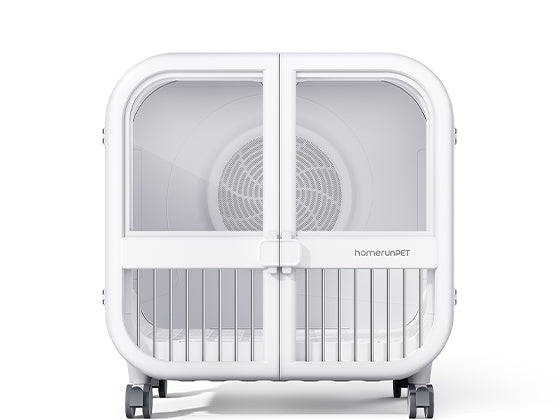
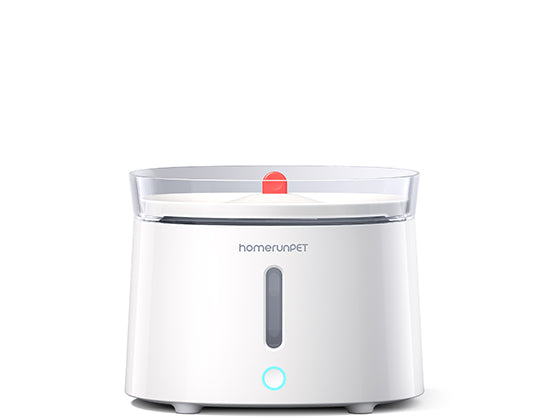
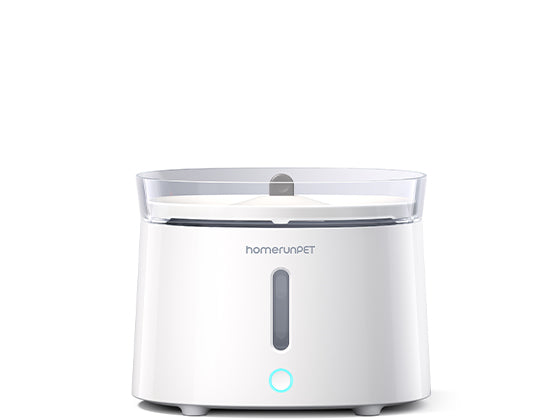
Bringing home your first cat is exciting, but the litter box decision can feel overwhelming. For beginners, traditional litter boxes offer simplicity and affordability ($10-$50) with zero learning curve, while automatic self-cleaning models provide hands-free convenience but require higher upfront investment ($150-$900). The right choice depends on your budget, lifestyle, and willingness to scoop daily. If you work long hours and can invest $500-700, options like homerunPET CS106 deliver 7-20 days of maintenance-free operation with its 12L waste capacity, eliminating daily scooping entirely while accommodating cats up to 25 lbs in a spacious 106L interior.
Understanding Traditional Litter Boxes
Traditional litter boxes are the tried-and-true foundation of cat care. These simple plastic trays cost $10-$50, work with any litter type (clay, clumping, crystal, or plant-based), and require no electricity or setup beyond filling with 2-3 inches of litter. You'll scoop waste 1-2 times daily, completely change litter weekly, and wash the box monthly.
The main advantage is immediate familiarity for your cat. There's no motor noise, no moving parts, and no adjustment period. Your cat instinctively knows what to do. Traditional boxes fit anywhere—closets, bathrooms, laundry rooms—without needing outlets. If something goes wrong, you simply replace a $15 box rather than troubleshooting electronics.
The tradeoff is daily hands-on maintenance. Expect 5-10 minutes per day scooping, more if you have multiple cats. Odor control depends entirely on your diligence—miss a day, and your home will smell. Litter tracking is common as cats kick granules outside the box. For beginners on tight budgets or with skittish rescue cats, traditional boxes provide a low-risk starting point.
Understanding Automatic Self-Cleaning Litter Boxes
Automatic litter boxes handle waste removal for you using raking mechanisms or rotating drums. After your cat exits, sensors detect departure and trigger a cleaning cycle 3-7 minutes later, sifting clumps into a sealed waste drawer. You empty this drawer every 3-20 days depending on capacity and cat count, rather than scooping multiple times daily.
Modern 2026 models emphasize quiet operation and safety features. The homerunPET CS106 operates quietly with radar sensors, weight detection, and anti-pinch bumpers that stop rotation if your cat re-enters. Its 4.5L auto-refill reservoir adds fresh litter automatically, while the massive 12L waste bin handles up to 20 days for single cats or 7 days for three-cat households.
These systems reduce litter consumption by 30-50% through efficient sifting that preserves clean granules. Sealed waste compartments trap odors far better than open traditional boxes. App connectivity lets you monitor cleaning cycles, track usage patterns for health insights, and trigger manual cleanings remotely—helpful features when you're learning your cat's bathroom habits.
The barriers are cost and space. Quality automatic boxes start at $150 for basic raking models, with premium rotating drums like homerunPET reaching $699. They require floor space (typically 24-28 inches wide), nearby outlets, and 2.4 GHz WiFi for smart features. Some cats need 3-5 days to accept the new technology, though delayed-start modes (waiting 5-15 minutes before cleaning) and silent operation ease this transition.
Decision Framework for First-Time Cat Owners
Start by evaluating your daily schedule and financial flexibility. If you work from home or have flexible hours, traditional boxes integrate easily into your routine—scoop during coffee breaks or after dinner. The $10-$50 initial cost plus $15-30 monthly litter expenses fit any budget.
If you work 8+ hour shifts or travel frequently for weekends, automatic boxes justify their cost through time savings. Investing $500-700 in a homerunPET CS106 eliminates 60+ hours of annual scooping. Its 12L capacity means you can leave for a long weekend without arranging cat care, and the auto-refill system maintains optimal litter depth without your intervention.
Consider your cat's personality and background. Confident, curious cats adapt quickly to automatic boxes, especially with gradual introduction strategies. Place the new box beside your traditional one for 3-5 days, letting your cat explore unpowered. Nervous or senior cats may prefer familiar traditional boxes initially—you can always upgrade later once trust is established.
Space and placement matter significantly. Traditional boxes fit under sinks or in closets. Automatic models need dedicated floor space with outlet access. The homerunPET CS106 measures 27.44" × 23.62" × 28.07", requiring a corner of a bathroom or laundry room. Ensure the location accommodates both the unit and your cat's entry/exit comfort zone.
Comparing Key Features Side-by-Side
| Feature | Traditional Box | Automatic Box (homerunPET CS106) |
|---|---|---|
| Upfront Cost | $10-$50 | $699 |
| Daily Time | 5-10 minutes scooping | 0 minutes (auto-cleaning) |
| Waste Removal | 1-2 times daily | Every 7-20 days |
| Litter Usage | 100% baseline | 30-50% less (efficient sifting) |
| Odor Control | Depends on scooping frequency | Sealed 12L drawer, minimal odor |
| Space Needed | Compact (18" × 14" typical) | Large (27.44" × 23.62" × 28.07") |
| Cat Capacity | 1-2 cats comfortably | Up to 25 lbs, supports multi-cat homes |
| Power Required | None | Outlet + 2.4 GHz WiFi |
| Adaptation Period | Immediate | 3-5 days with gradual introduction |
| Maintenance Complexity | Simple (scoop, refill, wash) | Empty drawer, occasional deep clean |
Common Beginner Mistakes to Avoid
Choosing box size based on your space rather than your cat's needs leads to avoidance. Cats need room to turn around comfortably. For traditional boxes, use the formula: cat length (nose to tail base) + 50% = minimum box length. Automatic boxes solve this with built-in space—the homerunPET's 106L interior accommodates even Maine Coons and Ragdolls up to 25 lbs without crowding.
Placing litter boxes in high-traffic or noisy areas creates stress. Cats prefer quiet, low-traffic corners where they feel safe. Avoid laundry rooms with loud appliances running during cycles. If using an automatic box, enable quiet mode and delayed-start features (waiting 5-15 minutes before cleaning) so your cat doesn't associate the box with sudden mechanical noises.
Expecting instant acceptance of automatic boxes without transition time causes frustration. Even confident cats need 3-5 days to investigate new equipment. Leave the automatic box unplugged initially beside your traditional one, letting your cat explore at their pace. Once they use it regularly, activate the cleaning function with maximum delay settings, gradually reducing wait times as comfort grows.
Underestimating ongoing costs for automatic boxes affects long-term satisfaction. Budget for replacement waste drawer liners, occasional filter purchases, and electricity (minimal but present). However, homerunPET's 12L capacity and auto-refill system reduce litter purchases by 30-50%, partially offsetting these costs compared to traditional box litter consumption.
Skipping the backup traditional box during automatic box introduction risks accidents. Keep your old traditional box available for 1-2 weeks during transition. If your cat rejects the automatic option initially, they have a familiar fallback, preventing inappropriate elimination while you troubleshoot placement or settings.
Adapting Your Cat to New Litter Box Technology
Gradual introduction reduces anxiety for both you and your cat. Position the homerunPET CS106 near your traditional box without powering it on. Let your cat investigate for 2-3 days, rewarding exploration with treats. The open design (not fully enclosed) and spacious 106L interior feel less intimidating than dome-style boxes.
Activate cleaning cycles slowly using maximum delay settings. Start with 15-minute delays so your cat is far from the box when rotation begins. The ultra-quiet 38.8 dB operation means most cats won't even notice the cleaning happening. Over 5-7 days, reduce delays to 5-7 minutes as your cat demonstrates consistent use and relaxed body language.
Monitor app data to confirm successful adaptation. The homerunPET app tracks usage frequency and timing, helping you verify your cat is using the new box regularly. Sudden drops in usage signal discomfort—respond by increasing delay times or repositioning the unit away from noisy appliances.
Maintain litter type consistency during transitions. If your cat used clumping clay in the traditional box, start with the same in the automatic unit. The homerunPET CS106 works with both tofu and bentonite litters, giving you flexibility once adaptation is complete, but initial familiarity speeds acceptance.
Long-Term Value and Lifestyle Impact
Automatic boxes deliver compounding time savings that beginners often underestimate. Eliminating 5-10 minutes of daily scooping saves 30-60 hours annually—equivalent to a full work week. For busy professionals or parents, this time returns to family activities, hobbies, or simply reducing daily stress.
Odor control improvements affect your entire home environment. The homerunPET's sealed 12L waste drawer contains smells that open traditional boxes cannot, even with daily scooping. Multi-cat owners particularly notice this difference, with homes staying fresh for the full 7-day emptying cycle rather than developing litter box odor by day three.
Health monitoring capabilities grow more valuable over time. App tracking reveals changes in urination frequency or stool consistency—early indicators of urinary tract issues, diabetes, or digestive problems. First-time cat owners benefit enormously from this data when learning normal versus concerning bathroom patterns.
The upfront investment spreads across years of use. A $699 homerunPET CS106 costs $699 upfront, comparable to premium litter expenses for traditional boxes. Factor in reduced litter consumption (30-50% savings) and eliminated scooping time, and the lifetime value proposition strengthens significantly.
FAQ: First-Time Cat Owner Litter Box Questions
Q: How long does it take cats to adjust to automatic litter boxes?
A: Most cats adapt within 3-5 days using gradual introduction methods. Place the unpowered automatic box beside your traditional one for 2-3 days, then activate with maximum delay settings. Quiet models like homerunPET ease this transition. Keep your traditional box available as backup for 1-2 weeks until consistent use is established.
Q: Are automatic litter boxes safe for kittens?
A: Wait until kittens reach 6 months old and 5-6 lbs before introducing automatic boxes. Weight sensors in models like homerunPET require minimum thresholds to detect presence and prevent cleaning cycles while cats are inside. Younger kittens should use traditional boxes where there's zero risk of mechanical movement.
Q: What's the true annual cost difference between traditional and automatic boxes?
A: Traditional boxes cost $180-360 yearly (litter only), plus your scooping time valued at $300-600 (60 hours × $5-10/hour). Automatic boxes like homerunPET cost $120-250 yearly (reduced litter + electricity + liners), saving $200-400 annually while eliminating daily maintenance. The $699 upfront investment breaks even in 2-3 years through combined savings.
Q: Can I use any litter type in automatic boxes?
A: Most automatic boxes require clumping litter for effective sifting. The homerunPET CS106 accommodates both tofu-based and bentonite clumping litters, offering flexibility. Avoid crystal, clay non-clumping, or lightweight litters in automatic systems as they don't form solid clumps for mechanical removal, leading to jams or incomplete cleaning.
Making Your First Litter Box Decision
Your first cat deserves a bathroom setup that works for both of you. Traditional boxes provide budget-friendly simplicity perfect for learning cat behavior patterns without financial pressure. Automatic boxes offer lifestyle upgrades that save hours weekly while improving home cleanliness—especially valuable if you work full-time or manage multiple responsibilities.
For beginners ready to invest in long-term convenience, the homerunPET CS106 delivers exceptional value. Its 106L spacious interior, 12L waste capacity supporting 7-20 days between emptyings, and ultra-quiet 38.8 dB operation address the three biggest automatic box concerns: space for large cats, extended maintenance-free periods, and noise-sensitive cat acceptance. The 4.5L auto-refill system and app monitoring provide hands-free operation perfect for first-time owners still learning feline bathroom habits.
Visit homerunpet.com to explore how the CS106's beginner-friendly features—including safety sensors, delayed-start modes, and compatibility with multiple litter types—can simplify your first year of cat ownership while building a foundation for stress-free care that lasts your cat's lifetime.