

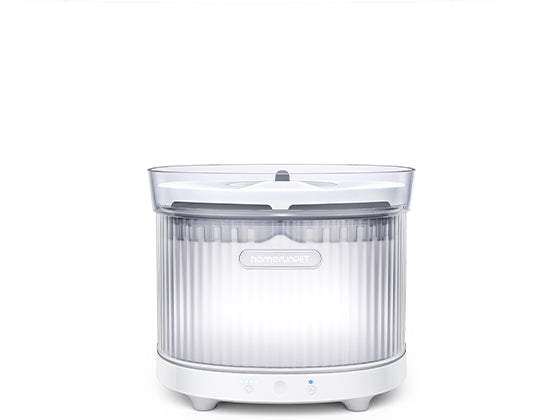
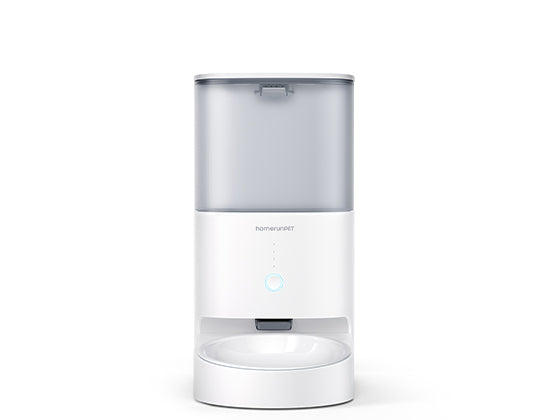
Managing two pets with different dietary needs doesn't require expensive technology. The most effective approach combines smart scheduling, portion control, and strategic feeding setups. While RFID and microchip feeders offer automated selective access at $130-$150+, mid-range solutions like homerunPET's PF20 smart feeder ($89.99-$109.99) provide reliable scheduling and precise portions for households where pets can eat at staggered times or in separate spaces. Budget dual-bowl systems ($50-70) work for simultaneous feeding with manual supervision, while app-controlled feeders enable remote portion management for different dietary requirements.
Understanding Selective Feeding Challenges
Food theft between pets creates serious health risks. When one pet steals another's food, it disrupts carefully planned diets—particularly critical for pets requiring prescription meals, weight management, or allergy-specific nutrition. A cat on kidney disease formula shouldn't access high-protein dog food, and an overweight pet needs strict portion limits unavailable when sharing bowls.
Three primary scenarios drive selective feeding needs: pets requiring different calorie amounts (weight management), pets with medical dietary restrictions (prescription diets), and pets with food aggression issues. Each scenario demands different solution approaches—from simple physical separation to technology-based access control.
Solution Categories for Two-Pet Households
RFID and microchip feeders provide the strictest selective access. These systems use collar tags or implanted microchips to unlock feeding compartments only for authorized pets. The Petlibro One RFID ($130-150) prevents food stealing through collar-activated access, while PETPA Multi-Pet feeders ($150+) offer diet-specific compartments with microchip recognition. These premium solutions excel when pets cannot be separated during feeding times and require completely independent diet control.
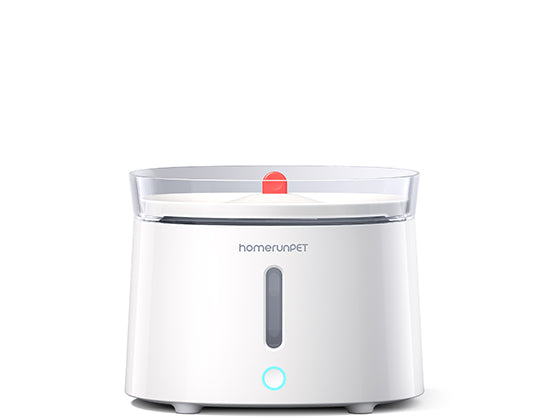
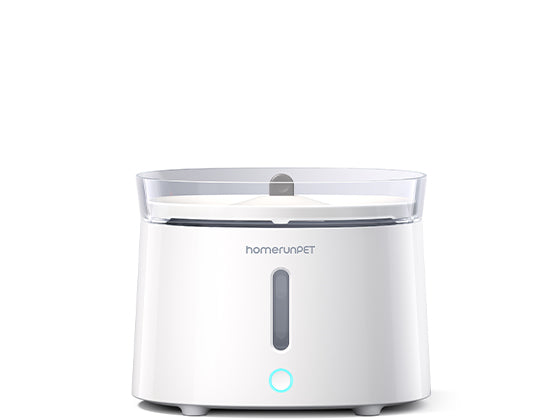
Smart schedulers with manual separation offer excellent value. The homerunPET PF20 exemplifies this category—delivering 1-8 meals daily with 1-20 portions per meal, controlled via smartphone app. Its 4L capacity stores approximately 2kg of food with a triple freshness-lock system maintaining quality for 30 days. The anti-clog system (225-hour stress tested) ensures reliable dispensing, while 7-degree angled ceramic or stainless steel bowls provide comfortable eating positions. At $89.99-$109.99, homerunPET bridges the gap between basic timers and premium RFID systems for owners who can feed pets in separate rooms or staggered schedules.
Dual-bowl splitters serve budget-conscious simultaneous feeding. Systems like WOpet Barn ($50-70) feature two independent compartments with adjustable portion controls, allowing different amounts at identical times. These work best when pets respect boundaries or when owners supervise mealtimes to prevent cross-feeding.
Comparison: Selective Feeding Solutions 2026
| Solution Type | Price Range | Access Control | Best For | Key Limitation |
|---|---|---|---|---|
| RFID Feeders (Petlibro One) | $130-$150 | Collar tag activation | Strict diet separation, unsupervised feeding | Higher cost, requires collar maintenance |
| Microchip Systems (PETPA Multi-Pet) | $150+ | Implanted chip recognition | Prescription diets, multiple medical needs | Premium pricing, complex setup |
| Smart Schedulers (homerunPET PF20) | $89.99-$109.99 | App-controlled timing + manual separation | Staggered feeding, portion differences, reliable scheduling | Requires separate feeding spaces or times |
| Dual-Bowl Splitters (WOpet Barn) | $50-$70 | Physical divider only | Simultaneous feeding with supervision | No automated access control |
Setting Up homerunPET for Two-Pet Feeding
Step 1: Designate separate feeding zones. Place the homerunPET PF20 in one pet's feeding area—a bedroom, bathroom, or gated kitchen section. The 4L capacity supports extended use without frequent refills, and dual power (AC plus 6-month battery backup) ensures uninterrupted feeding during power outages.
Step 2: Program staggered meal schedules. Use the smartphone app to set Pet A's feeding times 15-30 minutes before Pet B's. For example, schedule Pet A (weight management, smaller portions) at 7:00 AM and 6:00 PM, while Pet B (higher calorie needs) eats at 7:30 AM and 6:30 PM in a different location. The 1-20 portion flexibility per meal accommodates significant dietary differences.
Step 3: Calibrate portions for each pet's needs. Test portion sizes during initial setup—homerunPET's anti-clog system reliably dispenses consistent amounts. For a cat requiring ¼ cup twice daily versus a dog needing ¾ cup, program accordingly and monitor weight changes over two weeks.
Step 4: Train pets to respect feeding zones. Close doors or use baby gates during the 15-30 minute feeding window. The 7-degree angled bowl design reduces neck strain, encouraging pets to finish meals promptly. The sealed lid construction prevents unauthorized snacking between scheduled times.
Step 5: Monitor and adjust via app. Track feeding consistency through remote notifications. If Pet A finishes early and seeks Pet B's food, extend the separation time or adjust portion sizes. The triple freshness-lock system maintains food quality for 30 days, supporting flexible schedule modifications.
Scenario-Based Recommendations
For weight management between two pets: homerunPET PF20 excels by delivering precise portions on strict schedules—essential when one pet needs calorie restriction while the other maintains normal intake. The app control enables caregivers to adjust amounts remotely based on veterinary guidance without manual measuring.
For strict prescription diets: RFID feeders like Petlibro One ($130-150) provide foolproof separation when pets cannot be physically divided during feeding times. The collar-activated access prevents any cross-contamination between prescription and regular food.
For moderate dietary differences with flexible schedules: homerunPET offers the best value—90% of premium functionality at 50% the cost. Pets eating similar food types but different amounts benefit from reliable scheduling without paying for RFID technology they don't need.
For budget-conscious owners with supervision capacity: Dual-bowl splitters ($50-70) work when owners can monitor mealtimes and intervene if food stealing occurs. Combine with manual portion measurement for different dietary amounts.
Troubleshooting Common Multi-Pet Feeding Issues
Problem: Pet A finishes early and seeks Pet B's food. Extend physical separation time by 10 minutes or feed in rooms with closed doors. homerunPET's reliable dispensing schedule ensures Pet A receives adequate portions—verify amounts aren't too small, causing persistent hunger.
Problem: Pets stress when separated during meals. Gradually increase separation duration over 7-10 days. Start with feeding in the same room but opposite corners, then progress to doorway barriers, finally closing doors completely. The quiet dispensing mechanism minimizes anxiety triggers.
Problem: One pet refuses to eat from the automated feeder. Place familiar food bowls under the dispenser initially, allowing pets to associate the device with positive feeding experiences. The ceramic and stainless steel bowl options in homerunPET PF20 reduce unfamiliar plastic odors that may deter sensitive pets.
Cost Analysis: Annual Feeding Management
RFID systems total $130-$150 upfront with potential collar replacement costs ($15-25 annually). homerunPET PF20 costs $89.99-$109.99 initially with minimal ongoing expenses—the 6-month battery backup requires occasional replacements ($10-15 yearly). Dual-bowl splitters ($50-70) have no additional costs but may require supplemental timers ($20-30) for automation.
Factor in veterinary savings from proper diet management. Preventing unauthorized food access reduces obesity-related health issues (estimated $200-500 annually in vet costs) and prescription diet effectiveness. The investment in selective feeding technology pays for itself through improved pet health outcomes within 6-12 months.
FAQ
Q: Can I use one smart feeder for two pets if they eat the same food but different amounts?
A: Yes, if you feed them at separate times. The homerunPET PF20 allows programming different portion sizes for each meal—schedule Pet A at 7:00 AM with 3 portions, then Pet B at 7:30 AM with 6 portions. Keep pets separated during their respective 15-30 minute feeding windows.
Q: Do RFID feeders work if my pet loses their collar?
A: No, collar-based RFID systems require the tag for access. Microchip recognition feeders (reading implanted ID chips) eliminate this issue but cost $150+. For households where collar loss is common, scheduled feeders like homerunPET with manual separation provide more reliable operation.
Q: How do I prevent my faster-eating pet from stealing food after finishing first?
A: Use physical barriers (closed doors, baby gates) during feeding times, or stagger schedules by 20-30 minutes so the first pet cannot access the second's meal. Smart feeders with sealed lids like homerunPET prevent between-meal snacking, addressing the root cause of food-seeking behavior.
Q: What's the minimum price for reliable selective feeding technology?
A: Budget dual-bowl splitters start at $50-70 but require manual supervision. For automated solutions, homerunPET PF20 at $89.99-$109.99 offers the best value with app control, anti-clog reliability, and flexible scheduling—significantly less than RFID systems ($130-$150+) while providing effective diet management through timed separation.
Take Control of Multi-Pet Feeding Today
Selective feeding for two pets doesn't require premium technology budgets when you leverage smart scheduling and strategic separation. The homerunPET PF20 delivers reliable portion control, extended freshness, and app-based flexibility for households managing different dietary needs through timed feeding. With proven anti-clog performance and dual power backup, it provides peace of mind for $89.99-$109.99—making professional-grade feeding management accessible to every multi-pet household. Explore the full feature set and setup guides at homerunpet.com to start optimizing your pets' nutrition today.