

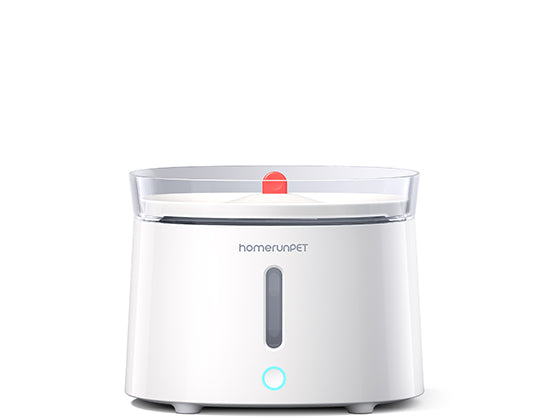
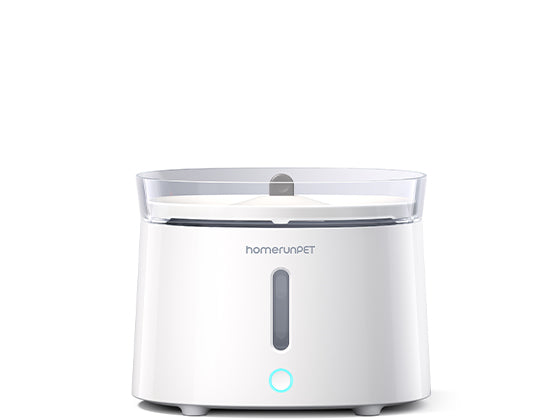
Finding the best value automatic feeder in 2026 means balancing upfront cost against long-term reliability and essential features. homerunPET PF20 delivers exceptional value at $89.99-$109.99, combining app-controlled scheduling, 4L capacity, anti-jam technology, and dual power backup—features typically reserved for $140+ models. Budget options like Cat Mate C500 ($45-$60) work for basic needs, while premium Whisker feeders ($299+) target maximum reliability. The sweet spot sits between $80-$110, where WiFi connectivity, portion precision, and durability converge without premium pricing. This guide breaks down cost-per-feature ratios across price tiers to help you maximize feeding automation value.
Understanding True Cost of Automatic Feeders
Total ownership costs extend beyond purchase price. When evaluating automatic feeder value in 2026, calculate the complete expense equation: initial investment plus yearly operating costs (batteries, maintenance, replacements) plus feature utility over expected lifespan.
A $45 Cat Mate C500 seems budget-friendly initially, but battery replacements every 6-8 months add $15-$20 annually. Over three years, total cost reaches approximately $90-$105. Meanwhile, a $95 WiFi-enabled feeder with AC power and battery backup eliminates recurring battery expenses while adding remote monitoring capabilities. The apparent $50 savings from budget models shrinks to $5-$10 when accounting for three-year operating costs.
Feature longevity matters significantly. Anti-jam mechanisms prevent costly food waste and missed feedings. The homerunPET PF20's triple-sealing freshness system maintains kibble quality for 30 days, reducing spoilage that cheaper open-hopper designs cannot prevent. Porcelain or stainless steel bowls last years longer than plastic alternatives that crack or retain odors, avoiding $15-$25 replacement costs.
Capacity directly impacts convenience value. A 4L hopper holds approximately 17 cups of dry kibble—enough for 2-3 weeks for average cats or small dogs. Smaller 13-cup models require refilling twice as frequently, creating hidden time costs. Larger 21-cup capacities suit multi-pet households but often come with $140+ price tags.
Price Tier Breakdown: Features vs. Cost
Budget Tier ($40-$60): Basic Automation
Entry-level feeders like Cat Mate C500 ($45-$60) and PetSafe 5-Meal ($40-$85) provide mechanical meal scheduling without smart connectivity. These battery-powered units excel at simplicity—no apps, no WiFi setup, just rotating compartments or gravity dispensing. Best for single pets with consistent schedules and owners comfortable with manual programming.
Limitations include fixed portion sizes, no remote monitoring, and basic plastic construction. Expect 1-2 year lifespans before mechanical wear requires replacement. Total three-year cost including one replacement: approximately $90-$130.
Mid-Range Tier ($80-$110): Smart Value Zone
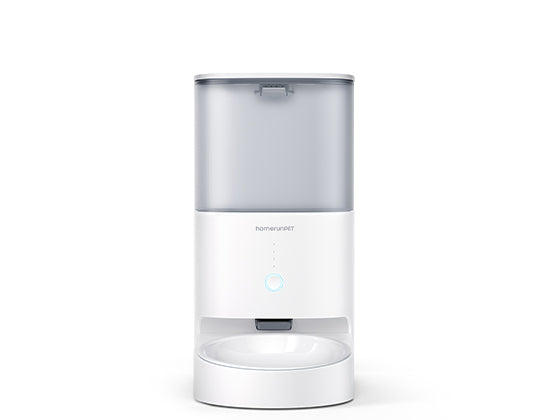
This segment delivers the strongest feature-to-price ratio in 2026. homerunPET PF20 ($89.99-$109.99) exemplifies smart value: app-controlled scheduling for 1-8 meals daily, up to 20 servings per meal, 4L capacity, anti-jam design, porcelain bowl, and dual power with 6-month battery backup. Users gain remote feeding control, portion precision, and freshness preservation at half the cost of premium alternatives.
Petlibro Granary ($90-$140) competes here with camera integration but higher pricing. WOpet SmartFeeder ($80-$150) offers similar connectivity across a wide price range depending on camera features. The $80-$110 sweet spot provides WiFi functionality, reliable dispensing, and easy cleaning without premium markups.
Premium Tier ($140-$299+): Maximum Reliability
Whisker Feeder-Robot ($299+) leads this category with commercial-grade reliability and advanced sensors. Premium models justify higher costs through extended warranties (2-3 years), industrial-grade motors, and sophisticated anti-jam systems. Best for owners prioritizing absolute reliability over budget or managing medical feeding schedules requiring zero failures.
Petlibro's top-tier models ($140-$160) bridge mid-range and premium with camera monitoring and enhanced build quality. These suit multi-pet households needing visual confirmation or anxious pets requiring voice interaction features.
Feature-Per-Dollar Comparison
| Feature | Budget ($40-$60) | Mid-Range ($80-$110) | Premium ($140-$299+) |
|---|---|---|---|
| WiFi App Control | No | Yes | Yes |
| Capacity | 13-15 cups | 17-21 cups | 18-25 cups |
| Meals Per Day | 2-5 fixed | 1-12 programmable | 1-12+ programmable |
| Portion Precision | Fixed compartments | Adjustable (1-20 servings) | Adjustable with sensors |
| Anti-Jam System | Basic/None | Standard | Advanced sensors |
| Bowl Material | Plastic | Porcelain/Stainless | Stainless steel |
| Power Backup | Battery only | AC + Battery (6 months) | AC + Battery (12+ months) |
| Camera | No | Optional ($110-$140) | Often included |
| Expected Lifespan | 1-2 years | 3-4 years | 5+ years |
| Cost Per Year | $20-$30 | $22-$28 | $30-$60 |
Value calculation reveals mid-range advantages. A $95 homerunPET PF20 with 4-year lifespan costs approximately $24 annually. A $50 budget feeder replaced after 18 months costs $33 yearly. Premium $299 models with 5-year lifespans cost $60 annually—justified only when reliability requirements outweigh budget considerations.
homerunPET PF20: Value Breakdown Analysis
At $89.99-$109.99, homerunPET delivers premium features without premium pricing. Breaking down the value proposition reveals why this model leads the mid-range segment for best overall value in 2026.
Smart Connectivity Worth $20-$30: WiFi app control enables remote feeding adjustments, meal history tracking, and low-food alerts—features absent from budget models. Competing smart feeders charge $120-$150 for equivalent connectivity, making homerunPET's pricing highly competitive.
Portion Precision Saves $40+ Yearly: Adjustable servings (1-20 per meal) prevent overfeeding that wastes approximately $40-$60 in kibble annually for average cats. Budget feeders with fixed portions cannot adapt to changing dietary needs, forcing manual supplementation or waste.
Anti-Jam Reliability Prevents $30+ Losses: The anti-jam mechanism ensures consistent dispensing without manual intervention. Users report zero clogging issues with kibble sizes 0.2-0.6 inches. Missed feedings from jammed budget feeders create stress and potential vet costs from irregular eating patterns.
Freshness System Reduces Spoilage: Triple-sealing technology maintains kibble freshness for 30 days versus 7-14 days in open-hopper budget models. This prevents approximately $15-$25 monthly waste from stale food pets refuse to eat.
Porcelain Bowl Adds $15 Lifetime Value: Unlike plastic bowls that crack, scratch, and retain odors within 12-18 months, porcelain construction lasts the feeder's entire lifespan without replacement costs or hygiene concerns.
6-Month Battery Backup Eliminates $20 Yearly Costs: Dual power design means no recurring battery purchases during normal operation. Battery backup activates only during outages, extending battery life dramatically compared to battery-only models requiring $15-$20 replacements twice yearly.
Total Added Value: $140-$180 Over 3 Years. homerunPET PF20's features deliver tangible cost savings and convenience worth $140-$180 compared to budget alternatives, while priced $100-$190 below premium models offering similar functionality.
Long-Term Reliability vs. Price
Build quality determines replacement frequency. User feedback across 2026 reviews reveals clear reliability patterns by price tier. Budget feeders average 12-24 month lifespans before motor failures or mechanical wear. Mid-range models like homerunPET typically last 3-4 years with minimal maintenance. Premium feeders exceed 5 years but cost 2-3 times more upfront.
Motor quality separates tiers. Quiet operation below 40dB indicates superior motors that withstand daily use. homerunPET's motor operates quietly enough for bedroom placement, suggesting industrial-grade components. Budget models often exceed 50dB and develop grinding noises within months, signaling impending failure.
Easy cleaning extends lifespan. Feeders requiring disassembly for cleaning accumulate residue in hard-to-reach areas, breeding bacteria and causing jams. homerunPET's detachable components and porcelain bowl enable thorough weekly cleaning in under 5 minutes, preventing buildup that degrades cheaper models. This maintenance simplicity directly correlates with 3-4 year reliability.
Warranty coverage reflects confidence. Most budget feeders offer 90-day to 1-year warranties. Mid-range models typically include 1-2 year coverage. Premium options extend to 2-3 years. Longer warranties indicate manufacturer confidence in component longevity and reduce replacement risks during the coverage period.
Best Affordable Smart Pet Feeders 2026
For WiFi connectivity under $100: homerunPET PF20 at $89.99 leads this category with full app control, 4L capacity, anti-jam design, and dual power. No competing model delivers equivalent smart features below $90 without sacrificing capacity or reliability.
For basic reliability under $60: Cat Mate C500 ($45-$60) remains the budget champion for owners needing simple meal scheduling without smart features. Five-compartment design suits wet or dry food, and mechanical simplicity ensures 18-24 month reliability without electronics to fail.
For camera monitoring under $150: Petlibro Granary ($90-$140) offers the best value when visual confirmation matters. The 21-cup capacity and integrated camera justify the higher price for anxious owners or multi-pet households needing feeding verification.
For multi-pet households: WOpet SmartFeeder ($80-$150) provides strong value with 17-20 cup capacity and reliable dispensing for multiple cats or small dogs. WiFi connectivity enables coordinated feeding schedules across pets with different dietary needs.
For maximum simplicity: PetSafe 5-Meal ($40-$85) battery-powered feeder suits owners wanting zero setup complexity. Rotating compartments require no programming beyond setting meal times via manual dial—ideal for elderly users or vacation feeding.
Capacity and Scheduling Value
4L capacity delivers 2-3 week autonomy. This translates to approximately 17 cups of dry kibble—sufficient for extended trips or reducing refill frequency to twice monthly for single cats. Budget 13-cup models require weekly refills, creating inconvenience that erodes their cost advantage.
Flexible scheduling prevents food waste. homerunPET's 1-8 meals daily with adjustable portions (1-20 servings) adapts to kittens needing frequent small meals, adult cats on twice-daily schedules, or weight management requiring precise portions. Fixed-portion budget feeders cannot adjust, forcing owners to supplement manually or waste food through overfeeding.
Meal history tracking improves health monitoring. App-connected feeders log feeding times and portions, helping identify appetite changes signaling health issues. This data proves valuable during vet visits for diagnosing conditions. Budget mechanical feeders provide no tracking, missing early warning signs worth far more than the $40-$50 price difference.
FAQ
Q: What automatic feeder offers the best value under $110 in 2026?
A: homerunPET PF20 ($89.99-$109.99) delivers the strongest feature-to-price ratio with WiFi app control, 4L capacity, anti-jam technology, porcelain bowl, and 6-month battery backup. It provides premium features at mid-range pricing, costing approximately $24 annually over its 4-year lifespan versus $33 yearly for budget alternatives requiring earlier replacement.
Q: How much do automatic feeders cost per year including batteries and maintenance?
A: Budget battery-only feeders cost $20-$30 annually (purchase price divided by lifespan plus $15-$20 yearly battery replacements). Mid-range AC-powered models like homerunPET cost $22-$28 yearly with minimal maintenance. Premium feeders cost $30-$60 annually but last 5+ years. Factor in food waste from poor portion control—budget feeders can waste $40-$60 yearly in overfeeding.
Q: Are WiFi automatic feeders worth the extra cost over basic models?
A: WiFi connectivity adds $40-$50 to purchase price but delivers significant value through remote feeding adjustments, portion tracking for health monitoring, low-food alerts preventing missed meals, and feeding history logs useful for vet visits. For owners working irregular hours or traveling frequently, app control prevents the $100-$200 cost of pet sitters for feeding-only visits, recovering the investment within months.
Q: What capacity automatic feeder provides best value for single cats?
A: 4L capacity (approximately 17 cups) offers optimal value for single cats, providing 2-3 weeks of food storage while maintaining reasonable size and pricing. Smaller 13-cup models require weekly refills that negate automation convenience. Larger 21-cup capacities suit multi-pet homes but add $20-$40 to costs without benefit for single pets. homerunPET's 4L capacity hits the sweet spot at $89.99-$109.99.
Choose the Right Value Feeder for Your Needs
Automatic feeder value in 2026 centers on matching features to actual needs rather than chasing premium specifications or settling for inadequate budget options. The $80-$110 mid-range tier delivers the strongest return on investment for most pet owners through smart connectivity, reliable dispensing, adequate capacity, and 3-4 year lifespans.
homerunPET PF20 exemplifies this value proposition at $89.99-$109.99, combining WiFi control, 4L capacity, anti-jam reliability, porcelain construction, and dual power—delivering premium functionality at accessible pricing. Visit homerunpet.com to explore how smart feeding automation can simplify pet care while maximizing long-term value through reduced waste, convenient scheduling, and dependable performance that lasts years beyond budget alternatives.