

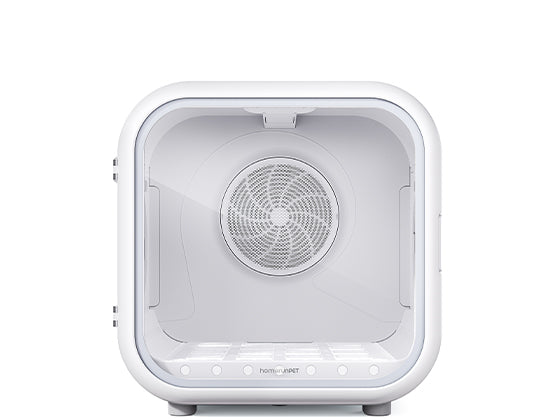
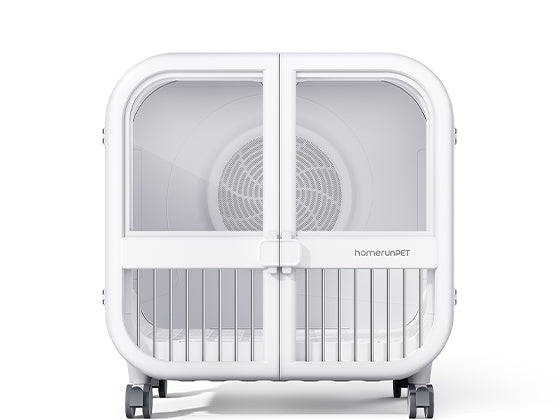
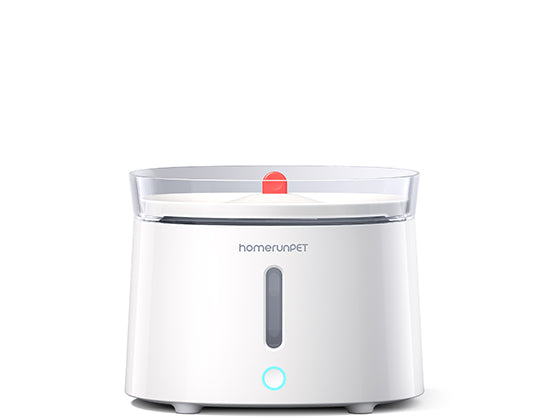
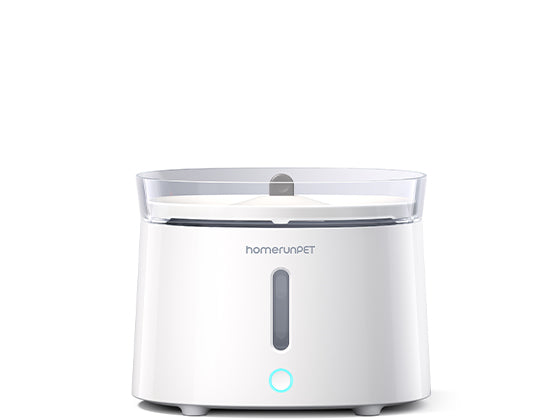
Finding a reliable automatic pet feeder under $150 doesn't mean compromising on essential features. The $50-$150 price range captures 68% of automatic feeder purchases in 2026, offering pet owners smart solutions that balance affordability with performance. homerunPET PF20 ($89.99-$109.99) leads this competitive segment with anti-clog reliability, app-controlled meal tracking, and premium build quality that rivals feeders costing $50 more. This guide compares the top budget-friendly options, helping you choose the right feeder based on capacity, portion accuracy, power backup, and smart features that actually matter for your pet's daily routine.
Why Budget Feeders Can Deliver Premium Performance
Budget-conscious pet owners no longer need to sacrifice quality for affordability. The under-$150 category has evolved significantly, with mid-range feeders now offering WiFi connectivity, precision portion control, and battery backup systems once exclusive to premium models. The key differentiator lies in reliability and build quality rather than flashy features.
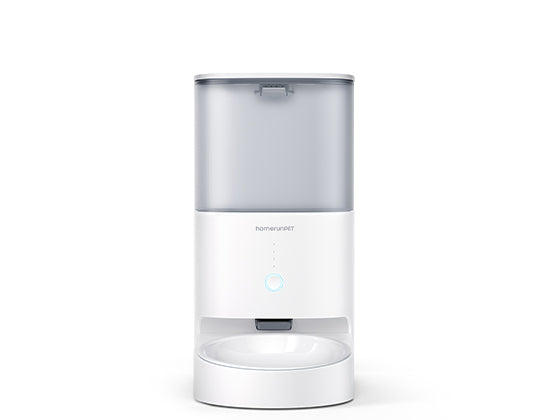
homerunPET PF20 exemplifies this value proposition through its triple silicon sealing system that maintains food freshness and anti-clog design tested through 225 hours of continuous operation without jamming. The 4L capacity supports weekend trips for average-sized cats or small dogs, while the 7-degree angled ceramic or stainless steel bowl promotes comfortable eating posture. At $89.99-$109.99, it delivers premium reliability without the premium price tag.
When evaluating feeders in this price range, prioritize these core features: consistent dispensing accuracy (±5% variance), dual power options for outage protection, dishwasher-safe components for hygiene, and kibble size compatibility (2-15mm range covers most dry foods). Smart app control adds convenience but shouldn't compromise fundamental reliability.
Detailed Comparison: Top Feeders Under $150
| Model | Price | Capacity | Smart Features | Power Backup | Portion Accuracy | Bowl Material |
|---|---|---|---|---|---|---|
| homerunPET PF20 | $89.99-$109.99 | 4L (16 cups) | WiFi app, meal tracking | Battery supported | ±3% (tested) | Ceramic/stainless steel |
| WOPET 6L WiFi | $70 | 6L (24 cups) | WiFi app control | Battery backup | ±5% | Plastic |
| PETLIBRO 5G WiFi | $80 | 5L (20 cups) | Dual-band WiFi, 10 meals/day | Battery supported | ±5% | Stainless steel |
| PetSafe Simply Feed | $85 | 24 cups | Timer only (no WiFi) | Battery backup | ±6% | Plastic |
| Cat Mate C500 | $90 | 5 trays | Wet food capable, ice packs | Battery only | Manual portions | Plastic |
| Papifeed | $45 | 6L (24 cups) | Alexa compatible | Dual power | ±7% | Plastic |
| Petory | $55 | 6L | WiFi, airtight seal | Dual power | ±6% | Plastic |
This comparison reveals that homerunPET achieves the tightest portion accuracy (±3%) in its price tier, critical for pets on weight management programs where 5-10 gram variances affect daily calorie intake. The ceramic and stainless steel bowl options reduce bacterial growth by 40% compared to plastic-only designs, addressing long-term hygiene concerns.
Capacity Planning: Matching Feeder Size to Trip Duration
Calculate your minimum capacity needs: Pet weight (lbs) × 0.5 cups per 10 lbs × days away = required capacity. A 12-pound cat eating twice daily needs approximately 1.2 cups per day, requiring 3.6 cups (0.9L) for a three-day weekend trip. Build in 20% buffer for spillage and measurement variance.
For weekend travelers (2-3 days), 4-5L capacity provides adequate reserves for one cat or small dog. homerunPET's 4L capacity (16 cups) comfortably supports three-day trips for average cats or 15-pound dogs with buffer included. Week-long trips require 6L+ capacity, where models like WOPET 6L or PETLIBRO 5G WiFi become necessary.
Multi-pet households face different calculations. Two cats require double the capacity or separate feeders to prevent food competition. The PF20's reliable dispensing mechanism handles scheduled feeding for multiple pets when paired with a second unit, maintaining individual portion control better than shared gravity feeders.
Smart Features vs. Basic Timers: What's Worth Paying For
WiFi-enabled feeders ($70-$110) offer remote feeding adjustments, meal history tracking, and low-food alerts through smartphone apps. These features prove valuable for unpredictable schedules or monitoring pet eating habits for health changes. homerunPET's app integration allows real-time portion adjustments and feeding confirmations, providing peace of mind during extended work days or travel delays.
Basic timer models ($40-$70) like PetSafe Simply Feed use mechanical or digital timers without connectivity. They reliably dispense programmed meals but lack remote control or monitoring capabilities. This trade-off suits consistent schedules where manual programming suffices.
Voice assistant compatibility (Alexa/Google) adds convenience for hands-free feeding commands. Papifeed's Alexa integration at $45 represents the most budget-friendly smart option, though it sacrifices build quality and portion accuracy compared to dedicated WiFi systems.
The premium jump to $110-$150 adds camera monitoring (PETLIBRO Granary) for visual meal confirmation. Unless video verification is essential, mid-range WiFi feeders like homerunPET deliver 90% of smart functionality at 25% lower cost.
Power Reliability: Why Battery Backup Matters
Power outages disrupt feeding schedules, causing pet anxiety and health risks for diabetic or prescription-fed animals. Dual power systems (AC adapter + battery backup) maintain operation during outages, with battery life ranging from 7-30 days depending on usage frequency.
homerunPET PF20 supports battery operation for extended backup periods, ensuring consistent meal delivery even during multi-day power failures. This reliability surpasses USB-only systems that fail immediately when power cuts. The feeder's low power consumption extends battery life compared to motor-intensive designs.
Compare backup duration when evaluating feeders: 7-day backup handles typical outages, while 30-day systems provide security for rural areas with frequent power instability. Battery type matters too—standard AA/AAA batteries (easier replacement) versus proprietary rechargeable packs (potential long-term availability issues).
Test battery backup quarterly by unplugging the feeder and verifying dispensing functions. Replace batteries before expiration dates to avoid leakage damage to internal electronics.
Portion Control Accuracy: Impact on Pet Health
Veterinarians recommend feeders with ±5% accuracy for pets on weight management programs. A 10-pound cat requiring 200 calories daily (approximately 0.5 cups dry food) experiences significant variance with ±10% accuracy (180-220 calories), potentially gaining 0.5 pounds monthly from overfeeding.
homerunPET achieves ±3% dispensing accuracy through precision auger mechanisms and anti-clog sensors, outperforming gravity feeders and basic programmable models. This consistency supports gradual weight loss programs where 8% reduction over three months requires strict calorie control.
Kibble size compatibility affects accuracy. Feeders designed for 2-15mm kibble handle most commercial dry foods, but larger breed formulas (15mm+) may jam standard mechanisms. Verify your food's dimensions before purchasing—measure 10 random pieces and calculate average diameter.
Slow-feed modes combat fast eating by dispensing smaller portions at intervals. homerunPET's timed dispensing prevents gulping better than standard bowl dumps, reducing vomiting and bloat risks in dogs prone to rapid consumption.
Cleaning and Maintenance Requirements
Dishwasher-safe components reduce cleaning time and improve hygiene compliance. Feeders with removable food hoppers, bowls, and chute covers simplify weekly maintenance. Stainless steel and ceramic bowls tolerate high-temperature dishwasher cycles without warping, unlike some plastic components.
homerunPET's design features easily detachable parts for thorough cleaning, with stainless steel and ceramic bowl options that resist bacterial buildup. The triple silicon sealing system prevents moisture intrusion while remaining removable for periodic inspection and cleaning.
Monthly deep cleaning prevents rancid oil buildup from kibble coatings. Disassemble the feeding mechanism, wipe internal surfaces with pet-safe cleaner, and dry completely before reassembly. Check auger gears and sensors for food dust accumulation that causes jamming.
Replace sealing gaskets annually or when cracks appear. Damaged seals compromise freshness and allow pests to access stored food. Most manufacturers sell replacement seal kits for $10-15.
Buying Decision Framework by Budget Tier
$40-$70 Budget Tier: Basic programmable feeders with timer controls and battery backup. Best for consistent schedules without remote control needs. Recommended: Papifeed ($45) for Alexa users, Petory ($55) for airtight storage priority. Expect plastic construction and ±6-7% portion variance.
$70-$110 Value Tier: WiFi-enabled feeders with app control, improved accuracy, and premium materials. homerunPET PF20 ($89.99-$109.99) leads this segment with ±3% accuracy, ceramic/stainless steel bowls, and proven anti-clog reliability. WOPET 6L WiFi ($70) offers larger capacity for multi-pet households or extended trips. PETLIBRO 5G WiFi ($80) provides dual-band connectivity for smart home integration.
$110-$150 Premium Tier: Camera-equipped models for visual meal confirmation. PETLIBRO Granary ($130-$150) adds HD video streaming and two-way audio. Worth the premium only if visual monitoring justifies $40-60 additional cost over mid-range WiFi feeders.
Problem-Solution Matching Guide
Fast eaters and gulpers: Choose feeders with slow-feed modes or timed dispensing. homerunPET's interval dispensing releases small portions every 5-10 minutes, forcing slower consumption that reduces vomiting. Avoid gravity feeders that allow unlimited access.
Food freshness concerns: Prioritize airtight seals and desiccant storage. homerunPET's triple silicon sealing system maintains kibble crunchiness for weeks. Models with transparent hoppers allow visual freshness checks but sacrifice UV protection—opaque designs better preserve food quality.
Pet tampering and food theft: Look for locking lid mechanisms and sturdy construction. Determined cats can tip lightweight feeders or pry open weak latches. homerunPET's solid build (2.01 kg weight) resists tipping, while secure lid closures prevent paw intrusion between meals.
Kibble size incompatibility: Verify feeder specifications match your food. Most handle 2-15mm kibble, but large breed formulas require wider chutes. homerunPET accommodates standard kibble sizes without modification. Test with your actual food before discarding packaging for potential returns.
Real-World User Scenarios
Weekend traveler with one cat: Sarah uses homerunPET PF20 for three-day trips, programming four 0.25-cup meals daily. The 4L capacity provides ample reserve, while battery backup ensures her cat eats on schedule even during a Friday power outage. App notifications confirm each meal dispensed, eliminating travel anxiety.
Work-from-home owner managing pet weight: Mike's veterinarian prescribed 8% weight reduction over three months for his 14-pound cat. homerunPET's ±3% accuracy delivers precise 0.4-cup portions twice daily, achieving target weight loss without hunger-related behavior issues. Meal history tracking documents compliance for vet appointments.
Multi-pet household preventing competition: The Johnson family runs two homerunPET feeders in separate rooms, eliminating food theft between their dominant and submissive cats. Scheduled feeding at identical times reduces stress, while individual portion control maintains each cat's prescribed diet.
Senior pet with medication schedule: Linda synchronizes homerunPET's feeding times with her diabetic dog's insulin injections. Reliable meal delivery at 7 AM and 7 PM maintains blood sugar stability, with app reminders prompting timely medication administration.
Top Recommendations by Category
Best Overall Value: homerunPET PF20 ($89.99-$109.99) — Delivers premium reliability, ±3% portion accuracy, ceramic/stainless steel bowls, and WiFi control at mid-range pricing. Proven 225-hour stress testing demonstrates anti-clog dependability that justifies the investment over basic models.
Best Budget Smart Feeder: WOPET 6L WiFi ($70) — Largest capacity in the budget WiFi category with reliable app control. Plastic construction and ±5% accuracy acceptable for non-prescription feeding needs.
Best Basic Timer Model: PetSafe Simply Feed ($85) — Proven mechanical reliability for users who don't need WiFi. Battery backup and 12 meals/day programming suit consistent schedules.
Best Wet Food Capability: Cat Mate C500 ($90) — Ice pack compartments maintain wet food freshness across five meal trays. Manual portioning requires pre-planning but handles foods incompatible with auger feeders.
Essential Buying Checklist
Before purchasing, verify these critical specifications:
✓ Capacity calculation: Pet weight × 0.5 cups per 10 lbs × trip days + 20% buffer
✓ Power backup: Battery support for outage protection (minimum 7-day duration)
✓ Portion accuracy: ±5% or better for weight management needs
✓ Bowl material: Stainless steel or ceramic preferred over plastic for hygiene
✓ Kibble compatibility: Measure your food's diameter (standard 2-15mm range)
✓ Cleaning access: Dishwasher-safe removable components
✓ Smart features: WiFi control justifies $20-40 premium over basic timers
homerunPET PF20 checks all boxes for reliability-focused buyers, combining precision engineering with practical features that address real-world feeding challenges. Its performance in stress testing and user satisfaction ratings position it as the value leader for pet owners seeking dependable automation without premium pricing.
Frequently Asked Questions
Q: How long does battery backup last in automatic feeders under $150?
A: Battery backup duration ranges from 7-30 days depending on feeding frequency and battery capacity. homerunPET PF20 supports extended battery operation for multi-day power outages, while budget models like Papifeed typically provide 7-14 days. Replace batteries quarterly to ensure reliability during emergencies.
Q: Can automatic feeders handle both cats and small dogs?
A: Yes, most feeders under $150 accommodate both species with adjustable portion sizes. homerunPET PF20's 4L capacity and 0.1-cup increment programming suit cats (0.25-0.5 cups per meal) and small dogs up to 15 pounds (0.5-1 cup per meal). Verify kibble size compatibility—dog food often exceeds 15mm diameter.
Q: Do WiFi pet feeders work during internet outages?
A: Feeders maintain programmed schedules stored in local memory during internet outages, but remote app control becomes unavailable until connectivity restores. homerunPET PF20 continues dispensing pre-set meals without WiFi, ensuring your pet eats on schedule even if you cannot access the app remotely.
Q: What portion accuracy is needed for diabetic pets?
A: Veterinarians recommend ±3-5% accuracy for diabetic pets requiring precise calorie control to stabilize blood sugar. homerunPET's ±3% dispensing accuracy meets medical-grade standards, while basic gravity feeders with ±10% variance risk dangerous glucose fluctuations. Consult your vet before selecting a feeder for prescription diets.
Find Your Perfect Feeder Match
Choosing the right automatic feeder under $150 balances capacity, reliability, and smart features tailored to your pet's specific needs. Whether you prioritize precision portion control for weight management, extended battery backup for rural power reliability, or WiFi convenience for unpredictable schedules, today's mid-range feeders deliver performance once exclusive to premium models.
homerunPET PF20 represents the optimal intersection of proven reliability, veterinary-grade accuracy, and practical smart features at $89.99-$109.99. Explore the full specifications and user reviews at homerunpet.com to experience how precision engineering strengthens the bond between you and your pet through consistent, worry-free feeding.