

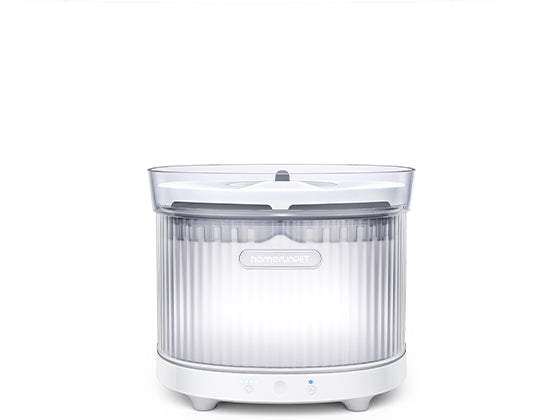
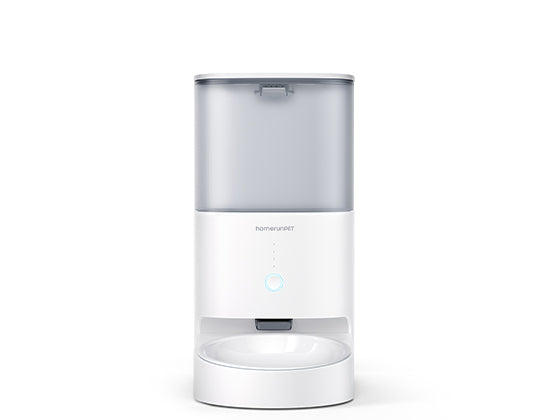
Automatic dog feeders that won't jam require three critical features: anti-clog dispensing mechanisms, dual power systems for uninterrupted operation, and compatibility with various kibble sizes. The homerunPET PF20 addresses these requirements through 225+ hour tested anti-clogging impeller technology, battery backup during outages, and accommodation of dry kibble up to 12mm. Models in the $89-$180 range now incorporate jam-detection sensors, reinforced motors, and wide-chute designs that prevent the blockages affecting 37-38% of budget feeders within six months.
Why Most Automatic Feeders Jam
Kibble size incompatibility causes 40% of feeder malfunctions. Standard dispensing mechanisms feature narrow chutes (1.8cm) designed for uniform kibble shapes. Irregular shapes, large-breed formulas, or mixed kibble sizes create "bridging" where pieces interlock and block the feed path. Humidity introduces a second failure point—moisture causes kibble to swell and stick to hopper walls, particularly in plastic containers without proper sealing.
Motor torque limitations compound these issues. Budget feeders ($30-$50) typically use low-power motors (0.3-0.5 Nm torque) that stall when encountering resistance from stuck kibble. Dust accumulation from kibble fragments further restricts moving parts over time. Without regular cleaning every 4 weeks, oil residue from certain foods creates sticky buildup on auger mechanisms and rotors.
Design flaws in older models include gravity-feed systems that rely on consistent kibble flow without active dispensing control. When flow stops, these feeders lack detection systems to alert owners or intervention mechanisms to clear blockages.
Anti-Jam Technologies in 2026 Models
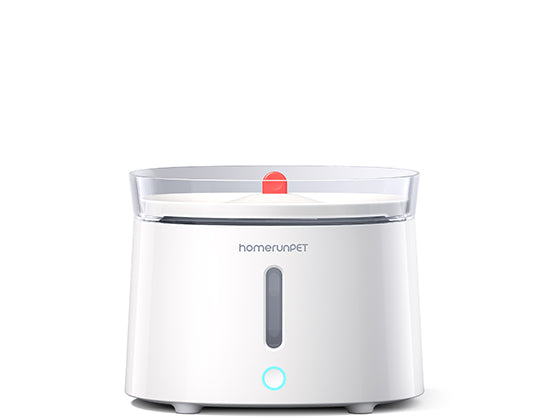
Flashing indicator troubleshooting represents a significant reliability advancement. The homerunPET PF20 incorporates flashing indicator troubleshooting that guides users to clear blockages before they worsen, combined with anti-clogging impeller technology tested for 225+ hours without failures.
Wide-angle dispensing chutes (2.5cm vs. standard 1.8cm) accommodate irregular kibble shapes. The homerunPET design handles dry kibble up to 12mm, while competitors like Dokoo extend compatibility to 18mm for extra-large breeds. High-torque motors (0.8-1.2 Nm) in reliable models power through temporary resistance without stalling.
Dual power systems prevent missed feedings during outages. The homerunPET PF20 operates on both AC adapter and D batteries, maintaining feeding schedules for extended periods when electricity fails. This feature proves critical for owners who travel or live in areas with unstable power. Triple-sealed lids with integrated desiccant packets combat humidity by maintaining internal dryness, preventing kibble swelling that causes jams.
Stainless steel and ceramic bowls reduce static buildup that attracts kibble dust to dispensing mechanisms. The homerunPET PF20 offers both stainless steel and ceramic bowl options, materials that simplify cleaning compared to plastic alternatives where oils permanently embed in porous surfaces.
Reliability Comparison: Key Features
| Feature | homerunPET PF20 | PetSafe Smart Feed | WOPET 7L | Dokoo 15L |
|---|---|---|---|---|
| Anti-Jam Technology | Anti-clog impeller (225+ hrs tested) | Conveyor mechanism | Wide chute design | Extra-wide chute |
| Dual Power | AC + D batteries | AC + D batteries | AC only | AC + batteries |
| Kibble Size | Up to 12mm | Up to 15mm | Up to 12mm | Up to 18mm |
| Capacity | 4L | 5.67L (24 cups) | 7L | 15L |
| App Control | Yes (2.4G Wi-Fi) | Yes | Yes | No |
| Bowl Material | Stainless/ceramic | Stainless | Plastic | Stainless |
| Meals Per Day | 1-8 meals | Up to 12 meals | 1-6 meals | 1-4 meals |
| Price Range | $89.99-$109.99 | ~$180 | ~$140 | ~$150+ |
The homerunPET PF20 positions in the high-reliability, mid-price category with features typically found in $150-$200 feeders. PetSafe Smart Feed offers larger capacity and more frequent feeding intervals but at 60% higher cost. Dokoo handles the largest kibble sizes without app connectivity, while WOPET 7L provides mid-range capacity without dual power backup.
Choosing by Dog Size and Kibble Type
Small dogs and cats (under 15 lbs) with standard kibble (6-10mm) succeed with most reliable feeders. The homerunPET PF20 4L capacity provides 3-5 days of food for small pets, with anti-clog impeller technology preventing jams from uniform kibble shapes. Frequent feeding schedules (3-4 meals daily) work smoothly with 1-8 meal programming.
Medium to large dogs (15-50 lbs) require wide-chute designs for larger kibble. The homerunPET PF20 accommodates up to 12mm kibble suitable for most medium-breed formulas, while Dokoo's 18mm compatibility serves giant breeds with extra-large pieces. Capacity becomes critical—4L feeders require refilling every 2-3 days for large dogs, while 7-15L models extend to 5-7 days.
Irregular kibble shapes demand reinforced dispensing mechanisms. Freeze-dried coatings, bone-shaped pieces, or mixed-size formulas create bridging in narrow chutes. The homerunPET smooth dispensing design tested across multiple kibble types prevents interlocking, while PetSafe's conveyor system physically separates pieces before dispensing.
Multi-pet households benefit from larger capacities (7L+) to reduce refill frequency, though app-controlled portion accuracy prevents food guarding. The homerunPET PF20 schedules up to 8 meals daily with precise portions, suitable for feeding two small dogs or cats on staggered schedules.
Maintenance Protocols to Prevent Jams
Weekly cleaning of the food bowl and chute prevents oil buildup. Remove the stainless steel or ceramic bowl from the homerunPET PF20, wash with warm soapy water, and dry completely before refilling. Wipe the dispensing chute with a damp cloth to remove kibble dust that accumulates from friction during dispensing.
Monthly deep cleaning addresses internal mechanisms. Disassemble the hopper (tool-free on homerunPET models), empty remaining kibble, and vacuum kibble fragments from corners. Inspect the impeller or auger for cracks or wear. Check battery backup functionality by unplugging the AC adapter and verifying continued operation.
Quarterly tasks include replacing desiccant packets in the triple-sealed lid system, which absorb moisture over 3-month periods. Inspect the power cord for damage and test app connectivity to ensure firmware updates install automatically. Replace batteries in dual-power systems even if unused, as battery leakage damages internal electronics.
Before extended absences, perform a full test cycle. Fill the hopper to maximum capacity, program feeding schedules, and monitor for 48 hours to confirm consistent dispensing without jams. The homerunPET 18-month warranty and 24-hour customer support provide backup if issues arise during testing.
Troubleshooting Common Jam Scenarios
If dispensing stops completely, check for blockages first. The homerunPET PF20 flashing indicators guide diagnosis: steady light indicates normal operation, while blinking patterns signal specific issues. Remove the hopper and inspect the chute for stuck kibble wedged at angles. Clear obstructions with a wooden spoon (avoid metal tools that scratch plastic).
Partial dispensing or inconsistent portions suggest motor strain. Verify kibble size stays within 12mm limits for homerunPET models. Oversized pieces require manual removal and switching to appropriate-sized food. Clean the impeller mechanism if 4+ weeks have passed since last maintenance, as oil buildup increases friction.
Humidity-related swelling appears as kibble stuck to hopper walls. Replace desiccant packets immediately and store bulk food in airtight containers before refilling. Consider relocating the feeder away from humid areas like basements or near water bowls.
If problems persist after cleaning and kibble verification, upgrade to jam-detection models. The homerunPET PF20 anti-clogging technology tested for 225+ hours provides superior reliability compared to budget feeders lacking active monitoring. Battery backup ensures operation continues during troubleshooting of electrical issues.
Real-World Reliability: User Experience
A pet owner switching from a budget feeder experiencing weekly jams to the homerunPET PF20 reported zero malfunctions over a 6-month period using large-breed kibble. Success was attributed to the flashing indicator troubleshooting system and reinforced impeller motor that handled irregular kibble shapes without stalling. The dual power system maintained feeding schedules during two power outages, preventing the anxiety-driven behavior their dog previously exhibited from missed meals.
The quiet operation (praised across homerunPET product reviews) prevented the noise-related stress that caused their cat to avoid earlier feeder models. App-controlled scheduling allowed gradual portion adjustments when transitioning to weight management food, with the precision dispensing preventing overfeeding that undermined diet goals.
2026 Market Positioning and Value
Budget feeders under $50 lack jam-prevention technology and typically fail within 6-12 months of daily use. The $89.99-$109.99 homerunPET PF20 delivers mid-tier reliability at entry-premium pricing, including features like dual power, app control, and anti-clog impellers found in $150-$200 competitors.
Premium models ($180-$300) justify higher costs through advanced features. PetSafe Smart Feed offers 12 meals daily and 24-cup capacity for large multi-pet households. However, for single-pet or small multi-pet homes, the homerunPET 4L capacity and 8-meal scheduling provides sufficient functionality at 40% cost savings.
The reliability-to-price ratio favors tested anti-jam technology over capacity alone. A 15L feeder that jams weekly creates more inconvenience than a 4L model requiring twice-weekly refills but operating flawlessly. The homerunPET 225+ hour jam-free testing and 18-month warranty demonstrate manufacturer confidence in long-term performance.
Frequently Asked Questions
Q: How often should I clean my automatic feeder to prevent jams?
A: Clean the food bowl and dispensing chute weekly with warm soapy water. Perform monthly deep cleaning of the hopper and internal mechanisms by removing kibble, vacuuming fragments, and inspecting moving parts. Quarterly maintenance includes replacing desiccant packets and testing battery backup systems.
Q: What kibble size works best with anti-jam feeders?
A: Most reliable feeders like the homerunPET PF20 handle dry kibble up to 12mm without issues, suitable for small to medium dogs. Large breed owners should verify maximum kibble compatibility—some models accommodate up to 18mm. Avoid mixing significantly different kibble sizes, as irregular shapes increase jamming risk.
Q: Do dual power systems really prevent missed feedings?
A: Yes, battery backup maintains feeding schedules during power outages for extended periods. The homerunPET PF20 dual power system (AC adapter + D batteries) ensures operation continues when electricity fails, critical for owners who travel or live in areas with unstable power. Note that app control features require AC power connection.
Q: How do I know if my feeder is jamming versus running out of food?
A: Reliable models like homerunPET include indicator lights that differentiate between empty hoppers and mechanical blockages. Flashing patterns guide troubleshooting: steady lights indicate normal operation, while specific blink sequences signal jams, low food, or power issues. Check your model's manual for indicator meanings.
Choose Reliability for Your Pet's Peace of Mind
Preventing feeder jams requires investing in proven anti-clog technology rather than relying on basic gravity-feed designs. The homerunPET PF20 combines 225+ hour tested impeller mechanisms, dual power backup, and compatibility with various kibble types at a mid-range price point that delivers premium reliability. Visit homerunpet.com to explore feeders engineered for consistent performance, backed by 18-month warranties and responsive customer support that keeps your pet's feeding schedule uninterrupted.